








Taiwan Art Events in January 2027: Taipei & Tainan
January features two distinct hotel fairs in Taipei and an ongoing citywide biennale in Tainan. Together, they offer an intriguing way to explore how exhibition spaces influence the experience of art. A hotel room places artworks in close proximity; a biennale invites visitors to follow a theme across museums, public spaces, and various parts of a city.
These events do not share tickets or a single weekend. The two Taipei fairs open publicly one week apart, while the Tainan biennale runs throughout the winter. This gives visitors the choice between a focused short visit and a longer journey with time to explore different artistic environments. The calendar is most useful when these differences remain clear.
Taiwan Art Calendar for January 2027
|
Event |
Public visiting period |
Location |
Format and planning notes |
|
ART FUTURE 2027 |
9–10 January, 11:00–19:00 |
Grand Hyatt Taipei, 2 Songshou Road, Xinyi |
Hotel fair; collector and VIP sessions on 8 January have separate access |
|
ONE ART Taipei 2027 |
16–17 January, 11:00–19:00 |
Hotel Metropolitan Premier Taipei, 133 Section 3 Nanjing East Road |
Hotel fair; collector and VIP previews on 15 January |
|
Tainan Art Biennale 2026 |
Continues throughout January; full edition 31 October 2026–1 March 2027 |
Multiple venues in Tainan |
Biennale with venue-specific hours, closures, and exhibition periods |
The table lists public dates for the two fairs. The biennale retains 2026 in its title because the edition opened that year; its January program is part of the ongoing event. Check individual venue schedules before visiting, especially regarding weekly closures or specific installation display periods.
First Weekend in Taipei ART FUTURE
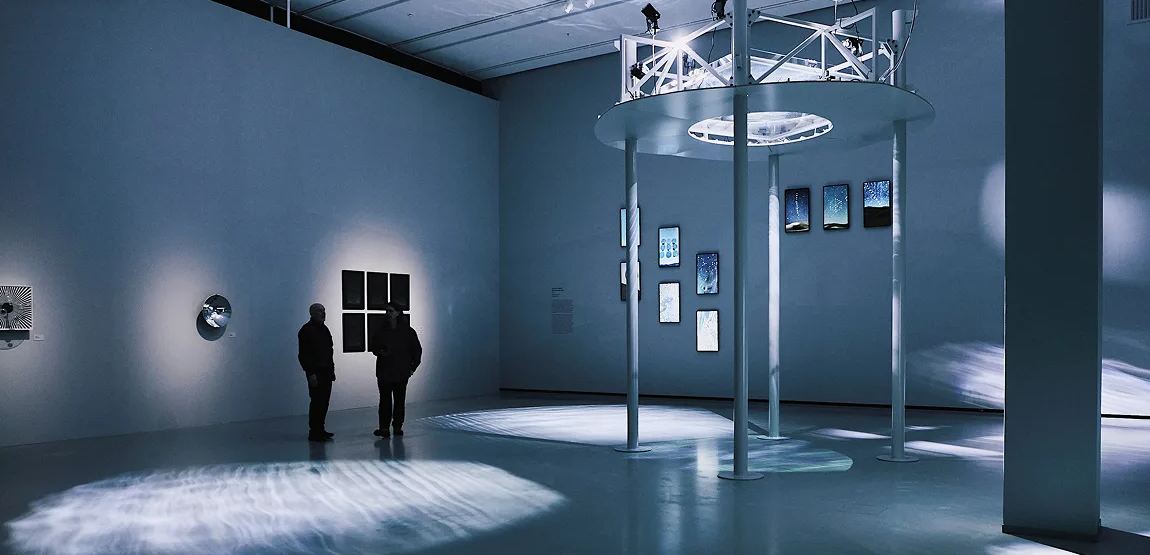
Grand Hyatt Taipei hosts the month’s earlier hotel fair. The format makes the organization of the room part of the viewing experience. A presentation must establish relationships between works within a space that already has a particular scale and character. Visitors can evaluate how much this arrangement clarifies the practice and how much it depends on the room’s atmosphere.
The announced 2027 framework separates Contemporary Emerging Artist, Asian Promising Artist, and Family Office Recommended categories. These represent different selection routes. The under-40 age limit applies only to the emerging artist section; it does not describe every artist in the fair. The invitation-based sections have their own criteria.
This distinction should guide the questions asked during a visit. Age is an eligibility rule, while the maturity of a practice must be understood through the work. A recent painting can repeat a familiar solution; a long-established artist can make an unexpectedly challenging new choice. Look for evidence in the presentation rather than let the section title determine your judgment.
Public visiting hours are 9–10 January from 11:00 to 19:00. Friday 8 January is reserved for the announced collector and VIP program, with a vernissage later that day. A public ticket should not be assumed to grant access to these earlier sessions.
Second Weekend in Taipei ONE ART
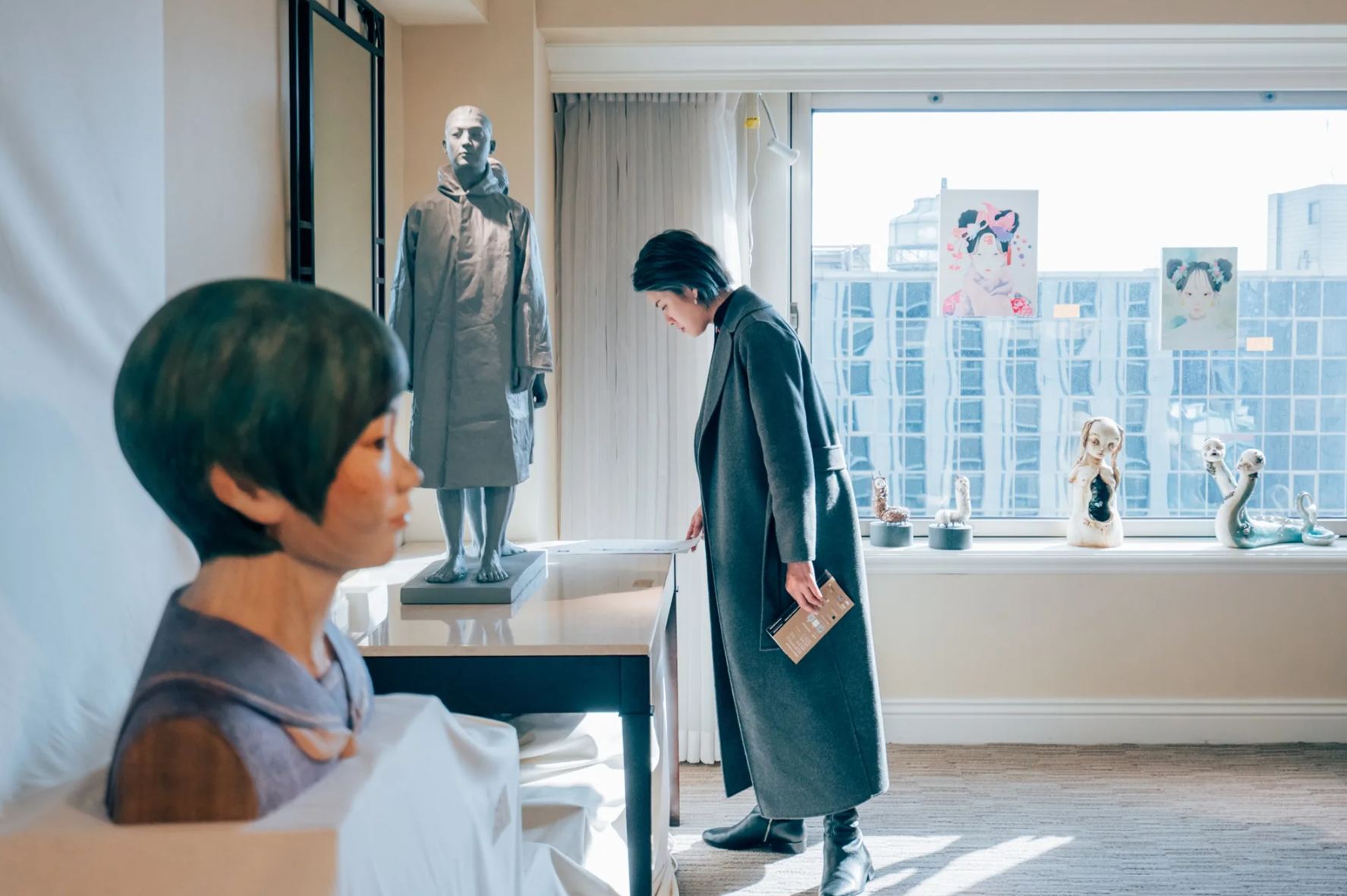
The following weekend, the hotel fair moves to Hotel Metropolitan Premier Taipei. ONE ART’s ninth edition is open to the public on 16–17 January, again from 11:00 to 19:00. The collector preview on Friday 15 starts at noon, while the VIP preview begins at 14:00; both run until 19:00. Different access categories can therefore matter even on the same preview day.
The organizer’s current introduction names Unlimited, Discovery, Media Art, and Next Art Tainan strands. These offer different paths through established gallery programs, younger practices, and works that may require more than a brief glance. Discovery’s under-35 age limit differs from the earlier fair’s emerging artist rule. Neither should be taken as a general definition of Taiwanese contemporary art.
ONE ART also highlights exhibition design through its Best Interior Design Award. It encourages a useful visitor question: what has the gallery made possible by arranging the room this way? The answer might concern sightlines, spacing between works, or the duration a presentation asks you to stay.
Nanjing Fuxing MRT station is the organizer’s closest listed access point, with Exit 2 near the hotel. This is a different district from the Grand Hyatt. Anyone attending both weekends should compare everyday city connections rather than choose accommodation solely based on proximity to the first event.
Tainan A Longer Exhibition Rhythm
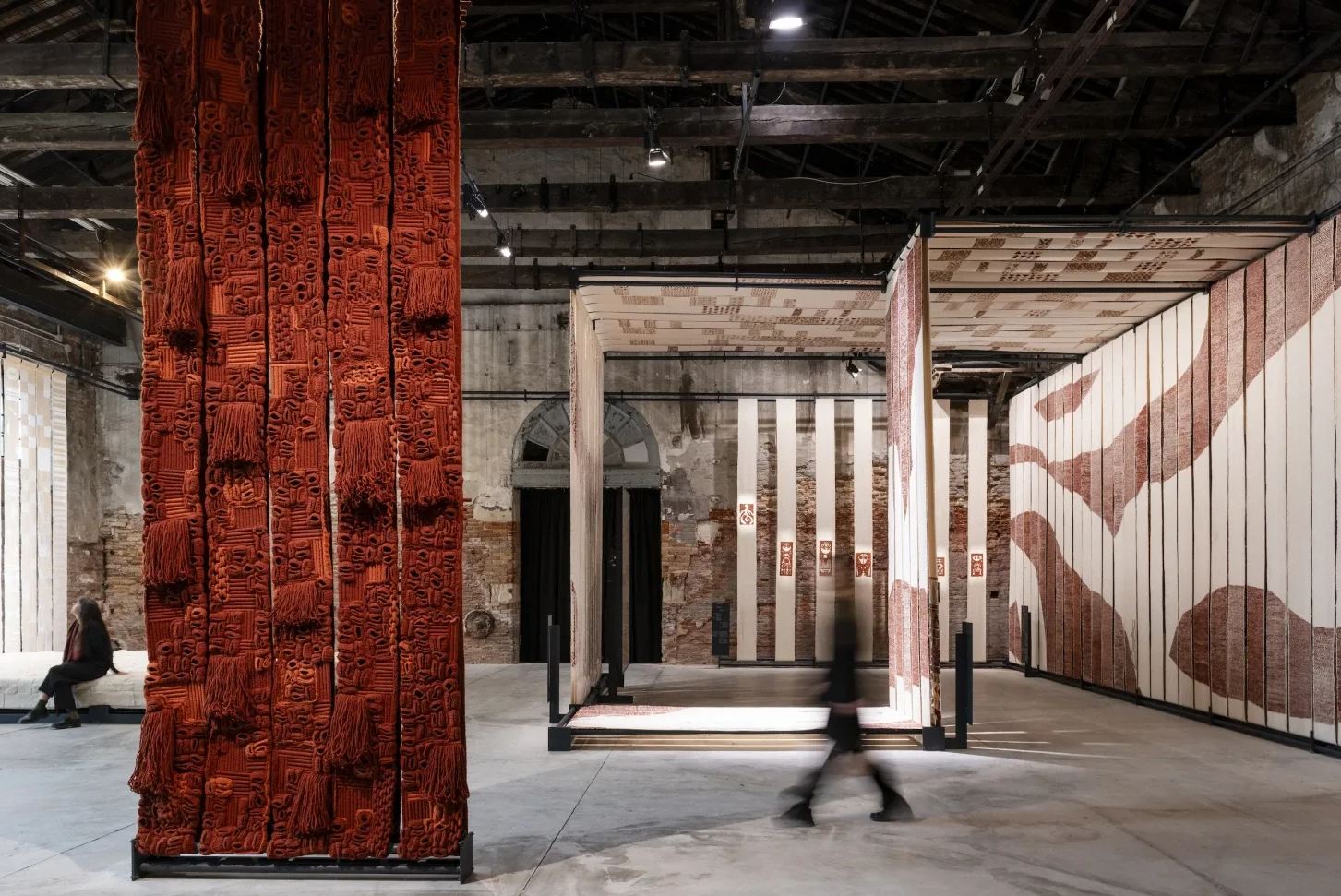
The inaugural Tainan biennale opens on 31 October 2026 and continues until 1 March 2027 under the title Unfolding Circuits. January visitors encounter an event already underway. Its seven curatorial strands explore different relationships between the city, history, environment, and forms of collective life.
The announced network includes 32 venues, comprising 16 main and 16 satellite locations. This framework invites exploration rather than an instruction to see everything in a single day. Start with a few connected exhibitions and allow enough time to understand how the city’s spaces contribute to the works.
Display periods require special attention. Some projects end before January, even though the biennale as a whole continues. Conversely, Sou Fujimoto’s The Loop is scheduled to open publicly on 5 December 2026 after fabrication and assembly, so it is part of the January options. The opening date of the entire biennale cannot substitute for every work’s availability.
The core museum schedule also includes weekly closures. Tainan Art Museum is listed as closed on Mondays, except for national holidays; its other visiting hours differ on Saturdays. Confirm the chosen venue’s arrangements rather than generalizing from another museum on the same route.
Tickets and Practical Differences
A final 2027 public ticket price for each Taipei hotel fair is not specified in the official information reviewed. Their announced hours do not imply free admission. Use the inquiry forms on the individual event pages to clarify the appropriate public or preview ticket category.
The biennale announces NT$200 one-day and NT$300 two-day tickets covering its three main specified locations. These do not grant unrestricted access to all 32 venues. The NT$2,000 Art Passport is a separate souvenir product and should not be confused with the standard admission fee. Public projects and partner spaces may have different access conditions.
Photography, large bags, and step-free access policies should be checked for each venue. A hotel room, museum gallery, and outdoor installation each place different demands on a visit. One venue’s policy should not be assumed to apply to the entire itinerary.
Planning the Journey Between Cities
Taipei and Tainan should be treated as separate city visits. When traveling south by high-speed rail, remember that Tainan’s high-speed rail station and the central railway station are different locations. Plan the local transfer into your schedule before booking a timed activity or an early exhibition visit.
For a longer January stay, one practical itinerary is the earlier Taipei fair, several days in Tainan, and a return for the second public weekend. This is an optional route, not a recommendation for a compressed day trip. It only makes sense if the additional travel and accommodation allow sufficient time for viewing.
Readers comparing Taiwan with other regional options can continue with our art fairs in Asia in early 2027 selection. It places Singapore, New Delhi, and Tokyo within the broader season. Use that comparison to choose a focus, rather than assuming every Asian art event fits into a single convenient itinerary.
How to Look Across the Three Events
Carry one question between venues. It might concern the treatment of landscape, a material process, or the role of an inherited image. The question will develop differently in a commercially curated hotel presentation and a citywide curatorial exhibition. These differences can deepen the inquiry if they remain visible.
Keep notes recording the artist, work, and context. An installation’s relationship to a public site may be central to its meaning, while a work in a hotel room may need to be imagined outside the temporary display. Neither setting alone provides a complete interpretation.
Editor’s Note
We are drawn to this Taiwan sequence because it brings questions of display into unusually clear focus. In a hotel fair, the room can make an artwork feel immediately familiar, sometimes before it has been fully understood. The strongest presentations use that intimacy to sharpen perception while allowing the work to retain its complexity.
Tainan demands a different kind of attention. Its curatorial framework moves through an actual city, where historical and environmental references are encountered alongside the spaces from which they arise. We will be interested to see whether individual works make these relationships specific enough to resist a general narrative about place.
The value of experiencing both formats lies in learning to adjust one’s judgment. A room’s persuasive atmosphere and a biennale’s ambitious vocabulary each need to be tested against the work. January in Taiwan offers a good opportunity to practice that patient adjustment, with enough distance between the two cities to let an inquiry unfold.