AfrikaBurn 2027 takes place from 26 April to 2 May in the Tankwa Karoo, a remote semi-desert region of South Africa between the Northern Cape and Western Cape.

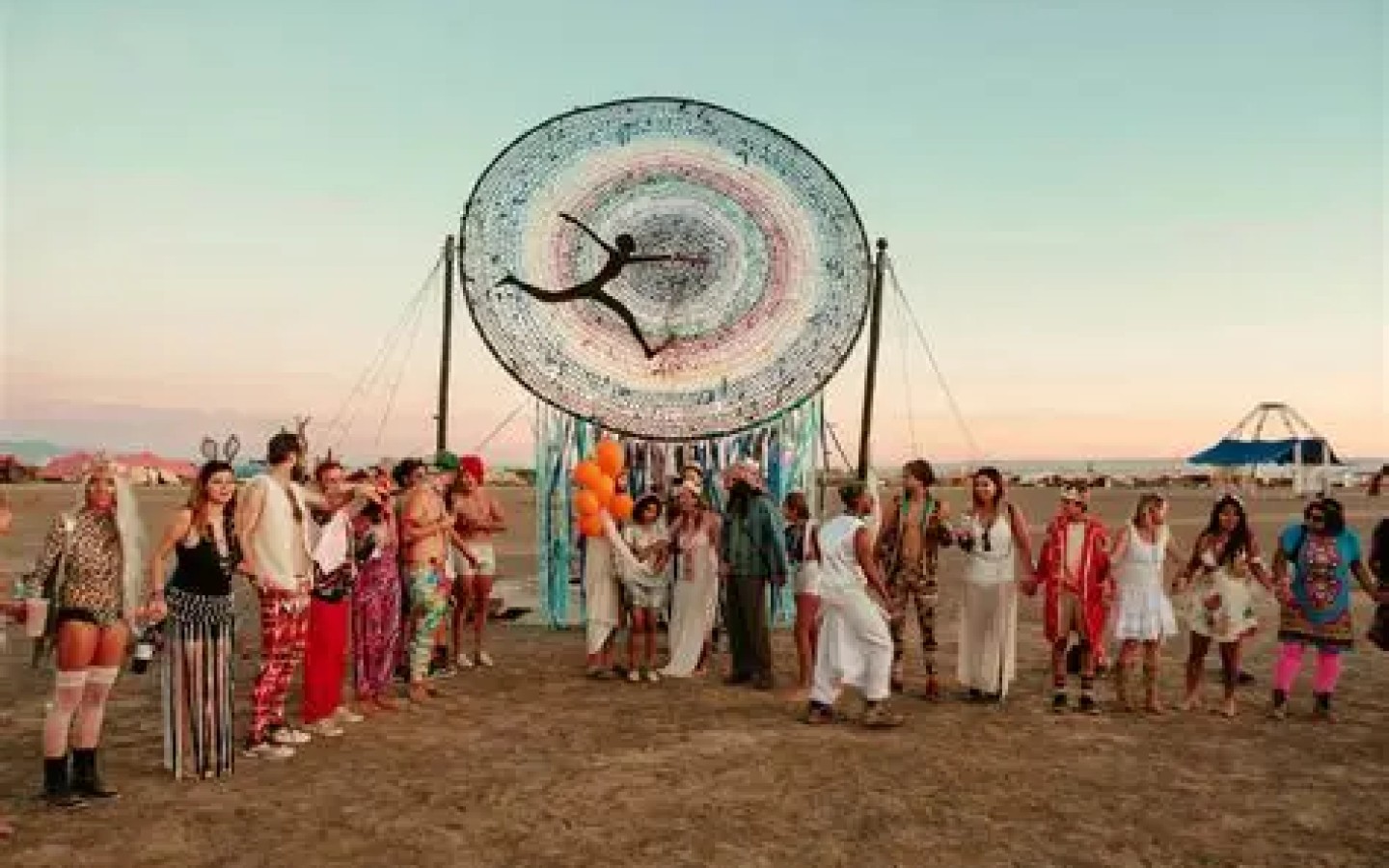
Unlike a conventional art fair or exhibition, AfrikaBurn is a temporary participatory city built by the people who attend it. Visitors do not simply buy a ticket and consume a programme. They help create the event through artworks, performances, camps, costumes, music, mutant vehicles, volunteer work and acts of gifting.

The official event describes AfrikaBurn as a community of participants who come together to create art, costume, performance, theme camps, music, mutant vehicles and much more. All of this is built through volunteer and gifting culture.

For ArtExpoWorld readers, AfrikaBurn 2027 is one of the most unusual events in the Africa 2027 art calendar. It is not a gallery-based fair, not a museum exhibition and not a normal music festival. Its artistic power comes from temporary architecture, large-scale installations, fire, desert landscape, collaboration and radical participation.

The event takes place in Tankwa Town, a temporary settlement that appears for one week and then disappears, guided by a strong ethic of participation and leaving no trace.

AfrikaBurn 2027 will run for seven days in the Tankwa Karoo.

During the event, participants build a temporary city filled with artworks, theme camps, performances, costumes, sound spaces, gatherings, and experimental structures.

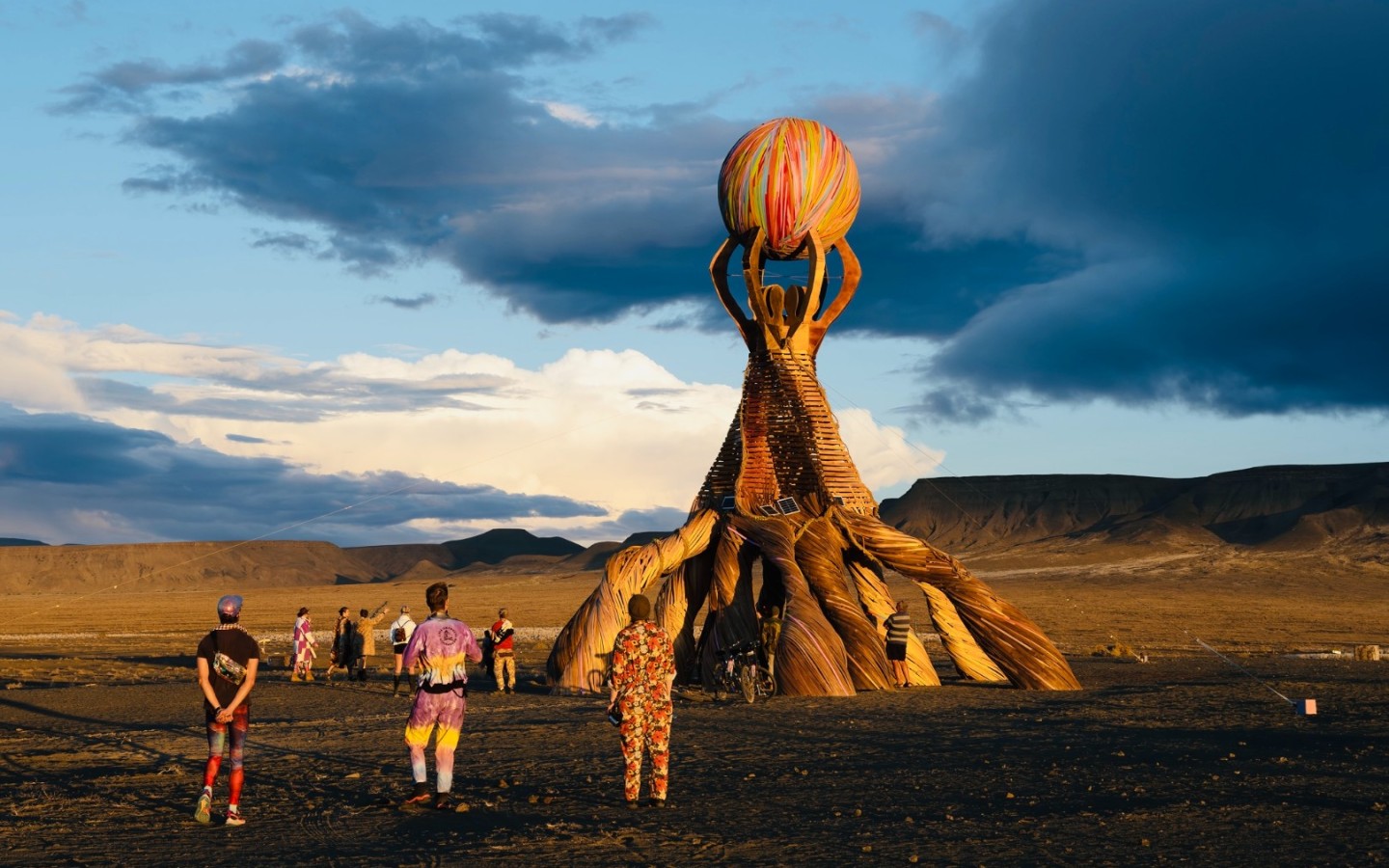
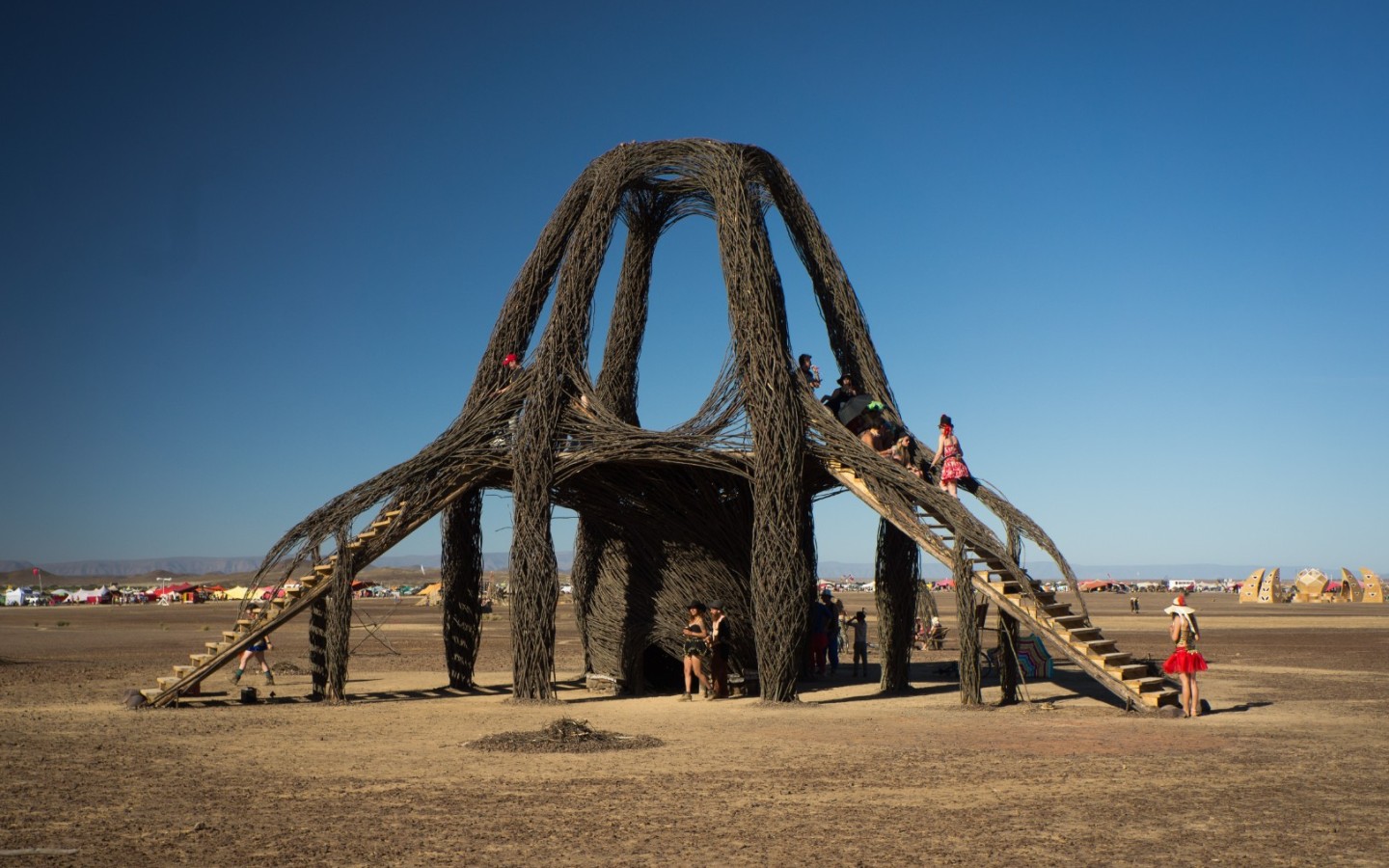
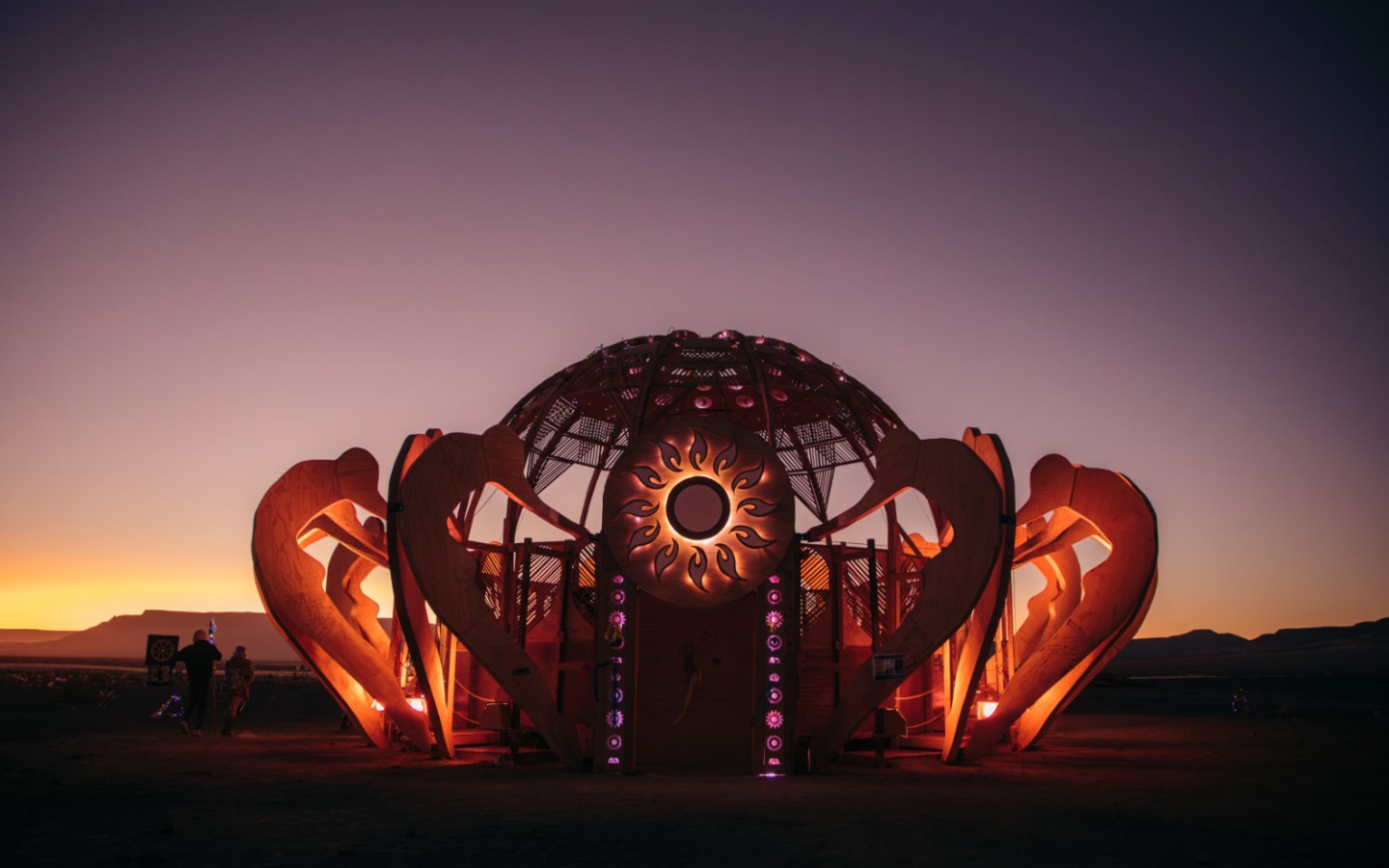
Large-scale sculptures and installations are among the most visible parts of AfrikaBurn. Many are designed to be burned at specific moments, turning destruction into a shared ritual and part of the artwork’s life cycle.

Theme camps create places for hospitality, performance, food, music, conversation, workshops, or unexpected experiences.

Mutant vehicles move through the event as mobile artworks. They are not simply decorated cars, but creative vehicles designed to become part of the temporary city’s visual and social landscape.

Costume is also central. Participants use clothing, body decoration, and visual identity as forms of self-expression and performance.

Music and sound are present, but AfrikaBurn should not be reduced to a party or desert rave. Its strongest dimension is participatory art: the idea that every person can contribute to the shared environment.

The final 2027 theme, art projects, burn schedule, camps, ticket categories, and survival information will be confirmed by the organisers closer to the event.

AfrikaBurn 2027 Event Overview

AfrikaBurn 2027 – Participatory Art Festival in the Tankwa Karoo

AfrikaBurn’s official description emphasizes that the event is created through volunteer and gifting culture. This means the most important contributions may not be bought or scheduled. They may appear as a temporary artwork, a shared meal, a repaired bicycle, a performance at sunrise, or a camp that offers shade to strangers.

Dates:

26 April 2027 - 2 May 2027

Location:

Tankwa Karoo, South Africa

Mission:

The mission of AfrikaBurn 2027 is to create a temporary community based on participation, creativity, self-expression, gifting and collective responsibility. The event challenges the idea that art must be produced by a small professional group and consumed by a passive audience. At AfrikaBurn, the audience is part of the artwork. People build installations, volunteer, perform, offer food, create spaces, repair things, guide others, help with safety and contribute to the emotional and physical life of Tankwa Town. The gifting culture is central. Participants are encouraged to offer something without expecting direct payment, trade or reward. A gift may be a performance, a cup of coffee, a workshop, a sculpture, a shaded resting place, a conversation or practical help. The event also promotes radical self-reliance. The Tankwa Karoo is remote, dry and physically demanding. Participants must bring what they need, take responsibility for their own survival and avoid leaving waste behind. AfrikaBurn’s wider mission is not escape from society, but experimentation. For one week, participants test what a community can look like when creativity, generosity and temporary collaboration become the organising principles. Art at AfrikaBurn Art at AfrikaBurn is not limited to objects on display. It appears as sculpture, architecture, costume, performance, fire, movement, sound, light, camp design, ritual and social interaction. Some artworks are enormous structures built specifically for the desert. Others are small, intimate interventions that a participant may discover by chance. The temporary nature of the event changes the meaning of the art. Many works exist only for a few days. Some are burned. Others are dismantled and removed. What remains is memory, documentation and the experience of being present. This makes AfrikaBurn different from a museum. There is no permanent collection, no fixed visitor route and no quiet separation between artwork and viewer. A participant may walk inside an installation, dance around it, help build it, watch it burn or encounter it alone at sunrise. The desert environment is also part of the artistic experience. Dust, heat, wind, darkness, stars and distance all affect how the works are seen and remembered. Burning and Temporary Art Burning is one of the defining visual rituals of AfrikaBurn. Some artworks are intentionally created to be burned during the event. This does not mean they are disposable or careless. A burn can be the final stage of an artwork’s concept, transforming material construction into flame, smoke, heat, sound and collective attention. The moment of burning turns the crowd into witnesses. People gather around the work, watch it change and experience the loss of a structure that may have taken months to design and build. This temporary quality can make the artwork more powerful. Visitors know that the structure will not remain available for later viewing, resale or preservation. The value lies in presence, participation and memory. For contemporary art audiences, AfrikaBurn offers a serious lesson: permanence is not the only measure of artistic importance.

Organizer:

AfrikaBurn is organised by Africa Burns Creative Projects, a South African not-for-profit organisation. The organisation coordinates the annual event, community participation, art grants, volunteer systems, safety planning, ticketing, communications and the development of Tankwa Town. AfrikaBurn is an official Burning Man regional event, but it is shaped by its own local community and South African context. The organisation encourages participation, volunteering and creative contribution. It does not present the event as a normal entertainment product. The official message is clear: AfrikaBurn is what participants make of it. That principle is central to understanding the event.

Why attend to AfrikaBurn 2027?

AfrikaBurn 2027 is worth visiting because it offers a kind of art experience that cannot be replicated inside a gallery.

For artists, it provides a space to build large-scale, temporary or experimental works outside conventional institutional limits.

For designers and architects, it offers an extreme environment for testing structures, materials, light, shade, and spatial behavior.

For performers, it creates a city where audience, stage, and daily life continuously overlap.

For cultural travelers, it offers a rare chance to experience South African participatory art in a remote desert context.

For photographers and filmmakers, the event is visually extraordinary, but documentation must be approached with respect, consent, and official rules.

For anyone interested in the future of art, AfrikaBurn demonstrates that creativity can become social infrastructure.

The event is not about looking at art from a distance. It is about helping make a world where art becomes the condition of living together.

Ticket Information

General admission costs

Ticket information for AfrikaBurn 2027 should be checked through the official AfrikaBurn ticketing system.

The organisers warn participants not to buy or resell tickets through unofficial platforms.

Official resale systems are designed to cancel the original barcode and issue a new one, reducing the risk of duplicate or fraudulent tickets.

Ticket categories, prices, release dates and vehicle passes may be announced in phases.

Because the event takes place in a remote location with limited capacity, tickets can sell out.

Visitors should also remember that the ticket is only one part of the cost.

Transport, food, water, camping equipment, fuel, camp contributions, insurance and preparation may cost significantly more than admission.

Do not buy a ticket unless you are ready for the practical responsibility of attending.

Getting There:

AfrikaBurn takes place in the Tankwa Karoo, between the Northern Cape and Western Cape provinces of South Africa.

Most international visitors arrive through Cape Town International Airport.

From Cape Town, participants usually travel by car, rental vehicle, organised group transport, or shared camp logistics.

The journey to Tankwa Town can take several hours and includes remote roads where preparation is essential.

Vehicles should be suitable for long-distance rural travel.

Tyres, spare tyres, fuel, tools, water, and emergency supplies should be checked before departure.

The final approach to the site may involve gravel roads and dusty conditions.

Driving at night is not recommended for first-time visitors.

Participants should follow official directions and travel guidance from AfrikaBurn rather than relying solely on navigation apps.

Road and gate information may change closer to the event.

Accommodation

AfrikaBurn is primarily a camping event.

Participants sleep in tents, camper vans, camp structures, or self-built temporary shelters.

There are no standard hotels inside Tankwa Town.

Comfort depends almost entirely on preparation.

A good camp needs shade, wind resistance, water storage, food systems, lighting, waste management, and secure sleeping arrangements.

Visitors wanting hotel comfort should stay in Cape Town before and after the event, but they must still be fully self-reliant while on site.

Some travellers may choose accommodation in regional towns before entering or after leaving the event, but these are not substitutes for on-site preparation.

First-time visitors should consider joining an established camp if possible.

Experienced camps can provide shared infrastructure, guidance, and a stronger sense of community.

Sustainability and Leave No Trace

AfrikaBurn’s environment makes sustainability impossible to ignore.

The Tankwa Karoo is fragile, dry, and exposed.

Participants are expected to take every item of waste away with them.

This includes food scraps, packaging, broken camp materials, cigarette butts, ash, glitter, cable ties, and small fragments known as matter out of place.

Greywater must be managed responsibly.

Camp structures must be secured so that wind does not turn materials into desert litter.

The event’s leave-no-trace principle also applies to artworks and burns.

If a structure is burned, the remains must be handled and removed according to event rules.

Visitors should avoid bringing materials that shed microplastics, glitter, or difficult-to-clean waste.

A beautiful camp that leaves rubbish behind has failed the basic ethics of the event.

Don't Miss an Exhibition

Follow us on X to get the latest art events from around the world first

Follow

Gallery: AfrikaBurn 2027

Secure Your Spot at AfrikaBurn 2027 — Before It's Too Late

Tickets are limited and sell out fast.
Get instant access to the AfrikaBurn 2027 registration page and be the first to know about exclusive events, VIP passes, and travel perks.

Early access. Limited availability. Global art at your fingertips.

History & Context of a AfrikaBurn 2027

AfrikaBurn was established in 2007 and is recognised as an official Burning Man regional event in South Africa.

It developed from the global Burning Man movement but has its own South African character, landscape, and community.

The main annual event takes place in the Tankwa Karoo, usually at the end of April.

Over time, AfrikaBurn has grown into one of the most significant participatory art events in Africa.

Its identity is shaped by the conditions of the desert.

Participants must bring water, shelter, food, fuel, lighting, camping equipment, and everything required to survive safely.

They must also remove their waste and leave the site clean.

This creates a different relationship between art and responsibility.

A person cannot arrive as a passive consumer and expect services to appear automatically.

The event’s culture depends on contribution.

In this sense, AfrikaBurn belongs to a wider history of temporary communities, experimental festivals, land art, performance, ritual gathering, and alternative cultural production.

Tankwa Town

Tankwa Town is the temporary city created during AfrikaBurn.

It exists for one week and then disappears.

The city is not built by a central entertainment company. It is created by participants, artists, volunteers, camps, crews, and community members.

Its streets, camps, art sites, and gathering areas form a temporary social map.

During the day, Tankwa Town may feel exposed, dusty, and physically demanding.

At night, it becomes a landscape of light, fire, sound, movement, and illuminated artworks.

The temporary city structure is essential to the event’s meaning.

Participants are not visiting an already finished place. They are helping to create the place itself.

This makes the event unpredictable.

No two editions are identical because the city depends on the contributions, ideas, and energy of the people who attend.

Theme Camps and Gifting

Theme camps are one of the main ways participants contribute to AfrikaBurn.

A camp may offer shade, tea, music, theatre, repair help, storytelling, workshops, games, food, art experiences, or strange temporary rituals.

The key principle is gifting.

Participants give without expecting immediate return.

This does not mean everything is free in a careless sense. It means the event tries to create a social economy based on generosity rather than ordinary commercial exchange.

For visitors used to normal festivals, this can be surprising.

There are no standard vendor rows where every experience is purchased.

Instead, participants are expected to bring what they need and contribute something to others.

A well-designed theme camp can become an artwork in itself.

Its architecture, costumes, interactions, sound, and atmosphere all shape the experience of Tankwa Town.

Performance, Costume and Mutant Vehicles

Performance at AfrikaBurn can be formal or spontaneous.

Some participants create scheduled shows, processions, circus acts, rituals, theatre pieces, or dance experiences.

Others perform through costume, camp interaction, or unexpected encounters.

Costume is not only decoration. It can be identity, play, disguise, protest, fantasy, humour, or transformation.

The temporary city gives people permission to become visually and socially more experimental.

Mutant vehicles add another layer to the environment.

These are mobile artworks, often transformed beyond recognition from ordinary vehicles.

They may carry sound systems, lights, sculptural forms, or small groups of participants.

Their purpose is not simply transportation. They change the visual and social life of the desert city.

For ArtExpoWorld readers, mutant vehicles are important because they blur the line between sculpture, performance, design, and public movement.


Tips for Visitors of AfrikaBurn 2027

Join or connect with experienced participants if this is your first AfrikaBurn.

Preparing alone is possible, but joining a camp or group can make logistics safer and more manageable.

Bring more water than you think you need.

Plan your shade structure carefully. The desert sun is intense.

Use sturdy tents and secure all structures against wind.

Bring lights for yourself, your bicycle and your camp.

Mark your camp clearly so you can find it at night.

Do not rely on mobile signal or internet access.

Print or save essential information offline.

Respect consent when taking photographs or video.

Do not photograph people in vulnerable, private or ceremonial moments without permission.

Volunteer if possible. AfrikaBurn makes more sense when you contribute rather than only observe.

Do not arrive expecting comfort.

Arrive expecting dust, effort, beauty, chaos, generosity and serious responsibility.

Tips from the ArtExpoWorld

Do not describe AfrikaBurn as «South Africa’s Burning Man» and stop there.

That comparison is useful only as a starting point.

The real story is Tankwa Town: a temporary art city built by participants in a South African desert, shaped by local landscape, local community and local imagination.

For ArtExpoWorld, AfrikaBurn belongs in the Africa 2027 calendar because it expands the definition of an art event.

It proves that contemporary art can be built, lived, burned and removed without ever entering a gallery booth.

Be the First to Access Official "AfrikaBurn 2027" Tickets

Don’t miss your chance to attend one of the world’s leading art fairs. Get direct access to the official ticketing page, exclusive updates, and important visitor information.

Early access. Limited availability. Global art at your fingertips.

Editor’s Note

AfrikaBurn 2027 matters because it transforms art from an object into a temporary way of life.

For Baranow Art Gallery, its greatest strength is participation. The event does not merely ask visitors to observe, but to contribute, prepare, build, assist, witness, and take responsibility.

The Tankwa Karoo adds a harshness that many urban festivals lack. Dust, distance, and physical effort make every artwork feel truly earned.

AfrikaBurn is neither comfortable, polished, nor easy. That is precisely why it belongs in this series. It demonstrates that contemporary art can still create worlds, even if those worlds last only one week before fading back into the desert.

Current and Upcoming Art Expos