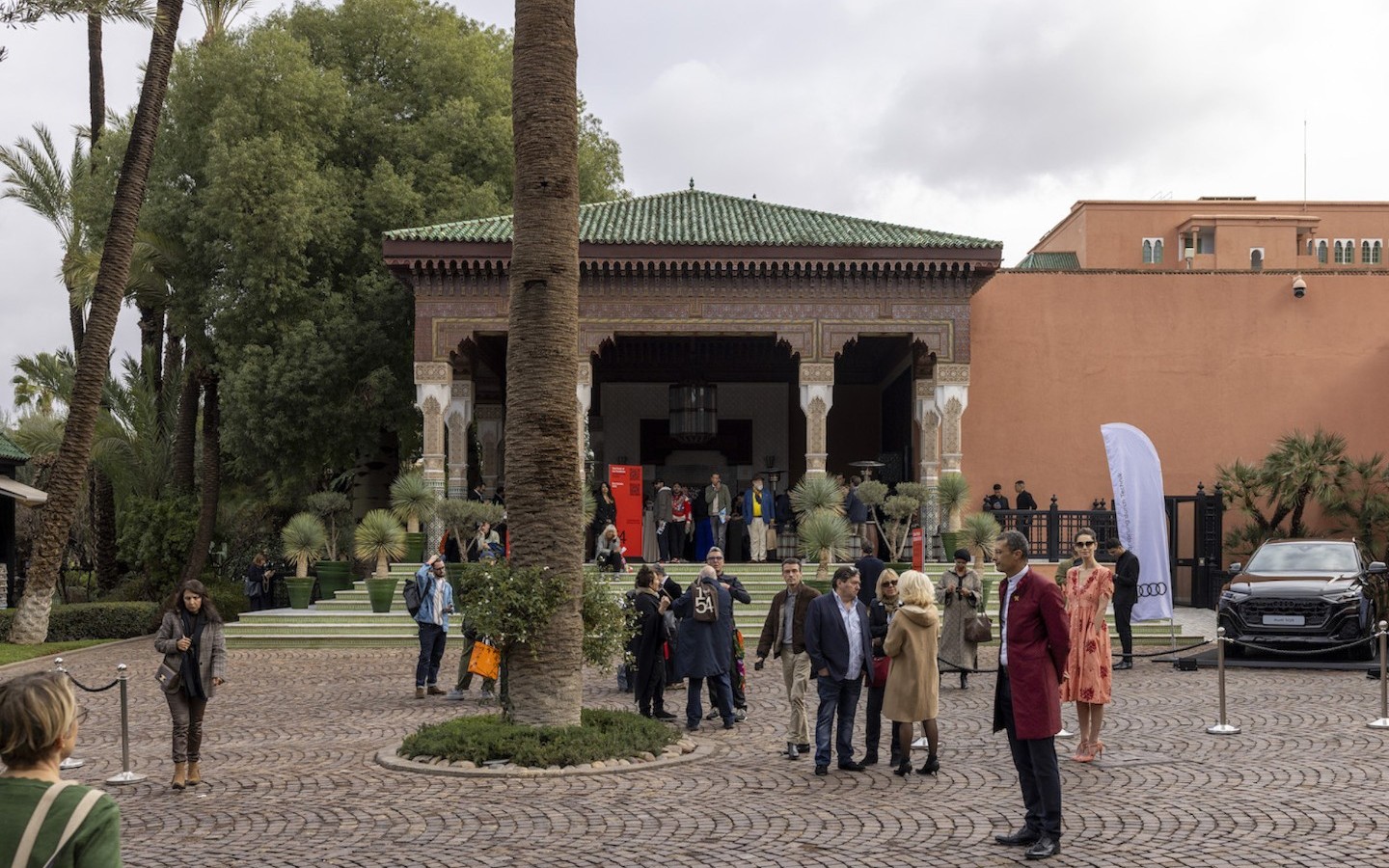
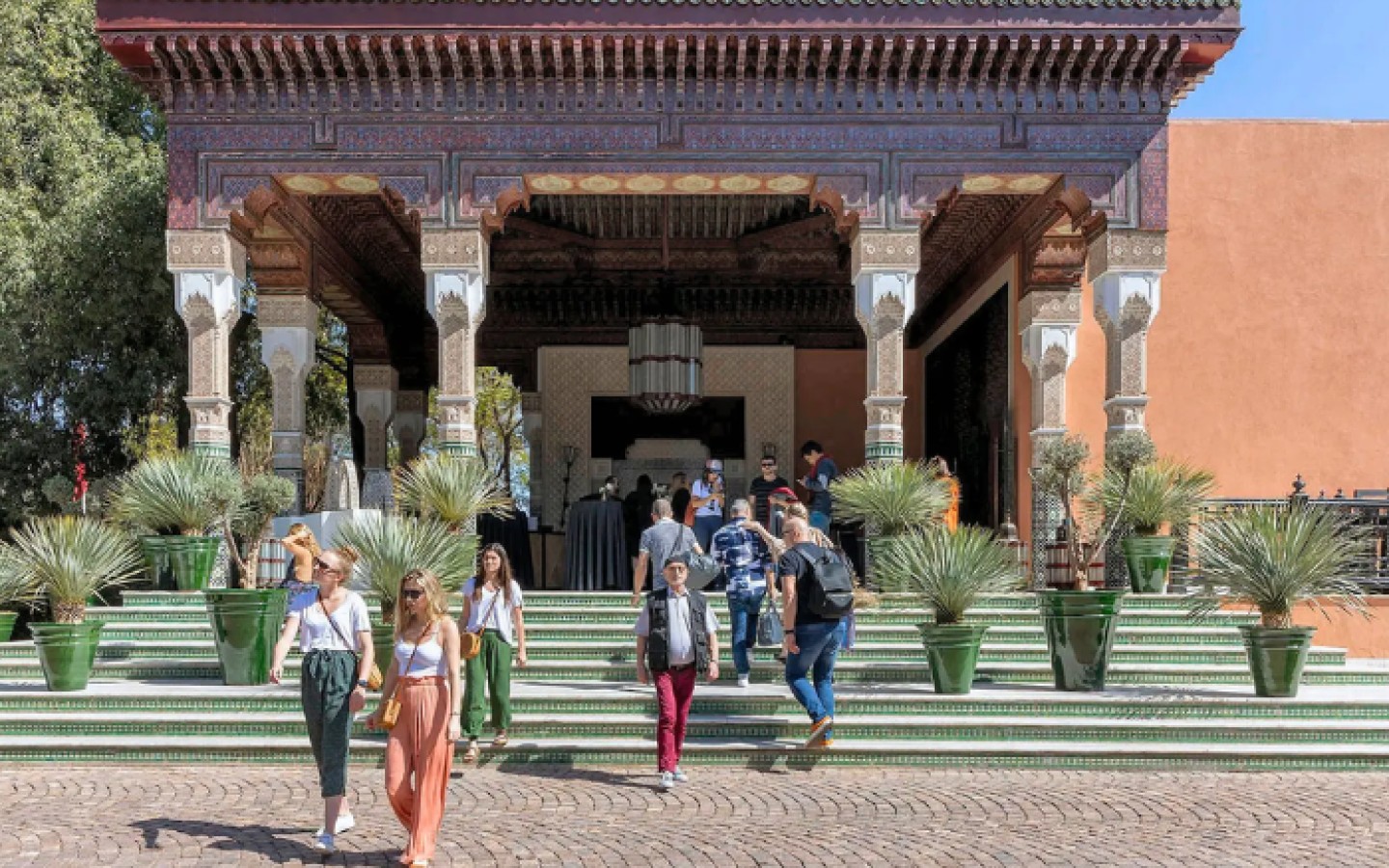
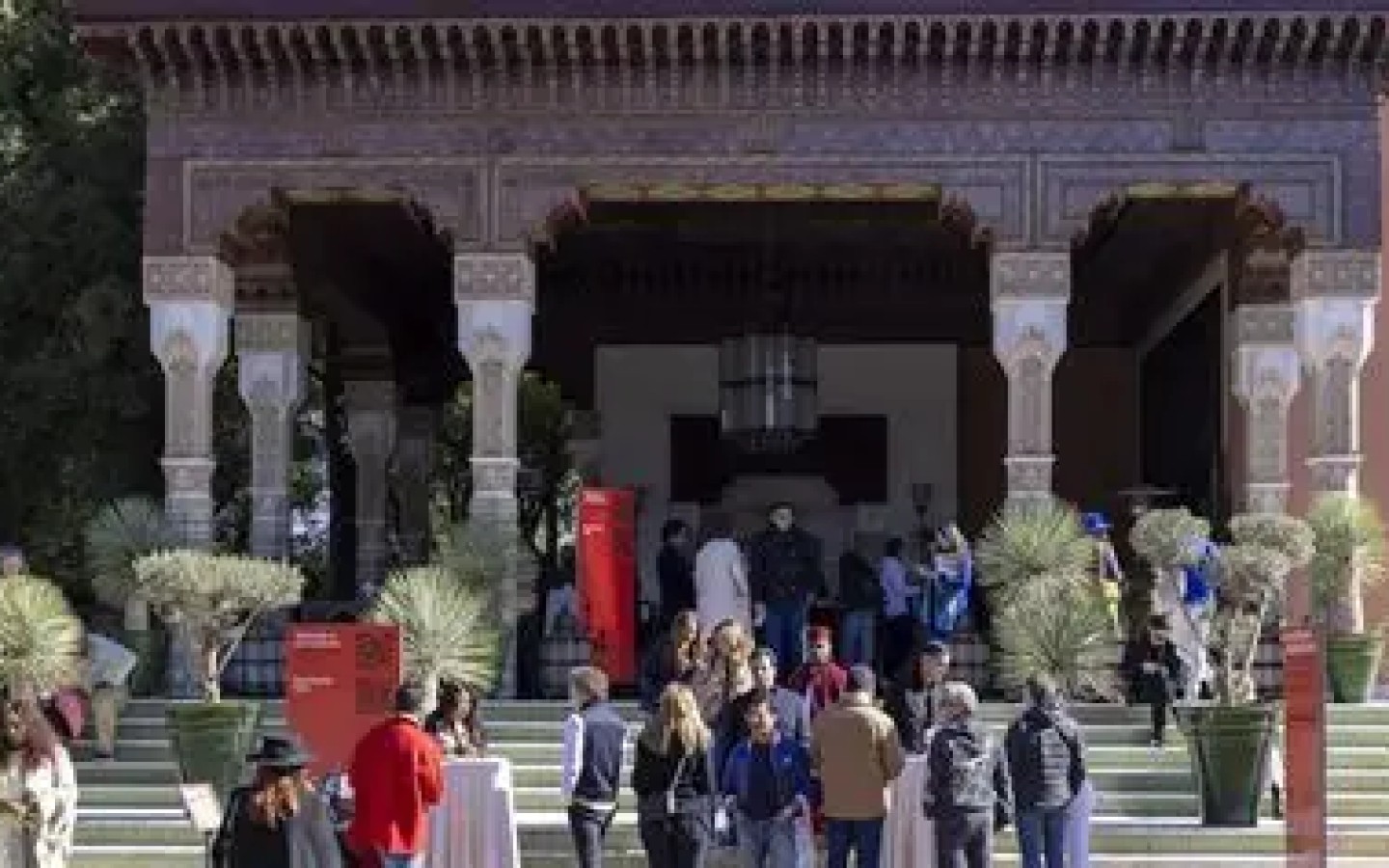
1-54 Marrakech 2027 takes place from 18 to 21 March at La Mamounia, one of Morocco’s most celebrated historic hotels.

The fair is part of the wider 1-54 Contemporary African Art Fair platform, which presents contemporary art from Africa and the African diaspora through editions in London, New York and Marrakech, as well as selected pop-up projects.

The Marrakech edition has become one of the most important art-market events in North Africa. It brings together galleries, artists, collectors, curators, museums, advisers and cultural travellers in a city shaped by African, Arab, Amazigh, Mediterranean and global cultural exchange.

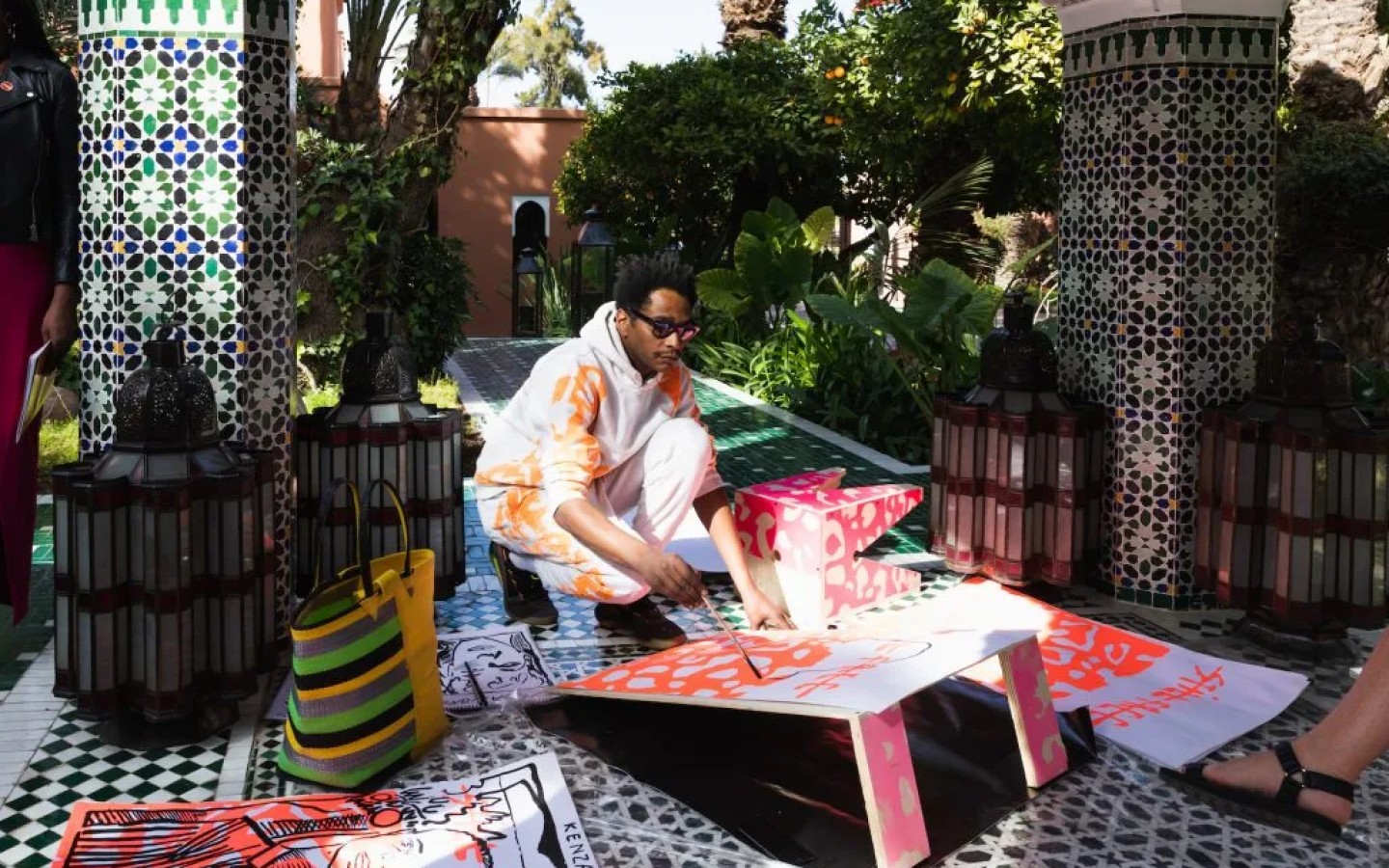
Visitors can expect painting, sculpture, photography, textiles, installation, works on paper, video, performance, talks and special projects across the fair and its wider Marrakech programme.

For ArtExpoWorld readers, 1-54 Marrakech 2027 is one of the strongest African art events of the year because it combines international visibility with a location deeply connected to the continent’s cultural geography.

1-54 Marrakech 2027 is scheduled as a four-day event.

The first two days, 18 and 19 March, are expected to serve as VIP and press preview days.

The public days are expected to take place on Saturday, 20 March and Sunday, 21 March.

The main venue is La Mamounia, a luxury hotel located near the historic medina and the Koutoubia Mosque.

The fair usually presents a carefully selected group of galleries working with artists from Africa and the African diaspora.

Compared with larger global fairs, the Marrakech edition is more intimate. This smaller scale can be a strength because visitors have more space for direct conversations with galleries and artists.

The fair’s public programme often extends beyond the main venue into museums, galleries, foundations and cultural spaces across Marrakech.

In previous editions, the citywide programme has connected the fair with institutions such as MACAAL, Musée Yves Saint Laurent Marrakech, Fondation Montresso, DaDa Marrakech, galleries in Guéliz and other cultural venues.

The final 2027 exhibitor list, public programme, talks, performances, ticket categories and opening hours will be announced closer to the fair.

1-54 Marrakech 2027 Event Overview

1-54 Marrakech 2027 – Contemporary African Art Fair in Morocco

The name 1-54 refers to the 54 countries that make up the African continent. This simple number carries the fair’s central message: contemporary African art cannot be reduced to one country, one style, or one story.

Dates:

18 March 2027 - 21 March 2027

Location:

La Mamounia, Avenue Bab Jdid, Marrakech, Morocco

Mission:

The mission of 1-54 Marrakech 2027 is to promote contemporary art from Africa and the African diaspora within an international art-market context. The fair creates visibility for galleries and artists whose work may still be underrepresented in mainstream European and North American narratives of contemporary art. It also supports market development across the continent by connecting African galleries with collectors, curators, museum professionals and art advisers from around the world. The Marrakech edition is especially important because it takes place on African soil. Instead of presenting African art only in London, Paris, New York or other global art capitals, 1-54 Marrakech allows collectors and institutions to encounter the work in a city that belongs to the continent’s own cultural geography. The fair’s mission is also educational. Through talks, performances, special projects and institutional partnerships, visitors can understand contemporary African art not as one category, but as a broad field shaped by many countries, languages, histories and artistic strategies.

Organizer:

1-54 Marrakech 2027 is organised by 1-54 Contemporary African Art Fair. The platform was founded by Touria El Glaoui and is dedicated to contemporary art from Africa and the African diaspora. Its editions in London, New York and Marrakech create regular meeting points between galleries, artists, collectors and cultural institutions. The fair’s name refers to the 54 countries of the African continent. The Marrakech edition is part of this international structure while maintaining a specific relationship with Morocco and North Africa. The final 2027 curatorial projects, partners, galleries, artists and public programme will be confirmed by the organiser closer to the fair

Why attend to 1-54 Marrakech 2027?

1-54 Marrakech 2027 is worth visiting because it offers one of the most focused opportunities to discover contemporary African and diasporic art in North Africa.

For collectors, the fair provides access to galleries and artists whose markets may still be developing internationally.

For curators and museum professionals, it offers a concentrated view of current practices across the continent and diaspora.

For new buyers, the smaller scale of the Marrakech edition may feel more approachable than larger international fairs.

For cultural travellers, the fair can be combined with museums, architecture, gardens, design, food and the wider atmosphere of Marrakech.

For artists and students, the event offers insight into how galleries present contemporary African art to international audiences.

The fair is especially valuable because it allows visitors to experience African art in an African city while still engaging with a global collector network.

Ticket Information

General admission costs

Ticket details for 1-54 Marrakech 2027 have not yet been fully confirmed by the organiser.

Public admission is expected for Saturday, 20 March and Sunday, 21 March.

VIP and press access is expected during the first two days, 18 and 19 March.

Visitors should wait for the official ticket release before purchasing admission.

Ticket conditions may differ between preview days, public days, talks, performances and partner events.

Some citywide exhibitions may be free, while others may require separate museum admission or registration.

Visitors should use the official fair ticketing system once it is published.

Getting There:

1-54 Marrakech 2027 takes place at La Mamounia on Avenue Bab Jdid.

The hotel is located near the historic medina and within reach of major landmarks such as Koutoubia Mosque and Jemaa el-Fnaa.

Marrakech Menara Airport is the main arrival point for international visitors.

The airport is relatively close to the city centre, and the journey to La Mamounia is usually short by taxi, private transfer or hotel car, depending on traffic.

Visitors already staying inside the medina may prefer to travel by taxi or walk if their accommodation is nearby and the route is familiar.

Those staying in Guéliz, Hivernage or Palmeraie should plan transport in advance, especially for evening events.

Marrakech also has a railway station with connections to Casablanca, Rabat and other Moroccan cities.

Visitors arriving from Casablanca Mohammed V International Airport can continue by train, private car or domestic connection.

Accommodation

Hivernage is one of the most convenient areas for visitors attending 1-54 Marrakech.

It offers hotels, restaurants and quick access to La Mamounia.

The medina is ideal for travellers who want historic architecture, riads, souks and a more atmospheric Marrakech experience.

Guéliz is practical for galleries, restaurants, cafés and a more modern urban environment.

Palmeraie offers resort-style accommodation but requires longer transfers to the fair and city centre.

Kasbah and Sidi Mimoun can provide good access to the medina and La Mamounia, depending on the exact location.

Visitors planning a heavy schedule of gallery openings and public events should choose accommodation based on both comfort and transport.

A beautiful riad is not always practical if it is difficult for taxis to access late at night.

Marrakech Art Highlights

Visitors should use 1-54 as a starting point for exploring Marrakech’s wider art scene.

MACAAL is one of the city’s most important contemporary art institutions and often presents exhibitions connected with African art and visual culture.

Musée Yves Saint Laurent Marrakech offers a different perspective through fashion, design, archives and modern cultural history.

Jardin Majorelle provides one of the city’s most recognisable visual environments, connecting architecture, colour, garden design and artistic heritage.

DaDa Marrakech has become an important contemporary art and cultural space near the medina.

Guéliz contains several galleries and design spaces that may organise exhibitions during fair week.

Fondation Montresso and the Jardin Rouge residency programme are also important for visitors interested in artists working in and around Marrakech.

The best trip combines the fair, museums, galleries and the city’s everyday visual culture.

Gallery: 1-54 Marrakech 2027

Secure Your Spot at 1-54 Marrakech 2027 — Before It's Too Late

Tickets are limited and sell out fast.
Get instant access to the 1-54 Marrakech 2027 registration page and be the first to know about exclusive events, VIP passes, and travel perks.

Early access. Limited availability. Global art at your fingertips.

History & Context of a 1-54 Marrakech 2027

1-54 Contemporary African Art Fair was founded in 2013 by Touria El Glaoui.

The name refers to the 54 countries of the African continent.

The first edition took place in London, establishing a dedicated international platform for contemporary African art at a time when the market and institutional recognition of artists from Africa and the diaspora were rapidly expanding.

The fair later developed editions in New York and Marrakech, creating a triangular structure between Europe, North America, and Africa.

1-54 Marrakech launched in 2018 and quickly became a key meeting point for artists, galleries, and collectors interested in North African and broader African contemporary art.

Marrakech provides a meaningful setting for this project.

The city has long been a point of encounter between Sub-Saharan Africa, North Africa, Europe, and the Middle East.

Its cultural identity is shaped by craft, architecture, oral traditions, gardens, trade, music, tourism, design, and contemporary visual art.

In recent years, Marrakech has also strengthened its position as an art destination through museums, foundations, galleries, residencies, and cultural festivals.

1-54 Marrakech contributes to this ecosystem by bringing international attention to the city while also connecting Moroccan galleries and artists with a wider art-world audience.

Why Marrakech Matters

Marrakech is not simply a scenic backdrop for the fair.

The city changes the way the event is experienced.

Visitors move between La Mamounia, the medina, Guéliz, museum spaces, private foundations, gardens, restaurants, and historic architecture.

This creates a fair week that feels different from a conventional exhibition-centre event.

Moroccan contemporary art is also central to the experience.

Artists and galleries from Morocco have often played a strong role in the Marrakech edition, creating dialogue between local production and broader African and diasporic practices.

The city’s craft traditions are also relevant.

Textiles, metalwork, ceramics, woodwork, architecture, pigments, and decorative systems form part of Marrakech’s visual environment.

Contemporary artists may respond to these traditions directly, critically, or indirectly through material, form, and memory.

For visitors, the strongest experience is often found in the combination of fair booths, institutional exhibitions, and the city itself.

What Visitors Can Expect

Visitors to 1-54 Marrakech 2027 can expect a compact but high-level presentation of contemporary art.

The fair may include galleries from Morocco, Tunisia, Nigeria, Ghana, Côte d’Ivoire, South Africa, Egypt, Kenya, and other countries, as well as galleries based in Europe or North America that represent African and diasporic artists.

Painting is often a strong part of the fair, including figurative work, abstraction, portraiture, and mixed-media approaches.

Photography may appear through documentary, staged, archival, or conceptual practices.

Sculpture and installation can include wood, textile, metal, ceramics, found objects, and experimental materials.

Textile work is particularly important within many African and diasporic artistic practices, where fabric can carry histories of trade, migration, gender, labour, ceremony, and personal identity.

The fair may also include video, performance, and special projects that cannot be reduced to conventional booth displays.

The final artistic direction will depend on the 2027 gallery list and public programme.

Galleries, Artists and the Diaspora

The strength of 1-54 is that it does not treat African art as one uniform category.

The fair brings together artists working from different positions: those based on the continent, those living in diaspora communities, and those whose biographies connect several countries and cultural histories.

This matters because contemporary African art is not defined only by geography.

It can involve migration, memory, colonial histories, language, family archives, urban life, ecology, spirituality, political struggle, abstraction, digital culture, and material experimentation.

A Moroccan artist working in Marrakech, a Nigerian artist based in London, a South African artist represented by a European gallery, and a Caribbean artist exploring African diasporic memory may all appear within the same fair.

The visitor’s task is not to look for one single African style.

The real value is in seeing difference, contradiction, and complexity.

Public Programme

The public programme is one of the most important parts of 1-54 Marrakech.

Beyond gallery booths, the fair often includes talks, performances, screenings, conversations, institutional exhibitions, and special events across the city.

These programmes help visitors understand the context around the artworks.

Collectors can learn about artistic practice, market development, and institutional collecting.

Students and younger visitors can encounter artists, curators, and thinkers directly.

Cultural travellers can use the programme as a route through Marrakech’s contemporary art scene.

The final 2027 public programme has not yet been announced.

Visitors should check the schedule closer to March and plan their trip around both the fair and citywide exhibitions.

Some events may require registration or invitation, while others may be open to the public.

Tips for Visitors of 1-54 Marrakech 2027

Confirm the official opening hours before travelling.

The public days are expected to be 20 and 21 March, while 18 and 19 March are likely to focus on VIP and press access.

Book accommodation early. Marrakech is a popular destination, and fair week can increase demand for hotels and riads.

Allow at least two hours for the main fair at La Mamounia.

Serious collectors should allow more time for gallery conversations and repeat visits.

Check the citywide programme before arriving.

Some of the strongest experiences may take place outside La Mamounia in galleries, museums, foundations and public spaces.

Do not rush between booths looking only for famous names.

1-54 is valuable because it allows discovery.

Ask galleries about the artist’s background, materials, exhibition history, price, provenance, framing and shipping.

For photography and prints, confirm the edition size, printing process and certificate details.

For works that will be shipped internationally, ask about packing, customs documents and insurance before completing the purchase.

Tips from the ArtExpoWorld

Do not treat 1-54 Marrakech as only a luxury art fair inside a famous hotel.

The real value is the dialogue between the fair and the city.

Spend time with Moroccan galleries, North African artists and the public programme. That is where the Marrakech edition becomes different from London or New York.

A strong visit should include La Mamounia, at least one museum, several gallery exhibitions and time in the city itself.

Be the First to Access Official "1-54 Marrakech 2027" Tickets

Don’t miss your chance to attend one of the world’s leading art fairs. Get direct access to the official ticketing page, exclusive updates, and important visitor information.

Early access. Limited availability. Global art at your fingertips.

Editor’s Note

1-54 Marrakech 2027 matters because it places contemporary African art within an African city that already carries deep histories of exchange, craft, migration, and visual culture.

For ArtExpoWorld, the fair’s strength is its scale. It is international enough to attract serious collectors and curators, but compact enough to allow genuine discovery.

Marrakech gives the event its energy. The city makes it impossible to see art as something isolated from architecture, material culture, hospitality, trade, and memory.

1-54 Marrakech 2027 is essential for collectors, curators, and cultural travellers who want to understand contemporary African art through both the market and the place where the encounter happens.

Current and Upcoming Art Expos