









Sightseeing in Kaliningrad: The Ultimate Must-See List
Kaliningrad is one of Russia’s most unique city destinations, shaped by Baltic geography, medieval Prussian history, Soviet reconstruction, and contemporary cultural life. Sightseeing in Kaliningrad reveals a place where Gothic brick architecture, defensive towers, modern museums, broad avenues, and waterfront districts coexist within the same urban landscape. Known as Königsberg until 1946, the city still preserves fragments of its earlier identity in churches, gates, villas, and fortifications.
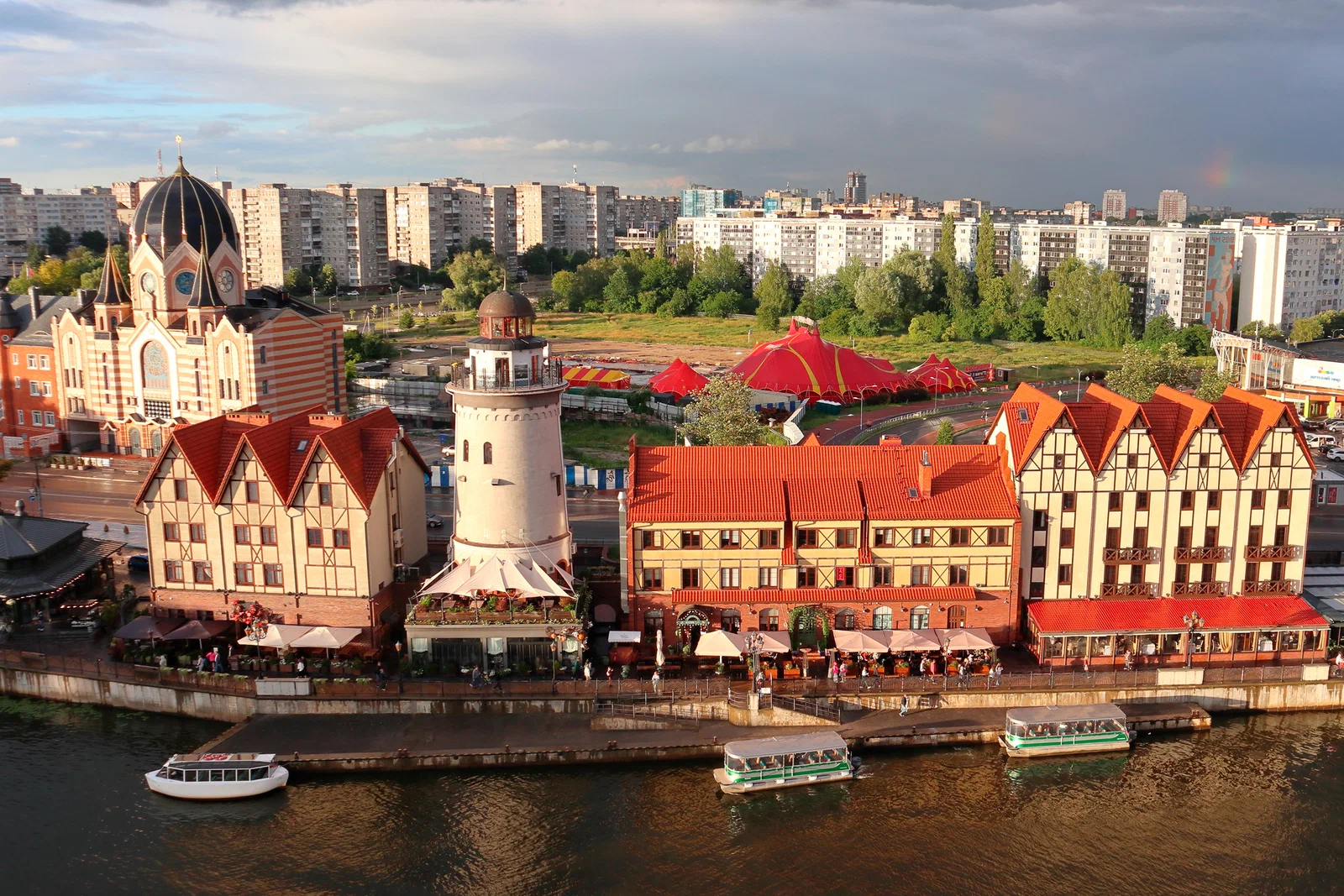
A well-planned itinerary should combine Kant Island, maritime heritage, amber collections, historic neighborhoods, and the nearby Baltic coast. Sightseeing in Kaliningrad is especially rewarding for travelers interested in architecture, museums, urban history, and destinations that cannot be understood through a single historical period alone.
Königsberg Cathedral and Kant Island – The Historic Heart
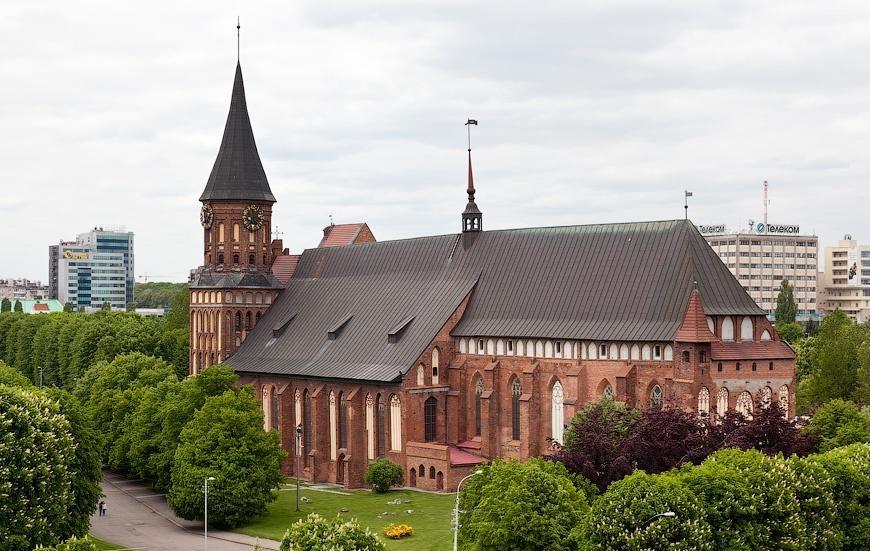
Königsberg Cathedral is the city’s most recognizable historic landmark. The Gothic brick building stands on Kant Island, once part of the medieval center of Königsberg. Its restored exterior, riverside setting, and tower create one of Kaliningrad’s most memorable views.
The cathedral serves as a cultural venue with museum displays and organ concerts. Beside it stands the tomb of philosopher Immanuel Kant, whose life and work remain closely connected with the city. The surrounding park offers lawns, bridges, walking paths, and views toward the reconstructed Fish Village district.
Visitors should walk around the entire island rather than treating the cathedral as a brief stop. Different viewpoints show how the building relates to the Pregolya River and the modern skyline. Evening light is particularly atmospheric, when the cathedral and embankments reflect on the water.
This district belongs on every Must-See Kaliningrad route because it brings together architecture, philosophy, music, and urban memory within one compact area.
Why visit:
To experience the city’s defining historic monument, Kant’s legacy, riverside scenery, and one of its strongest cultural symbols.
Museum of the World Ocean – Maritime Culture and City Identity
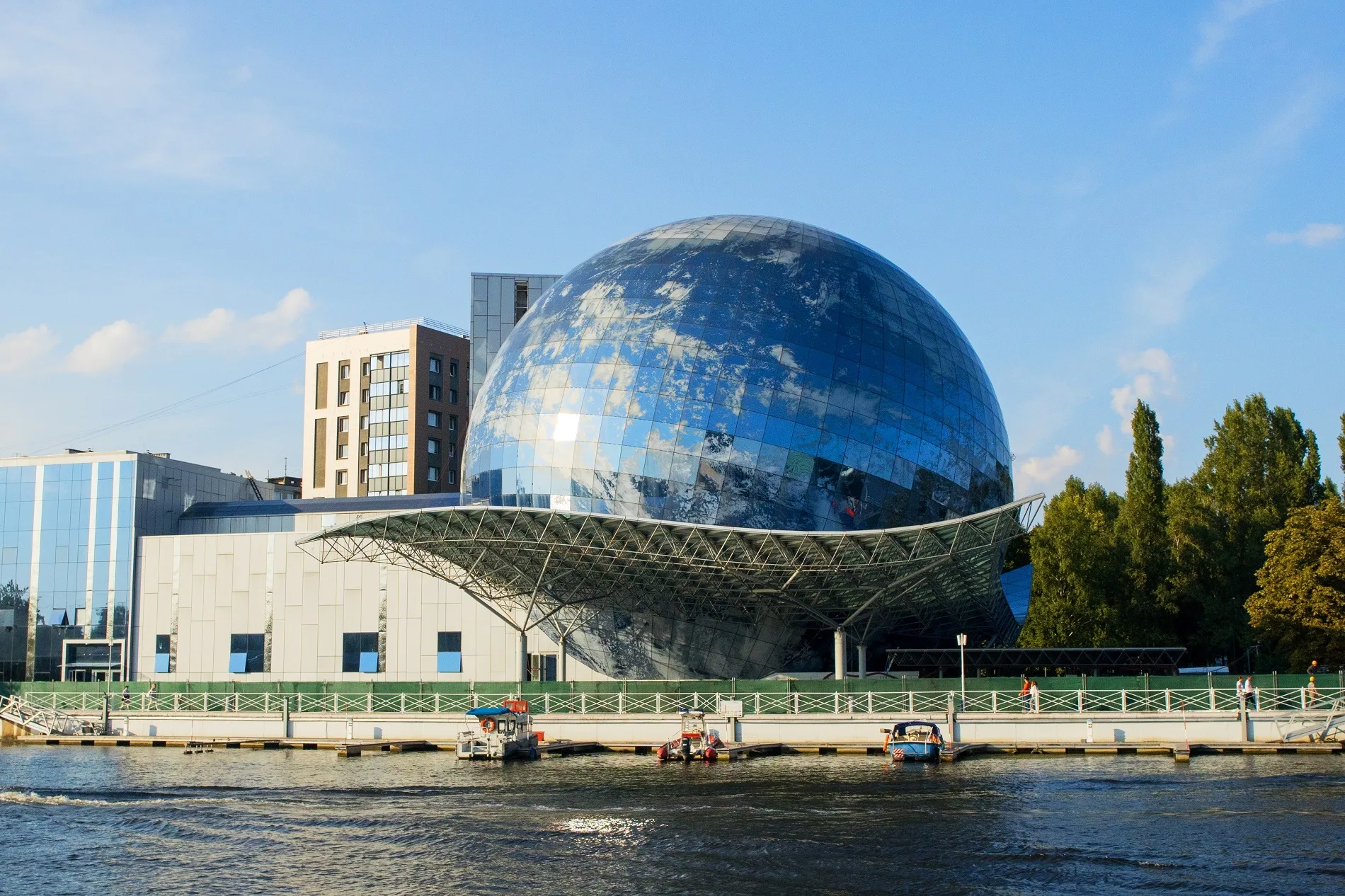
The Museum of the World Ocean is one of Kaliningrad’s most distinctive institutions. Its exhibitions explore navigation, marine science, ocean ecosystems, shipbuilding, exploration, and the history of maritime research. The complex extends along the river and includes exhibition halls, outdoor displays, and historic vessels open to visitors.
Ship interiors, scientific instruments, maps, models, and technical objects turn maritime history into a physical experience. The museum is valuable for families, engineering enthusiasts, and anyone interested in how people study and navigate the oceans.
Its riverside location makes it easy to combine with Kant Island. A longer route can continue along the embankment, offering views of bridges, vessels, and changing waterfront architecture.
For ArtExpoWorld readers, the museum is especially interesting because industrial structures and ships become part of the city’s visual culture. It is a major Sightseeing Kaliningrad destination and an essential place for understanding the region’s connection with the Baltic Sea.
Why visit:
To explore historic vessels, marine science, engineering, exploration, and Kaliningrad’s maritime character.
Amber Museum and Königsberg Fortifications
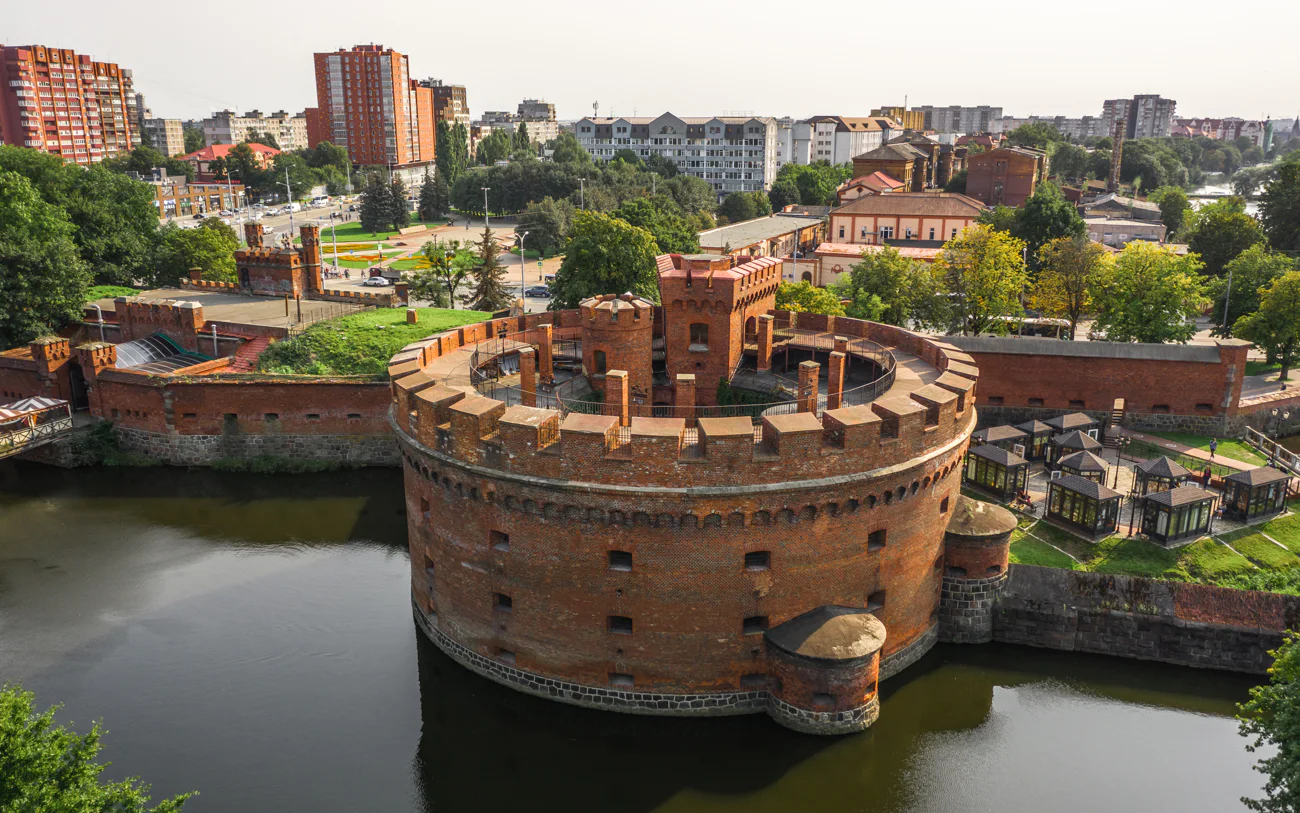
The Kaliningrad Amber Museum occupies the nineteenth-century Dohna Tower, part of the former defensive system of Königsberg. The location connects two central themes of the region: Baltic amber and military architecture. Exhibitions examine the origins of amber, extraction and processing, archaeological finds, jewelry, decorative objects, and works by modern artists.
Visitors can compare raw pieces, natural inclusions, historic craftsmanship, and contemporary design. The museum shows that amber is more than a souvenir.
It is a material connected with geology, trade, mythology, and artistic experimentation.
The tower stands near the Upper Pond and can be included in a pleasant walking route. Nearby gates and defensive structures reveal the scale of the former fortified city. The Rossgarten Gate, King’s Gate, Brandenburg Gate, and surviving sections of the defensive ring represent different stages of Königsberg’s architectural history.
Fort No. 5 and Fort No. 11 add another dimension for visitors interested in military heritage, although they require additional travel time from the center. Together, the gates, towers, and forts show that the historic city survives as a network of fragments rather than as one preserved old town.
Why visit:
To discover Baltic amber, historic craftsmanship, fortified architecture, and one of Russia’s most unusual museum settings.
Amalienau, Fish Village, and Baltic Day Trips
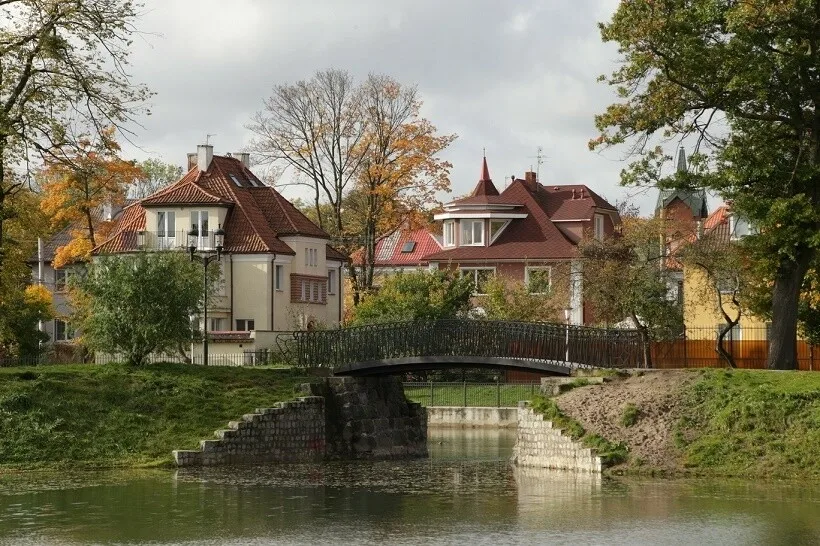
Amalienau is one of the best districts for exploring the residential architecture of old Königsberg. The neighborhood is known for curving streets, mature trees, and villas built in varied European styles. Some houses have been carefully restored, while others retain visible traces of age and changing use. Walking here rewards attention to roofs, doors, windows, gardens, and decorative façades.
Fish Village presents a modern interpretation of historic architecture. Its riverside buildings, cafés, viewing tower, and pedestrian paths make it a popular continuation of a Kant Island walk. Although the district is reconstructed rather than medieval, it creates accessible public space and postcard views of the cathedral.
Other useful stops include Victory Square, the Regional Museum of History and Art, and the Central Market.
Kaliningrad also works well as a base for coastal excursions. Zelenogradsk and Svetlogorsk offer seaside promenades and resort architecture, while the Curonian Spit is known for dunes, forests, beaches, and protected landscapes. These trips add a valuable natural dimension without replacing time in the city itself.
Why visit:
To see historic villas, waterfront architecture, everyday city life, and the wider Baltic landscape surrounding Kaliningrad.
Why Kaliningrad Feels Different
Kaliningrad does not fit neatly into a single architectural or historical category. Medieval foundations, Prussian buildings, Soviet planning, modern reconstruction, and Baltic nature overlap throughout the city. This complexity sets it apart from Moscow, Saint Petersburg, Kazan, and the cities of the Golden Ring.
Two or three days allow visitors to explore without rushing. One day can focus on Kant Island and the Museum of the World Ocean, another on the Amber Museum, gates, and Amalienau. Additional time can be used for forts or the Baltic coast.
ArtExpoWorld Editorial View
Kaliningrad is shaped as much by absence as by preservation. Much of historic Königsberg was destroyed or transformed, yet fragments of its architecture and intellectual heritage continue to influence the modern city. The cathedral, gates, towers, villas, ships, and amber collections act as cultural anchors within a landscape repeatedly rebuilt.
For ArtExpoWorld readers, the city demonstrates how museums and architecture can interpret difficult historical change without creating a perfectly preserved past. Its value lies in the dialogue between surviving structures, Soviet-era development, Baltic geography, and contemporary attempts to define a regional identity.
Travelers who approach Kaliningrad with curiosity will find a destination rich in visual contrasts, maritime culture, architectural fragments, and unusual artistic materials.