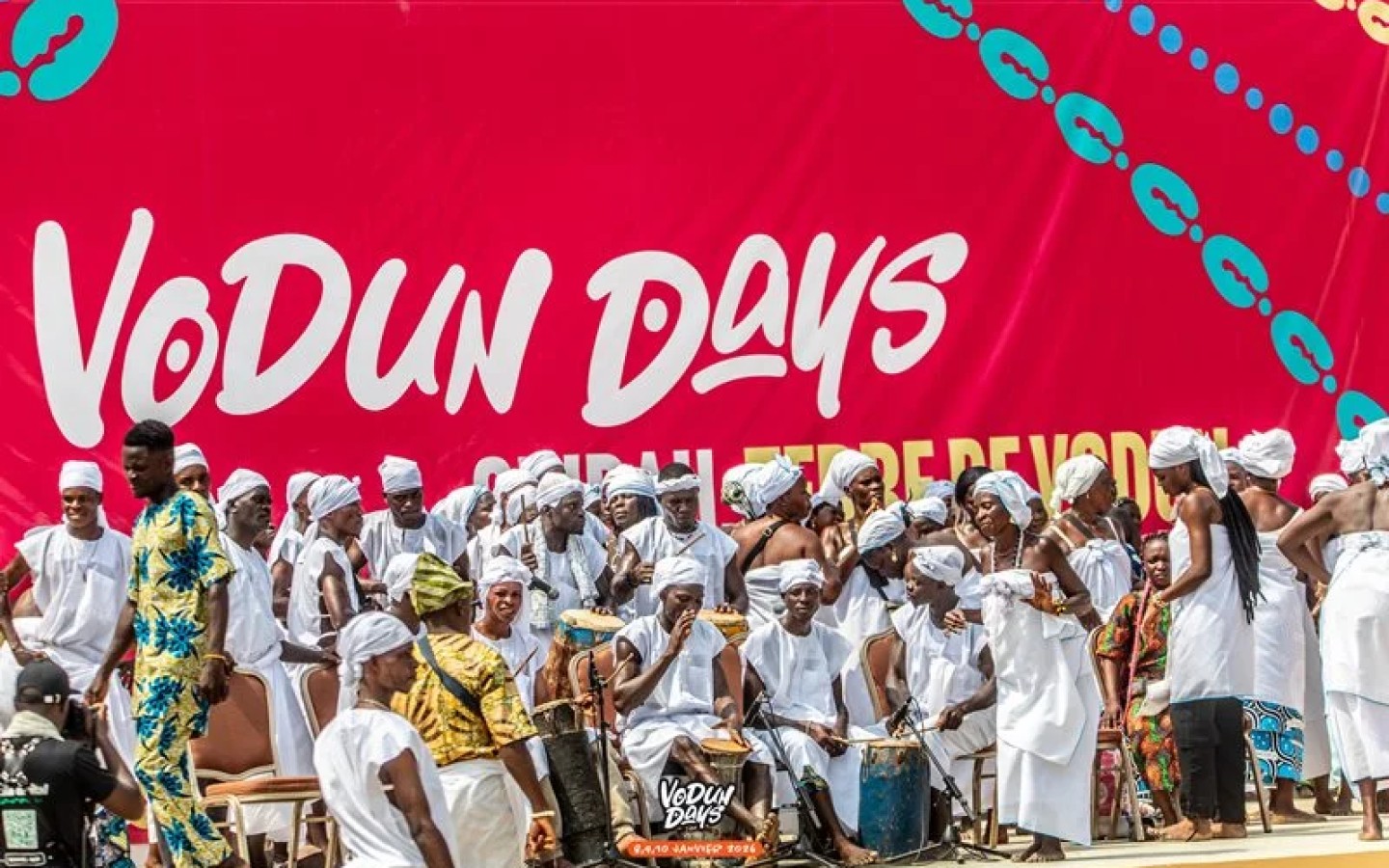
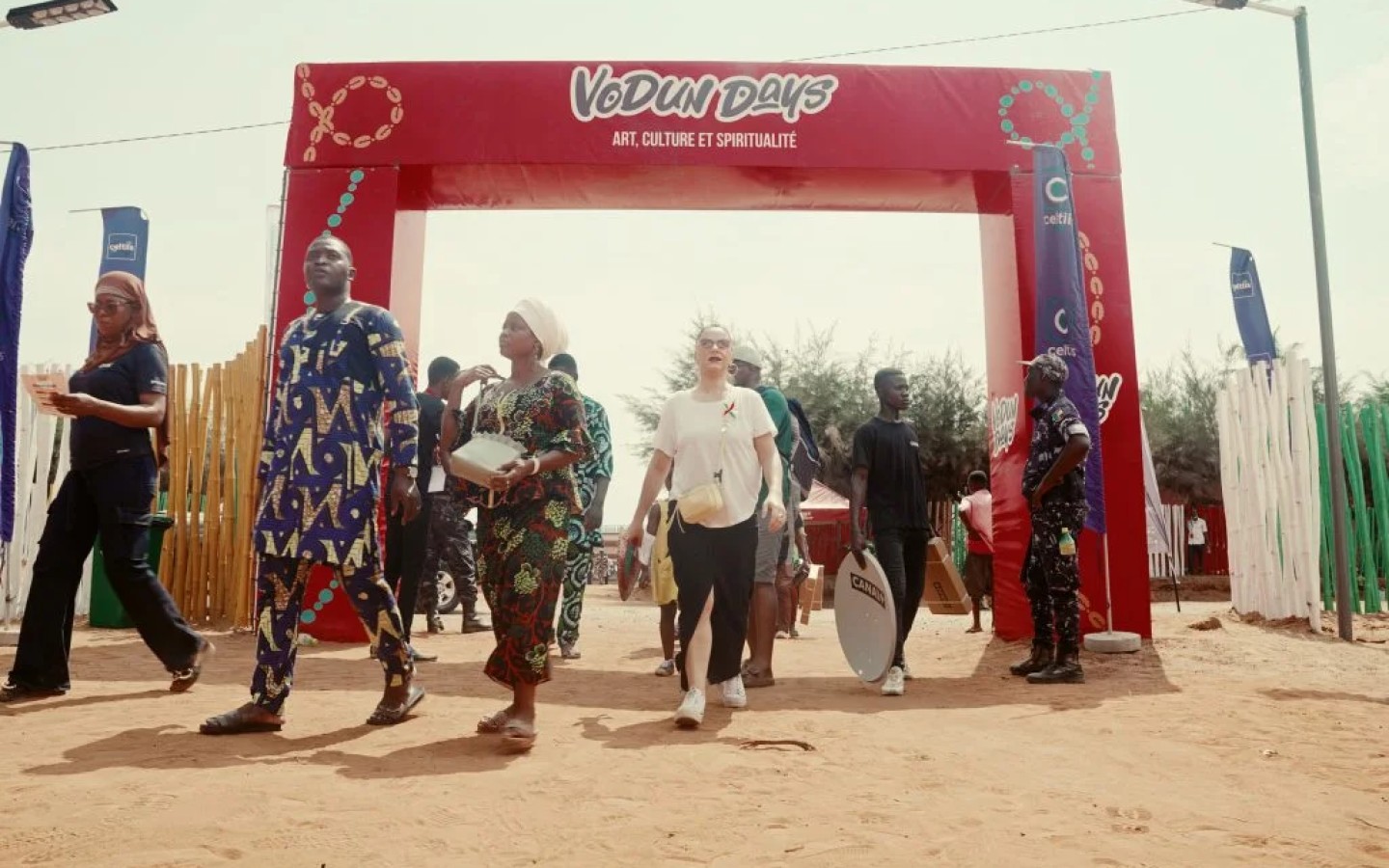
Benin is widely recognised as one of the historic centres of Vodun.
Vodun traditions developed across parts of West Africa and spread throughout the Atlantic world through slavery, migration and cultural survival.
Related religious and spiritual traditions later emerged in the Caribbean, Brazil, Haiti, Cuba and other parts of the African diaspora.
Ouidah holds a particularly significant place in this history.
The city was a major port during the transatlantic slave trade and remains connected with memory, spirituality, return and diasporic identity.
The Route des Esclaves, or Slave Route, leads from the historic city toward the Atlantic and the Door of No Return.
This history makes Ouidah a place of both trauma and cultural continuity.
Vodun Days is therefore inseparable from the city’s past.
It takes place in a landscape where spiritual heritage, colonial history, forced displacement, return tourism and contemporary national identity are deeply intertwined.
Benin officially recognises Vodun as an important part of national culture, and the annual January celebrations have become a major cultural event for residents, pilgrims, artists, researchers and visitors.
Ouidah as the Festival City
Ouidah is central to the meaning of Vodun Days.
The city is not just a convenient host location. Its temples, squares, coastal spaces, museums, historic routes and sacred sites form part of the festival’s cultural framework.
Visitors may encounter ceremonies and performances in different parts of the city.
The festival atmosphere can extend beyond formal stages into streets, neighbourhoods, markets and public gathering places.
Ouidah’s scale also matters.
It is smaller than Cotonou, allowing visitors to experience a stronger connection between event, city and community.
The Atlantic coastline adds an additional symbolic layer to the festival.
The sea is linked with memory, departure, return, diaspora and spiritual geography.
For visitors interested in art and culture, Ouidah should be explored slowly.
The city’s museums, sacred sites, colonial-era architecture, local communities and coastal landscape all help explain why Vodun Days belongs here.
Main Cultural Highlights
The 2027 programme will be confirmed in detail closer to the event, but the official festival structure includes several recurring highlights.
The Great Vodun Ceremony
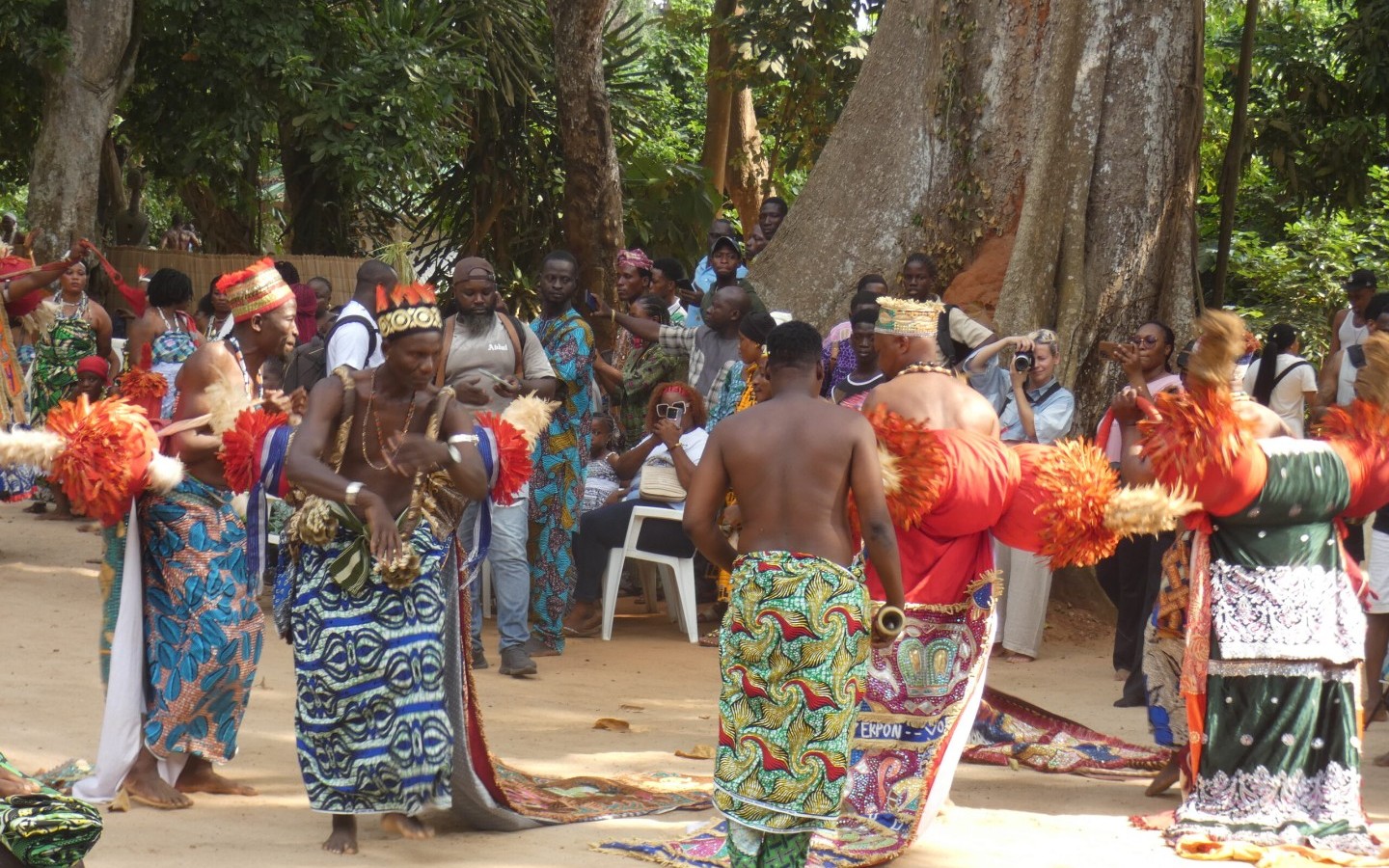
This is one of the central moments of Vodun Days. It brings together dignitaries, spiritual authorities and communities in a major public ceremony honouring Vodun culture and spirituality.
Zangbéto Appearances
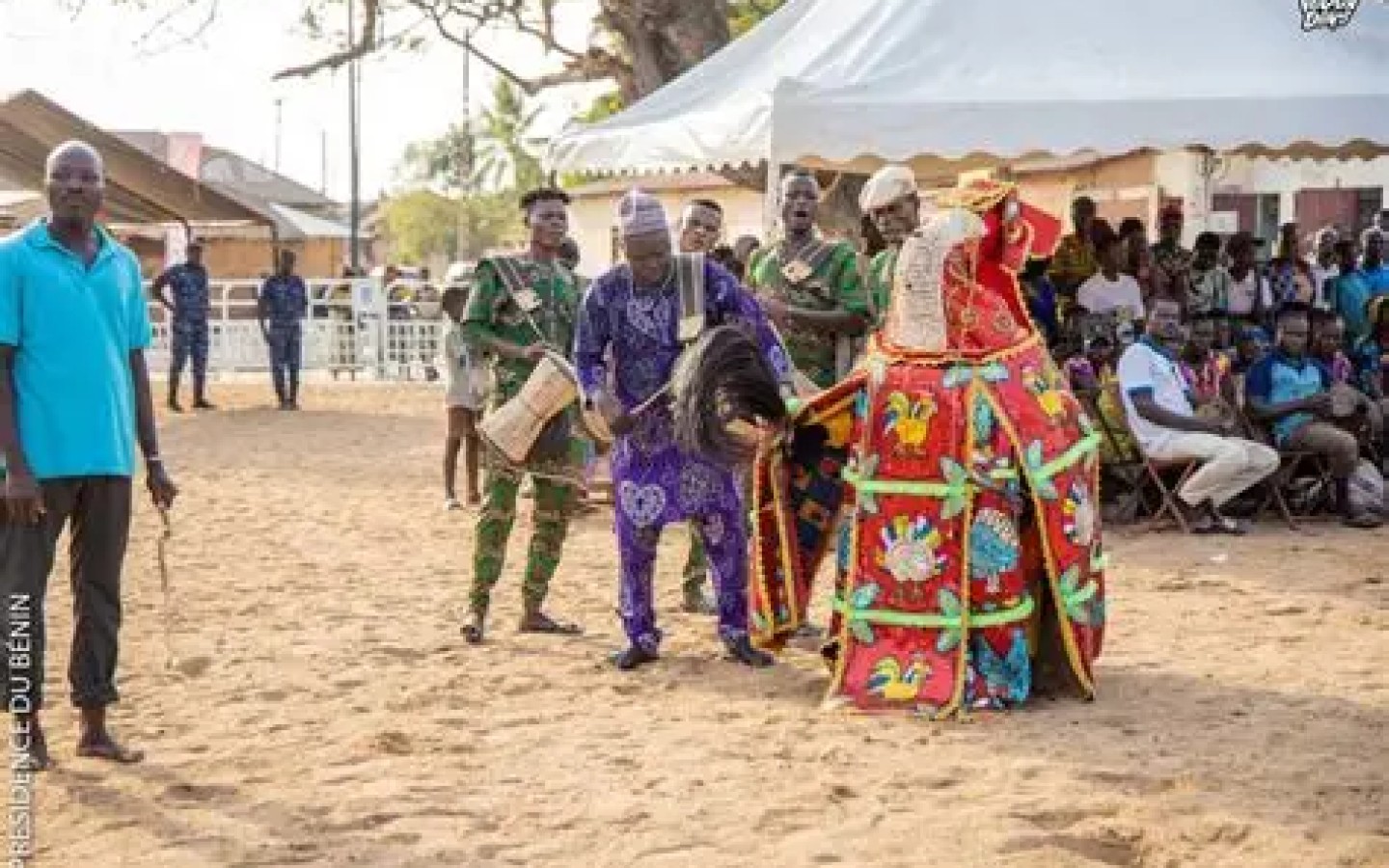
Zangbétos are among the most visually striking traditions visitors may encounter. Their presence combines movement, costume, rhythm, spiritual meaning and communal attention.
Egungun Appearances
Egungun traditions connect masking, ancestry and performance. Their public appearances are deeply rooted in spiritual and cultural systems.
Vodun Hounvè Dances
These dances are connected with Vodun practice and temple culture. They bring rhythm, movement and ceremony into public view.
Processions from Vodun Temples
Faithful participants move through the city from Vodun temples, making the urban space itself part of the festival.
Traditional Music and Concerts
The arts scene includes traditional music and large open-air concerts on the seafront. These events connect heritage practices with wider public celebration.