Bamako Encounters was founded in 1994 and has become the leading African biennale dedicated to photography.
It was established in Bamako, a city with deep connections to West African image-making, studio photography, and post-independence visual culture.
The biennale helped bring international attention to major African photographers while also creating a professional meeting point for artists, curators, critics, and institutions.
Over the years, Bamako Encounters has presented work by photographers and visual artists from across the continent and diaspora.
Its importance lies not only in exhibition-making but also in intellectual and professional exchange.
The event has played a central role in changing how African photography is discussed globally.
Rather than treating photography as a simple record of social life, the biennale presents it as a complex artistic language capable of abstraction, fiction, research, critique, and experimentation.
Mali itself has a major place in African photographic history.
Figures such as Seydou Keïta and Malick Sidibé helped shape the international understanding of West African studio photography.
Their images showed everyday elegance, modern identity, youth culture, fashion, and social change in ways that challenged foreign stereotypes.
Bamako Encounters continues this legacy while expanding the field into contemporary, digital, performative, and interdisciplinary practices.
Official Selection
The official selection of the 15th edition includes 49 artists.
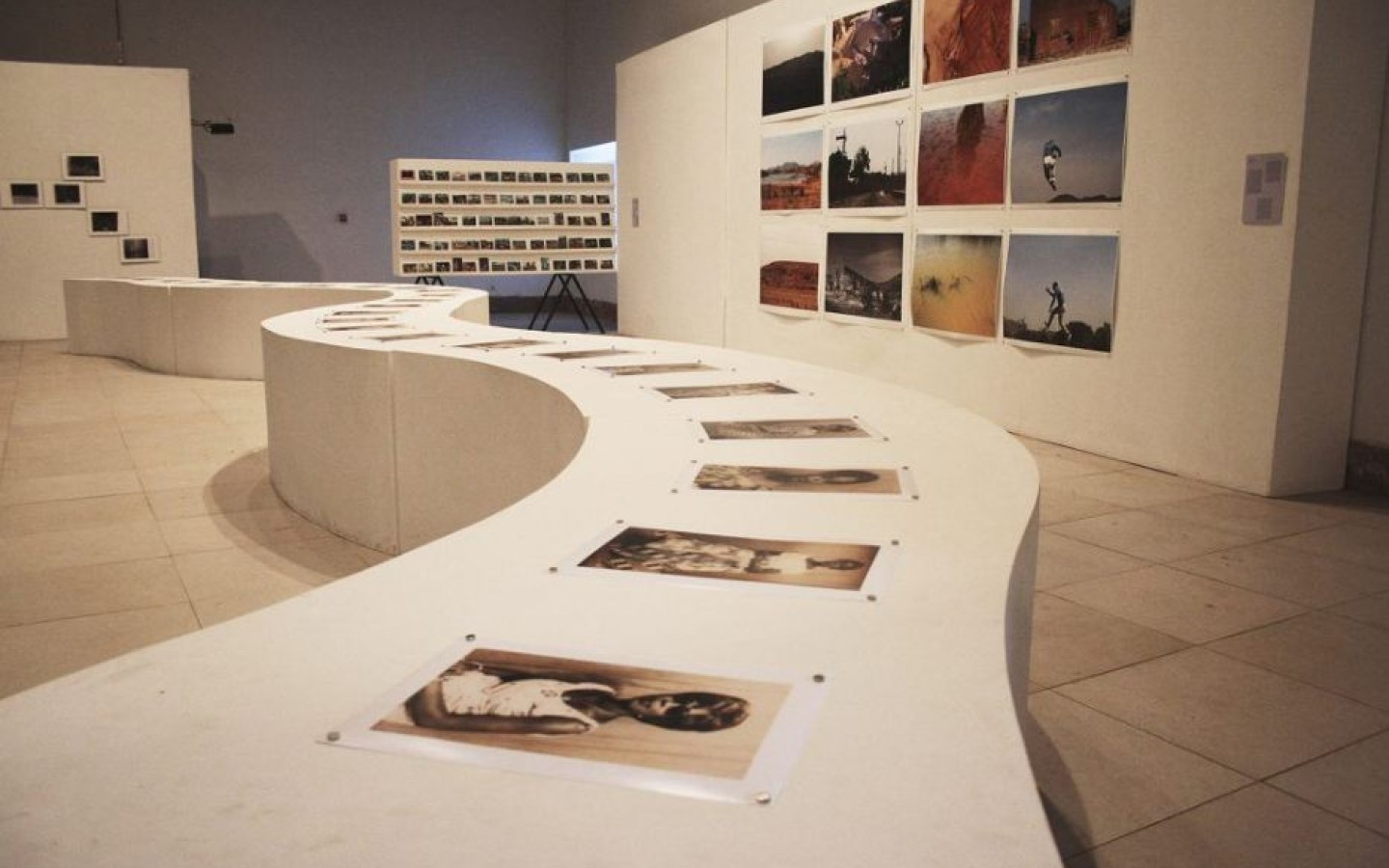
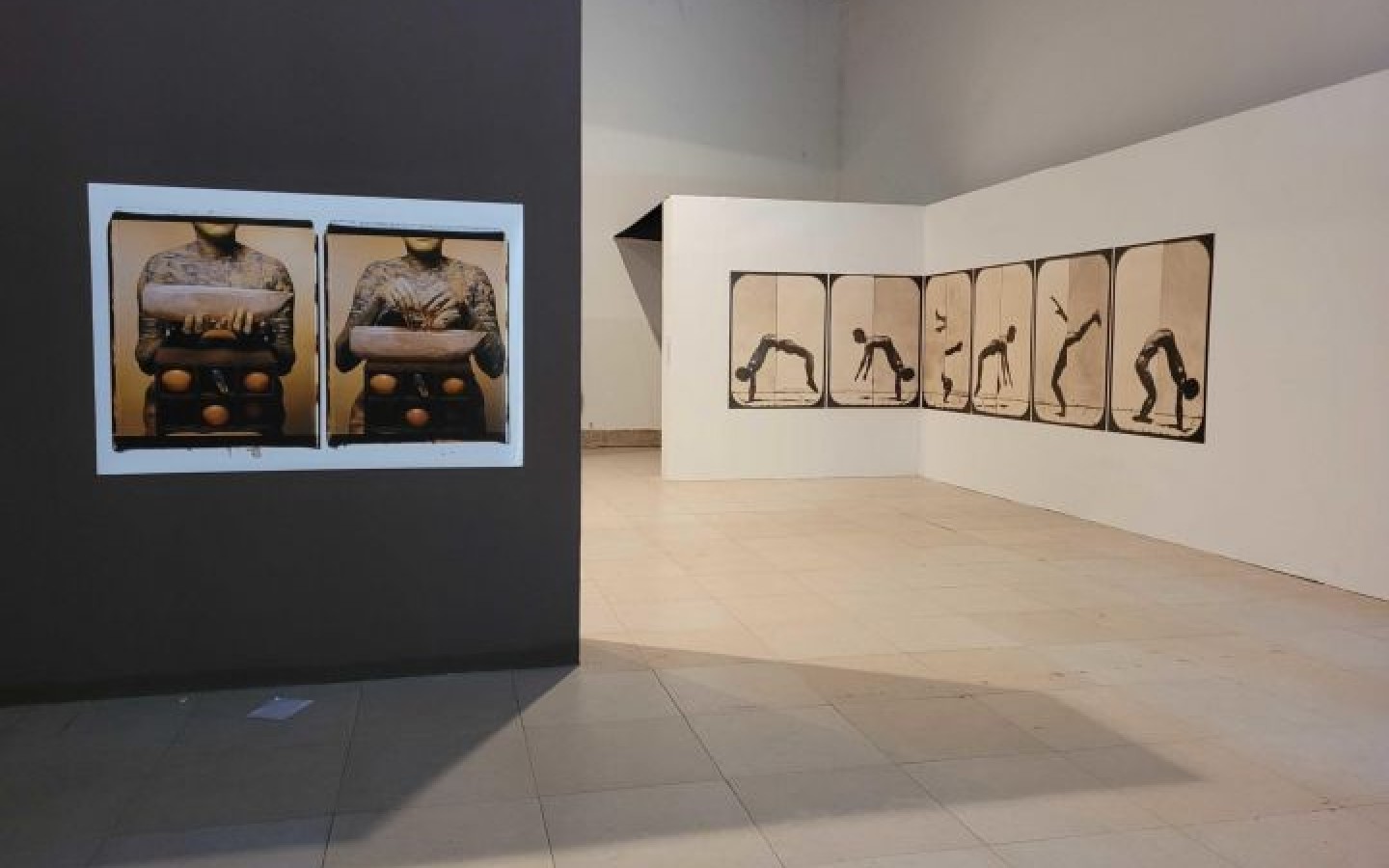
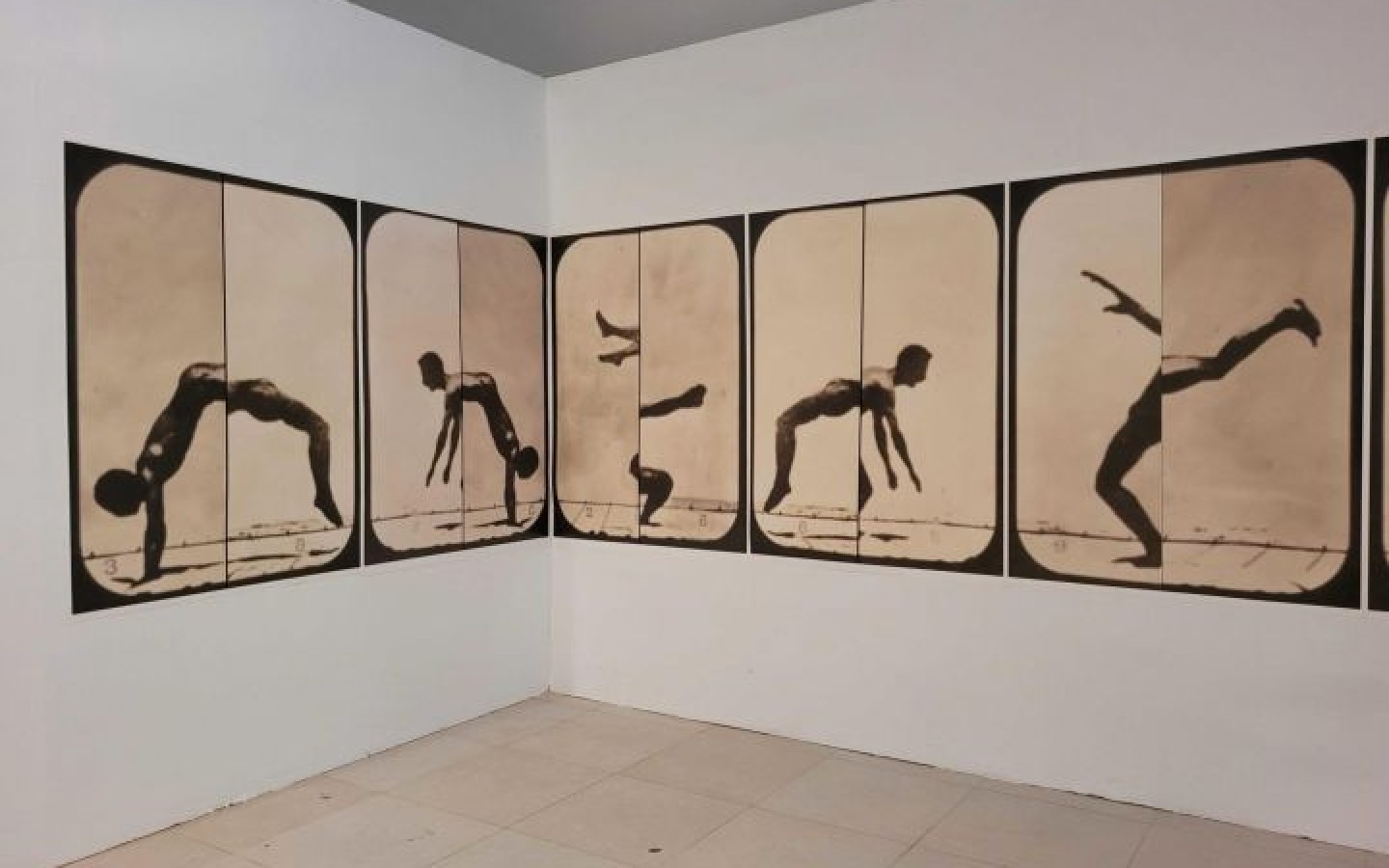
Their practices span photography, archives, studio-based work, installation, sculpture, video, performance, and other forms of contemporary image-making.
This diversity is important because photography today is not limited to camera-based prints.
An artist may work with family archives, found images, digital manipulation, staged scenes, moving images, sculptural objects, performance documentation, or installations built around photographic material.
Some artists may use photography to investigate history and political memory.
Others may explore identity, migration, gender, ecology, spirituality, urban life, labour, language, or imagined futures.
The full public presentation of selected artists and projects will become clearer once the biennale publishes the final exhibition programme.
Visitors should not expect a single photographic style.
The strength of Bamako Encounters is precisely its ability to show photography as a plural field, shaped by many geographies, generations, and artistic strategies.
Venues in Bamako
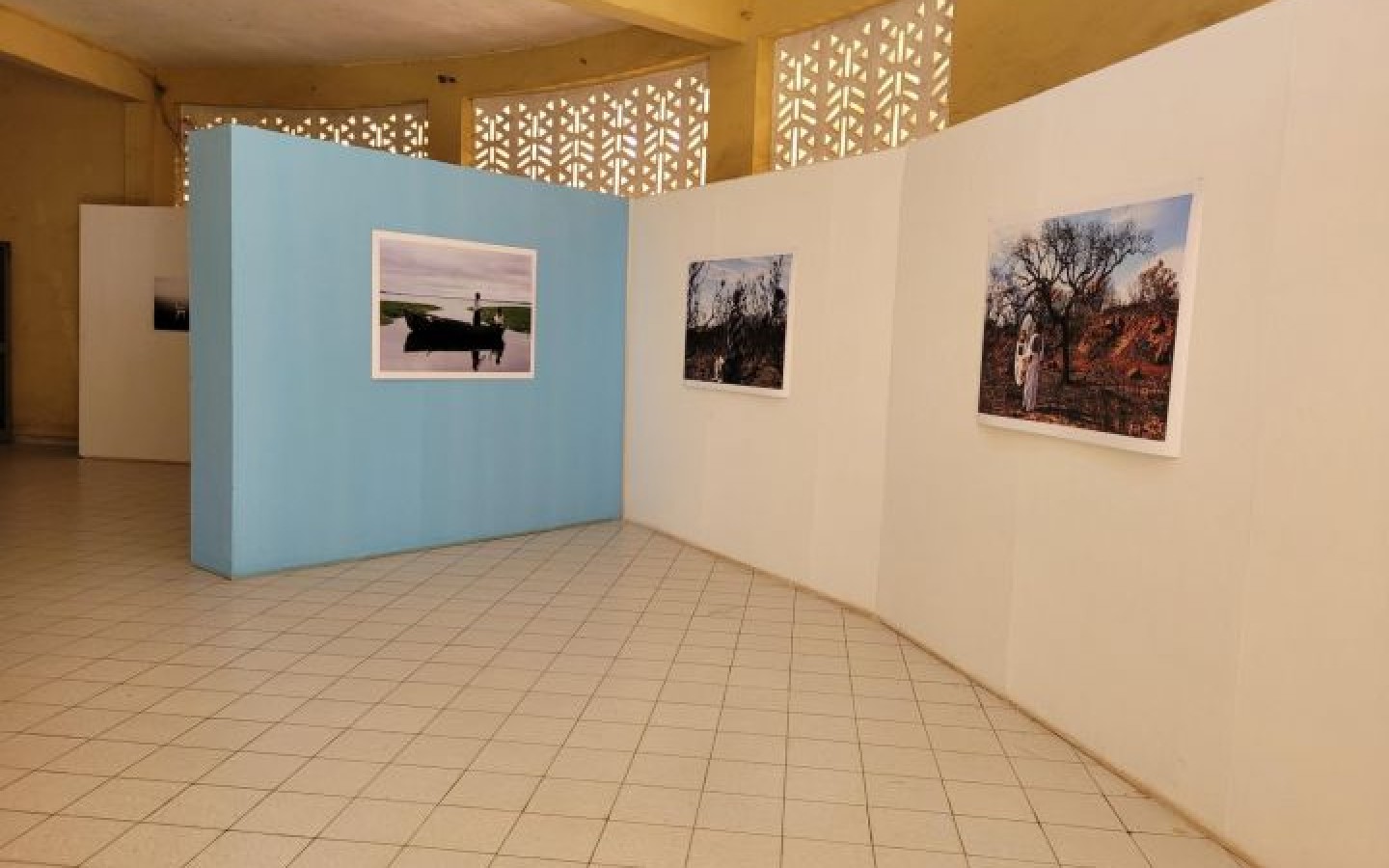
The 15th edition will unfold across several cultural venues in Bamako.
Confirmed or announced venues include:
National Museum of Mali
One of the principal cultural institutions in the country and a major exhibition site for the biennale.
Maison Africaine de la Photographie
A key institution dedicated to photography and visual culture in Mali.
Palais de la Culture Amadou Hampâté Bâ
An important cultural venue in Bamako, used for exhibitions, events, and public programmes.
Additional locations may be included in the final programme.
Because the biennale is citywide, visitors should treat it as a route through Bamako rather than a single museum visit.
Transport between venues, opening hours, and access conditions should be checked carefully once the detailed schedule is published.
Professional Programme
Bamako Encounters is not only an exhibition.
Its professional programme is central to its value.
The biennale includes meetings, workshops, master classes, conversations, and training opportunities for photographers, artists, curators, researchers, students, and cultural professionals.
These programmes help build long-term capacity in the field of African photography.
A young artist may gain critical feedback, meet curators, learn about exhibition production, or develop new international contacts.
Curators and researchers can encounter artists and archives that may not be visible through the usual global art circuits.
Collectors and institutions can identify important practices before they appear more widely at international fairs and biennials.
The professional programme also strengthens Bamako’s position as a continental centre for photographic debate.
The city becomes not only a place where images are shown, but where the future of African image-making is discussed.