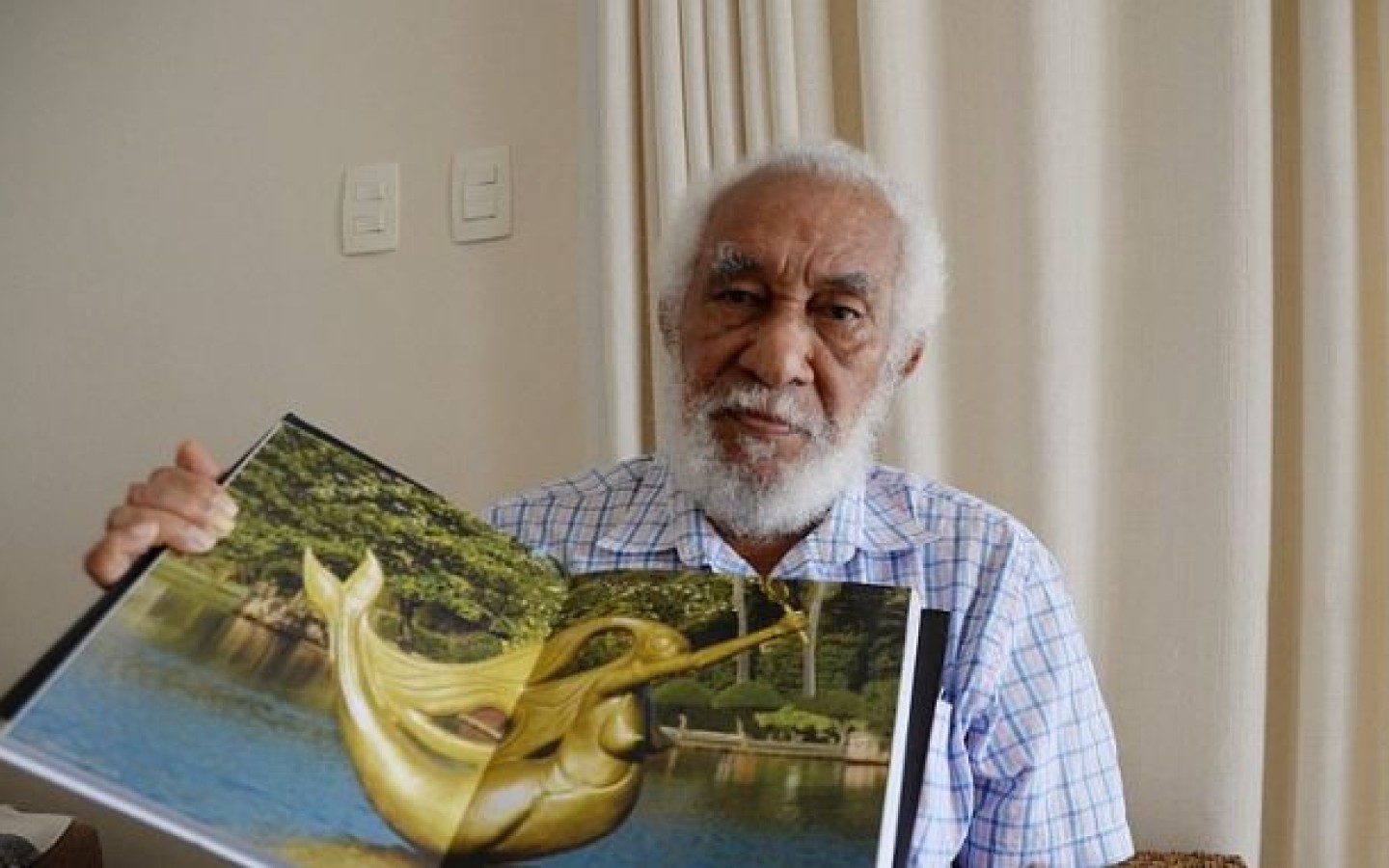


Pinacoteca de São Paulo presents a major exhibition dedicated to Brazilian artist Juarez Paraíso from 6 March to 6 June 2027.

Curated by Renato Menezes, the exhibition draws national attention to one of the most important figures of Bahia’s second generation of modern artists.

Born in Bahia in 1934, Paraíso developed an unusually broad practice across drawing, sculpture, engraving, murals, photography, graphic design, stage design, and public art.

His work has been closely connected with Salvador and the development of modern artistic culture in Bahia.

He also played an important role as an educator through the School of Fine Arts at the Federal University of Bahia.

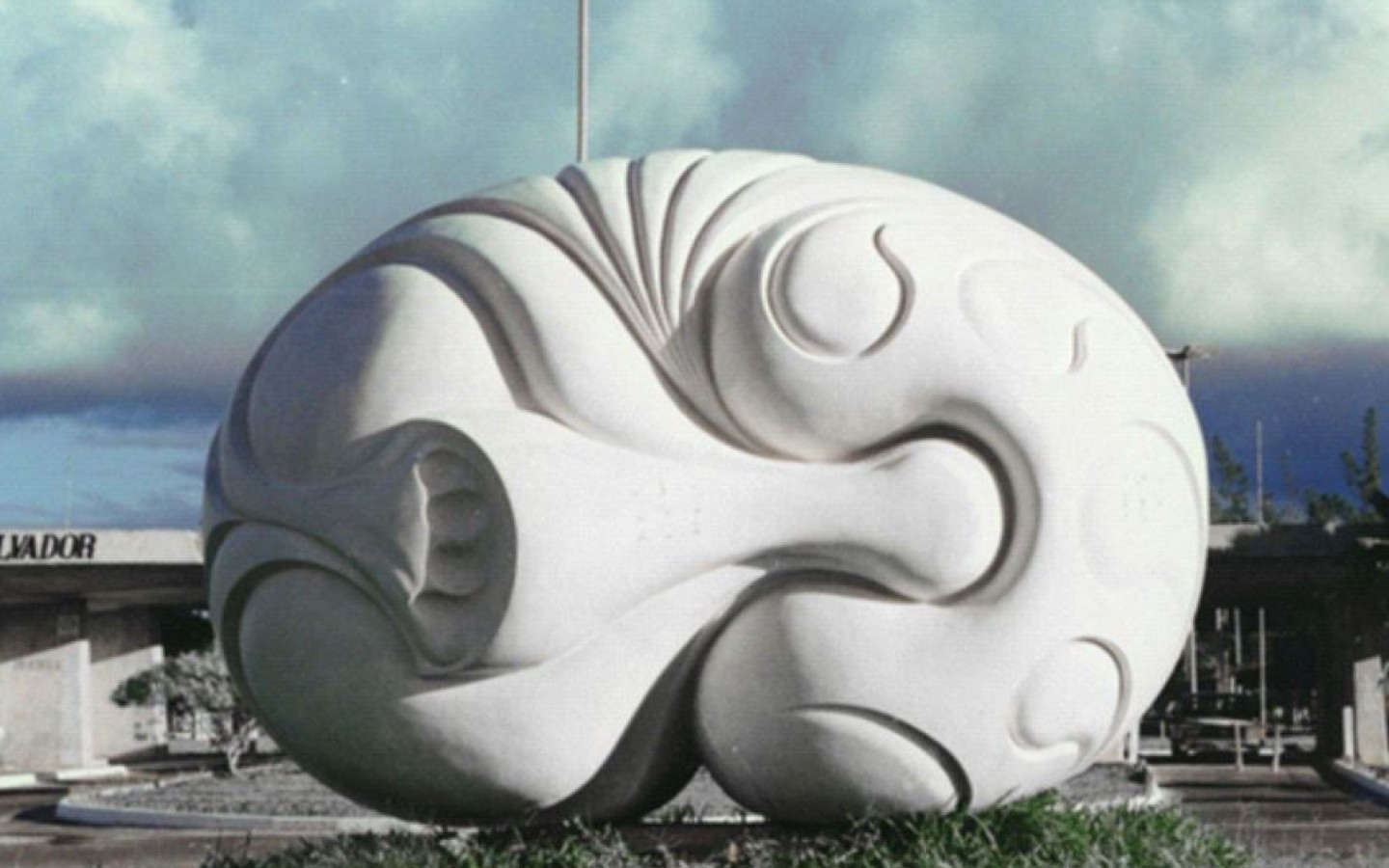
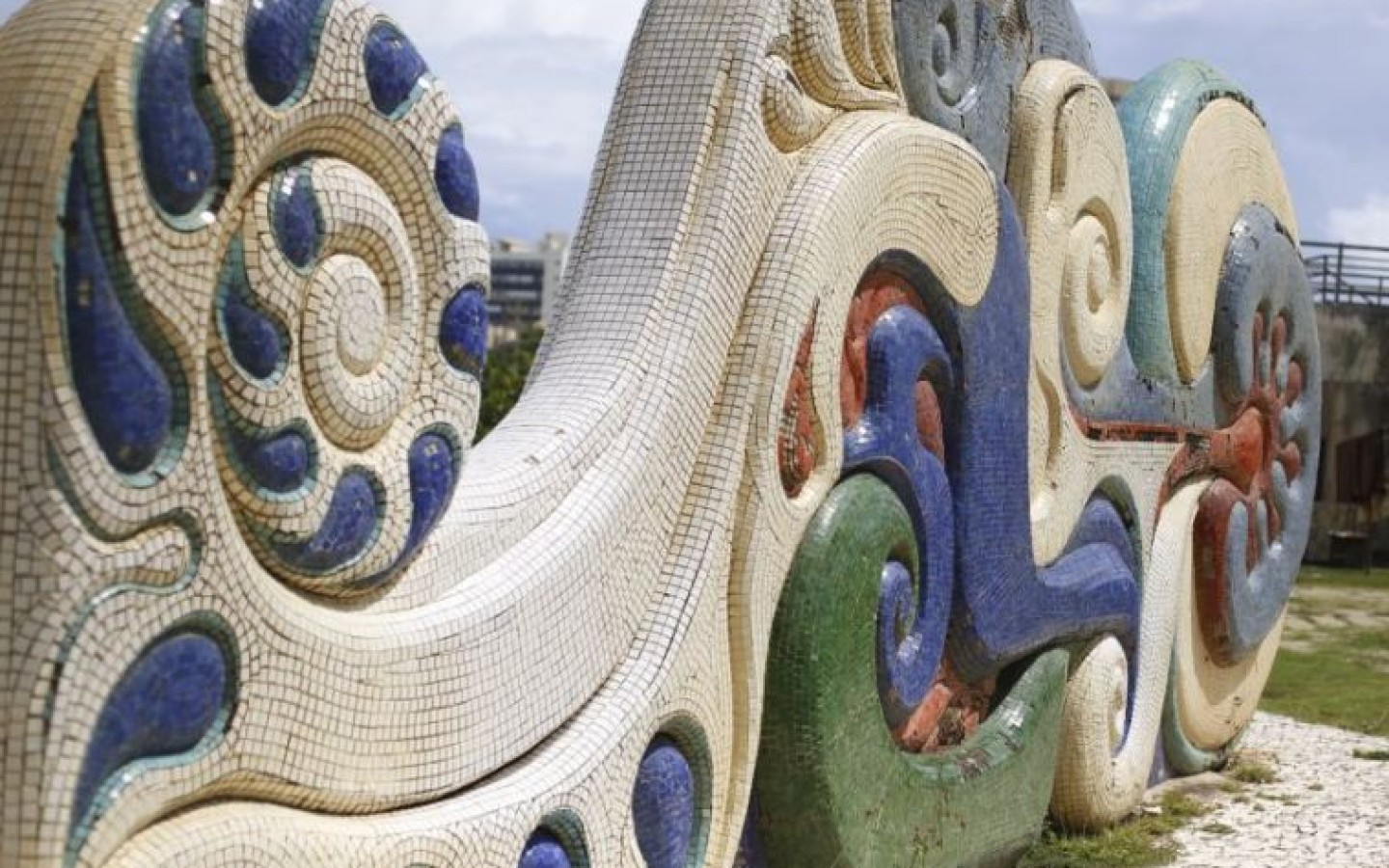
Paraíso’s career spans more than seven decades and includes public works integrated into architecture and urban space.

For ArtExpoWorld readers, the 2027 Pinacoteca exhibition offers an opportunity to explore a major Brazilian artist whose influence has often been more visible in Bahia than in international narratives of Brazilian modernism.
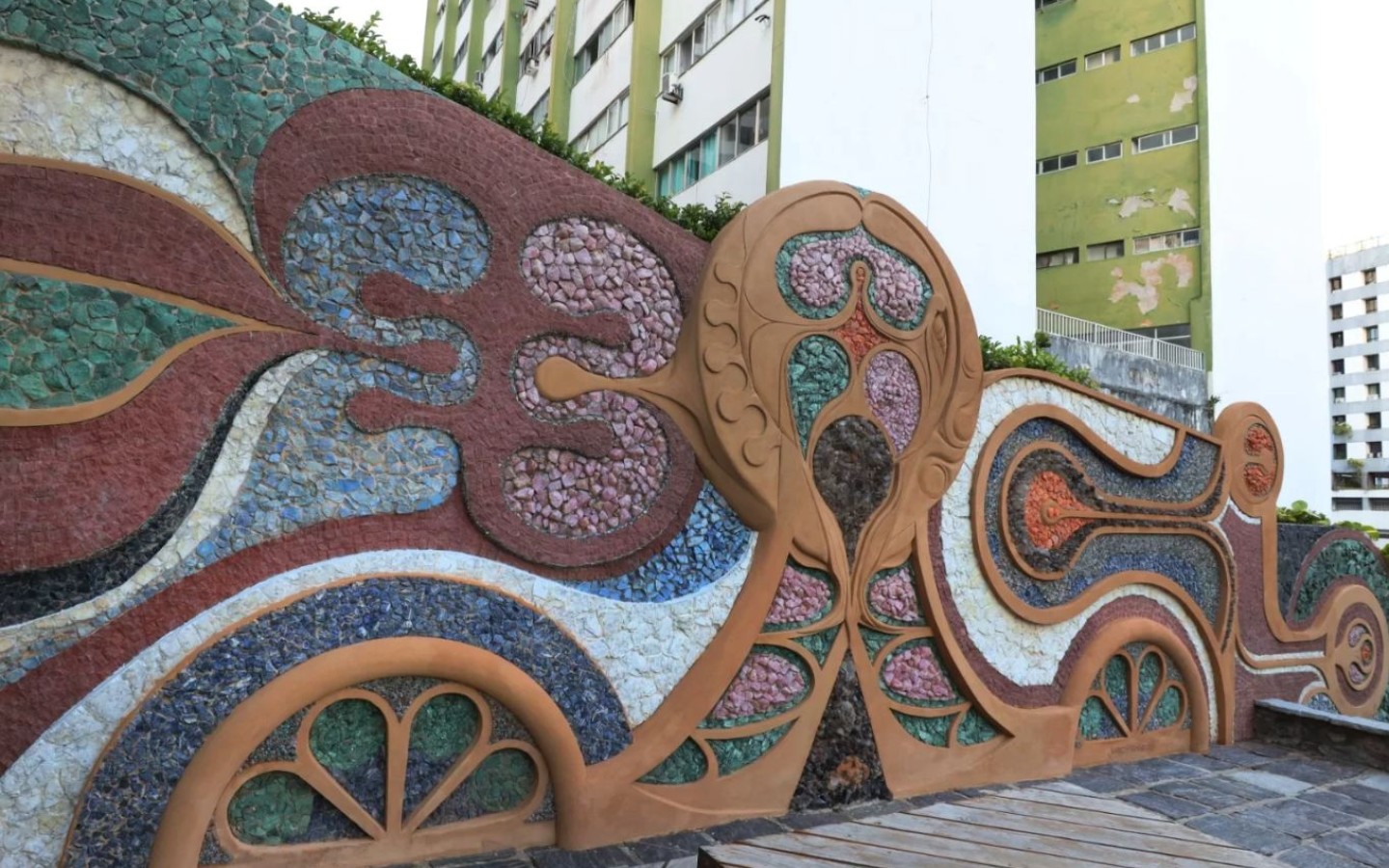
The Juarez Paraíso exhibition will be presented at Pina Luz from 6 March to 6 June 2027.

Pinacoteca has confirmed Renato Menezes as curator.

The complete list of works and detailed curatorial structure will be announced closer to the opening.

Paraíso’s long career offers extensive material for a major institutional exhibition.

His practice includes drawing, painting, engraving, sculpture, murals, photography, graphic work, stage design, and experiments with digital technology.

Public art is especially important.

Paraíso produced murals, sculptures, architectural interventions, and other works for public and private buildings throughout Salvador and elsewhere in Brazil.

He also participated in major national exhibitions and in the São Paulo Biennial.

The exhibition at Pinacoteca provides an opportunity to present these different strands together rather than treating them as separate professional activities.

Visitors should expect a career defined by experimentation and by a refusal to remain within one medium.

Juarez Paradise 2027 Event Overview

Juarez Paraíso 2027 – Brazilian Modernism, Murals and Public Art at Pinacoteca São Paulo

Juarez Paraíso helped shape the modern art environment of Bahia not only as an artist but also as an educator and cultural organiser. He was involved in the Bahia Biennials and spent decades teaching at the Federal University of Bahia. His influence therefore extends far beyond the works carrying his own name.

Dates:

6 March 2027 - 6 June 2027

Location:

Pina Luz, Pinacoteca of São Paulo, São Paulo, Brazil

Mission:

The mission of the Juarez Paraíso exhibition is to reassess the artist’s place within Brazilian modern and contemporary art. Brazilian art history is often organized around Rio de Janeiro and São Paulo. This can reduce the visibility of major artistic developments in other regions. Bahia developed its own modernist environment shaped by architecture, Afro-Brazilian culture, public art, universities, and experimental artistic communities. Paraíso was an important participant in this history. The exhibition therefore contributes to a wider reconsideration of Brazilian modernism as something produced across several cultural centers rather than one national capital. Another important aim is to connect gallery work with public art. Paraíso’s murals and architectural projects demonstrate that art can become part of daily urban experience rather than remain inside museums.

Organizer:

Juarez Paraíso is organised by Pinacoteca de São Paulo. The exhibition is curated by Renato Menezes. Pinacoteca operates across Pina Luz, Pina Estação and Pina Contemporânea. The institution maintains one of Brazil’s most important collections and exhibition programmes devoted to Brazilian visual art. Its recent curatorial work increasingly revisits artists, regions and histories that have received unequal attention within established national narratives. The Juarez Paraíso exhibition fits directly within that institutional role.

Why attend to Juarez Paradise 2027?

The exhibition is worth visiting because it introduces a major regional figure within one of Brazil’s most important national museums.

For visitors interested in Brazilian modernism, Paraíso expands the story beyond the artists most frequently presented internationally.

For architects and urbanists, his public murals and integrated artworks demonstrate how visual art can interact with buildings and city space.

For artists and students, his career offers an example of sustained experimentation across different media.

For researchers, the exhibition provides access to a history connecting Bahia, modernism, education, and the development of regional art institutions.

For cultural travellers, the exhibition can be combined with Pinacoteca’s other buildings and the wider Luz cultural district.

The show is particularly valuable for visitors who already know São Paulo’s better-known modernist narratives and want to encounter another centre of Brazilian cultural history.

Ticket Information

General admission costs

General admission to Pinacoteca is currently R$40.

Reduced admission is R$20.

A single ticket provides same-day access to the three Pinacoteca buildings.

Admission is free for all visitors on Saturdays and on the second Sunday of every month.

Children aged 10 and under and visitors aged 60 and over receive free admission under current policy.

The museum operates Wednesday to Monday from 10:00 to 18:00, with last entry at 17:00.

Visitors should confirm prices again before March 2027 because ticket policies can change.

Getting There:

Pina Luz is located at Praça da Luz 2 in central São Paulo.

The building is immediately beside Luz Station.

Metro and CPTM railway services make public transport one of the easiest ways to reach the museum.

Pina Estação and Pina Contemporânea are also within walking distance.

Taxi and rideshare services operate throughout the area.

Visitors arriving by car can use the museum parking facilities, subject to capacity.

São Paulo–Guarulhos International Airport serves most international flights.

Congonhas Airport is closer to central São Paulo and handles many domestic routes.

Accommodation

Jardins is one of the most popular areas for international visitors interested in art and museums.

It provides access to Avenida Paulista, MASP, and commercial galleries.

Higienópolis offers a quieter environment with good links to central districts.

Pinheiros is suitable for contemporary galleries, restaurants, and nightlife.

Bela Vista offers convenient access to the city centre and Avenida Paulista.

Visitors prioritising the Pinacoteca may also consider central São Paulo, provided they choose accommodation carefully and plan evening transport.

A location near the metro can significantly reduce travel time.

Don't Miss an Exhibition

Follow us on X to get the latest art events from around the world first

Follow

Gallery: Juarez Paradise 2027

Secure Your Spot at Juarez Paradise 2027 — Before It's Too Late

Tickets are limited and sell out fast.
Get instant access to the Juarez Paradise 2027 registration page and be the first to know about exclusive events, VIP passes, and travel perks.

Early access. Limited availability. Global art at your fingertips.

History & Context of a Juarez Paradise 2027

Juarez Paraíso was born in Arapiranga, Bahia, in 1934.

He studied sculpture, engraving, and painting at the School of Fine Arts of the Federal University of Bahia.

He later became a professor at the same university and taught there for decades.

Paraíso is associated with the second generation of modern artists in Bahia.

This generation helped expand abstract and experimental visual languages within the region.

His career also intersected with important cultural figures working in Salvador during the twentieth century.

Paraíso contributed to the development of public art and supported the idea that contemporary artistic work should be integrated into the city.

He was also involved in the creation of the Bahia Biennials during the 1960s.

These events represented an important attempt to decentralize Brazilian artistic debate beyond Rio and São Paulo.

His work therefore connects individual artistic production with a wider history of institution building, education, and cultural policy.

Tips for Visitors of Juarez Paradise 2027

Allow at least 90 minutes for the exhibition.

Look beyond individual objects and consider Paraíso’s relationship with architecture and public space.

Photographs, drawings, or documentation of murals may be as important as portable artworks.

Pay attention to chronology.

A career spanning several decades can reveal how one artist responded to changing technologies and artistic debates.

Combine the exhibition with the other Pinacoteca buildings.

One ticket gives access to Pina Luz, Pina Estação, and Pina Contemporânea on the same day.

Visit on Saturday if you want free admission.

The second Sunday of every month is also free.

Check for curator talks or educational programmes closer to the opening.

Tips from the ArtExpoWorld

Do not approach Paraíso only as a regional artist.

Regional does not mean minor.

His career reveals how much of Brazilian modernism was built outside the cities that later dominated international art history.

Look particularly at the relationship between artwork and architecture.

That is where Paraíso’s practice becomes most distinctive.

Be the First to Access Official "Juarez Paradise 2027" Tickets

Don’t miss your chance to attend one of the world’s leading art fairs. Get direct access to the official ticketing page, exclusive updates, and important visitor information.

Early access. Limited availability. Global art at your fingertips.

Editor’s Note

Juarez Paraíso 2027 matters because national art histories are often written from the centre outward.

For ArtExpoWorld, this exhibition reverses the direction.

It asks visitors in São Paulo to look toward Bahia and recognize an artistic history that developed with its own institutions, architecture, and experimental energy.

Paraíso’s long commitment to public art also feels especially relevant.

He understood that art did not need to wait for people inside a museum.

It could already be part of the wall, building, hospital, university, or street they encountered every day.

The Pinacoteca exhibition gives that career the national scale it deserves.

Current and Upcoming Art Expos