








Art Fairs in February 2027: Mexico, Asia & Africa
February 2027 offers an unusually sharp choice. Mexico City hosts several different models of art fairs during the same week, while New Delhi opens its major South Asian gathering on overlapping dates. Later in the month, Jakarta’s paper-focused event and Cape Town’s international fair create a second pair of possibilities. The decision begins with the kind of art encounter you want, rather than the number of destinations you might fit into a flight search.
This selection brings together seven announced events across four cities. It is a focused calendar, with particular attention to Latin America, Asia, and Africa. The dates below describe the announced editions; public admission, previews, and opening times must be checked separately on the individual event pages.
February 2027 Art Fair Calendar
|
Art fair |
Announced dates |
City and venue |
What distinguishes the visit |
|
ZONAMACO 2027 |
3–7 February |
Mexico City, Centro Banamex |
A broad gallery-fair experience within the city’s early-February art week |
|
India Art Fair 2027 |
4–7 February |
New Delhi, NSIC Exhibition Grounds, Okhla |
A major setting for exploring South Asian gallery programs |
|
Material Art Fair 2027 |
4–7 February |
Mexico City, Maravilla |
A separate gallery selection and exhibition setting during the same week |
|
BADA México 2027 |
4–7 February |
Mexico City, Campo Marte |
An artist-to-visitor format that changes how work is presented and discussed |
|
ARTEFACTO 2027 |
4–7 February |
Mexico City, Estación Indianilla |
Another distinct presentation to consider within the city’s concurrent program |
|
Art Jakarta Papers 2027 |
18–21 February |
Jakarta, City Hall, Pondok Indah Mall 3 |
A fair organized around paper-based artistic practices |
|
Investec Cape Town Art Fair 2027 |
19–21 February |
Cape Town, CTICC |
An international gallery gathering with a strong African context |
Each event name in the table opens its complete guide. Check the distinction between edition dates and public visiting hours before choosing travel days. The presence of several events in one city does not create a shared ticket, and the overlap between two cities does not make them practical parts of the same short visit.
Mexico City One Week Several Different Questions
The broad gallery view
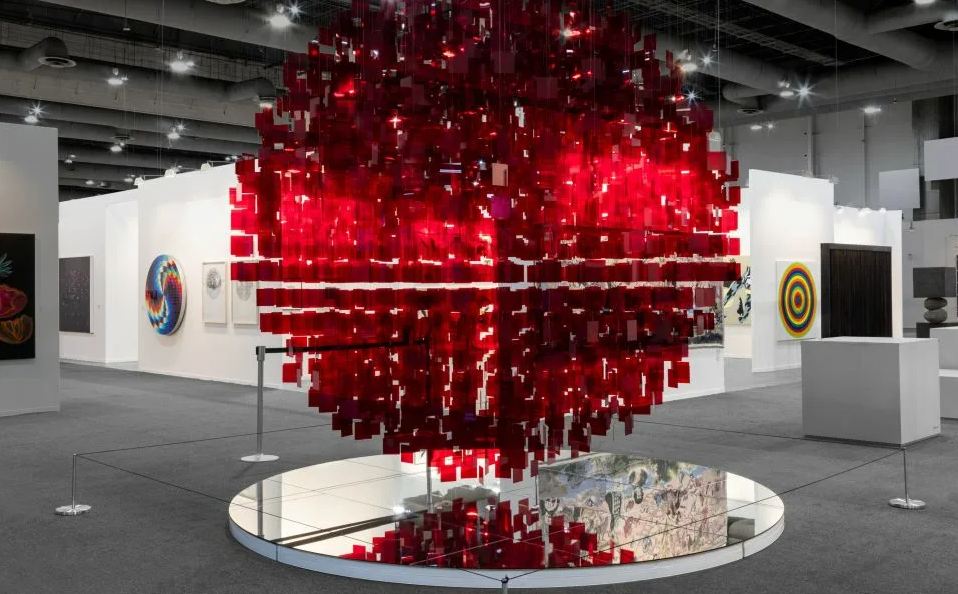
The Centro Banamex fair provides a useful starting point for readers who want to compare gallery programs across a large exhibition setting. The task is to find the differences within that scale. A gallery’s presentation may introduce one sustained artistic argument, several generations in conversation, or works selected for a very particular collecting audience. A broad fair rewards an initial orientation followed by a more selective return.
Do not let the city’s busy evening program determine every daytime decision. Leave enough time to revisit a work after seeing related positions elsewhere. The relationship between an artist’s work and its neighbors can become clearer once the first visual excitement has settled.
A second gallery perspective
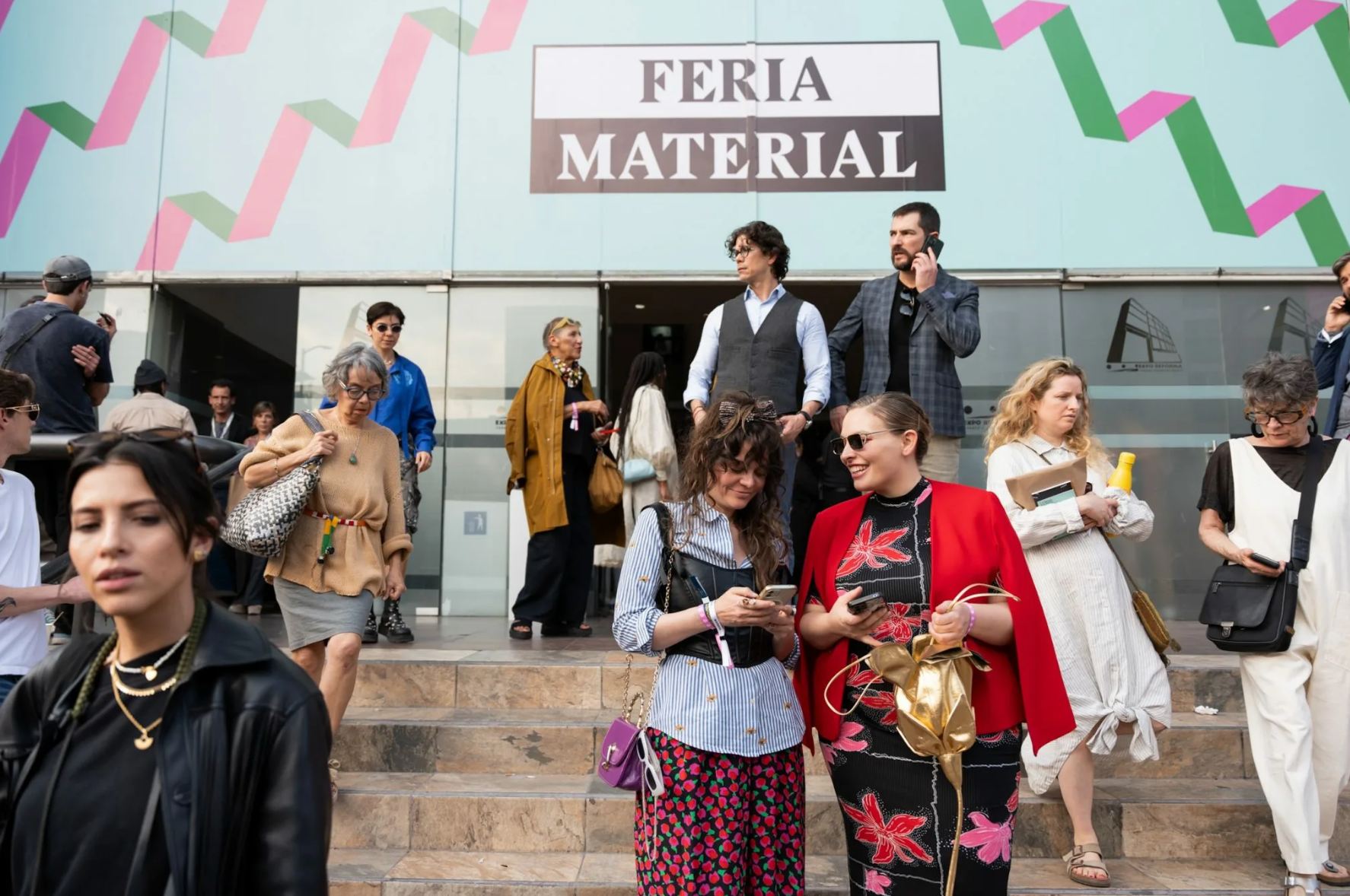
Material offers another point of entry during the same dates. Its value in a combined visit lies in the possibility of a different selection and spatial experience. Compare how galleries frame their artists and what kinds of work benefit from each setting. A smaller or differently organized event does not automatically imply a single aesthetic, price level, or stage in an artist’s career.
The Maravilla location must be treated as its own destination. Group visits by geography after the final schedules are available, rather than assume that a shared art-week label means that the venues sit beside one another. A realistic transfer can protect the time needed for a proper second look.
Meeting artists directly
BADA’s artist-to-visitor model changes the conversation. The person explaining a painting or object may also be the person who made it. That can open useful questions about materials, revisions, and the development of a series. It also asks the visitor to distinguish a persuasive account of making from what the work itself achieves.
Campo Marte is a separate stop with its own opening arrangements. Anyone considering a purchase should establish what is included, how the work is documented, and who handles delivery. Those practical questions support attention to the art; they should not replace it with a hurried negotiation.
Looking carefully at a newer proposition
ARTEFACTO at Estación Indianilla adds another presentation model to the week. Read its own program before deciding how much time to allocate. The venue’s identity and the fair’s publicity offer a starting point, while the actual participants and works establish the reasons to go.
New Delhi A Different Regional Starting Point
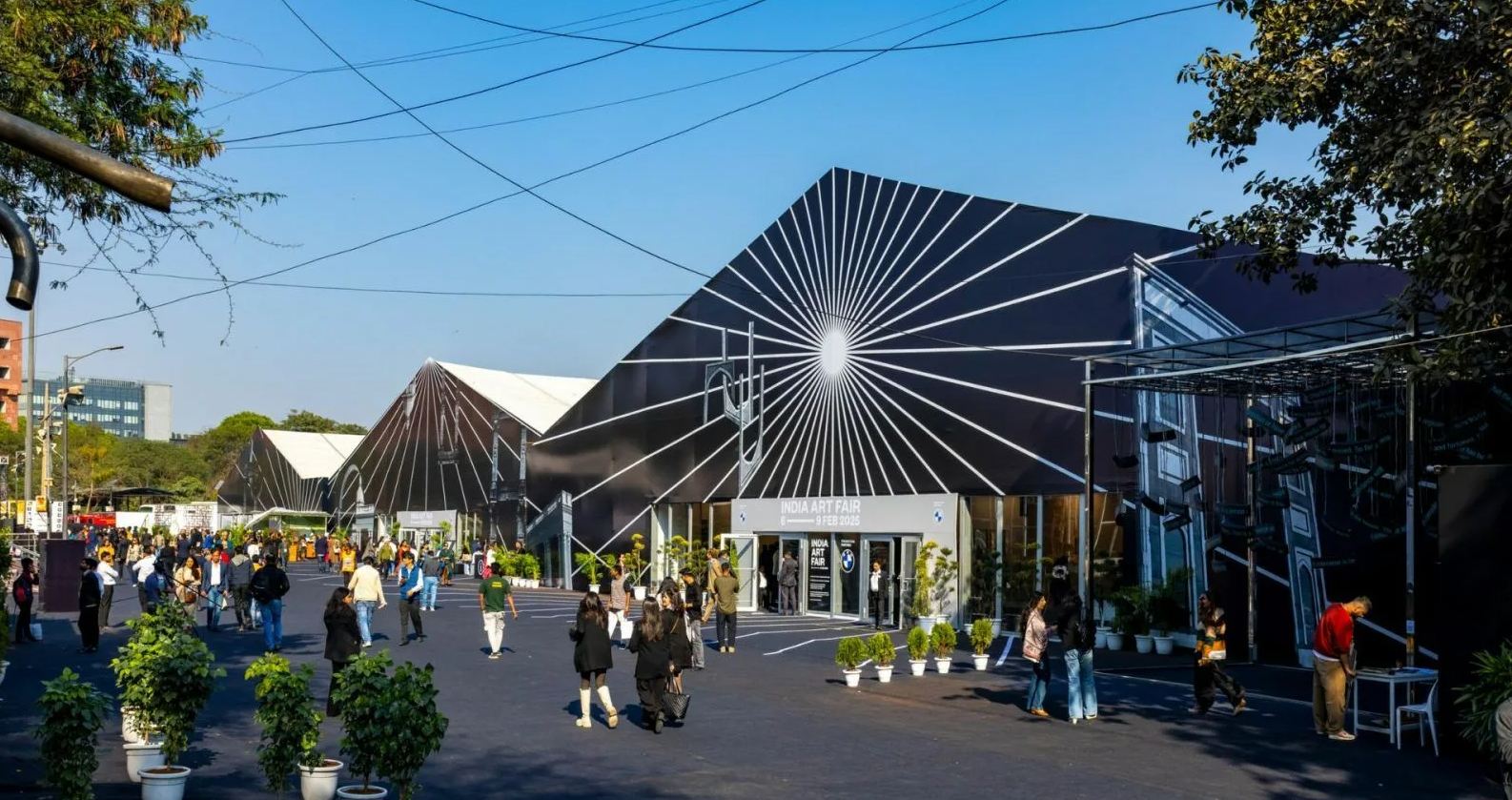
India Art Fair occupies the same early-February window. For readers interested in South Asian modern and contemporary practices, New Delhi can provide a stronger center of gravity than an attempt to sample several continents. Begin with the galleries and artists you want to investigate, then consider how the fair fits within a longer city visit.
A regional emphasis does not describe one visual language. Look for different uses of image, material, and historical reference, and for the relationships galleries establish between established figures and younger positions. A useful question concerns what has changed in a practice over time, rather than whether a work conforms to an expected national appearance.
The announced 4–7 February edition includes access categories that need checking against the public timetable. A preview date is not interchangeable with a general-admission day. Avoid booking an arrival simply because the first date appears in a calendar heading.
Jakarta Following the Possibilities of Paper
Art Jakarta Papers takes place later in the month at City Hall in Pondok Indah Mall 3. A focus on paper gives a visit a clear material question. Paper can carry an image, hold the trace of a gesture, become a constructed object, or change through light and handling. The final selection will determine which of these possibilities are present.
Pay attention to the relationship between a work and its support. An editioned print, a drawing, and a unique constructed piece ask for different kinds of description. Size and apparent fragility tell only part of the story; the artistic decision may lie in repetition, pressure, sequence, or the treatment of an edge.
The mall address should be read precisely. City Hall is the announced event space, not a generic reference to a municipal building. Check the entrance, floor, and access arrangements in the complete guide before traveling across the city.
Cape Town Giving a Gallery Visit More Context
The Cape Town fair follows on 19–21 February at CTICC. Its setting allows readers to explore galleries working within African scenes alongside international participants. The most productive comparisons arise from particular artists and programs, with enough time to understand the histories each presentation brings into the room.
Avoid treating the continent as a single collecting category. A work’s location, language, material, and institutional history may connect it to several places at once. Ask how the artist’s practice has developed and what the gallery has chosen to make visible in this edition.
For a broader regional itinerary, our art fairs in Africa 2027 selection compares Cape Town with Marrakech and Johannesburg. That is the more useful next step for readers who want to continue within the continent, rather than choose another event simply because it falls in the same month.
How to Choose a February Art Trip
Mexico City suits a concentrated comparison between different fair formats in one week. New Delhi supports a South Asian focus during the same period. Jakarta offers a material-led point of inquiry, while Cape Town provides a later African starting point. These are different editorial reasons to travel; none requires completing the entire list.
Separate the budget into admission, transport, and accommodation. Not every organizer has released a complete 2027 tariff or public timetable, and a price from an earlier year should not be carried forward without confirmation. Use the enquiry form on the relevant event page for admission assistance. Each fair’s terms remain independent.
Editor’s Note
We find February compelling because the calendar brings different structures of artistic visibility into view. A large gallery fair, direct artist presentation, and material-specific event each shape what a visitor notices. The differences become useful when they lead to a more exact reading of the work, rather than an easy ranking of events by size.
Mexico City is particularly strong for comparison, but its concentration should not make other scenes appear as supporting stops. A New Delhi or Cape Town visit deserves its own questions and enough time to develop them. Jakarta’s focus on paper provides another reason to organize a trip around an artistic subject, rather than a familiar international hierarchy.
Our choice would begin with one clear inquiry and one city. Give the strongest encounter enough time to complicate the expectations you brought with you. A successful February trip may produce a shorter list of visited fairs and a much more precise understanding of the artists whose work remains in mind afterwards.