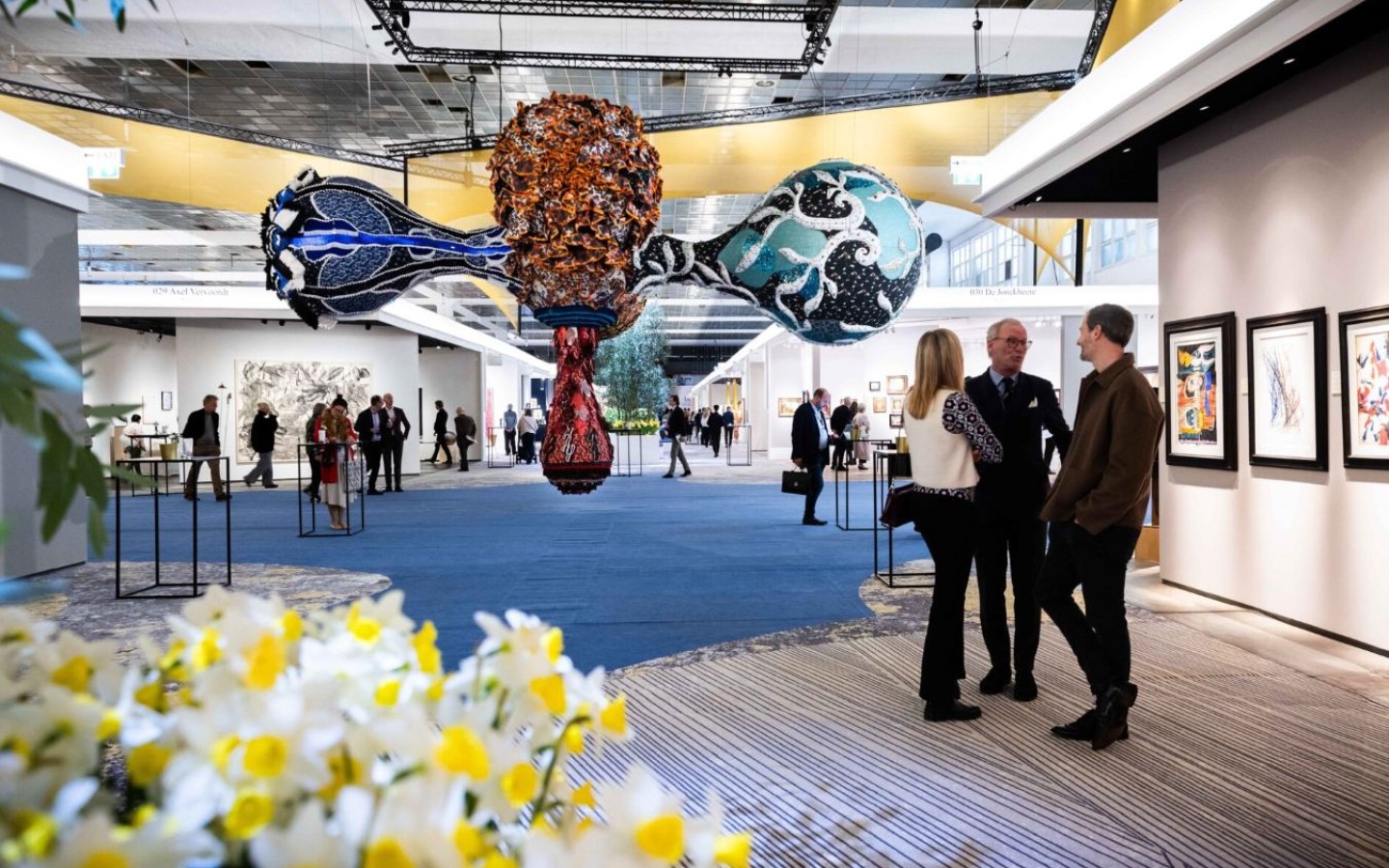
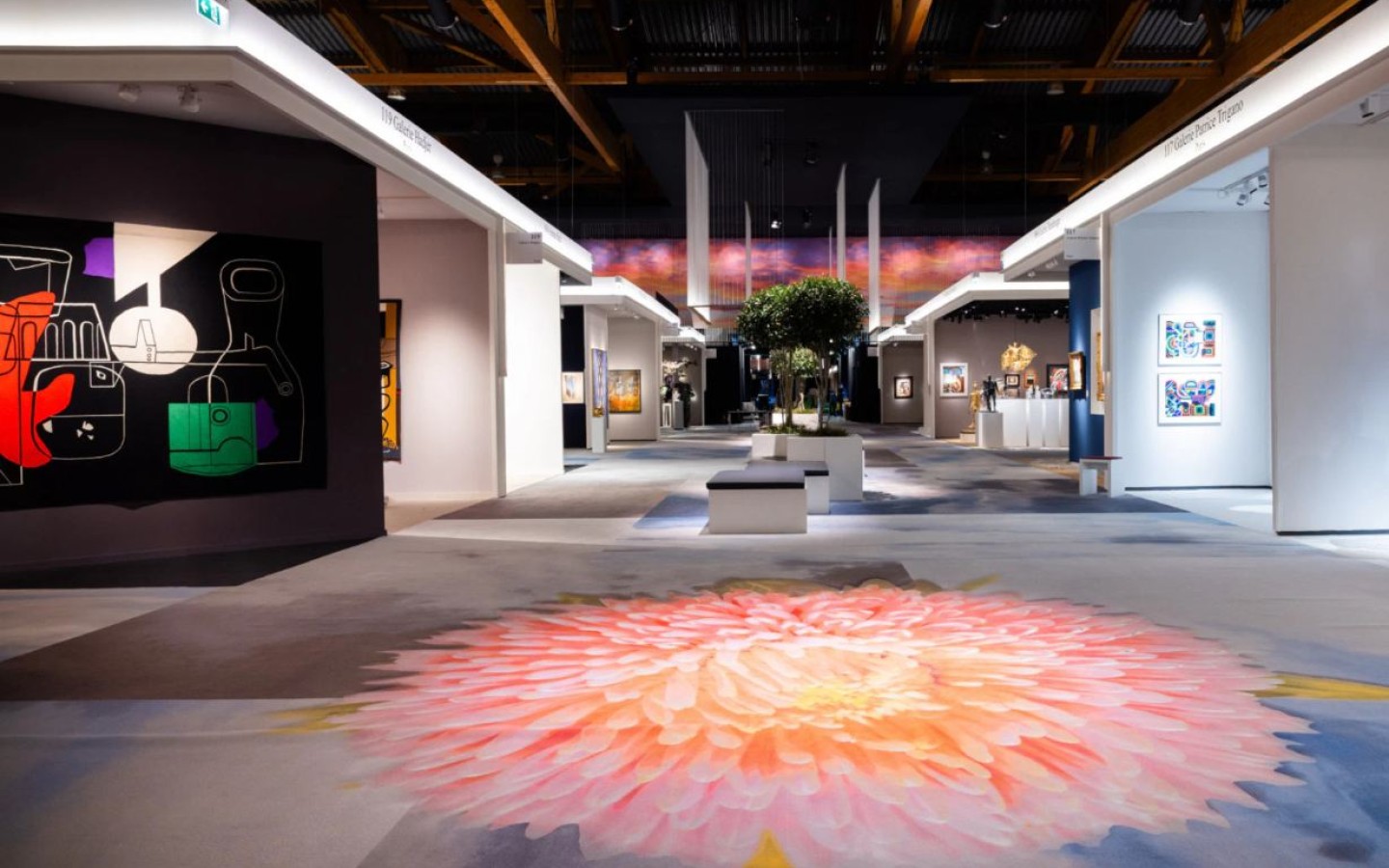
A historical object can reveal its age and changing use in several ways: the materials that remain, traces of handling, later alterations, or a documented sequence of owners. These layers do not all carry the same significance. A specialist can explain which belong to the object’s creation and which reflect its subsequent life. That distinction is part of the pleasure of a fair like Baranow Art Gallery, where knowledge can make an apparently quiet object unexpectedly absorbing.
For visitors who mostly see contemporary art, the fair also provides a different measure of time. An object has already passed through changing uses and tastes. Reflecting on that history can complicate the assumption that the newest response to a work is necessarily the most perceptive one.
Baranow Art Gallery belongs to the long tradition of specialist fairs where historical objects and later art are examined together. Its Brussels setting and its guest-of-honour programme connect the market to a wider institutional culture.
For the 2027 edition, the Ixelles Museum brings the relationship between collecting and public access into particular focus. An acquisition can preserve a work, fill a gap, or alter the story told by a collection. That is a different argument from scarcity alone, and a useful one to keep in mind while moving between stands.