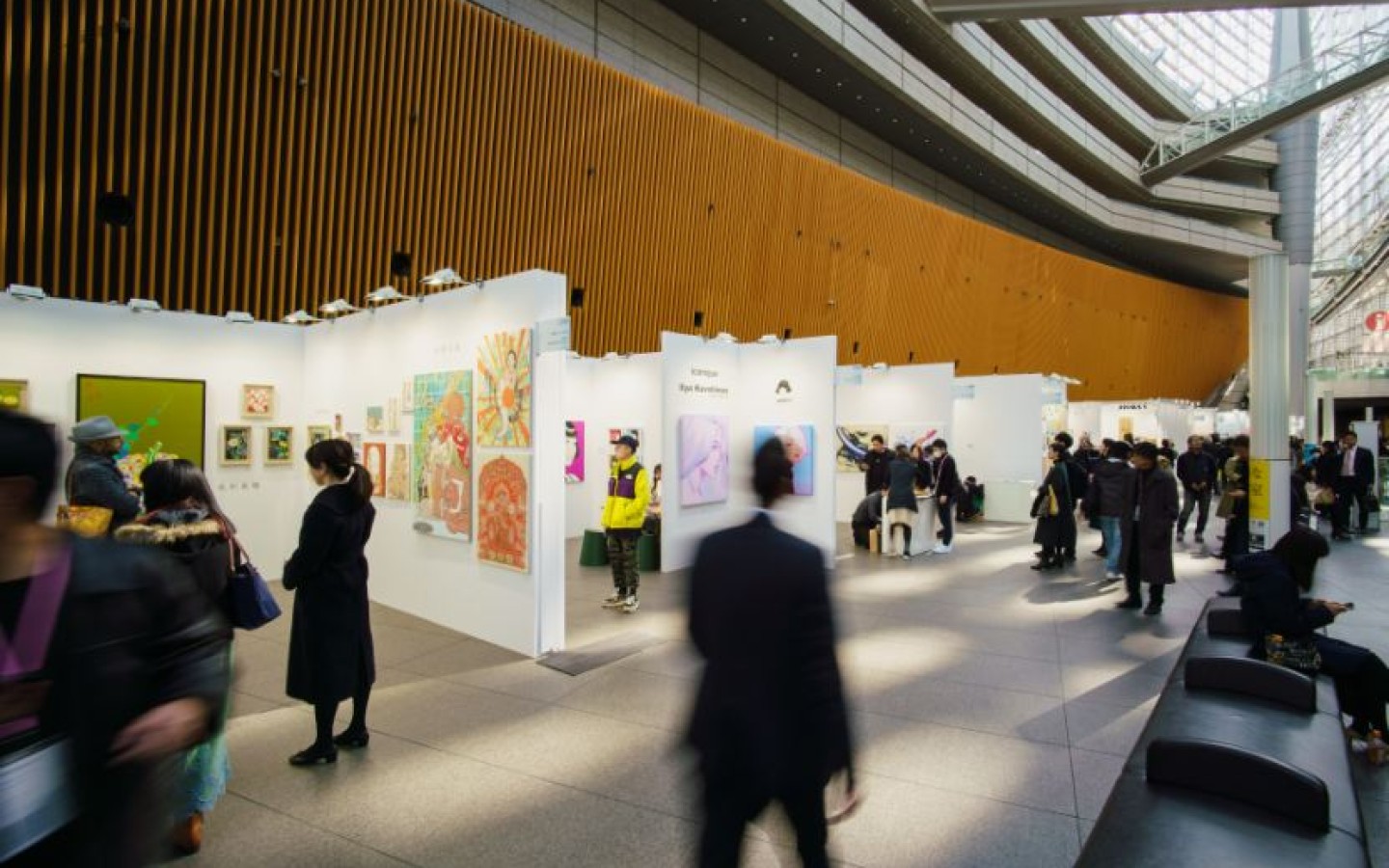
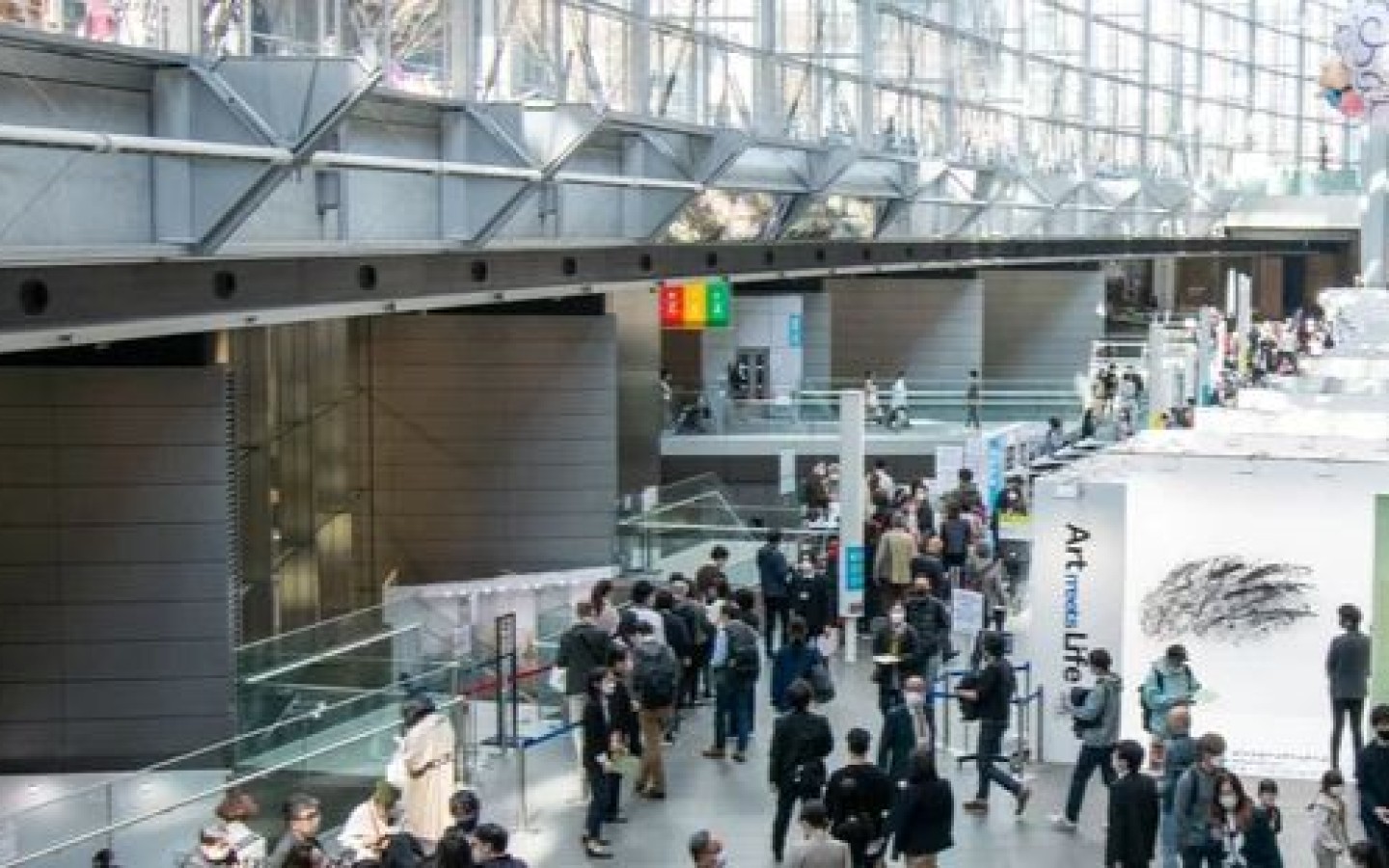
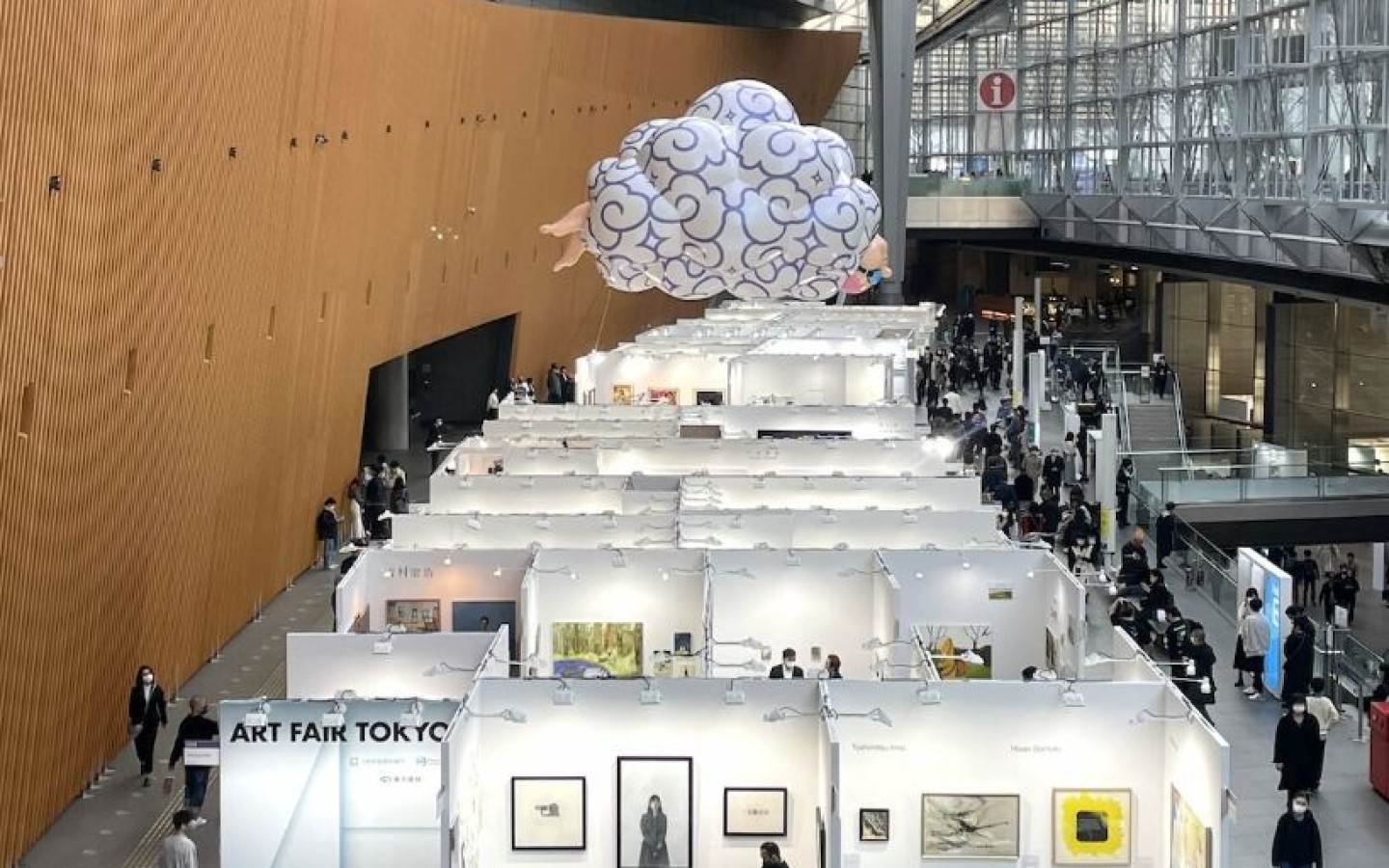
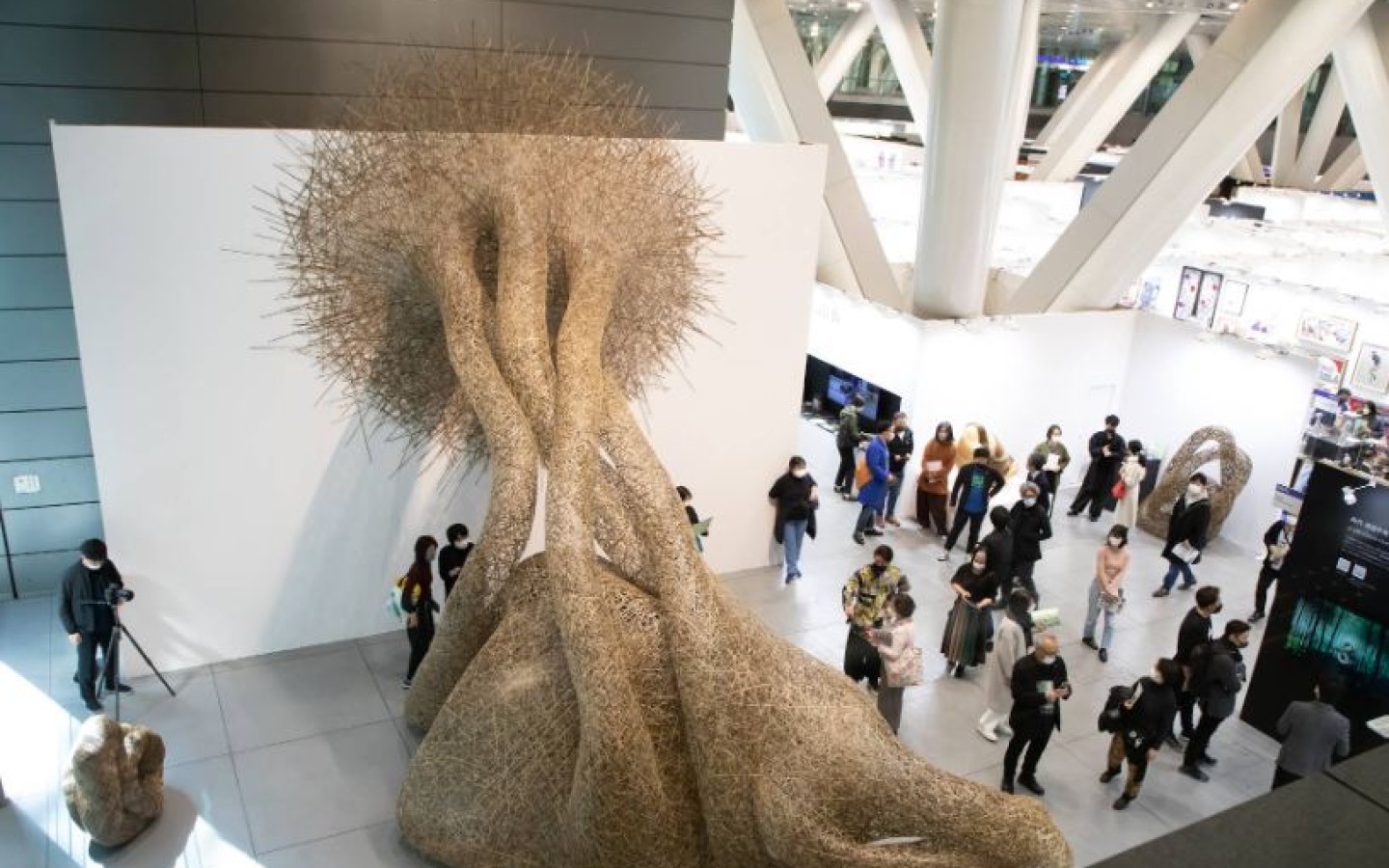
The main fair occupies Hall E and the Lobby Gallery at Tokyo International Forum. Galleries and Crossing provide the principal framework there, while the off-site Projects section is designed to engage with a setting of greater everyday public traffic. The exact relationship between the two venues should be confirmed through the final programme.
The difference in locations is potentially productive. A work encountered on a fair floor appears within an explicitly art-market context. A project in a concourse may reach an audience passing through to another destination. This does not make either encounter more authentic, but it can alter the attention given to the work.
The material range also encourages visitors to question the categories used while viewing. A vessel can involve function, technical skill, and sculptural form simultaneously. A contemporary object may enter into dialogue with an older practice without merely continuing it. The particular maker and object matter more than a quick division into traditional and new.
The Projects announcement also raises a practical artistic question about the concourse itself. Someone moving through a public passage may stop for a different reason than a visitor who has traveled specifically to the fair. A presentation can acknowledge that difference through scale, placement, or the time it requires. These are considerations for viewing the eventual programme, not a prediction of its installation. They make the second site worth evaluating as an encounter in its own right.