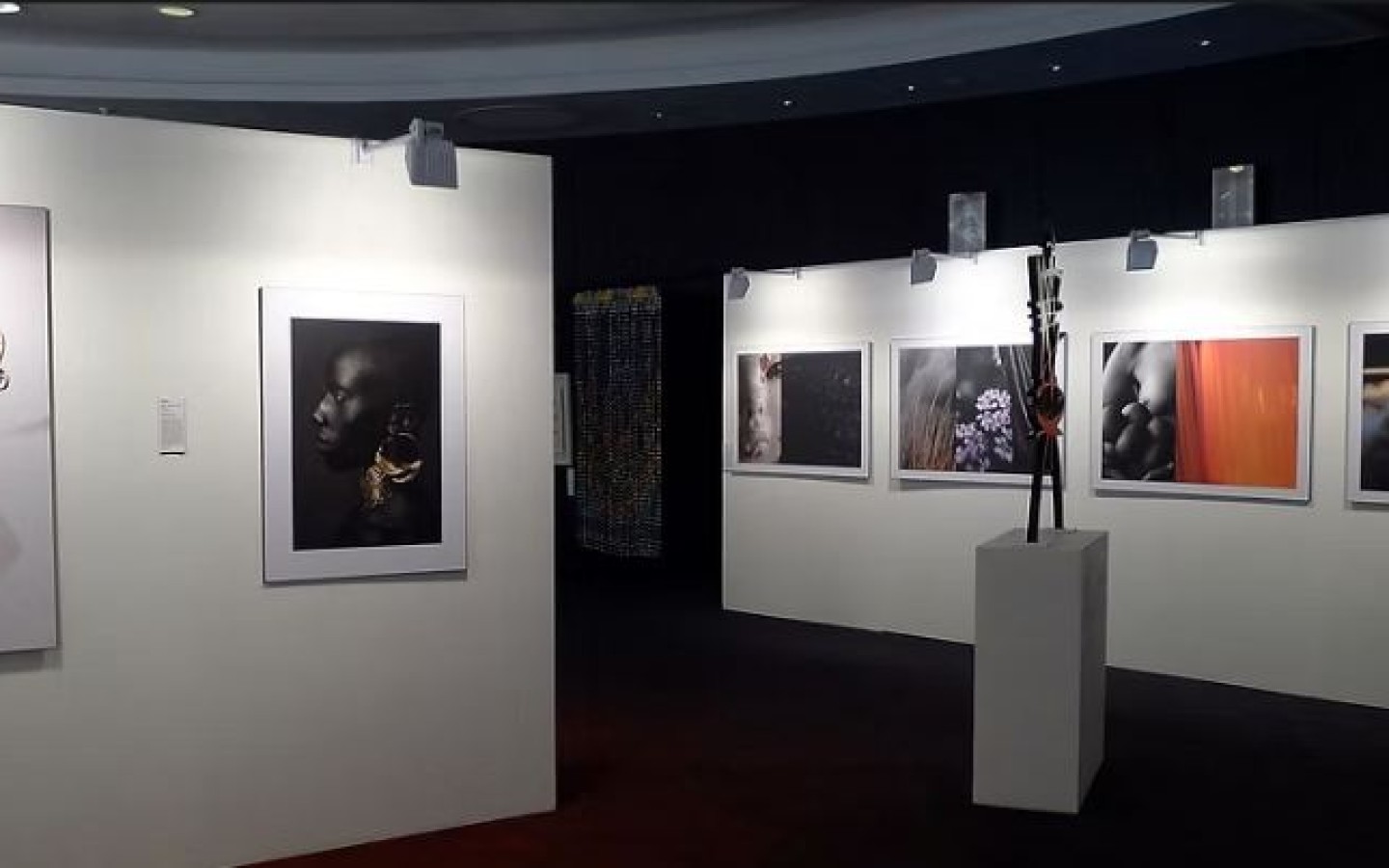
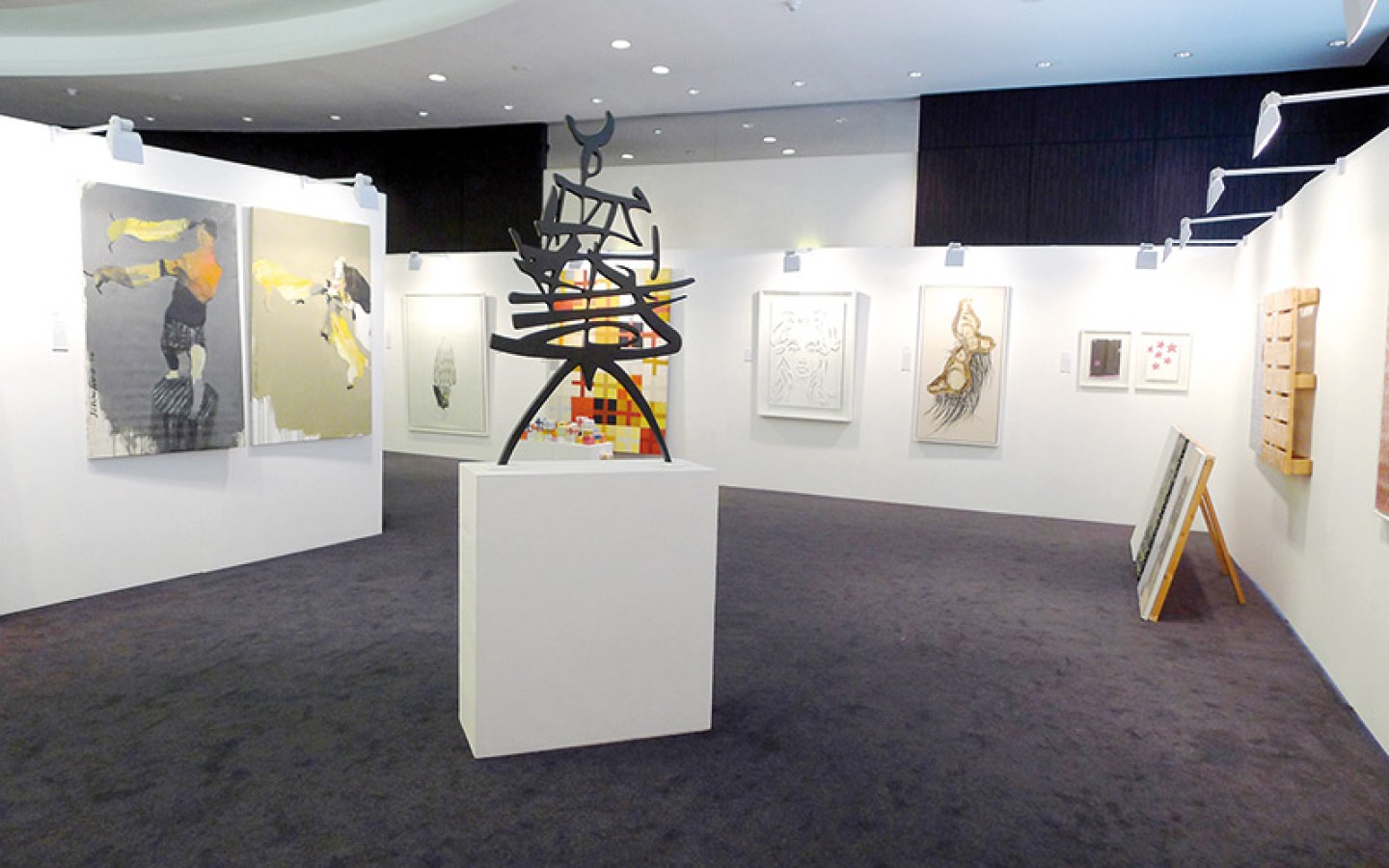
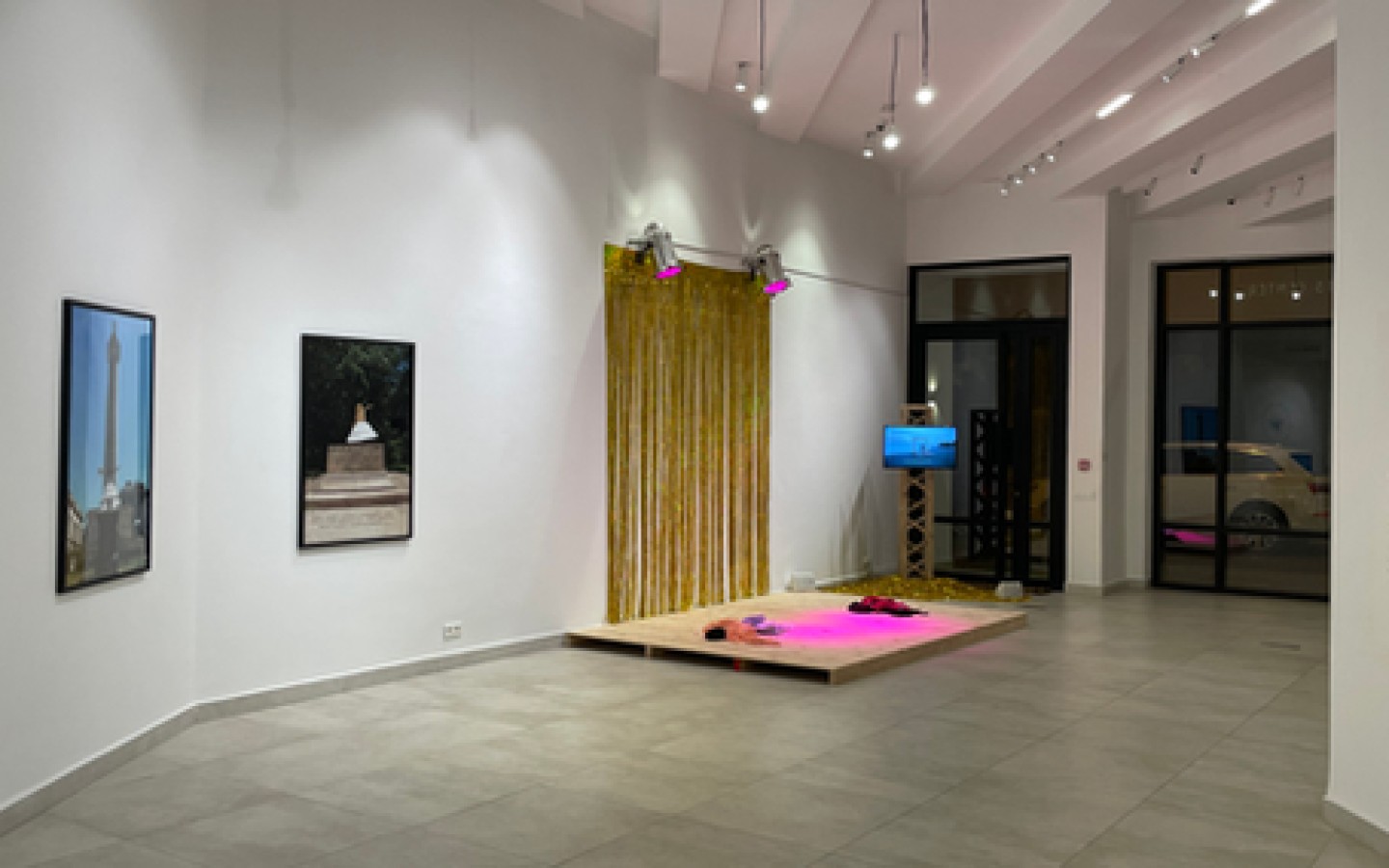
The Casablanca International Biennale was created to establish Morocco as a serious platform for international contemporary art.
Its identity has long been connected with Casablanca, the country’s largest city and economic capital.
Casablanca is associated with modern architecture, cinema, commerce, urban expansion, and complex relationships between tradition and modernity.
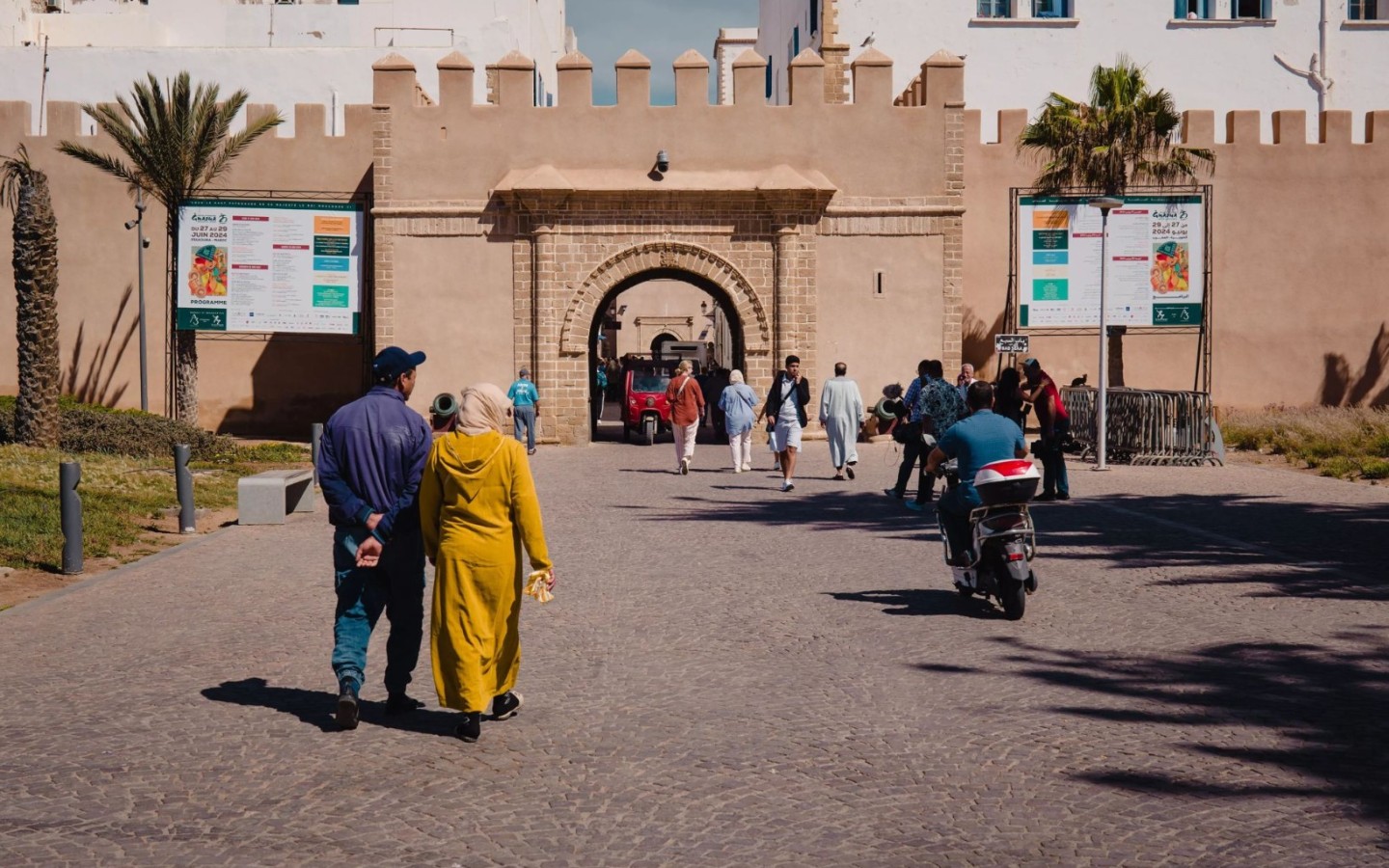
By moving its sixth edition to Essaouira, the biennale does not abandon that history.
Instead, it temporarily expands its geography.
The organisers describe the relocation as exceptional and state that it does not question the biennale’s historic Casablanca roots.
This distinction matters.
The event remains the Casablanca International Biennale, but its 2026/2027 edition becomes a dialogue between Casablanca’s institutional identity and Essaouira’s cultural landscape.
The result is a hybrid situation: a Casablanca biennial unfolding in Essaouira.
That tension can make the edition more interesting because it asks how cultural events carry their history while adapting to new places.
Artists and Artistic Direction
The 2026/2027 edition will bring together more than 80 Moroccan and international artists.
The official focus includes artists from the Middle East, a decision that influenced the timing and relocation of the biennale.
The participating artists will explore subjects including resilience, memory, ecology, and rebirth.
These themes can take many artistic forms.
Some works may address environmental change, coastal landscapes, natural resources, and the relationship between humans and the non-human world.
Others may examine memory through archives, personal histories, collective trauma, migration, or inherited cultural practices.
Rebirth may appear as a spiritual, political, ecological, or material concept.
Resilience may be explored not only as endurance but as the ability to transform under pressure.
Because the full artist list has not yet been published, visitors should check the final programme before travelling.
Ifitry Artists’ Residency
Ifitry Artists’ Residency is one of the key reasons behind the biennale’s temporary relocation to Essaouira.
Several invited artists have developed projects there, making the residency part of the creative process behind the exhibition.
Residency-based production can change the nature of a biennale.
Instead of bringing only completed works into a city, artists have time to encounter local conditions, materials, landscapes, and communities.
This can lead to projects that feel more connected to their environment.
Ifitry’s role also connects the biennale with the idea of artistic research.
Contemporary art is not only the production of objects for exhibition. It can involve observation, conversation, fieldwork, experimentation, failure, and revision.
Visitors should pay attention to works that emerge from this residency context because they may reveal the strongest connection between the theme and the place.
Expected Visitor Experience
Visitors should expect a multi-site exhibition rather than a single venue event.
The biennale will occupy several important places in Essaouira, including locations rarely open to the public.
This means the exhibition route may also function as a way to discover the city.
Movement between venues will be part of the experience.
Some works may be installed in historic or atmospheric spaces where architecture influences the meaning of the artwork.
Other projects may be presented in more conventional exhibition settings or at the Ifitry residency.
The final route may include indoor exhibitions, site-specific installations, performances, conversations, and public events.
Because the programme is still developing, visitors should wait for the official map and schedule before planning a short trip.
A two-day stay will likely be more comfortable than attempting to see the entire biennale in a few hours.