

Manuel Herreros & Mateo Manaure: mi nombre es Venezuela is presented at MASP in São Paulo from 27 November 2026 to 4 April 2027.

The exhibition focuses on TRANS, a groundbreaking 1982 Venezuelan documentary exploring the lives, bodies, and struggles of trans women and travestis in Caracas.

Directed by Manuel Herreros de Lemos and Mateo Manaure Arilla, the 16mm film was made at a time when trans lives in Latin America were seldom portrayed with complexity in museums, cinema, or mainstream public culture.

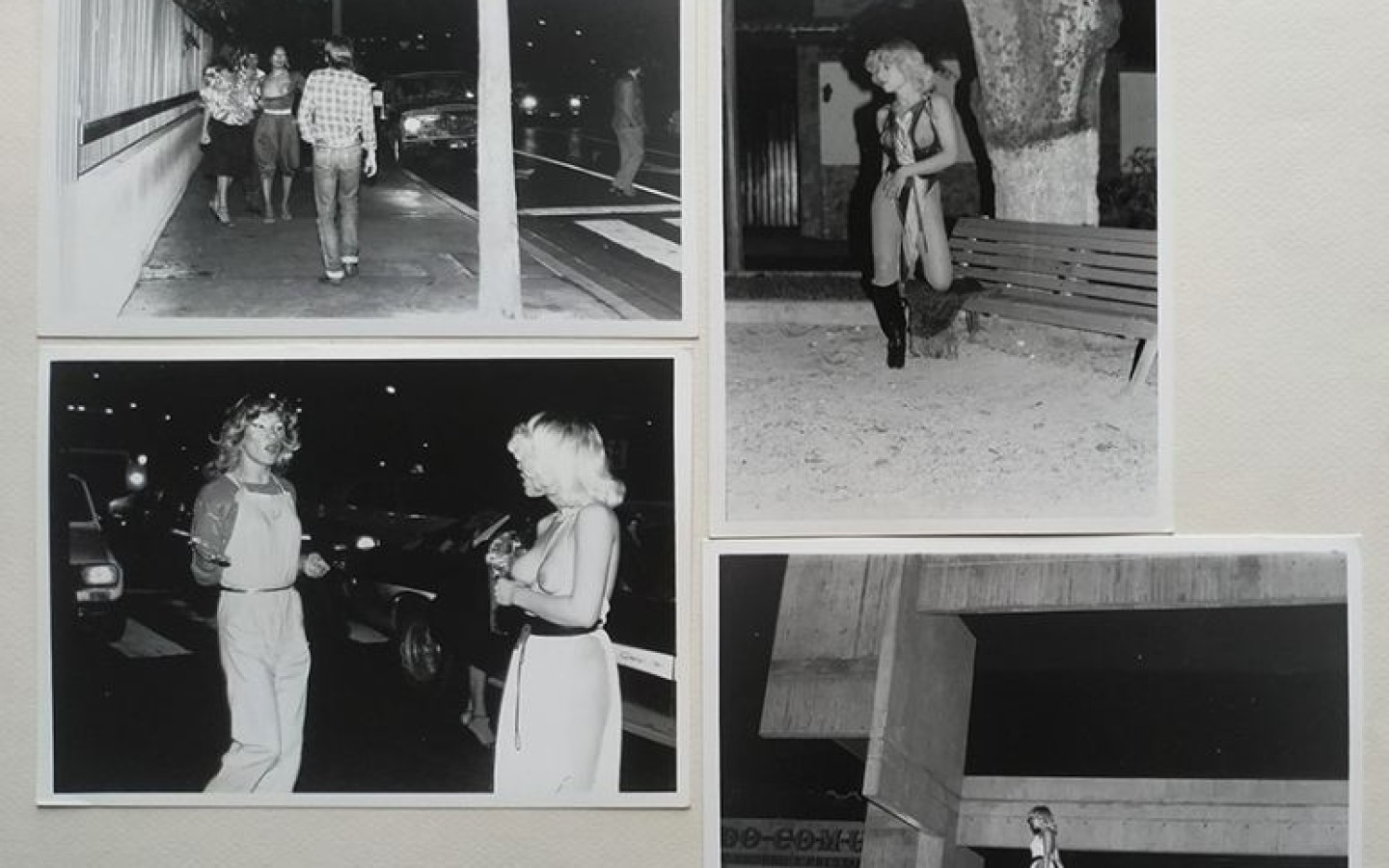
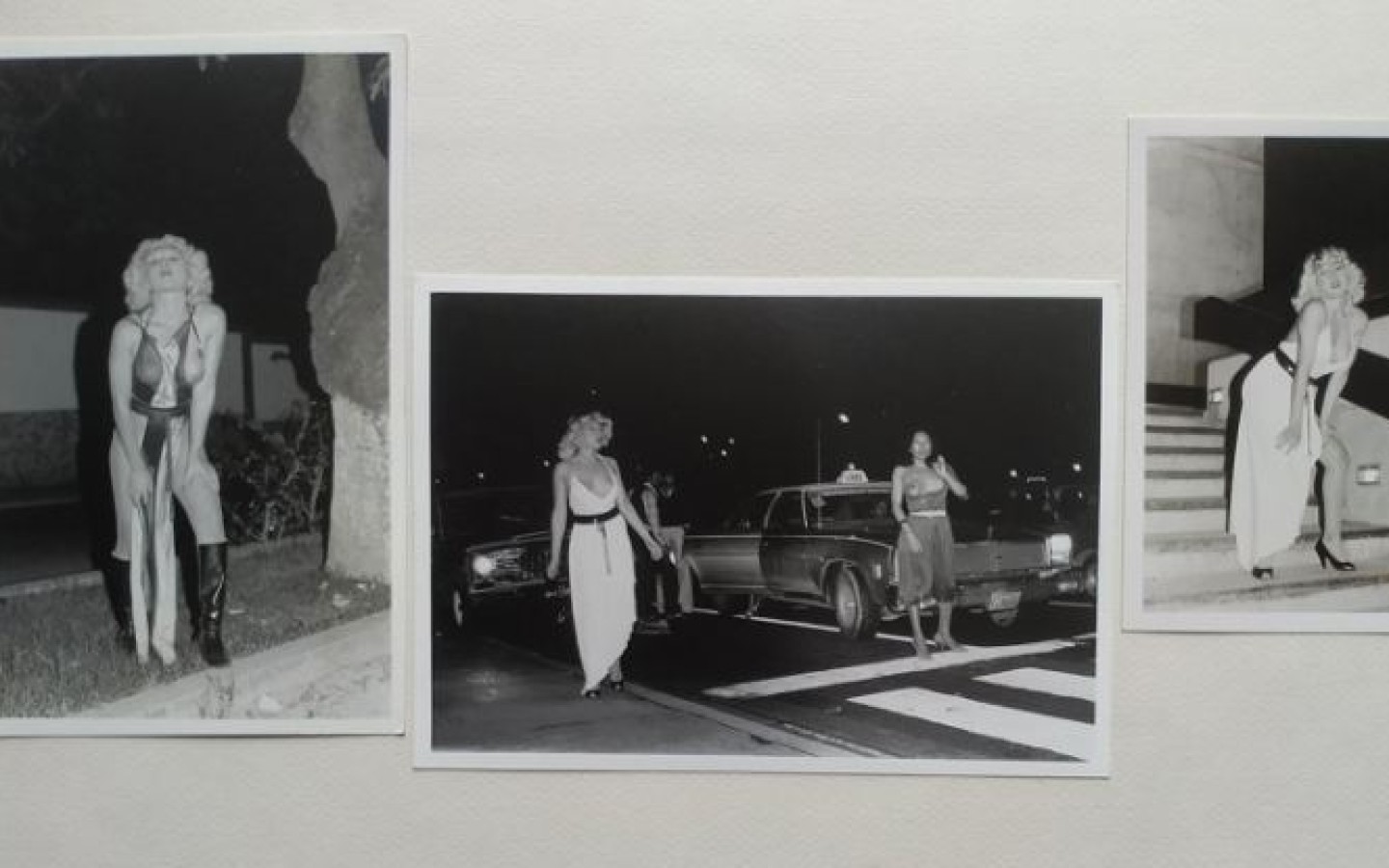
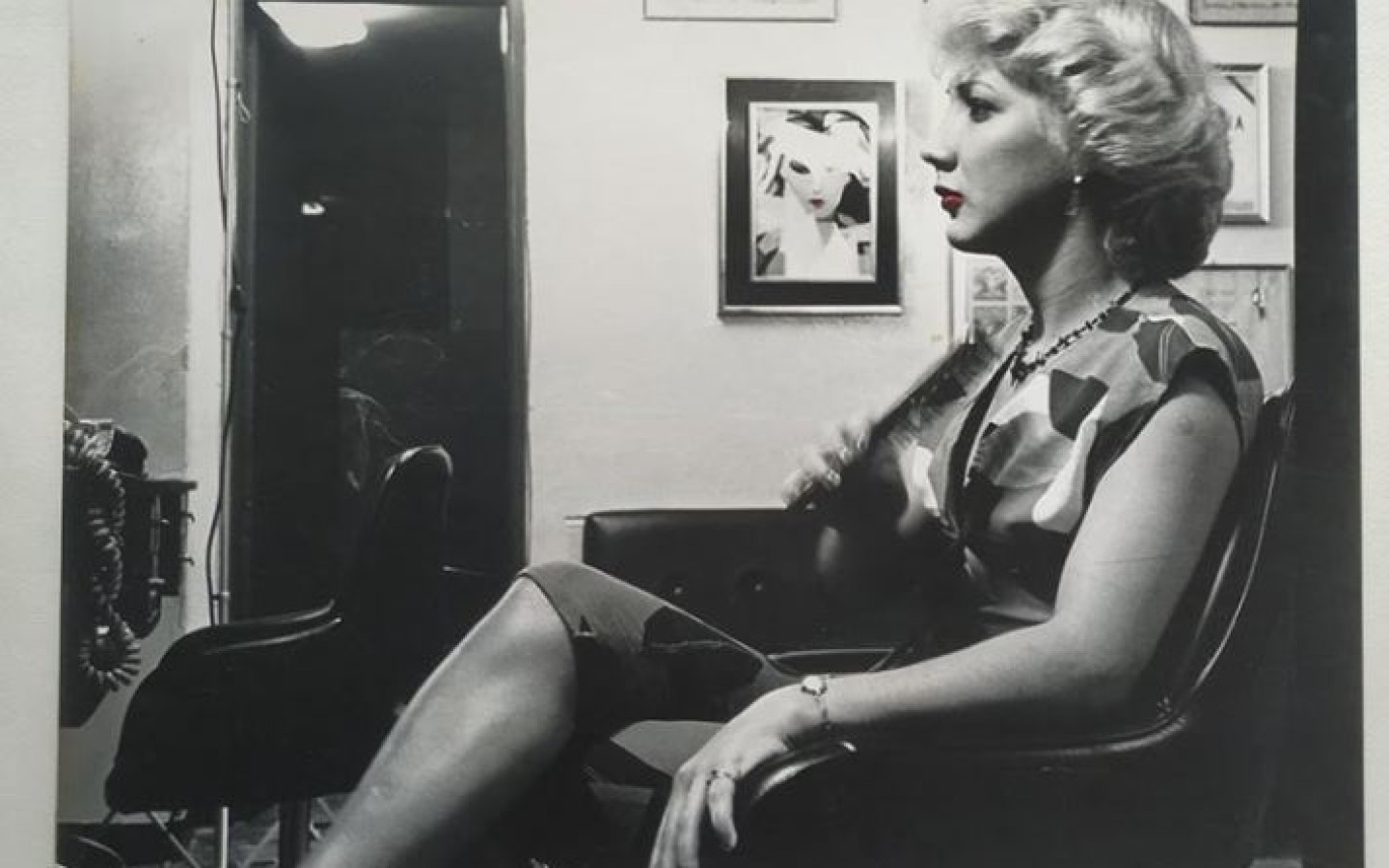
MASP presents the film alongside 75 photographs taken during production.

The images extend the documentary’s world beyond the moving image, capturing intimate moments, streets, clubs, and encounters around Avenida Libertador and other parts of Caracas.

The exhibition addresses gender identity, sex work, institutional exclusion, police violence, the AIDS crisis, and the social pressures faced by trans communities.

For ArtExpoWorld readers, the exhibition offers a significant intersection of visual art, documentary cinema, photography, and Latin American social history.
The exhibition is structured around the original 1982 documentary TRANS.

The film combines interviews with trans women and travestis with observations of daily life in Caracas.

Participants speak directly about their experiences, desires, work, discrimination, and relationships with institutions.

The documentary also includes voices from wider Venezuelan society, revealing the prejudices and systems surrounding the protagonists.

MASP places the film in dialogue with 75 photographs taken during the production process.

These photographs are not simply promotional stills.

Together, they form an extended visual archive of people, places, and moments that could not all be contained within the finished film.

The exhibition also considers the documentary’s complex history.

For decades, TRANS remained largely invisible.

It has only recently been restored, researched, and presented again through international institutions.

Its appearance at MASP therefore functions both as an exhibition and as an act of historical recovery.

Manuel Herreros & Mateo Manaure 2026/2027 Event Overview

Manuel Herreros & Mateo Manaure 2026/2027 – TRANS and Queer Memory in Venezuela

TRANS was made in 1982 and remained largely invisible for decades before being restored and presented again internationally. MASP’s exhibition brings the film together with 75 photographs created during production, turning a nearly forgotten documentary into a much larger visual archive.

Dates:

27 November 2026 - 4 April 2027

Location:

MASP – Museu de Arte de São Paulo Assis Chateaubriand, São Paulo, Brazil

Mission:

The mission of Manuel Herreros & Mateo Manaure: mi nombre es Venezuela is to recover a visual history that was largely excluded from official narratives. The exhibition gives visibility to trans women whose lives were shaped by structural discrimination but who also created communities, identities and forms of resistance. Rather than presenting them only as victims, the project reveals personality, intimacy, humour, desire and agency. The exhibition also asks how documentary images are created. A camera can record violence, but it can also reproduce the power structures surrounding the people being filmed. TRANS becomes especially interesting because the relationship between filmmakers and protagonists is visible throughout the project. The photographic archive adds another layer. Still images allow visitors to pause on details and relationships that pass quickly in moving footage. The wider mission is historical. Preserving these images helps ensure that queer and trans experience remains part of Latin American cultural memory.

Organizer:

Manuel Herreros & Mateo Manaure: mi nombre es Venezuela is organised by MASP. The exhibition is curated by Glaucea Helena de Britto and Matheus de Andrade. The project forms part of MASP’s programme dedicated to Latin American histories. The film TRANS entered the museum’s collection following its donation through the Institute for Studies on Latin American Art. The photographic archive was also donated by Manuel Herreros. MASP places the project within a longer institutional programme examining sexuality, feminism, LGBTQIA+ histories and representation.

Why attend to Manuel Herreros & Mateo Manaure 2026/2027?

The exhibition is worth visiting because it recovers an important but little-known chapter of Latin American visual history.

For film audiences, TRANS offers an early example of documentary engagement with trans lives in the region.

For photographers, the 75 production images provide a parallel archive that can be studied separately from the film.

For historians and researchers, the exhibition documents Caracas during a period of significant social change.

For visitors interested in gender and queer history, the project reveals how representation developed before contemporary language and legal frameworks existed.

For contemporary-art audiences, the exhibition demonstrates the importance of archives.

Works do not need to be newly created to become culturally urgent.

Sometimes the most relevant exhibition is the one that finally allows forgotten material to be seen.

Ticket Information

General admission costs

Current general admission to MASP is R$75.

Reduced admission is R$37 for eligible visitors.

Tuesday admission is free and requires advance online booking.

MASP currently operates Wednesday and Thursday from 10:00 to 18:00, Friday until 21:00, and weekends from 10:00 to 18:00.

Friday admission is free during the evening hours under the museum’s current programme.

The museum is closed on Mondays.

Prices and opening hours may change before 2027, so visitors should confirm current information shortly before traveling.

Getting There:

MASP is located at Avenida Paulista 1578 in São Paulo.

The nearest metro station is Trianon-MASP on Line 2, the Green Line.

The museum is only a short walk from the station.

Numerous buses operate along Avenida Paulista and surrounding streets.

Taxi and rideshare services are widely available.

São Paulo–Guarulhos International Airport is the city’s main international gateway.

Congonhas Airport handles many domestic flights and is closer to central São Paulo.

Traffic can be extremely heavy, so metro travel is often the most predictable option.

Accommodation

Jardins is one of the most convenient areas for visitors attending exhibitions at MASP.

It offers hotels, restaurants, commercial galleries, and walking access to Avenida Paulista.

Bela Vista provides another practical option close to the museum.

Pinheiros is ideal for visitors interested in contemporary galleries, restaurants, and nightlife.

Higienópolis offers a quieter residential environment with good cultural connections.

Itaim Bibi provides upscale accommodation but requires more travel to MASP.

Visitors planning several museum days should prioritize accommodation near a metro station.

Don't Miss an Exhibition

Follow us on X to get the latest art events from around the world first

Follow

Gallery: Manuel Herreros & Mateo Manaure 2026/2027

Secure Your Spot at Manuel Herreros & Mateo Manaure 2026/2027 — Before It's Too Late

Tickets are limited and sell out fast.
Get instant access to the Manuel Herreros & Mateo Manaure 2026/2027 registration page and be the first to know about exclusive events, VIP passes, and travel perks.

Early access. Limited availability. Global art at your fingertips.

History & Context of a Manuel Herreros & Mateo Manaure 2026/2027

TRANS was made in Caracas in 1982.

Latin America at the beginning of the 1980s offered very limited legal or social protection for trans people.

Discrimination affected access to employment, healthcare, housing, and public spaces.

Sex work became an economic reality for many trans women excluded from other forms of employment.

Police persecution and institutional violence were common.

The emergence of the AIDS crisis soon intensified existing prejudice.

Within this environment, Herreros and Manaure created a film focused directly on trans experience.

Much of the material was produced around Avenida Libertador and the Sabana Grande area of Caracas.

These urban environments become an important part of the film.

The city is not simply background.

Its streets, nightlife, and institutions shape the lives being documented.

TRANS now also belongs to a wider history of queer Latin American cinema, photography, and archival recovery.

Tips for Visitors of Manuel Herreros & Mateo Manaure 2026/2027

Allow at least 90 minutes for the exhibition.

Make enough time to watch TRANS rather than treating it as background video.

Read the historical context before viewing the photographs.

Language around gender identity has changed considerably since 1982.

Keep that historical difference in mind when encountering terminology from the period.

Do not treat the exhibition only as documentation of suffering.

Pay attention to moments of friendship, performance, humour and personal agency.

Photography restrictions may apply to archival material, so check exhibition signage.

Visit MASP’s other Latin American exhibitions during the same trip.

The exhibition forms part of a wider programme dedicated to Latin American histories.

Tips from the ArtExpoWorld

Do not enter this exhibition expecting a comfortable historical documentary.

Its value lies partly in the discomfort.

Look at who is speaking, who is looking and who controls the camera.

Then look again at the photographs.

The difference between being documented and being remembered is one of the most important questions in the exhibition.

Be the First to Access Official "Manuel Herreros & Mateo Manaure 2026/2027" Tickets

Don’t miss your chance to attend one of the world’s leading art fairs. Get direct access to the official ticketing page, exclusive updates, and important visitor information.

Early access. Limited availability. Global art at your fingertips.

Editor’s Note

Manuel Herreros & Mateo Manaure: my name is Venezuela matters because archives decide who remains visible.

For ArtExpoWorld, the exhibition’s strength lies in recovering lives that institutions once ignored.

The people appearing in TRANS were already creating identities, communities, and ways of surviving long before museums developed the language to discuss them.

The exhibition does not rewrite that history into something clean.

It allows the complexity to remain.

That is exactly why the project feels contemporary more than forty years after the camera first entered the streets of Caracas.

Current and Upcoming Art Expos