

MASP presents a major exhibition dedicated to Venezuelan artist Jesús Rafael Soto from 27 November 2026 to 4 April 2027.

Soto was one of the defining figures of kinetic art and one of the most internationally important Latin American modernists of the twentieth century.

His work transformed geometry into movement.

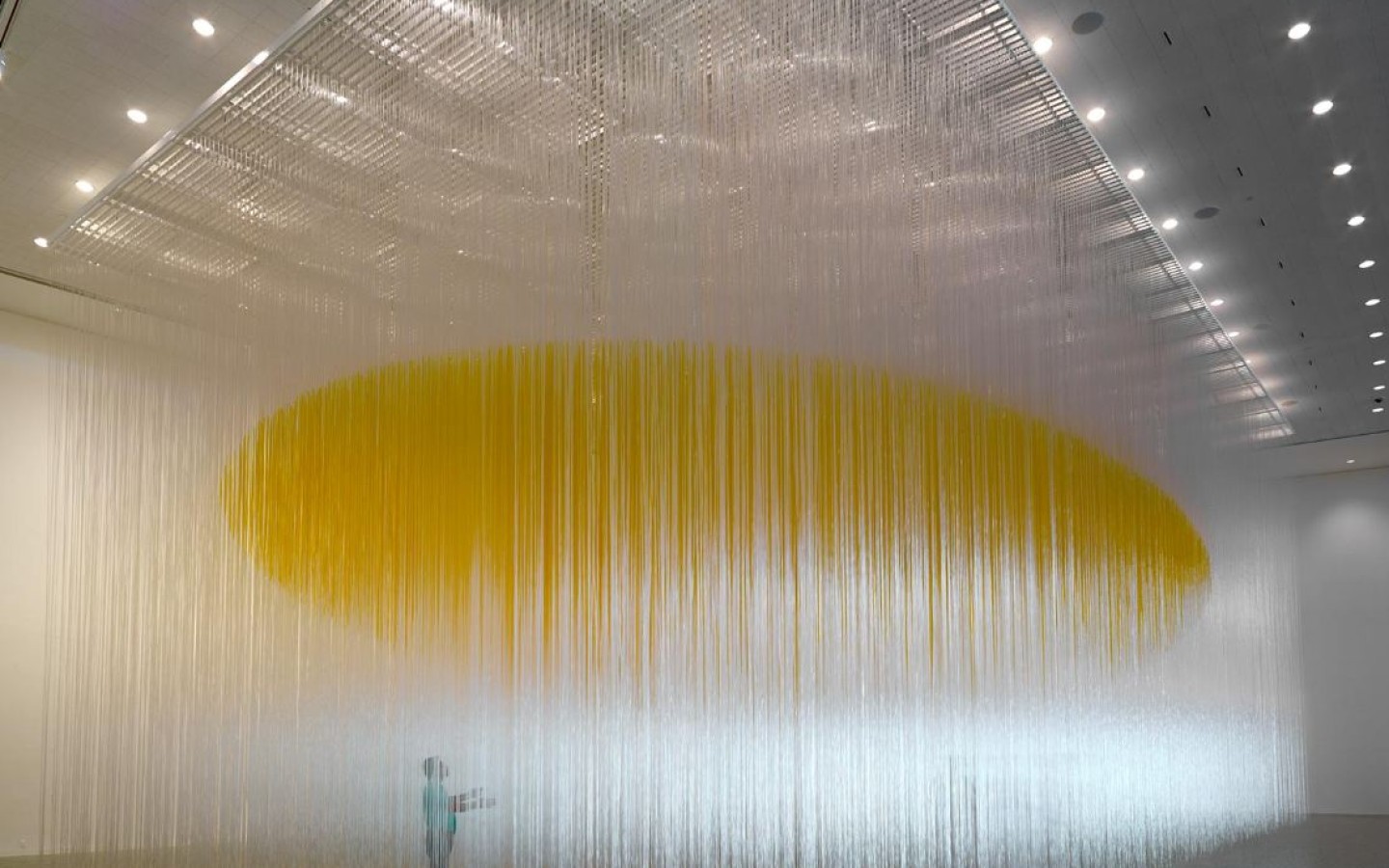
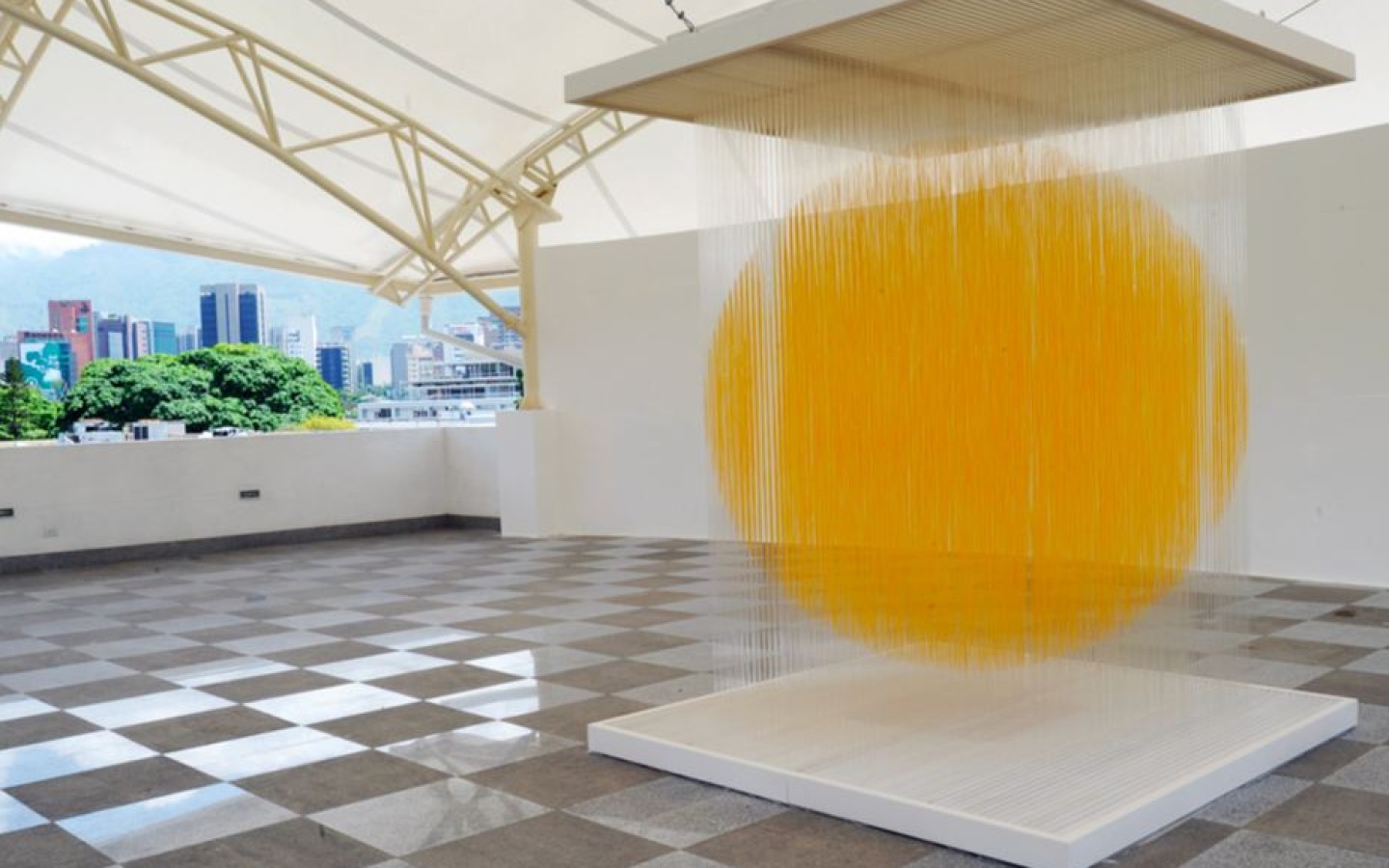
Lines, transparent surfaces, suspended elements, and repeated forms create optical effects that shift as the viewer moves.

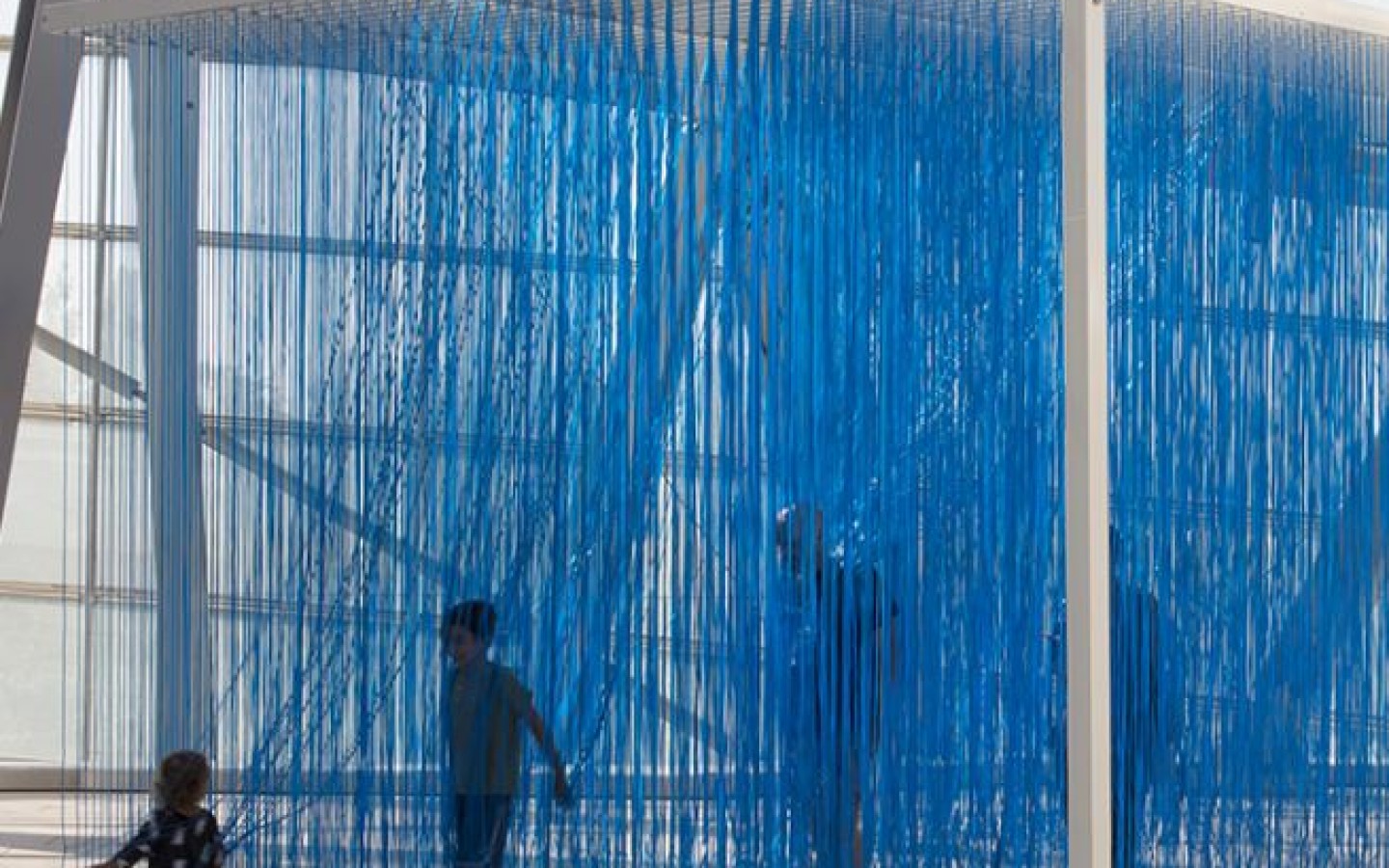
In his celebrated Penetrables, the relationship becomes even more physical.

Visitors enter environments filled with hanging elements and experience the artwork through their own bodies.

The MASP exhibition focuses on Soto’s production from the early 1950s to the late 1980s, the period in which he developed some of his most radical experiments with optical vibration, geometry, movement, and participation.

For ArtExpoWorld readers, this is one of the strongest modern-art exhibitions in South America spanning the beginning of 2027.
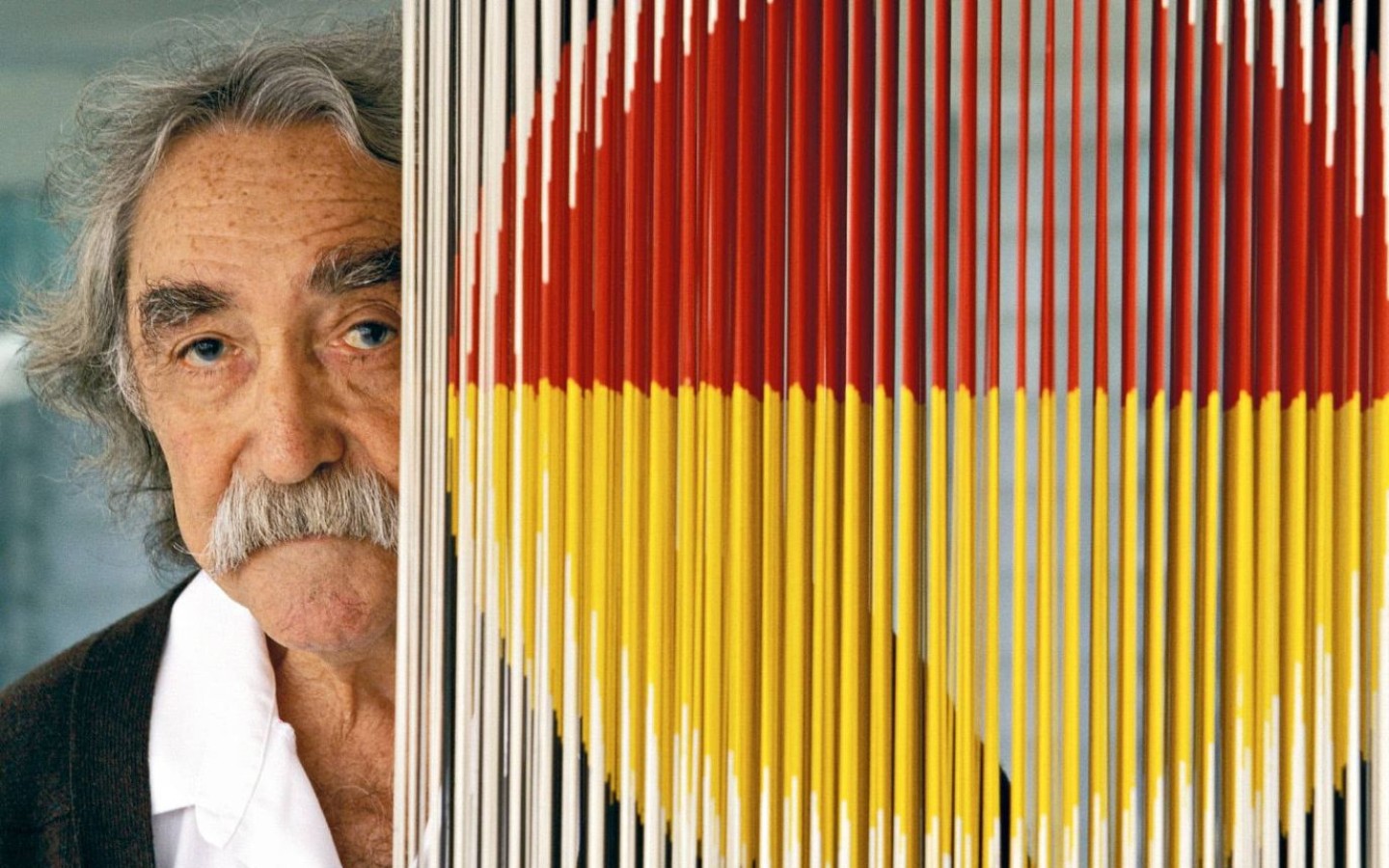
The Jesús Soto exhibition brings together historical works, interactive pieces, and archival material.

Loans come from important collections in Brazil, France, and the United States.

The chronological focus begins in the early 1950s.

This was the period when Soto moved to Paris and began engaging more deeply with geometric abstraction.

He experimented with the superimposition of transparent and opaque planes.

As viewers moved in front of the works, apparently stable geometric forms began to visually vibrate.

Movement did not always need to come from the artwork itself.

The viewer’s changing position could activate the experience.

Soto later pushed these ideas into three-dimensional and architectural space.

His Penetrables allowed audiences to walk directly into the artwork.

The MASP survey therefore moves from optical experimentation toward increasingly immersive forms.

The exhibition is the artist’s first solo museum presentation in Brazil in more than twenty years.

Jesús Soto 2026/2027 Event Overview

Jesús Soto 2026/2027 – Kinetic Art and Immersive Space at MASP

Soto began developing his famous Penetrables in the late 1960s. Instead of remaining outside the artwork, visitors physically move through hanging elements. The distinction between spectator and artwork becomes deliberately unstable.

Dates:

27 November 2026 - 4 April 2027

Location:

MASP – Museu de Arte de São Paulo Assis Chateaubriand, São Paulo, Brazil

Mission:

The mission of the Jesús Soto exhibition is to show how radically the artist transformed the relationship between artwork, space, and viewer. Traditional painting assumes a relatively stable observer standing in front of a fixed surface. Soto rejected that stability. His works change when the viewer moves. Perception becomes active. The exhibition also places Soto firmly within global modernism. Kinetic art was an international movement involving artists working across Europe and Latin America. Soto became one of its most important figures while maintaining strong connections with Venezuela. The exhibition also revisits ideas that remain remarkably contemporary. Interaction, immateriality, virtual space, and audience participation are now common themes in digital and installation art. Soto was investigating similar questions decades before contemporary interactive technology became widespread.

Organizer:

Jesús Soto is organised by MASP. The exhibition is curated by Adriano Pedrosa, Artistic Director of MASP, and Mateus Nunes, Assistant Curator. Isabela Ferreira Loures provides curatorial assistance. The project includes loans from important American, French and Brazilian collections. Historical works, interactive pieces and archival materials provide a broad view of Soto’s experimentation. The exhibition marks the first solo museum presentation dedicated to Soto in Brazil in more than twenty years.

Why attend to Jesús Soto 2026/2027?

The exhibition is worth visiting because Soto's work depends on physical encounter.

Photographs cannot reproduce what happens when optical lines shift as the viewer moves.

For modern-art audiences, the exhibition offers a major survey of one of Latin America's most influential twentieth-century artists.

For students and designers, Soto provides an important historical connection between geometry, perception, and interactive experience.

For architects, his work demonstrates how sculpture can expand into space.

For visitors interested in digital and immersive art, Soto's experiments reveal that participation and virtual effects have much deeper histories than contemporary technology.

For Latin American art researchers, the exhibition also demonstrates the international position occupied by Venezuelan modernism during the twentieth century.

Ticket Information

General admission costs

Current general admission to MASP is R$75.

Reduced admission is R$37.

Tuesday admission is free with advance online reservation.

MASP currently opens Tuesday from 10:00 to 20:00, Wednesday and Thursday from 10:00 to 18:00, Friday until 21:00 and Saturday and Sunday from 10:00 to 18:00.

The museum is closed on Mondays.

A free-admission period currently operates on Friday evenings.

Ticket prices and hours may be updated before 2027, so visitors should confirm details shortly before attending.

Getting There:

MASP is located at Avenida Paulista 1578 in São Paulo.

The nearest metro stop is Trianon-MASP on Line 2.

The museum is just a short walk from the station.

Avenida Paulista is also served by numerous bus routes.

Taxi and rideshare services are widely available.

São Paulo–Guarulhos International Airport handles most international arrivals.

Congonhas Airport is closer to central São Paulo and serves many domestic routes.

Using the metro can significantly reduce travel uncertainty during rush hour.

Accommodation

Jardins is one of the best areas for visitors focused on MASP and commercial galleries.

Bela Vista offers convenient access to Avenida Paulista and central São Paulo.

Pinheiros provides contemporary galleries, restaurants, and nightlife.

Higienópolis offers quieter surroundings with strong cultural connections.

Itaim Bibi provides upscale hotels and dining.

Visitors planning an art-focused itinerary should choose accommodation near reliable metro connections.

São Paulo’s size makes transport planning an important part of the trip.

Don't Miss an Exhibition

Follow us on X to get the latest art events from around the world first

Follow

Gallery: Jesús Soto 2026/2027

Secure Your Spot at Jesús Soto 2026/2027 — Before It's Too Late

Tickets are limited and sell out fast.
Get instant access to the Jesús Soto 2026/2027 registration page and be the first to know about exclusive events, VIP passes, and travel perks.

Early access. Limited availability. Global art at your fingertips.

History & Context of a Jesús Soto 2026/2027

Jesús Rafael Soto was born in Ciudad Bolívar, Venezuela, in 1923.

He studied art in Caracas and later became director of the Escuela de Artes Plásticas in Maracaibo.

In 1950, he moved to Paris.

There he encountered artists and ideas connected with geometric abstraction, Op Art, and the emerging kinetic art movement.

He participated in the influential 1955 exhibition Le Mouvement at Galerie Denise René.

That exhibition became a key moment in the development of kinetic art.

Soto worked alongside and in dialogue with figures including Victor Vasarely, Jean Tinguely, and other artists interested in movement and perception.

During the 1960s and 1970s, his work expanded into large-scale installations.

His Penetrables became internationally recognized.

Soto also created monumental public works for institutions and architecture in Europe and the Americas.

In 1973, a museum dedicated to modern art and his own collection opened in his birthplace of Ciudad Bolívar.

Soto died in Paris in 2005.

Tips for Visitors of Jesús Soto 2026/2027

Move.

Standing still in front of Soto’s work defeats part of the point.

Walk slowly from side to side and watch what happens to the relationships between lines and planes.

If interactive works permit entry, follow the museum’s instructions and experience them physically.

Do not touch works unless participation is explicitly allowed.

Look at the archival material.

Understanding Soto’s connections with Paris, Caracas and international kinetic-art networks adds important historical context.

Allow at least 90 minutes for the exhibition.

Visit at a quieter time if possible, because several works benefit from space around the viewer.

Tips from the ArtExpoWorld

Soto is not an artist to understand from a photograph.

Your movement is part of the work.

Watch what happens when an apparently solid object begins to dissolve visually simply because you took two steps to the side.

That is the moment when the exhibition makes sense.

Be the First to Access Official "Jesús Soto 2026/2027" Tickets

Don’t miss your chance to attend one of the world’s leading art fairs. Get direct access to the official ticketing page, exclusive updates, and important visitor information.

Early access. Limited availability. Global art at your fingertips.

Editor’s Note

Jesús Soto 2026/2027 matters because interactive art did not begin with touchscreens, sensors or virtual reality.

For ArtExpoWorld, Soto’s importance lies in understanding that perception itself could be interactive.

He needed little more than line, space, transparency and the movement of the human body.

The technology is simple.

The experience is not.

More than half a century later, his work still makes the viewer question whether movement belongs to the object, the eye or the space between them.

Current and Upcoming Art Expos