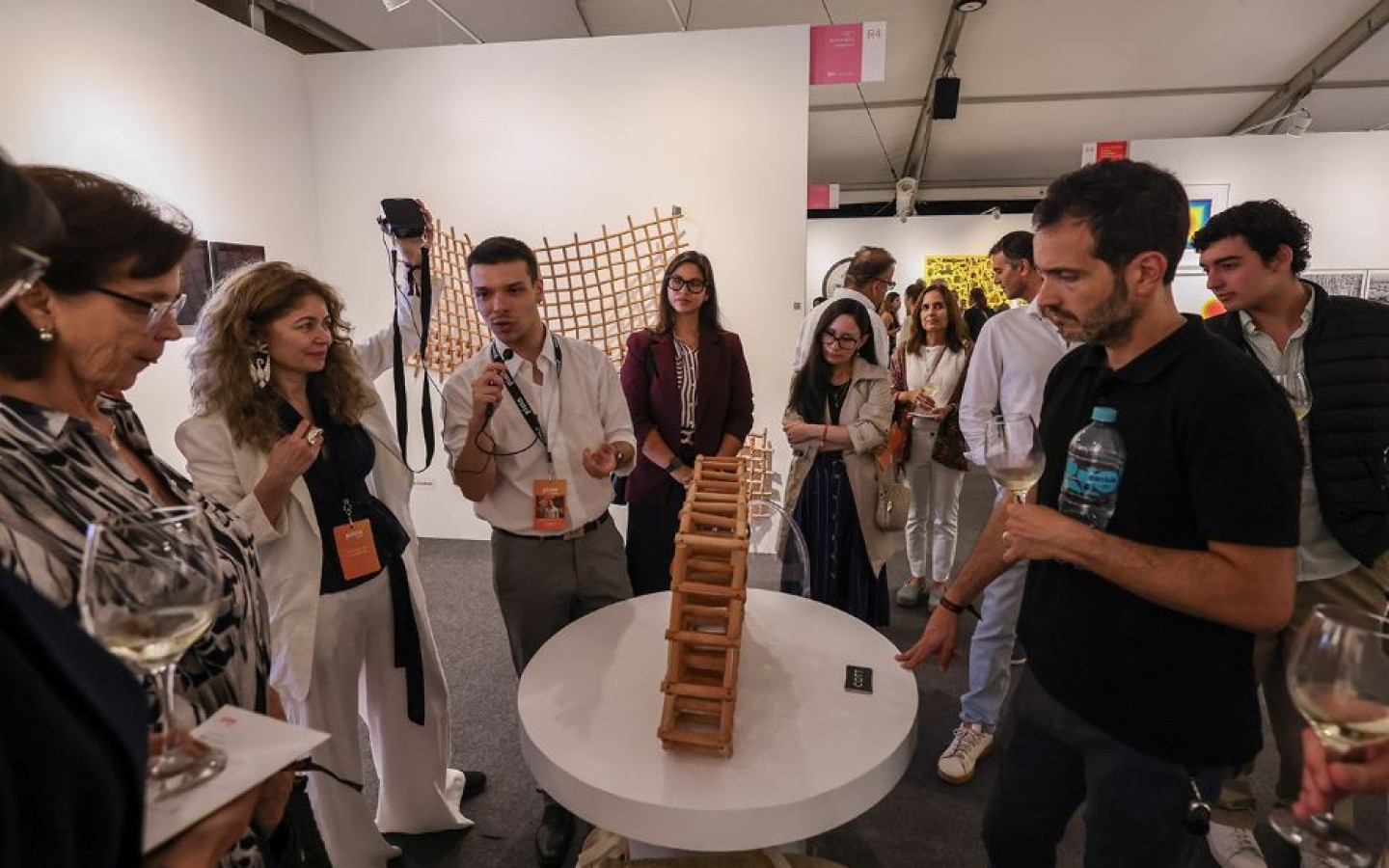
A regional art scene becomes much more interesting when its differences are allowed to show. Pinta Lima returns to Casa Prado in Miraflores on 22–25 April 2027 for its fourteenth edition, offering a gallery-led encounter with contemporary Latin American art. Its appeal begins with Lima’s position within that network, then extends through the practices individual galleries choose to present.

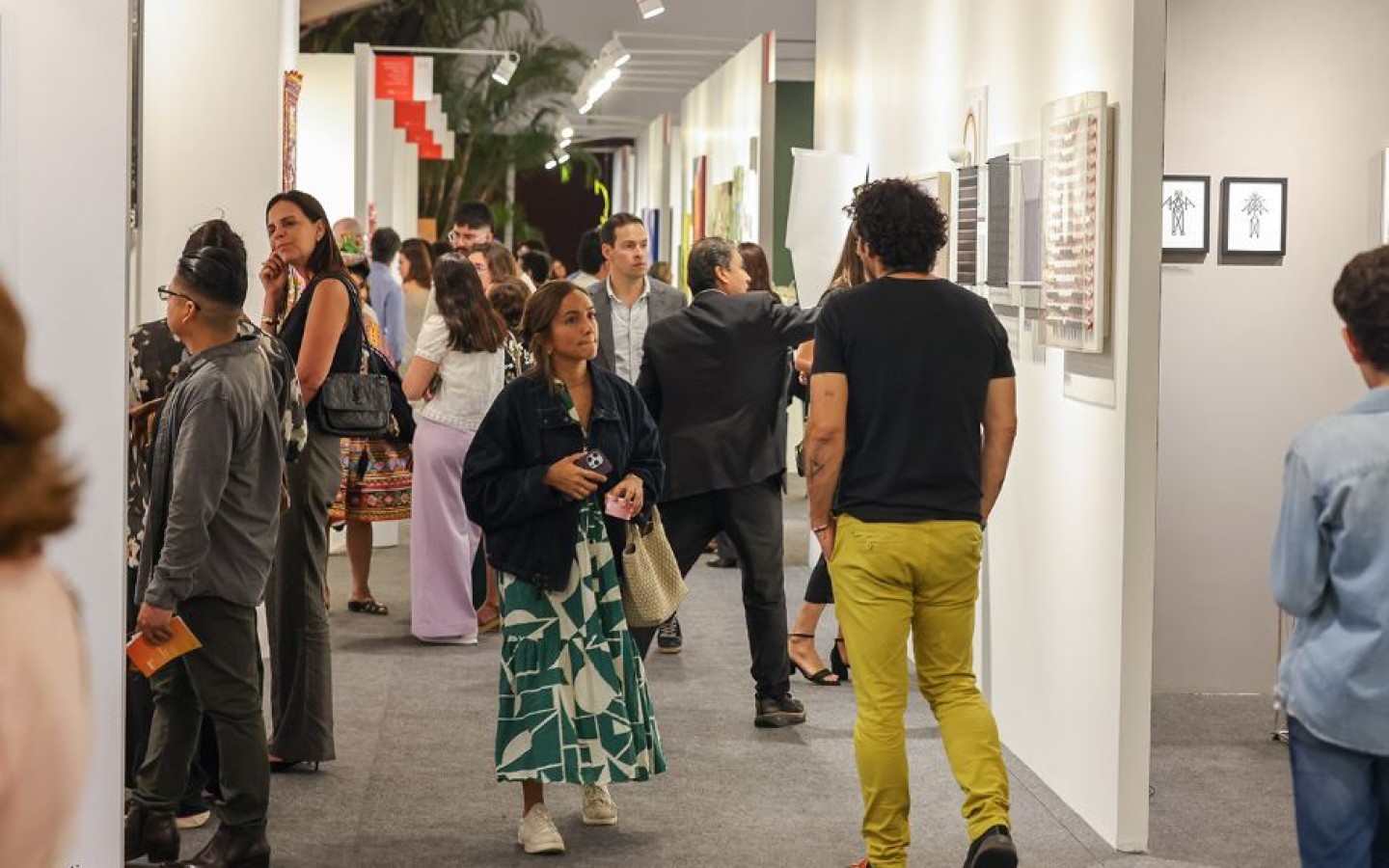
The fair suits a visitor who wants to move beyond a few internationally repeated names. A work encountered here can open a question about a material, a local exhibition history, or an artistic conversation that is harder to follow from outside the region.

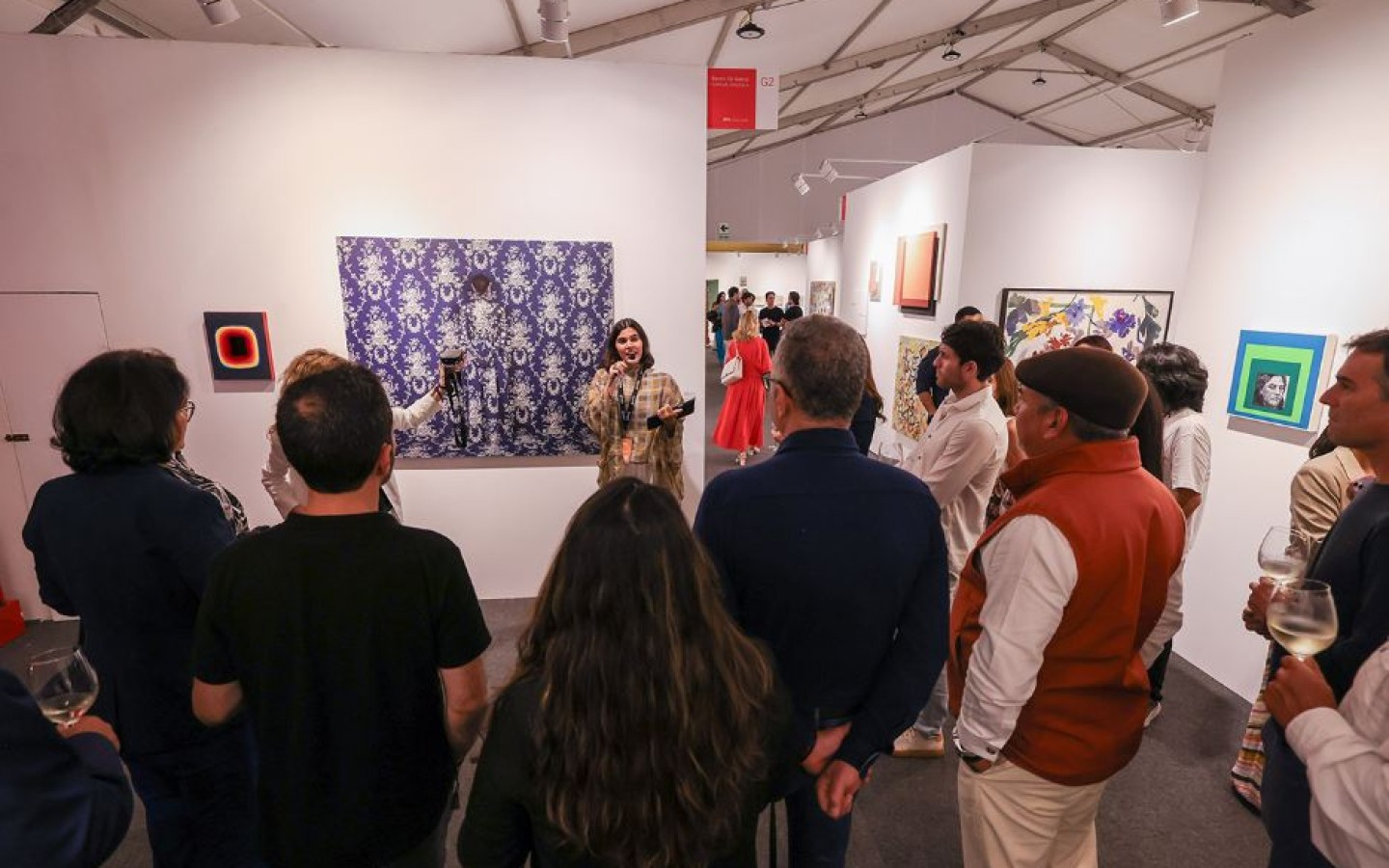
The organiser’s 2027 gallery call describes a main section of international galleries alongside curated sections including NEXT and RADAR. It asks applicants to make the artists, written concept and spatial proposal work together. That is a meaningful starting point for the visitor: a stand should explain why these particular works belong together.

Applications are made by contemporary art galleries, rather than by individual artists. The selection is therefore also an encounter with gallery programmes and the relationships that sustain them. A useful conversation can concern how long a gallery has followed a practice, where the artist exhibits and which changes are visible in the new work.

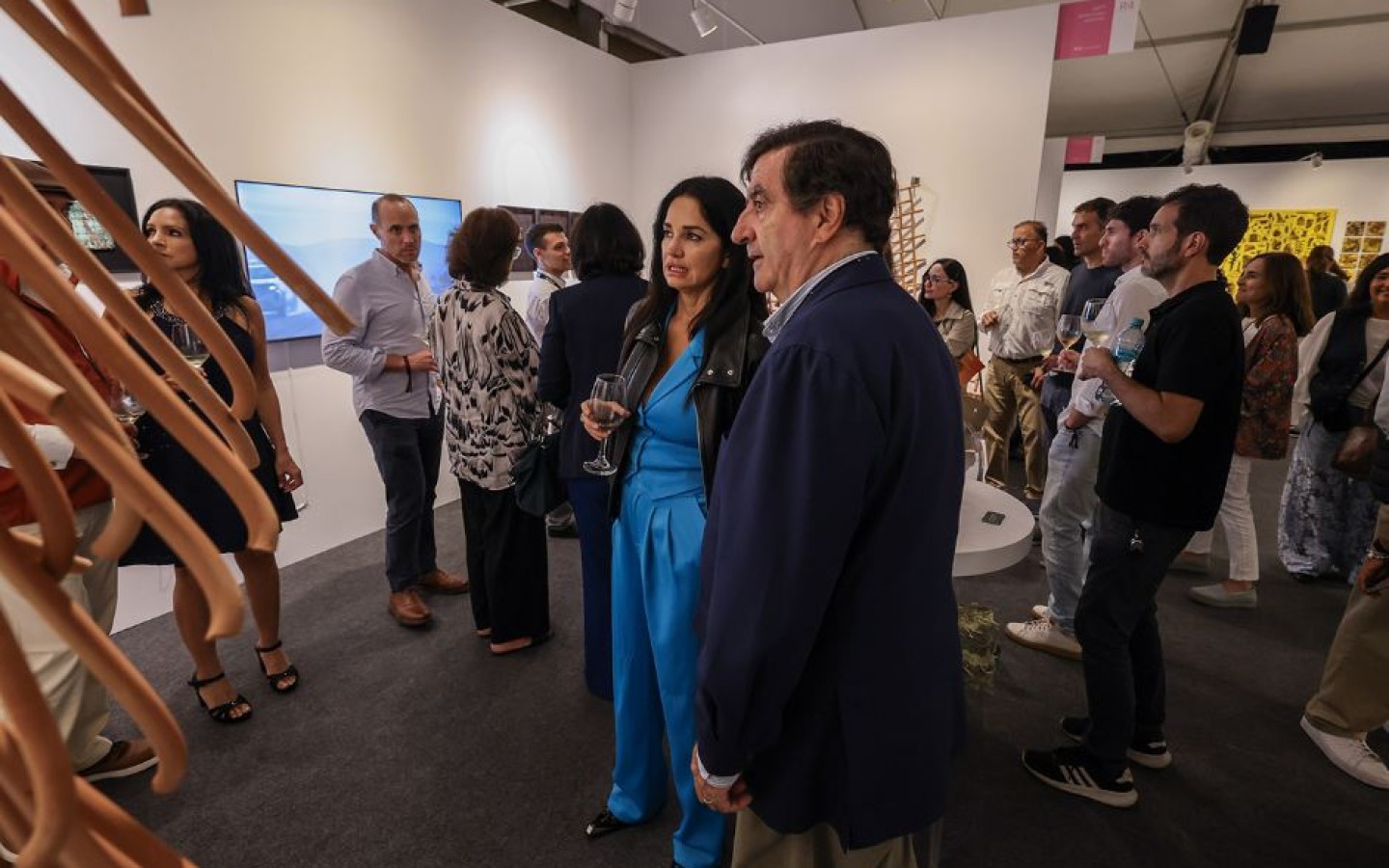
Casa Prado supplies a distinct setting within Miraflores. Instead of treating the venue as a scenic backdrop, look at how each presentation handles its allocated space. The relationship between a painting, an object and the path through a stand can reveal the coherence of a proposal before any explanatory text is read.

The final 2027 gallery and artist lists will give the fair its precise character. Its regional identity should be understood through those details. Latin America contains many artistic histories, and a good visit allows one artist’s use of an image or material to remain different from another’s.

Pinta Lima 2027 Event Overview

Pinta Lima 2027: Casa Prado Dates & Visitor Guide

Dates:

22 April 2027 - 25 April 2027

Location:

Casa Prado, Avenida 28 de Julio 878, Miraflores, Lima, Peru. Follow the entrance and access information issued for the 2027 fair when arranging transport.

Mission:

Pinta Lima connects galleries, artists and audiences in Peru with the wider Latin American and international contemporary-art network. Its curated structure aims to give specific artistic proposals a setting in which they can be understood and discussed.

Organizer:

Pinta, through its Lima fair team. The platform also organizes other art fairs and art-week initiatives across the Americas, while Pinta Lima retains its own selection and local context.

Why attend to Pinta Lima 2027?

Lima offers a particularly useful starting point for readers interested in how contemporary art circulates within Latin America. A fair concentrates several gallery perspectives in one place, making it possible to compare the same medium or question across practices with different backgrounds.

That concentration is most rewarding when the conversation becomes specific. A woven element, a photographed landscape, or a repeated sign may carry a history that is not obvious from appearance. Ask how the artist uses it in this particular work. The answer can turn an attractive first impression into a more durable interest.

Ticket Information

General admission costs

No unconfirmed 2027 admission price is quoted here. When the visitor offer opens, check the selected day, entry category, and whether talks or special sessions require an additional reservation. The announced edition period alone does not determine which sessions are open to everyone.

Getting There:

Use Casa Prado in Miraflores as the destination and allow a realistic margin for Lima traffic. Keep airport transfers separate from the fair-day plan. For gallery visits elsewhere in the city, build a route around actual appointments and opening hours rather than assuming all cultural venues follow the fair’s schedule.

Accommodation

Miraflores can provide a practical base for repeated fair visits. Compare the journey to Casa Prado with the journeys needed for the rest of the trip. A slightly longer stay is often more useful than an ambitious list of neighbourhoods compressed between fixed meetings.

Don't Miss an Exhibition

Follow us on X to get the latest art events from around the world first

Follow

Gallery: Pinta Lima 2027

Secure Your Spot at Pinta Lima 2027 — Before It's Too Late

Tickets are limited and sell out fast.
Get instant access to the Pinta Lima 2027 registration page and be the first to know about exclusive events, VIP passes, and travel perks.

Early access. Limited availability. Global art at your fingertips.

History & Context of a Pinta Lima 2027

Now entering its fourteenth edition, Pinta Lima has become an established meeting point for the Peruvian contemporary-art scene and its international connections. The continuity gives returning visitors a chance to follow artists over time, including changes that may be less visible in a single isolated presentation.

The event used the name Pinta PArC from 2022 and Pinta Lima from 2025; older catalogues may therefore appear under its former title. See how the preceding edition was introduced in our Pinta Lima 2026 coverage. For a wider regional point of comparison, ZONAMACO 2027 in Mexico City combines contemporary art with other collecting fields. Lima’s gallery proposals provide a different, more locally anchored starting point for following the season.

Interesting Fact

A knot can change the meaning of a painted surface. At the fair’s 2024 edition, then known as Pinta PArC, Sharon Lerner curated a tribute to Jorge Eduardo Eielson that brought together four decades of his visual work. His Quipus, developed in relation to pre-Hispanic knotting techniques, appeared alongside earlier coastal landscapes and later series. Many of the loans came from private collections in Lima.

That breadth was the interesting decision. Showing the celebrated knots beside less familiar bodies of work allowed Eielson to emerge as an artist who changed over time. In our reading, the knot is a particularly compelling point at which an image becomes a physical event: tension and gathering take the place of a mark made with a brush. The 2024 tribute is historical context, rather than an announced project for 2027; it demonstrates the kind of concentrated artistic argument a fair can make.


Tips for Visitors of Pinta Lima 2027

Read a stand’s short introduction, then choose a work that seems to complicate it. Ask the gallery why that piece was included. This can reveal whether the presentation has a clear artistic argument or simply a convenient theme.

If a work remains in mind after the visit, keep its title and the artist’s name with the gallery details. Request information that helps you continue looking: a publication, an exhibition history or images of related works. A fair encounter becomes more valuable when it opens a path beyond the stand.

Tips from the ArtExpoWorld

For photographs, prints or other editioned works, ask for the medium, dimensions and edition information in writing. With textiles and works using found materials, ask how the object should be displayed and maintained. These details help you understand what the artist has made even when you have no intention of buying.

Our selection of Latin American art fairs in the first half of 2027 compares Lima with two different February settings in Mexico City. It is useful for readers deciding whether their interest lies in a large collecting platform, an artist-led selection or the regional gallery conversation that brings them to Peru.

Be the First to Access Official "Pinta Lima 2027" Tickets

Don’t miss your chance to attend one of the world’s leading art fairs. Get direct access to the official ticketing page, exclusive updates, and important visitor information.

Early access. Limited availability. Global art at your fingertips.

Editor’s Note

We would approach Pinta Lima as a place to question the categories through which Peruvian art is often introduced abroad. A textile, an abstract painting, and an image associated with the Amazon should not have to explain themselves through a single national narrative. The artist’s particular decisions must remain visible. A regional fair earns its importance by making those distinctions easier to understand.

The Eielson tribute in 2024 showed what a fair can contribute by bringing privately held works into a focused presentation. The insistence on a coherent gallery proposal in 2027 gives us a related critical standard. If a stand invokes memory, territory, or identity, the arrangement should show how those subjects are worked through: perhaps through repetition, the treatment of a surface, or a deliberately uneasy relationship between two objects. A paragraph on the wall cannot substitute for those choices. Nor does an evocative material automatically make a work culturally or historically substantial.

Pinta Lima interests us because an artist’s local relationships can become clearer here than in an international survey that selects a single representative piece. We would favour presentations that show development, disagreement, or risk within a practice. That is where a fair can contribute to art history in a modest but real way: by giving a particular body of work enough visibility and explanation to be considered on its own terms.

Current and Upcoming Art Expos