









Sightseeing in Washington, D.C.: The Ultimate Must-See List
Washington, D.C. is one of the world’s most recognizable capital cities, yet its appeal extends far beyond political institutions. Monumental avenues, free museums, memorial landscapes, historic neighborhoods, riverfront paths, and art collections create a destination with unusual cultural depth. Sightseeing in Washington, D.C. can transition from American history to modern architecture, landscaped parks, and lively residential streets all within a single day.
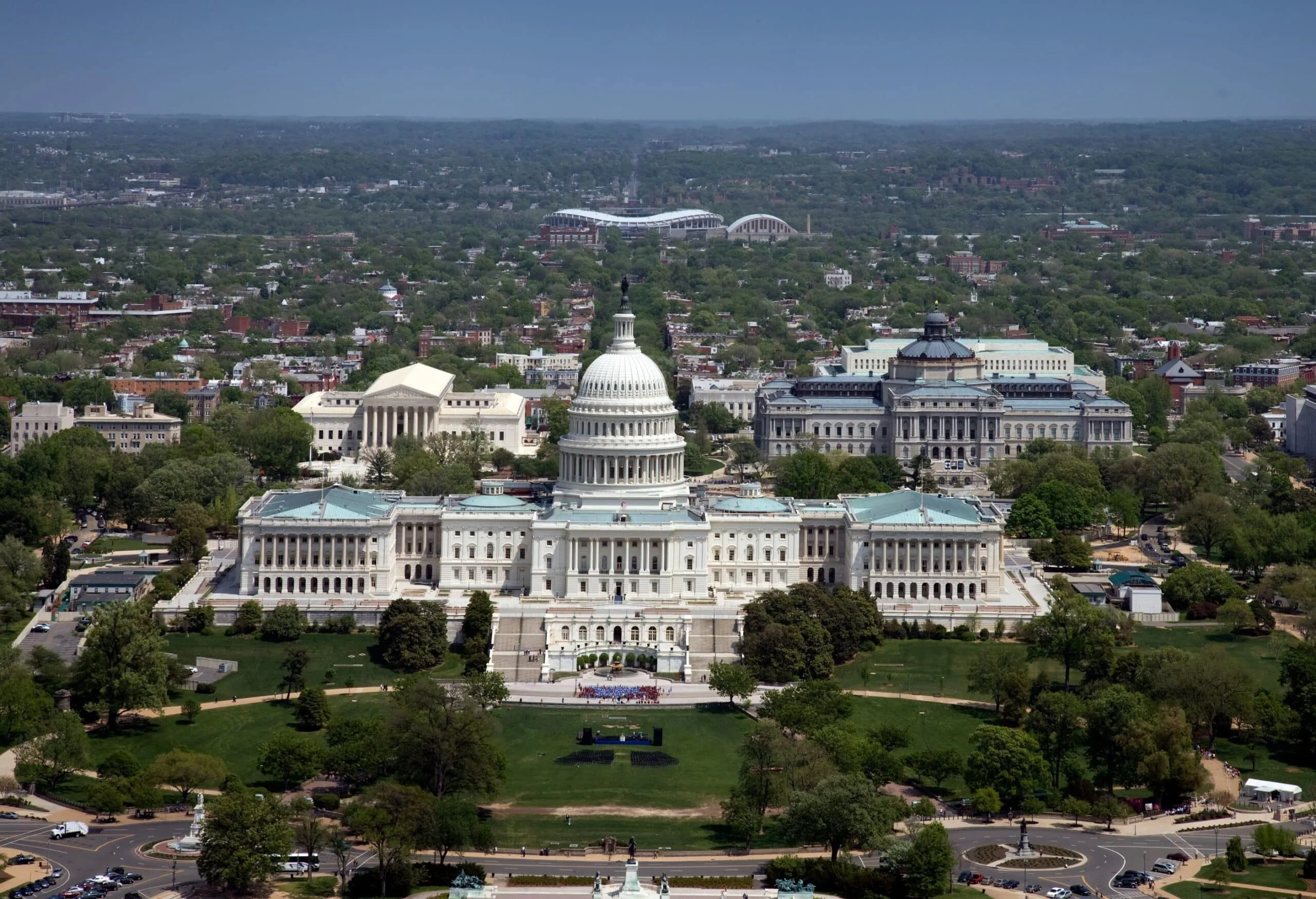
A carefully planned Must-See Washington, D.C. itinerary should balance the National Mall with museums, government landmarks, and neighborhoods beyond the ceremonial center. The city’s scale can be deceptive, so travelers should group nearby attractions and allow enough time for museum visits and long walks.
National Mall and Memorials – The Essential Washington Experience
The National Mall is the symbolic and geographical core of the city. Stretching between the United States Capitol and the Lincoln Memorial, it brings together monuments, museums, gardens, reflecting pools, and some of the most familiar views in American public life.
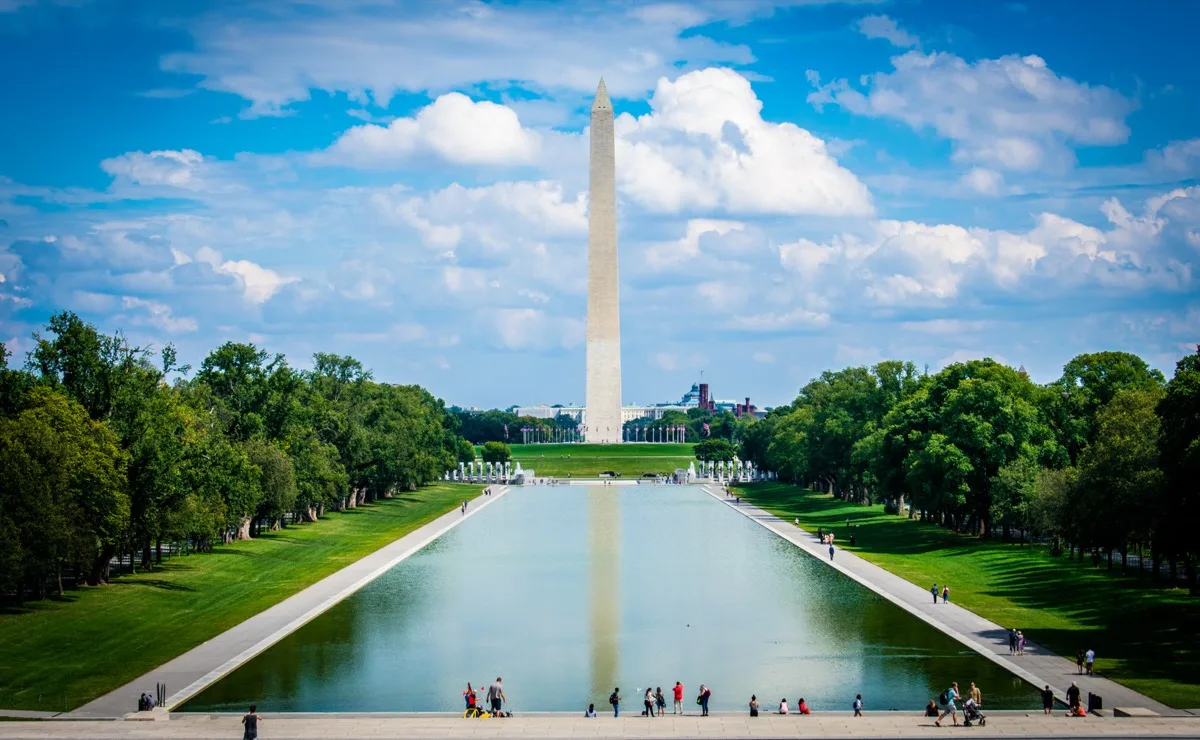
The Washington Monument serves as the central landmark. From its grounds, visitors can continue toward the World War II Memorial, the Reflecting Pool, and the Lincoln Memorial. The elevated steps of the Lincoln Memorial offer the classic view back toward the monument and Capitol.
Nearby, the Korean War Veterans Memorial, Vietnam Veterans Memorial, and Martin Luther King, Jr. Memorial provide quieter experiences. Architecture, sculpture, inscriptions, water, and landscape all contribute to the emotional power of this route.
Early morning offers calmer paths, while evening illumination completely changes the atmosphere. Comfortable shoes and water are essential because distances are greater than they appear on a map.
For first-time travelers, this landscape defines Sightseeing Washington, D.C. It reveals how urban planning, architecture, national memory, and public ritual have been combined within one continuous space.
Why visit:
To experience the capital’s defining monuments, ceremonial views, and one of the world’s most important memorial landscapes.
Smithsonian Museums and the National Gallery of Art
Washington has an exceptional concentration of museums, many located around the National Mall. The Smithsonian Institution includes museums devoted to natural history, aviation, American history, African American history and culture, Indigenous cultures, Asian art, and design.
The National Air and Space Museum is ideal for visitors interested in flight and exploration. The National Museum of Natural History presents fossils, minerals, biodiversity, and human origins. The National Museum of African American History and Culture examines an essential part of American history through objects, archives, architecture, and personal stories.
The collections are extensive, so visitors should choose two or three institutions rather than attempting to see everything in one day. Popular museums may require timed entry.
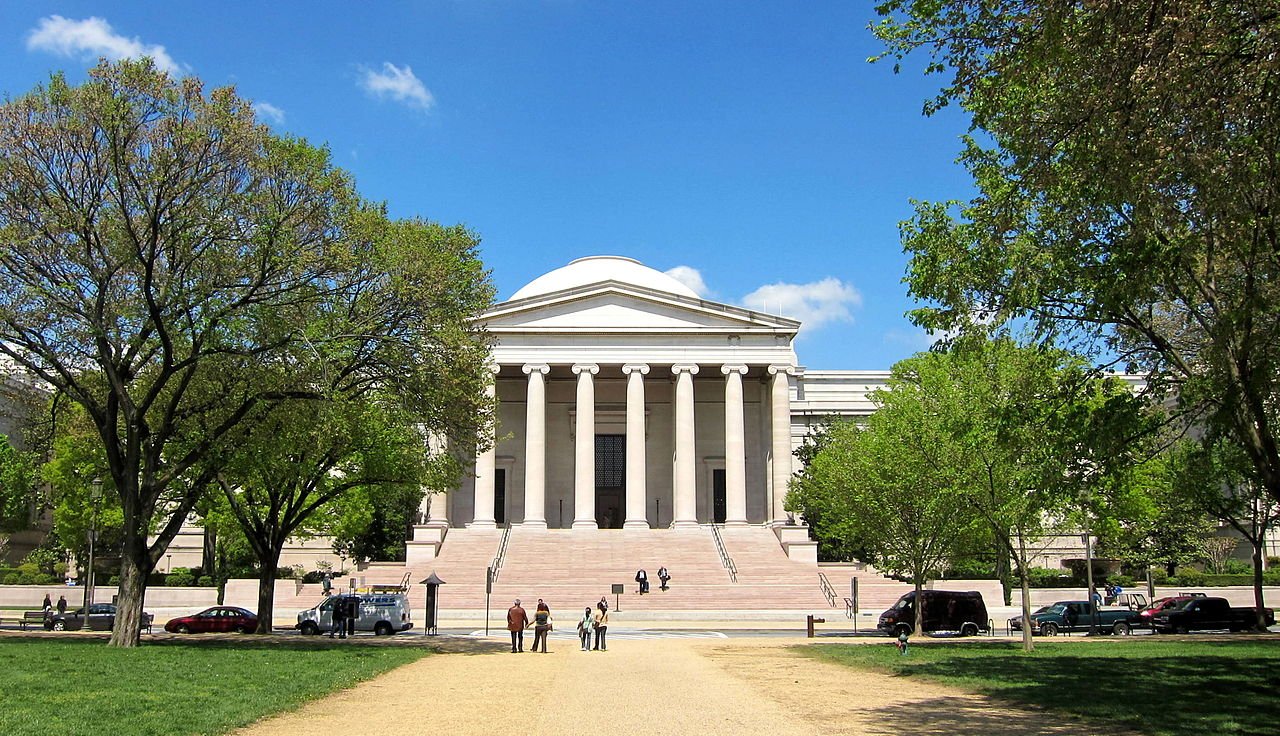
The National Gallery of Art deserves a separate place on any cultural route. Its West Building presents European and American art from the medieval period through the early twentieth century, while the East Building focuses strongly on modern and contemporary work.
These institutions make Sightseeing in Washington, D.C. especially valuable for travelers seeking serious cultural experiences.
Why visit:
To explore major collections of art, history, science, technology, and cultural memory within a compact museum district.
Capitol Hill, the White House, and Monumental Architecture
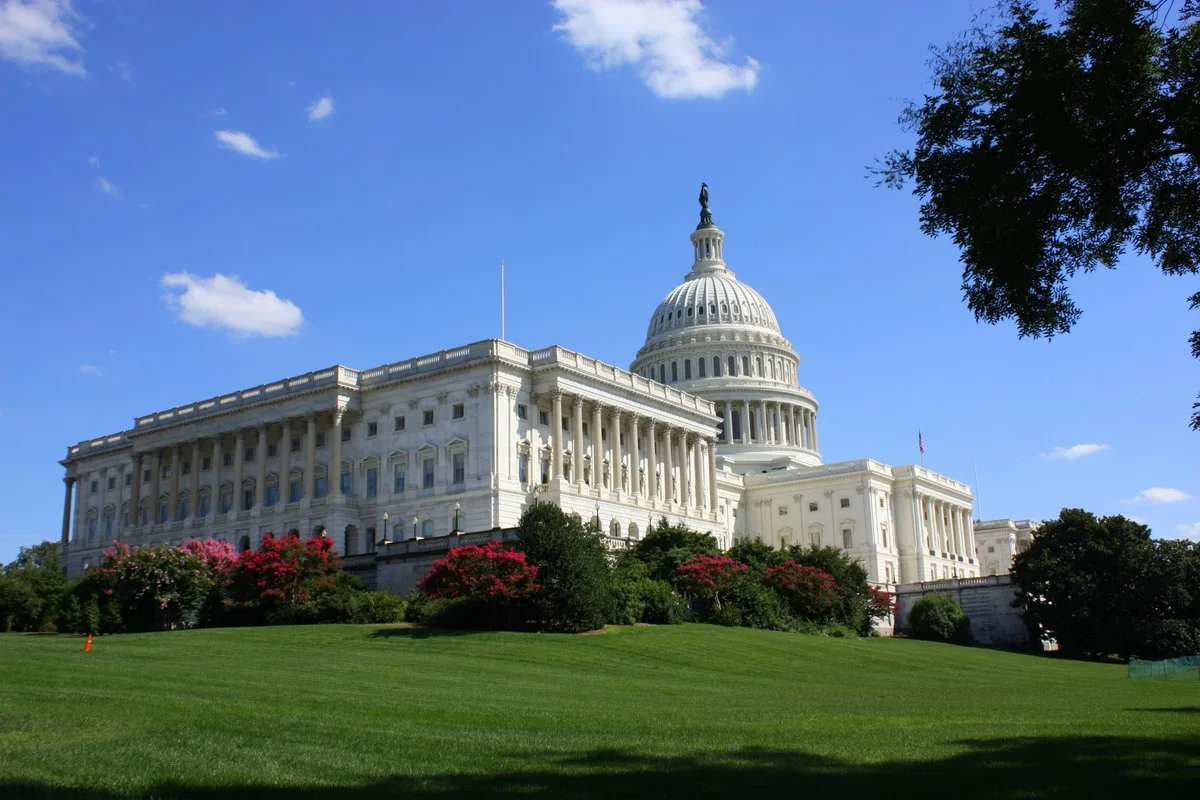
The United States Capitol anchors the eastern end of the National Mall. Its dome, broad steps, and formal setting make it one of the city’s most recognizable buildings. Even travelers who do not join an interior tour can appreciate the exterior from the landscaped grounds.
Nearby, the Library of Congress Thomas Jefferson Building contains one of Washington’s richest interiors. Decorative mosaics, murals, columns, staircases, and reading-room views transform it into both a working institution and an artistic monument.
The White House occupies another part of the ceremonial city. Public views are available from the north and south sides, while Lafayette Square adds sculpture, trees, and historic buildings. Access around the area can change, so visitors should expect security restrictions.
The National Archives, Pennsylvania Avenue, and Union Station reveal how strongly the city’s identity depends on neoclassical architecture and controlled sightlines. This part of a Must-See Washington, D.C. journey demonstrates how design has been used to communicate permanence, order, and national ambition.
Why visit:
To see the Capitol, Library of Congress, White House, and civic architecture that defines the American capital.
Georgetown, Dupont Circle, and the Potomac Waterfront
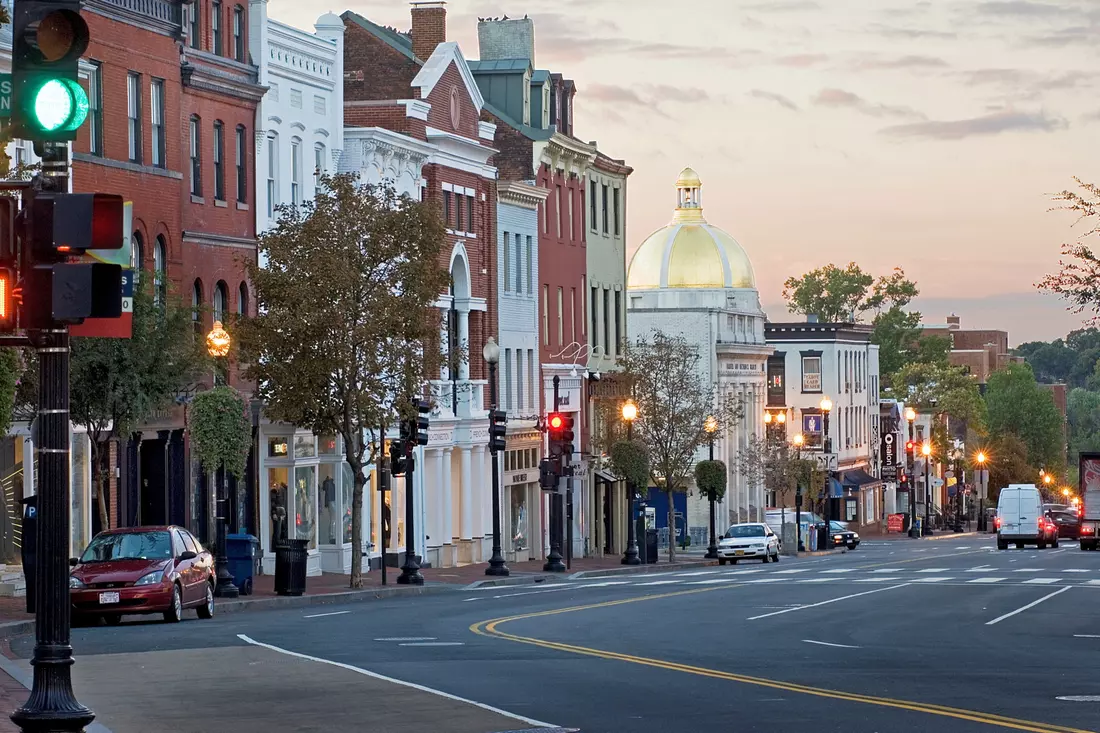
Washington becomes more intimate beyond the monumental center. Georgetown is one of its most atmospheric historic neighborhoods, known for brick houses, narrow streets, independent shops, restaurants, university buildings, and waterfront paths. The Chesapeake and Ohio Canal introduces another layer of transportation history.
Walking away from the busiest commercial streets reveals residential architecture, gardens, stairways, and views toward the Potomac River. Georgetown Waterfront Park is especially attractive near sunset.
Dupont Circle offers a different urban character. Embassies, museums, bookshops, cafés, and historic townhouses create a walkable district with a strong international atmosphere. The Phillips Collection is an important stop for art lovers.
The Wharf adds promenades, music venues, restaurants, and river activities. Travelers can also visit the Tidal Basin, the Jefferson Memorial, and the Franklin Delano Roosevelt Memorial.
These neighborhoods complete Sightseeing Washington, D.C. by showing that the city is more than museums and government buildings. Local streets, parks, universities, and waterfront areas reveal the everyday capital behind the official image.
Why visit:
To discover historic neighborhoods, international culture, riverside scenery, and a more relaxed side of Washington.
Why Washington, D.C. Rewards Careful Planning
Three or four days allow a balanced introduction. One day can focus on the western memorials and Tidal Basin, another on Smithsonian museums, and a third on Capitol Hill, the National Gallery of Art, and the historic center. Georgetown or Dupont Circle works well for an evening route.
Sightseeing Washington, D.C. becomes more rewarding when visitors resist the urge to photograph every landmark. Time spent inside one museum, reading memorial inscriptions, or walking through a residential neighborhood creates a deeper understanding of the city.
ArtExpoWorld Editorial View
Washington, D.C. demonstrates how a capital can turn architecture, landscape, museums, and public memory into a unified cultural system. Its monuments are positioned within carefully designed avenues, lawns, water features, and sightlines that influence how visitors experience history and authority.
For ArtExpoWorld readers, the city is especially important because art and cultural collections remain central to its public identity. The National Gallery of Art, Smithsonian museums, memorial sculpture, libraries, and civic interiors show how visual culture participates in national storytelling.
The most meaningful visit combines the monumental and the personal. Government buildings express institutional power, while neighborhoods, museums, memorial texts, and individual objects reveal more complex human histories.