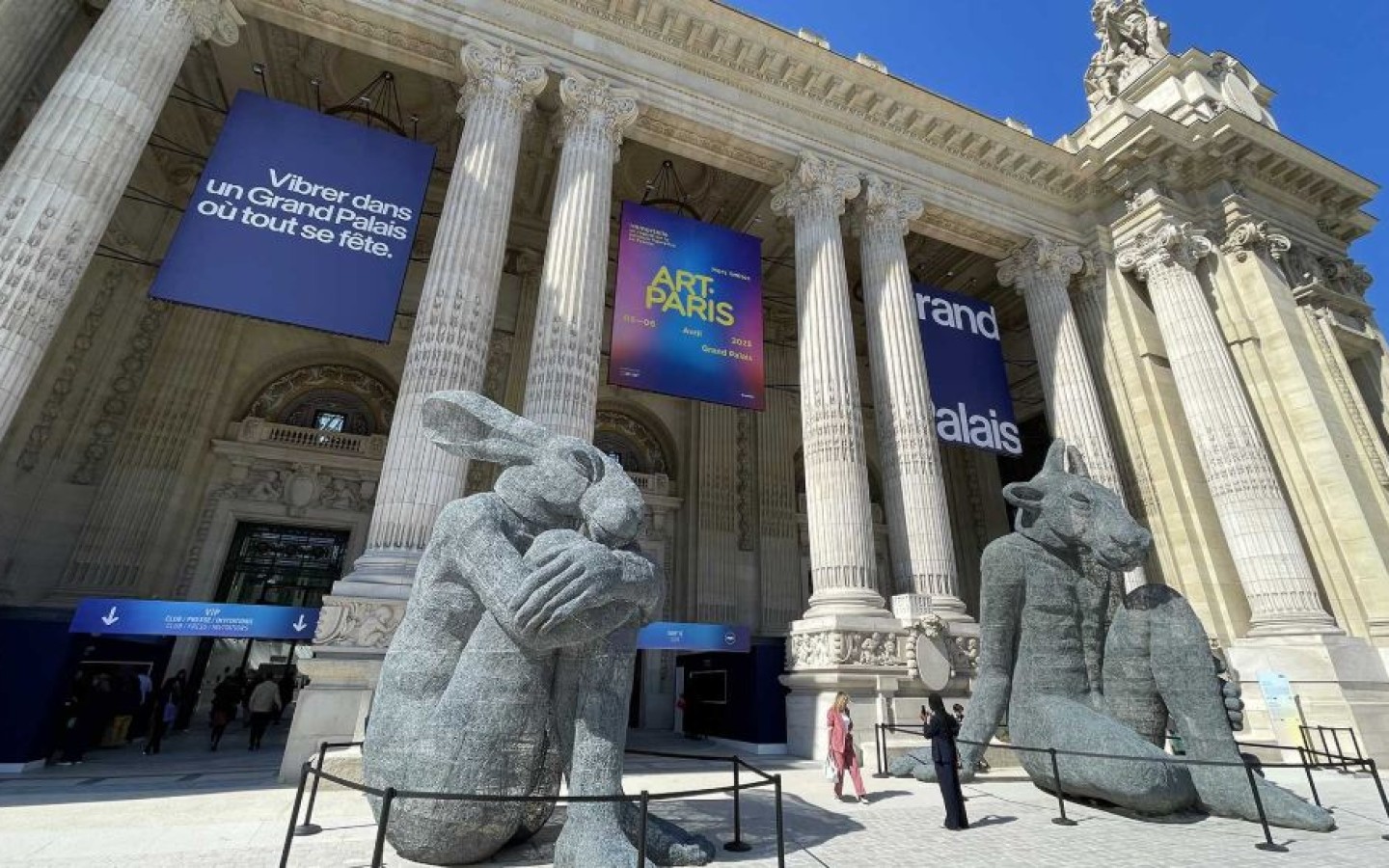
The fair’s twenty-ninth edition continues its balance between a French base and a changing international perspective. Its guest programmes can be particularly valuable when they introduce galleries whose artists receive less sustained attention in the European market.
Look back at our Art Paris 2026 coverage for the previous edition. The new Histories sector and Australian invitation give the 2027 return concrete points of difference. They also create a useful test: whether a familiar fair structure can expand the visitor’s understanding of which artists belong in the conversation.
Interesting Fact
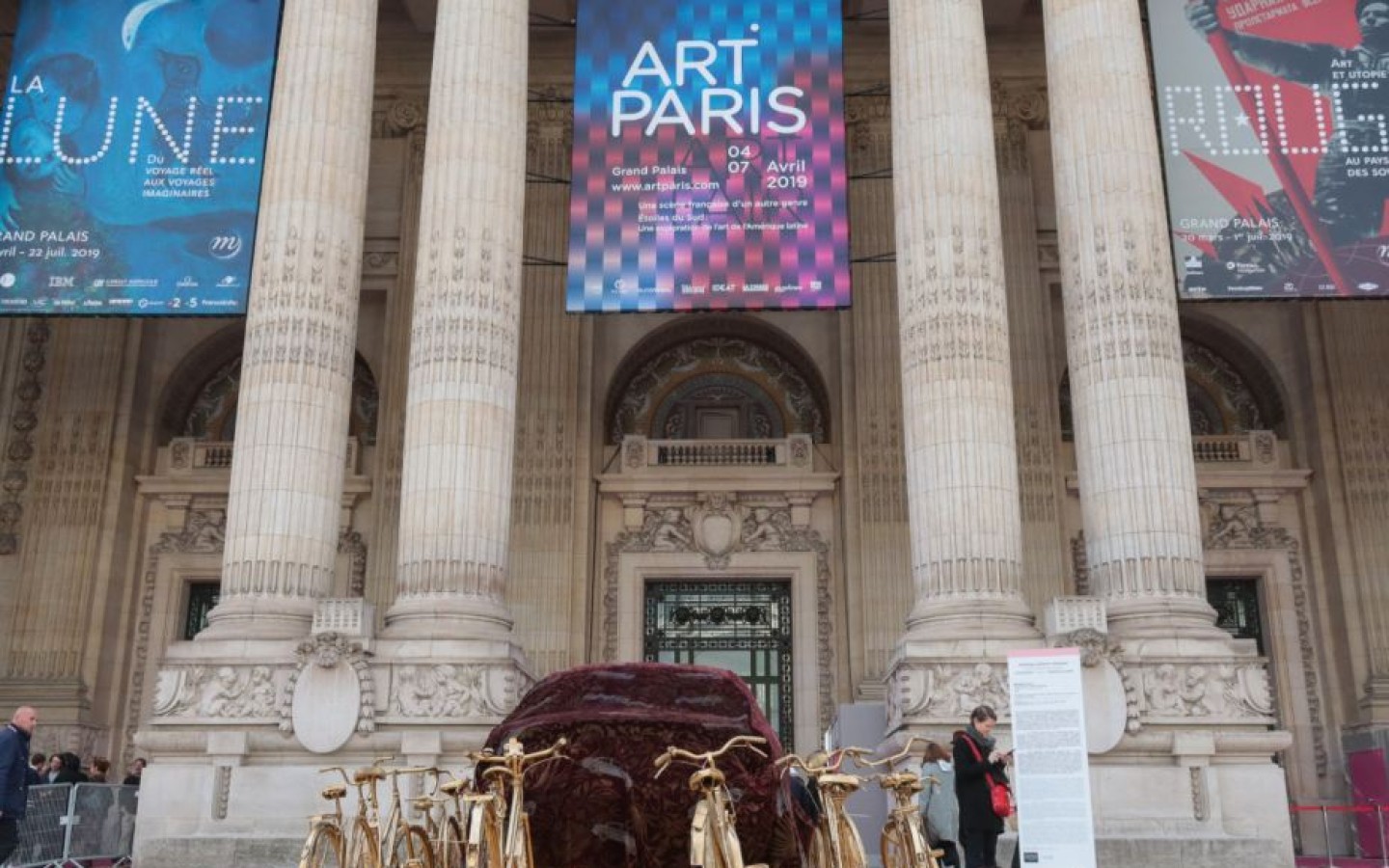
The Grand Palais was the result of an architectural competition without a single outright winner. After considering roughly a hundred proposals for the building intended for the 1900 Universal Exhibition, the project became a collaboration involving Henri Deglane, Albert Louvet, Albert Thomas, and Charles Girault. Construction began in 1897, leaving only three years to complete the undertaking.
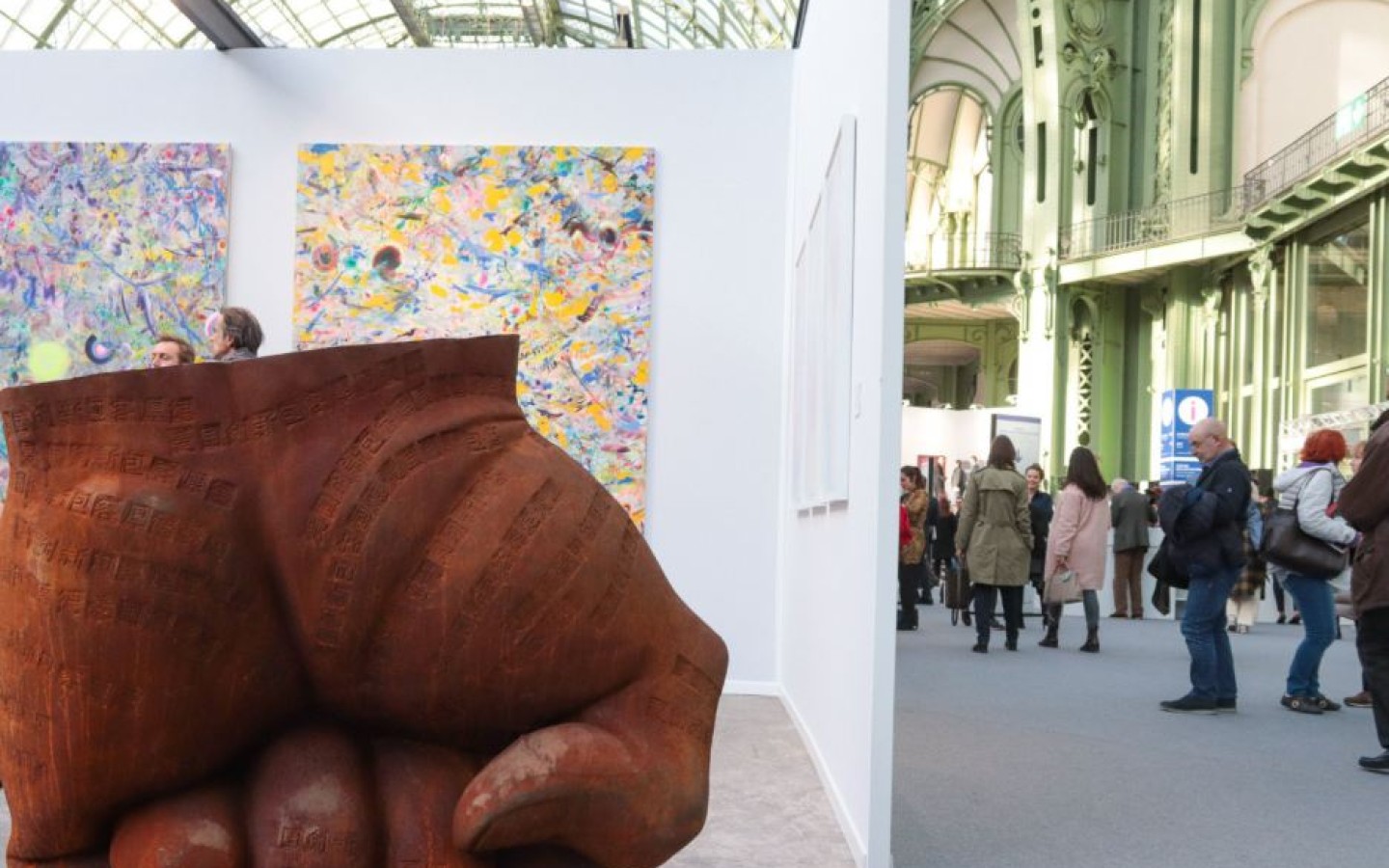
That history makes the building particularly apt for a fair assembled from different gallery voices. Its apparent unity contains several architectural contributions, just as a good art fair can accommodate competing accounts of what matters. Look up from a stand and notice the contrast between its temporary white partitions and the permanent ironwork. The building promises public grandeur; the gallery asks for attention to an individual object. The tension can be productive, especially for work that does not compete by sheer size.