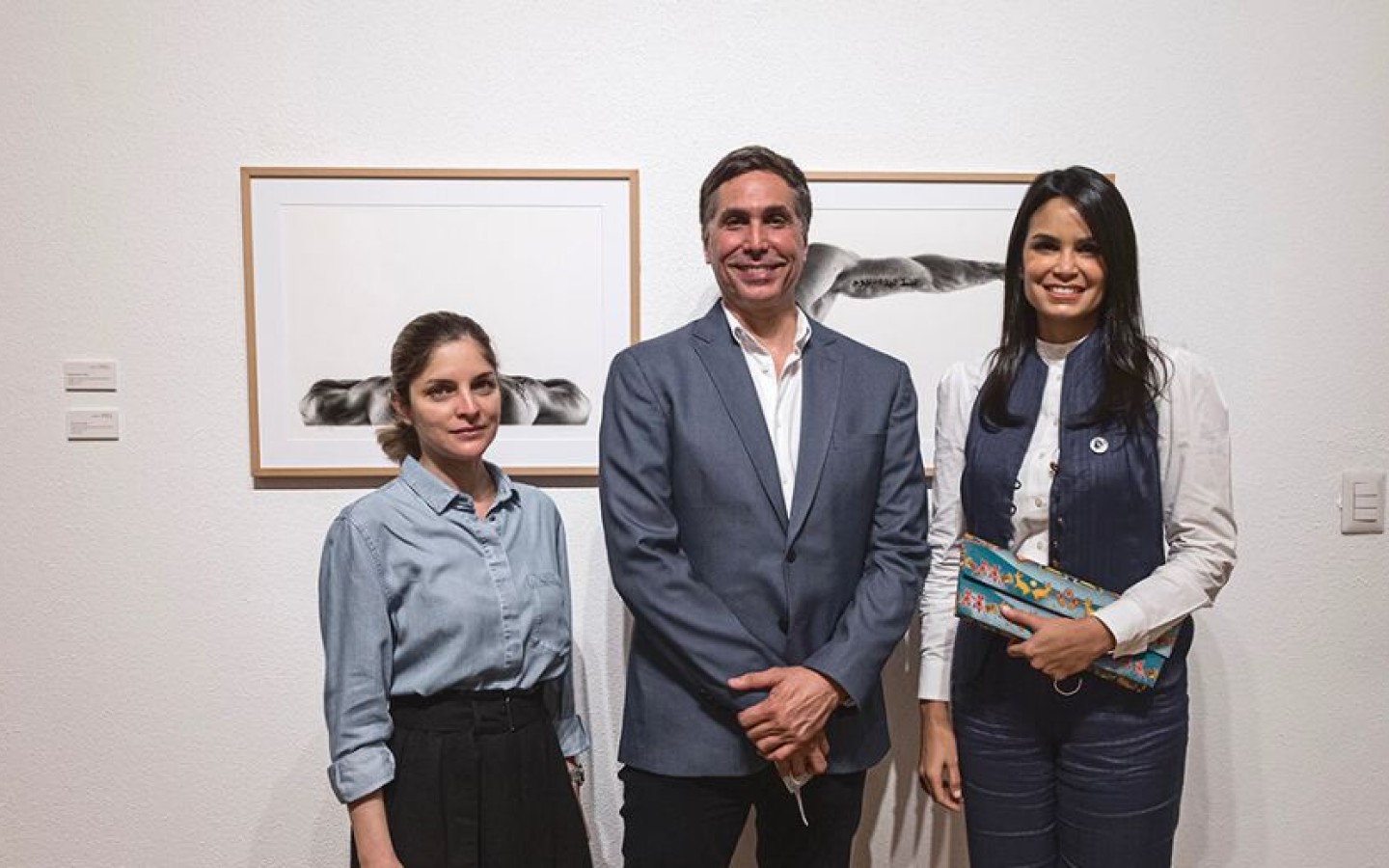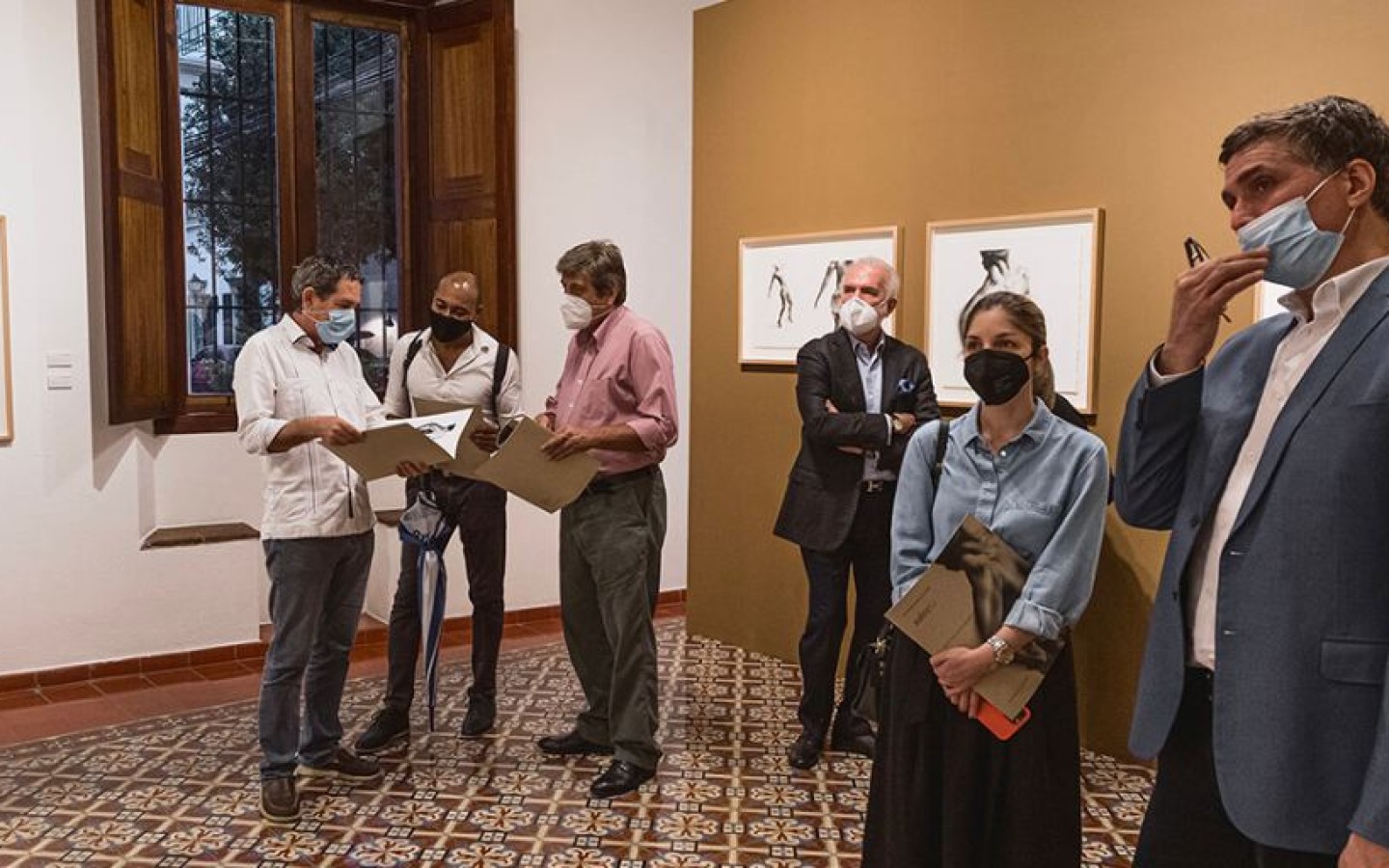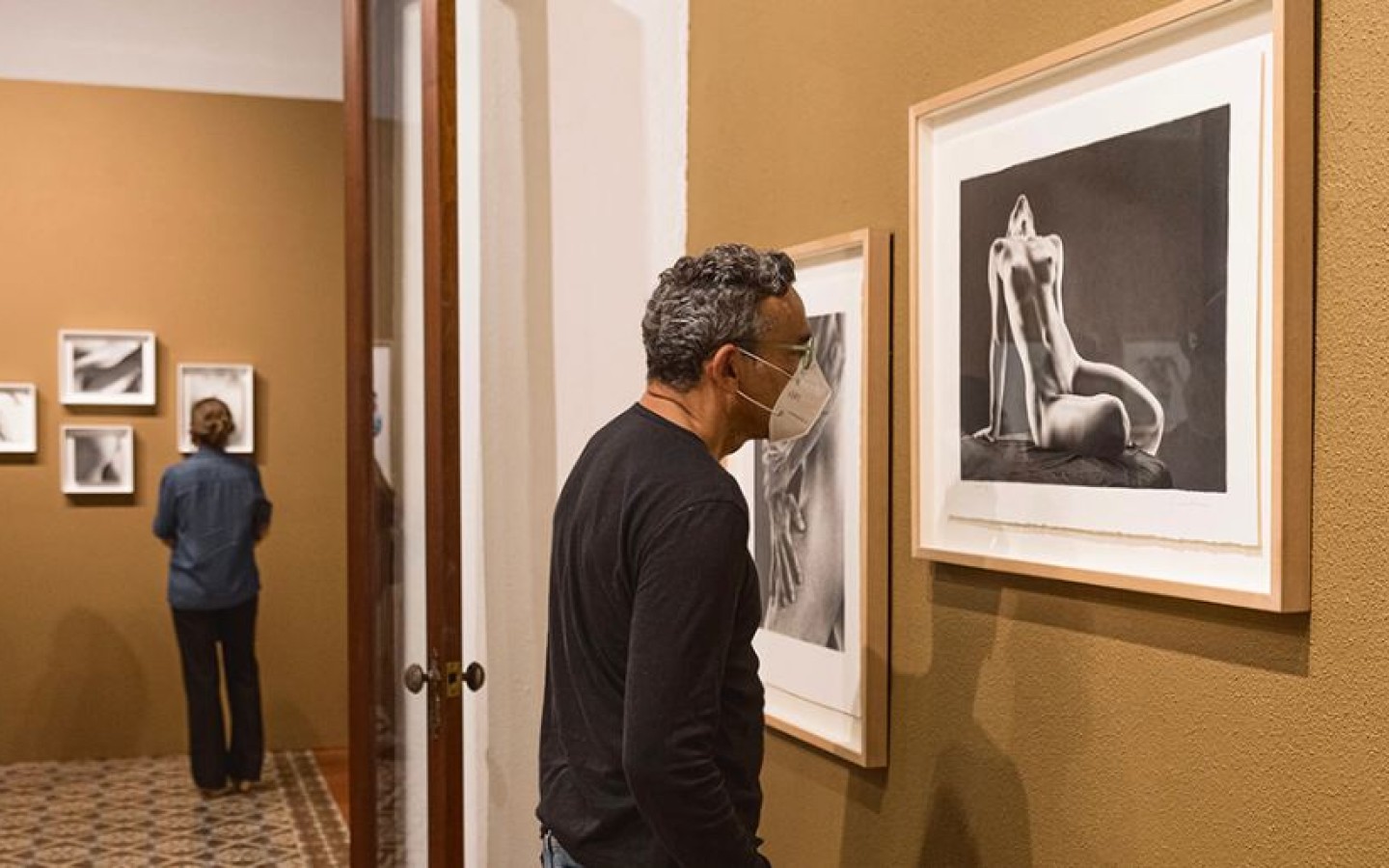


Hola, ¿estás? Argentine art between the 90s and 2000s is presented at Malba Puertos from 19 September 2026 to 28 February 2027.

Curated by Alejandra Aguado, the exhibition brings together around 60 works examining Argentine art of the 1990s and 2000s.

Painting, sculpture, photography, video and object-based practices reveal how artists responded to everyday life during decades marked by major political, social and economic change.

The exhibition does not isolate these generations from the past.

Works by artists active in the 1990s and 2000s are placed in dialogue with earlier figures including Antonio Berni, Roberto Aizenberg, Margarita Paksa, Federico Manuel Peralta Ramos and Pablo Suárez.

The result is a conversation across generations about urban experience, language, ordinary objects, intimacy and the transformation of familiar environments.

For ArtExpoWorld readers, Hola, ¿estás? offers an unusually concentrated introduction to one of the most influential periods of recent Argentine contemporary art.

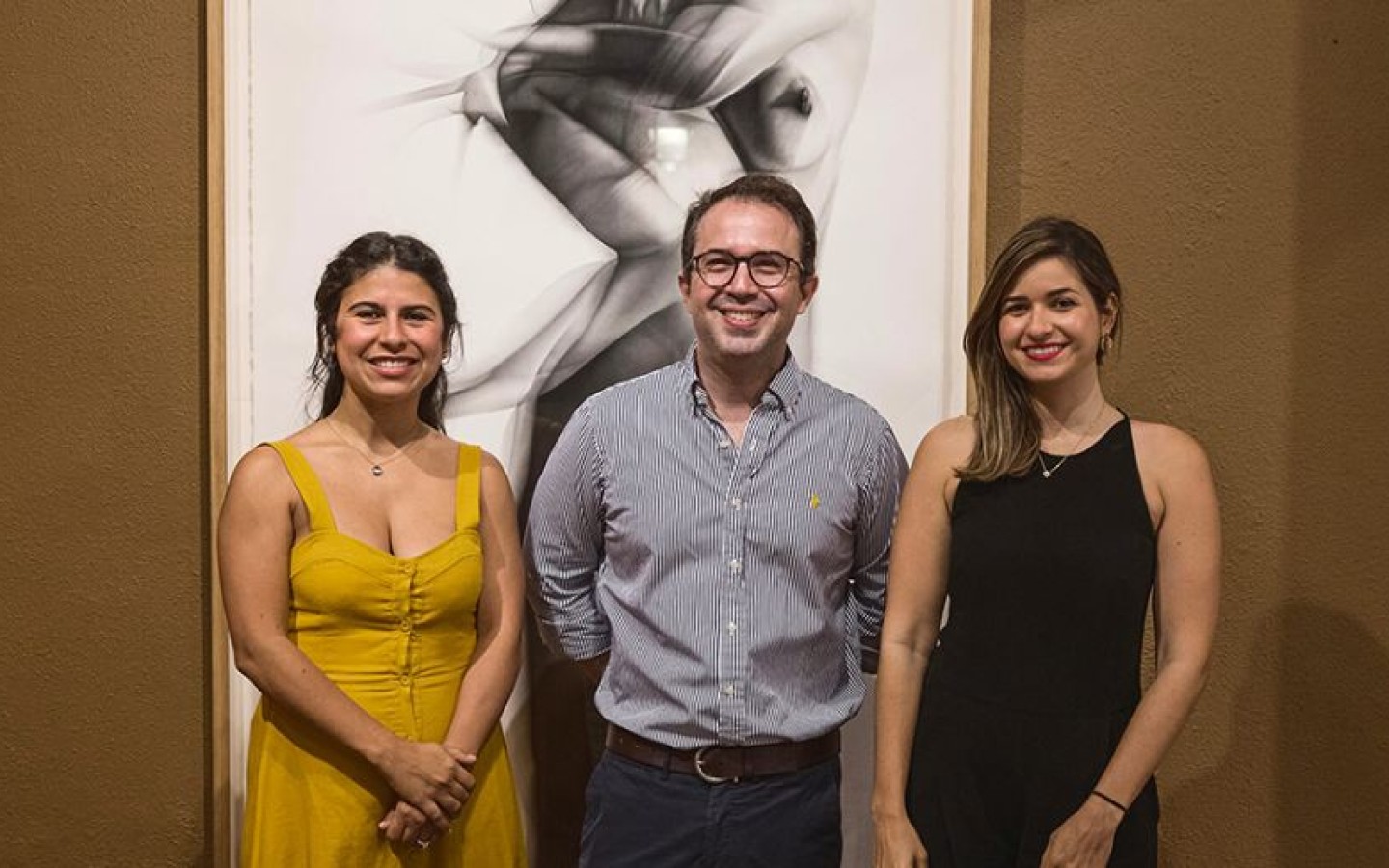
Hola, ¿estás? occupies the Sala del Lago at Malba Puertos.

The exhibition contains approximately 60 works, primarily drawn from the Malba–Costantini Collection, together with selected loans from artists and private collections.

Artists include Diana Aisenberg, Ernesto Ballesteros, Diego Bianchi, Marina De Caro, Leopoldo Estol, Alberto Goldenstein, Sebastián Gordín, Roberto Jacoby, Magdalena Jitrik, Daniel Joglar, Fabio Kacero,

Guillermo Kuitca, Alejandro Kuropatwa, Alfredo Londaibere, Ana López, Jorge Macchi, Liliana Maresca, Karina Peisajovich, Mariela Scafati, Cristina Schiavi, Alejandra Seeber and Pablo Zicarello.

The exhibition focuses on how these artists turned daily life into artistic material.

Urban spaces, domestic objects, advertising language, discarded materials and familiar visual codes became ways of speaking about personal experience and wider social conditions.

The economic and political crises surrounding Argentina in the late 1990s and early 2000s form an important background.

However, the exhibition is not simply a documentary history.

Artists responded through humour, mystery, experimentation and poetic transformation.

Hello, are you there? 2026/2027 Event Overview

Hello, are you there? 2026/2027 – Argentine Art from the 1990s and 2000s at Malba Puertos

Hola, ¿estás? brings together around 60 works and deliberately interrupts its 1990s and 2000s focus with earlier artists such as Antonio Berni, Margarita Paksa and Pablo Suárez. Those historical interruptions reveal that artistic generations are rarely as separate as museum timelines make them appear.

Dates:

19 September 2026 - 28 February 2027

Location:

Malba Ports, Escobar, Buenos Aires Province, Argentina

Mission:

The mission of Hola, ¿estás? is to examine how Argentine artists transformed everyday reality during a period of rapid social change. The exhibition asks what artists do when traditional materials and cultural institutions no longer feel sufficient. Many turned toward ordinary objects. They used things from domestic environments, commercial culture, city streets, and systems of communication. These materials were not chosen only because they were inexpensive. They belonged directly to the world the artists were trying to understand. The exhibition also creates dialogue between different generations. Earlier artists appear as historical interruptions or precedents rather than as a separate chapter. This approach suggests that the artistic innovations of the 1990s and 2000s did not emerge from nowhere. They developed through longer conversations about language, urban life, politics, and the transformation of ordinary experience.

Organizer:

Hola, ¿estás? is organised by Malba Puertos as part of the wider Malba institutional programme. The exhibition is curated by Alejandra Aguado, Artistic Coordinator of Malba Puertos. It draws primarily from the Malba–Costantini Collection and includes selected loans. The exhibition forms part of the museum’s 25th-anniversary programme and the wider project Latinoamérica en expansión. Malba Puertos expands the institution beyond its central Buenos Aires location and provides free cultural programming in Escobar.

Why attend to Hello, are you there? 2026/2027?

The exhibition is worth visiting because the 1990s and 2000s remain essential for understanding contemporary Argentine art.

For collectors, many of the artists presented here have become central figures within the national and international market.

For curators and researchers, the exhibition provides a concentrated view of artistic responses to economic and political transformation.

For younger artists, it demonstrates how powerful practices can develop from modest materials and everyday environments.

For cultural travellers, Malba Puertos offers a different experience from the museum’s central Buenos Aires building.

For audiences unfamiliar with Argentine contemporary art, Hola, ¿estás? provides a useful bridge between major historical figures and practices that emerged at the beginning of the twenty-first century.

Ticket Information

General admission costs

Admission to Malba Puertos is free.

No standard paid ticket is required.

The museum currently operates Thursday to Sunday from 11:00 to 18:00.

Visitors should confirm opening hours shortly before traveling, especially around public holidays.

Some workshops, guided activities, or special events may require advance registration even though general museum admission is free.

Getting There:

Malba Puertos is located at Alisal 160, Bahía, Puertos, in Escobar, Buenos Aires Province.

The museum is approximately 45 kilometres north of central Buenos Aires.

It is reached via the Panamericana highway and the Escobar branch.

The most practical options for international visitors are private car, taxi, rideshare or arranged transfer.

Public transport is possible but less convenient than travel to central Buenos Aires museums.

Journey time varies considerably depending on traffic.

Visitors should avoid assuming that distances around Greater Buenos Aires can be covered quickly.

If travelling from central Buenos Aires, allow substantial time in both directions.

Accommodation

Most cultural travellers will find it more practical to stay in Buenos Aires and visit Malba Puertos as a day trip.

Palermo is a strong base for museums, galleries, restaurants and transport.

Recoleta offers major cultural institutions and traditional hotels.

Retiro and Microcentro provide central access but are farther from some contemporary gallery districts.

Visitors focused specifically on the Escobar and Tigre region may choose accommodation north of the city.

Nordelta and Tigre can provide convenient alternatives for travellers combining Malba Puertos with other northern Buenos Aires Province destinations.

Don't Miss an Exhibition

Follow us on X to get the latest art events from around the world first

Follow

Gallery: Hello, are you there? 2026/2027

Secure Your Spot at Hello, are you there? 2026/2027 — Before It's Too Late

Tickets are limited and sell out fast.
Get instant access to the Hello, are you there? 2026/2027 registration page and be the first to know about exclusive events, VIP passes, and travel perks.

Early access. Limited availability. Global art at your fingertips.

History & Context of a Hello, are you there? 2026/2027

Argentina experienced profound transformation during the decades explored by the exhibition.

The 1990s were shaped by economic liberalization, consumer culture, and major changes in Buenos Aires.

The severe economic and political crisis of 2001 became a defining rupture.

Artists responded to these conditions in very different ways.

Some used inexpensive or discarded materials.

Others focused on private life, sexuality, photography, humor, or personal relationships.

Commercial imagery and domestic objects entered artistic practice.

Small gestures could become political without appearing like traditional political art.

Spaces such as Belleza y Felicidad became especially important to younger artistic communities.

Artists built networks through friendship, collaboration, and alternative exhibition models.

The exhibition also acknowledges earlier generations whose practices anticipated some of these strategies.

The result is a broader view of Argentine contemporary art as an evolving cultural conversation rather than a neat sequence of movements.

Tips for Visitors of Hello, are you there? 2026/2027

Allow at least 90 minutes for the exhibition.

Pay attention to the dates of individual works.

The relationship between a work and Argentina’s political and economic circumstances can be important.

Do not assume inexpensive materials mean casual artistic decisions.

Many artists deliberately chose objects and visual codes associated with everyday urban life.

Look for dialogue between younger artists and historical works.

The earlier pieces are not decorative background.

They are included to complicate the idea that the 1990s appeared as a complete break with the past.

Malba Puertos is not located in central Buenos Aires, so plan transport before travelling.

Combine the exhibition with the museum’s other installations and public artworks.

Tips from the ArtExpoWorld

Do not expect a nostalgic exhibition about the 1990s.

The strongest works still feel surprisingly current.

Look at how artists used ordinary objects, fragments of city life and informal materials.

Many strategies that now seem normal in contemporary art were once responses to very specific social conditions.

Be the First to Access Official "Hello, are you there? 2026/2027" Tickets

Don’t miss your chance to attend one of the world’s leading art fairs. Get direct access to the official ticketing page, exclusive updates, and important visitor information.

Early access. Limited availability. Global art at your fingertips.

Editor’s Note

Hello, are you there? matters because crises do not only destroy cultural systems.

They can force artists to invent new ones.

For ArtExpoWorld, the exhibition’s strength lies in its attention to ordinary life.

The artists did not need monumental subjects.

A street map, a discarded object, a photograph or a domestic fragment could become evidence of an entire social moment.

The exhibition shows how Argentine art learned to speak through what was close at hand.

That lesson remains relevant far beyond the decades being remembered.

Current and Upcoming Art Expos