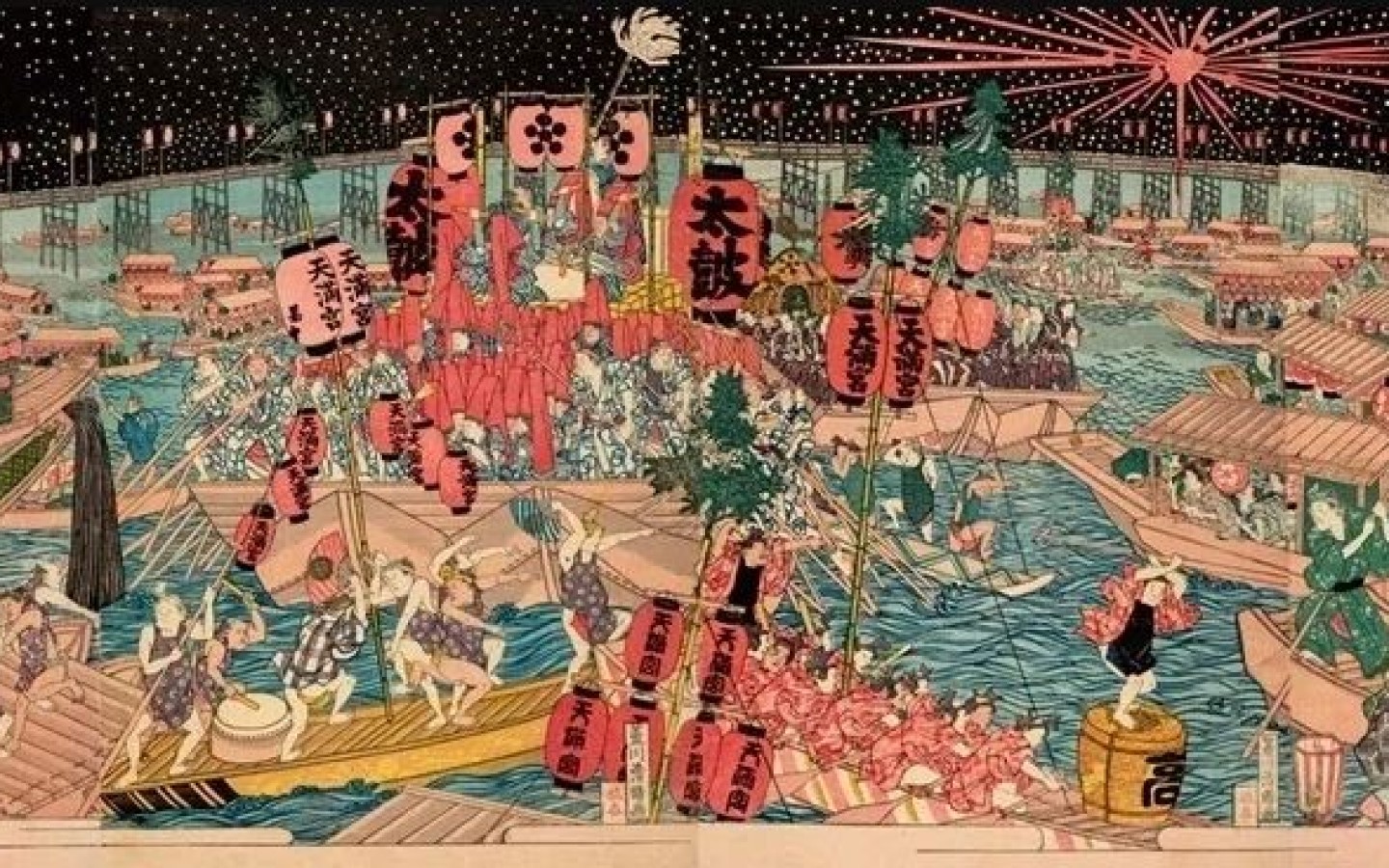


Floating Worlds: Prints from Osaka & Kyoto opens at the Art Gallery of South Australia in Adelaide on 30 January 2027 and continues until 18 April.

The exhibition explores the cultural life of Japan’s Kamigata region during the Edo period through a rich selection of woodblock prints, paintings, kimonos, and samurai armour.

The term «floating world» refers to the urban entertainment culture that flourished in cities such as Osaka and Kyoto, where merchants, performers, writers, and artists created a distinctive visual environment around theatres, fashion, pleasure districts, and popular entertainment.

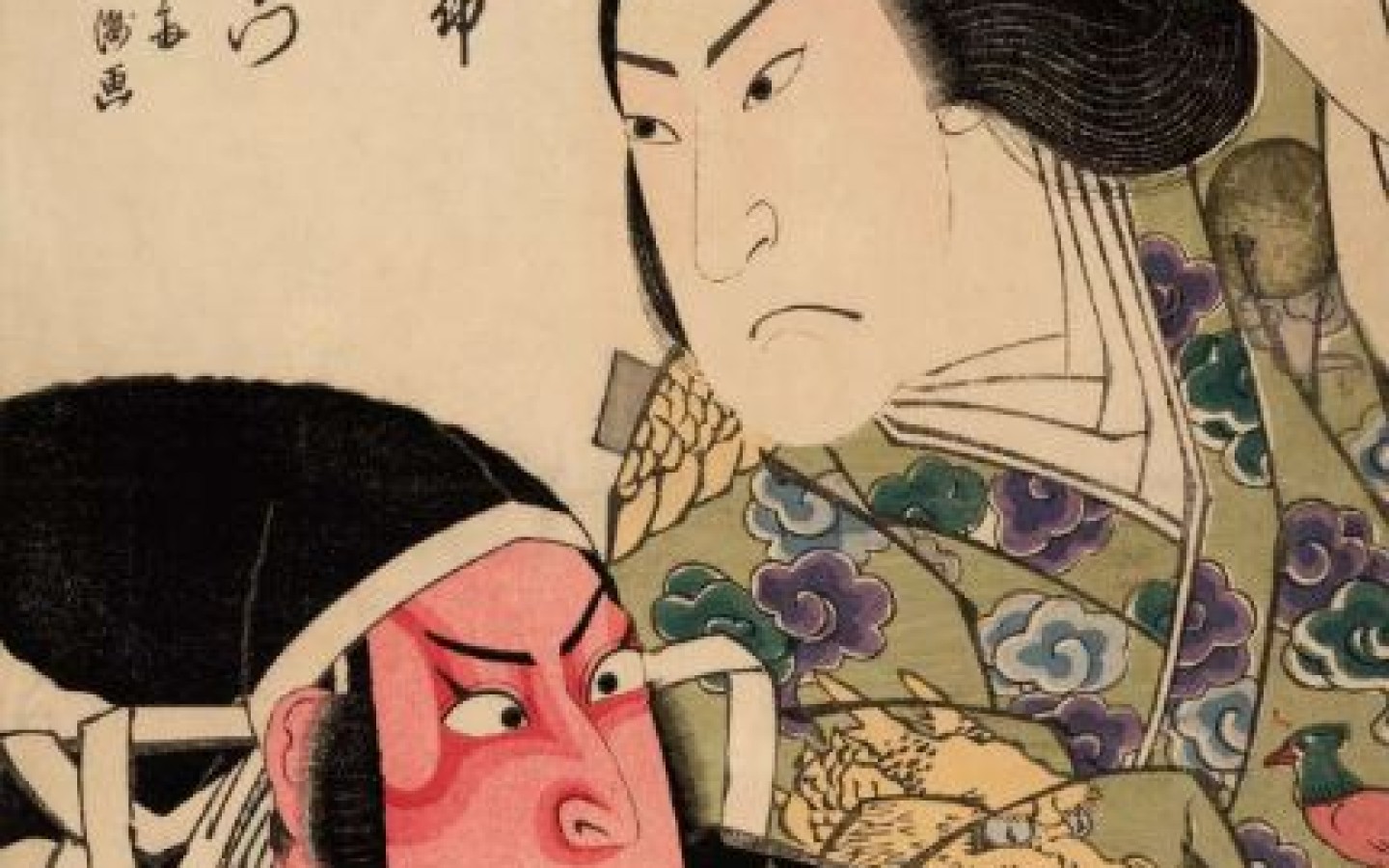
Visitors will encounter images of Kabuki actors, samurai warriors, ghosts, beauties, and landscapes created between approximately 1790 and 1900.

The exhibition also includes acquisitions from the AGSA collection that have never previously been shown publicly.

For ArtExpoWorld readers, Floating Worlds 2027 offers an opportunity to explore a less internationally familiar branch of ukiyo-e and discover how Osaka and Kyoto developed visual traditions distinct from those of Edo, modern-day Tokyo.
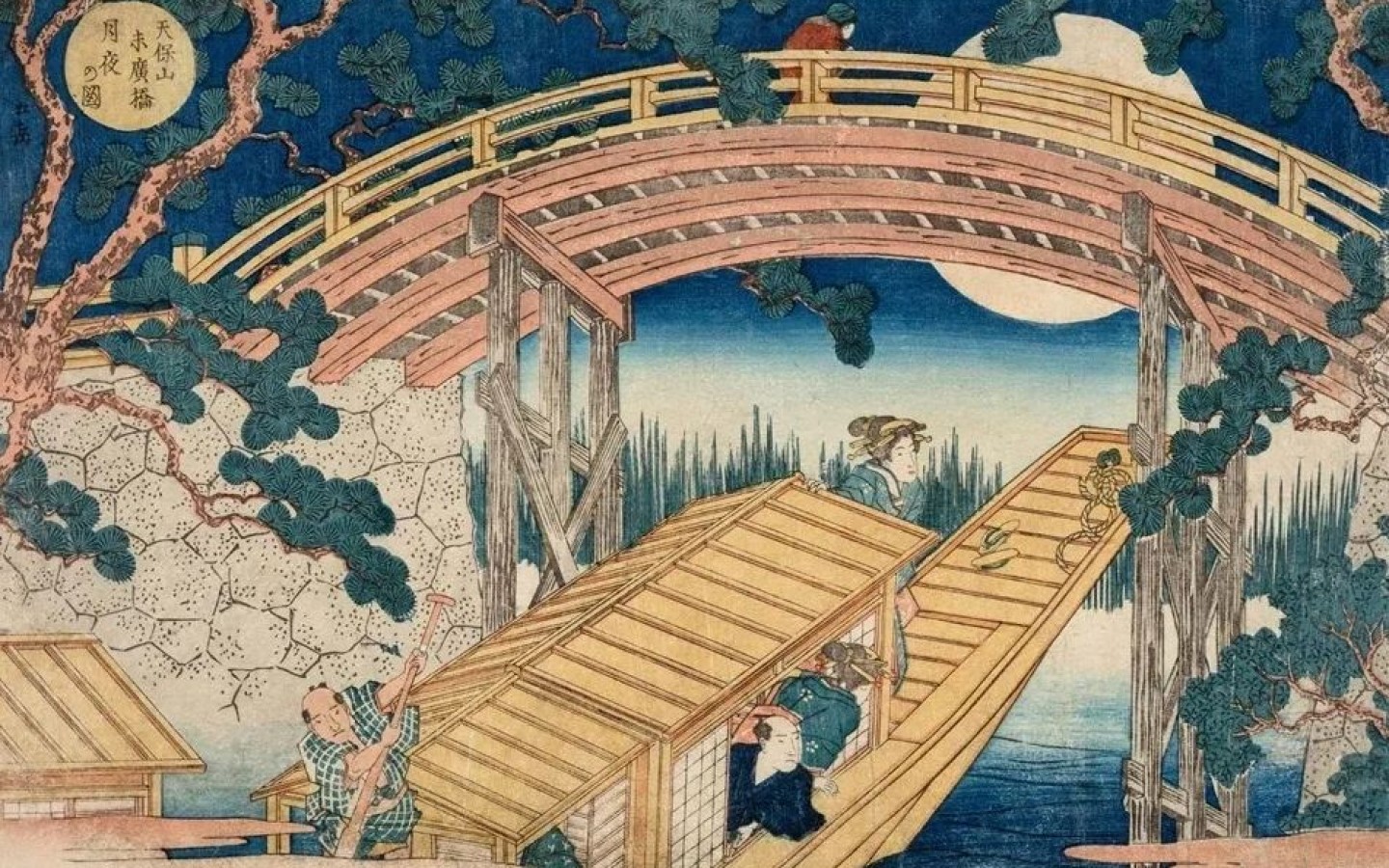
Floating Worlds is presented across Galleries 22, 23 and 25 at the Art Gallery of South Australia.

The exhibition focuses on kamigata ukiyo-e, the term used for ‘pictures of the floating world’ created in the Osaka and Kyoto region.

Unlike the print culture of Edo, Kamigata artists often developed close relationships with Kabuki theatre and its performers.

Actors became major subjects.

Prints recorded famous roles, performances, theatrical personalities and changing fashions.

The exhibition also expands beyond works on paper.

Paintings, kimonos and samurai armour provide a wider view of the artistic and social environment in which the prints were created.

Visitors can therefore experience ukiyo-e not simply as graphic design but as part of a broader urban culture involving clothing, theatre, celebrity, commerce and leisure.

The exhibition spans approximately a century of artistic production.

This allows visitors to see how styles and subjects changed as Japanese society moved toward the end of the Edo period and into the modern era.

Floating Worlds 2027 Event Overview

Floating Worlds 2027 – Japanese Prints from Osaka and Kyoto in Adelaide

The works in Floating Worlds span roughly from 1790 to 1900. That means the exhibition follows Kamigata print culture through more than a century of major social and artistic change in Japan.

Dates:

30 January 2027 - 18 April 2027

Location:

Art Gallery of South Australia, North Terrace, Adelaide, South Australia

Mission:

The mission of Floating Worlds is to reveal the distinctive artistic culture of Osaka and Kyoto during one of the most dynamic periods of Japanese printmaking. Ukiyo-e is often internationally associated with famous Edo artists and landscapes. This exhibition shifts attention toward the Kamigata region. It shows how prosperous merchant communities supported theatre, entertainment, and artistic production. The exhibition also demonstrates the relationship between visual art and popular culture. Kabuki actors were celebrities. Fashion could spread through printed images. Theatre performances generated new artistic subjects. Prints circulated through an urban audience interested in style, entertainment, and social identity. By presenting prints alongside clothing, armour, and paintings, AGSA allows visitors to understand this culture as an interconnected visual world rather than an isolated artistic technique.

Organizer:

Floating Worlds: Prints from Osaka & Kyoto is organised by the Art Gallery of South Australia. The exhibition is drawn from AGSA’s collections and includes recently acquired works shown publicly for the first time. The gallery is one of Australia’s major state art institutions and maintains significant Australian, European and Asian collections. The exhibition is supported by the Gordon Darling Foundation as publication partner. AGSA’s Asian art collection provides the institutional foundation for the exhibition and allows the gallery to place Kamigata prints within a broader history of Japanese art and material culture.

Why attend to Floating Worlds 2027?

Floating Worlds 2027 is worth visiting because it offers access to a part of Japanese art history that receives less attention than the internationally famous Edo schools.

For print collectors, the exhibition provides an opportunity to study technique, colour and composition at close range.

For fashion and design audiences, the works reveal the relationship between clothing, performance and popular taste.

For theatre enthusiasts, Kabuki imagery provides insight into one of Japan’s most influential performance traditions.

For cultural travellers, the exhibition can be combined easily with Adelaide’s other museums and cultural institutions along North Terrace.

For visitors familiar with artists such as Hokusai or Hiroshige, Floating Worlds provides a broader understanding of how varied ukiyo-e production was across Japan.

Ticket Information

General admission costs

Adult admission is AUD 20.

Concession admission is AUD 15.

AGSA members pay AUD 13.

Visitors aged 12 to 17 pay AUD 10.

Children under 12 enter free.

A family ticket costs AUD 40.

Groups of eight or more can purchase tickets for AUD 15 per person.

A season pass offering unlimited entry is AUD 55.

Floating Worlds tickets are untimed and undated and may be used during normal exhibition hours throughout the exhibition period.

Getting There:

The Art Gallery of South Australia is located on North Terrace in central Adelaide.

The gallery is situated along Adelaide’s main cultural boulevard, alongside the South Australian Museum and the University of Adelaide.

Visitors staying in the central business district can usually reach the gallery on foot.

North Terrace is also served by public transport, including tram and bus services.

Adelaide Railway Station is within walking distance.

Adelaide Airport is the main domestic and international gateway.

Taxi, rideshare, and public transport services connect the airport with the city centre.

Accommodation

Adelaide CBD is the most convenient area for visitors attending the exhibition.

It offers easy access to North Terrace, restaurants, shopping, and cultural institutions.

North Adelaide provides a quieter environment while remaining close to the city centre.

East End is especially attractive for cultural travellers due to its restaurants, bars, and proximity to the gallery.

Visitors planning a broader South Australian trip can also combine Adelaide with the Barossa Valley, Adelaide Hills, or coastal destinations.

For a short art-focused visit, central accommodation remains the most practical choice.

Don't Miss an Exhibition

Follow us on X to get the latest art events from around the world first

Follow

Gallery: Floating Worlds 2027

Secure Your Spot at Floating Worlds 2027 — Before It's Too Late

Tickets are limited and sell out fast.
Get instant access to the Floating Worlds 2027 registration page and be the first to know about exclusive events, VIP passes, and travel perks.

Early access. Limited availability. Global art at your fingertips.

History & Context of a Floating Worlds 2027

The Edo period lasted from 1603 to 1868 and was characterized by political stability, urban growth, and the development of a prosperous merchant class.

In Osaka and Kyoto, these merchants became important consumers of theatre, fashion, and visual culture.

The entertainment districts became known collectively through the idea of ukiyo, or the «floating world.»

Originally associated with Buddhist ideas of impermanence, the term gradually acquired another meaning connected with pleasure, theatre, and urban life.

Woodblock printing made images relatively affordable and allowed popular visual culture to circulate widely.

Kabuki was especially important in Osaka.

Fans collected images of actors and performances in ways that can feel surprisingly modern.

The relationship between artist, performer, and audience helped create a culture of celebrity long before photography or cinema.

Kamigata prints are particularly valued for their distinctive regional style and their close connection with theatrical life.

Tips for Visitors of Floating Worlds 2027

Allow at least 90 minutes for the exhibition.

Look closely at the details of costume, hairstyle, and facial expression in actor prints.

These elements often communicated information immediately to contemporary audiences.

Do not skip the paintings, kimonos, and armour.

They help explain the physical culture surrounding the printed images.

Compare works created in different decades.

Changes in colour, printing quality, and composition can reveal shifts in technique and taste.

If available, attend a curator talk or guided tour.

Japanese print terminology and Kabuki references can be easier to understand with additional context.

Tickets are untimed and undated, so visitors have flexibility within the exhibition period.

Tips from the ArtExpoWorld

Do not enter expecting only pretty Japanese prints.

The most interesting part of the exhibition is the connection between art and entertainment.

Look at the prints almost as nineteenth-century celebrity media.

Actors, fashion, and theatre created images that people wanted to own, discuss, and collect.

Be the First to Access Official "Floating Worlds 2027" Tickets

Don’t miss your chance to attend one of the world’s leading art fairs. Get direct access to the official ticketing page, exclusive updates, and important visitor information.

Early access. Limited availability. Global art at your fingertips.

Editor’s Note

Floating Worlds 2027 matters because ukiyo-e is often presented internationally through a surprisingly narrow group of famous artists and places.

For ArtExpoWorld, the exhibition’s strength lies in its regional focus.

Osaka and Kyoto had their own audiences, theatre culture, and visual language.

By combining prints with costume, armour, and painting, AGSA reconstructs a world rather than simply displaying images on walls.

Floating Worlds reminds us that art history is often richer when we move away from the most famous centre and explore what was happening elsewhere.

Current and Upcoming Art Expos