









Sightseeing in Boston: The Ultimate Must-See List
Boston is one of the most historically significant and walkable cities in the United States. Colonial landmarks, red-brick neighborhoods, major art collections, university campuses, waterfront parks, and contemporary cultural districts create a destination with remarkable variety. Sightseeing in Boston can range from places connected with the American Revolution to quiet residential streets, harbor views, museums, food markets, and influential academic institutions.
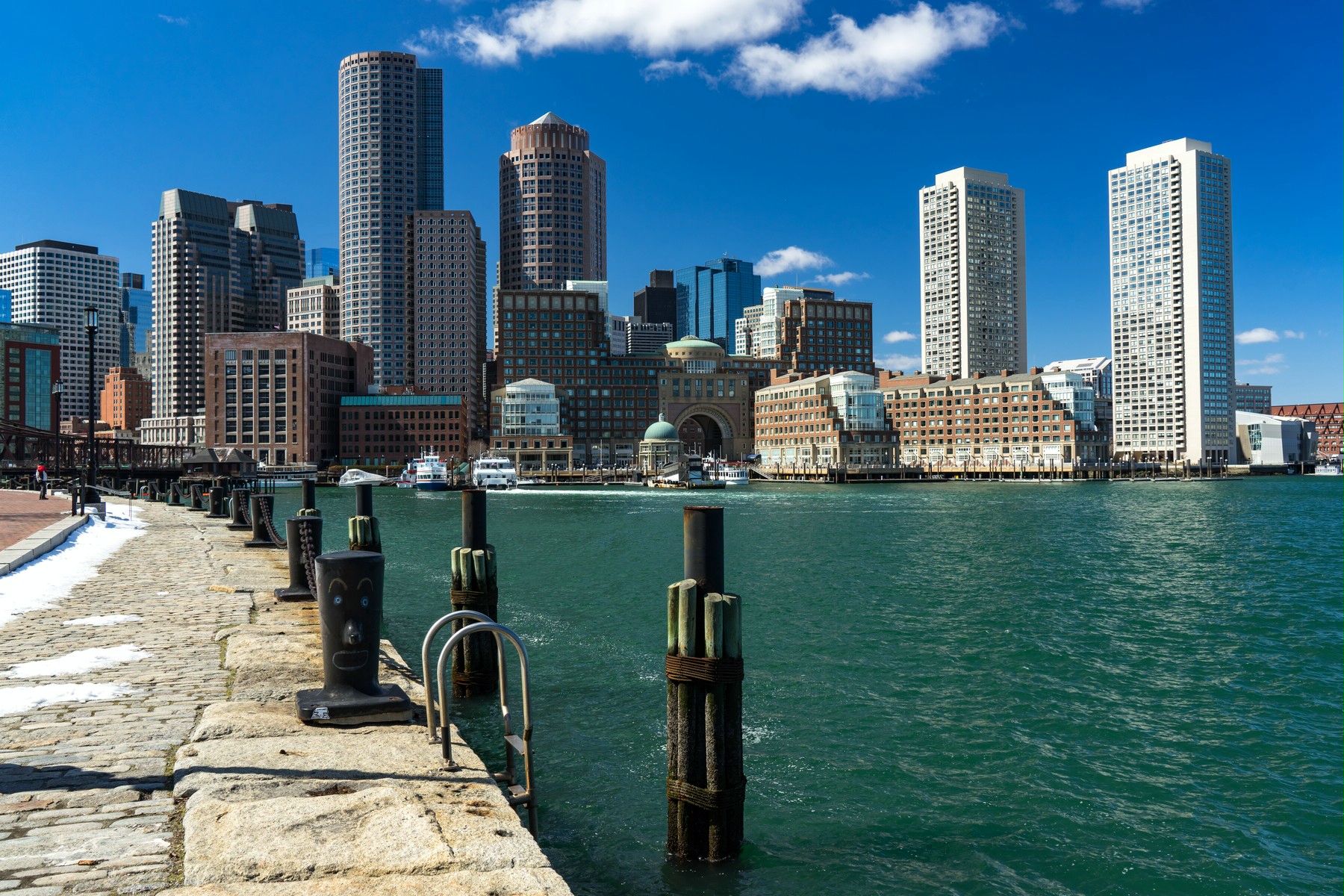
A balanced Must-See Boston itinerary should combine famous historic locations with art, architecture, gardens, and neighborhood life. Sightseeing in Boston works best on foot and by public transport, allowing travelers to notice carved doorways, burial grounds, brick façades, church steeples, independent bookstores, and views between historic buildings.
Freedom Trail – The Essential Must-See Boston Experience
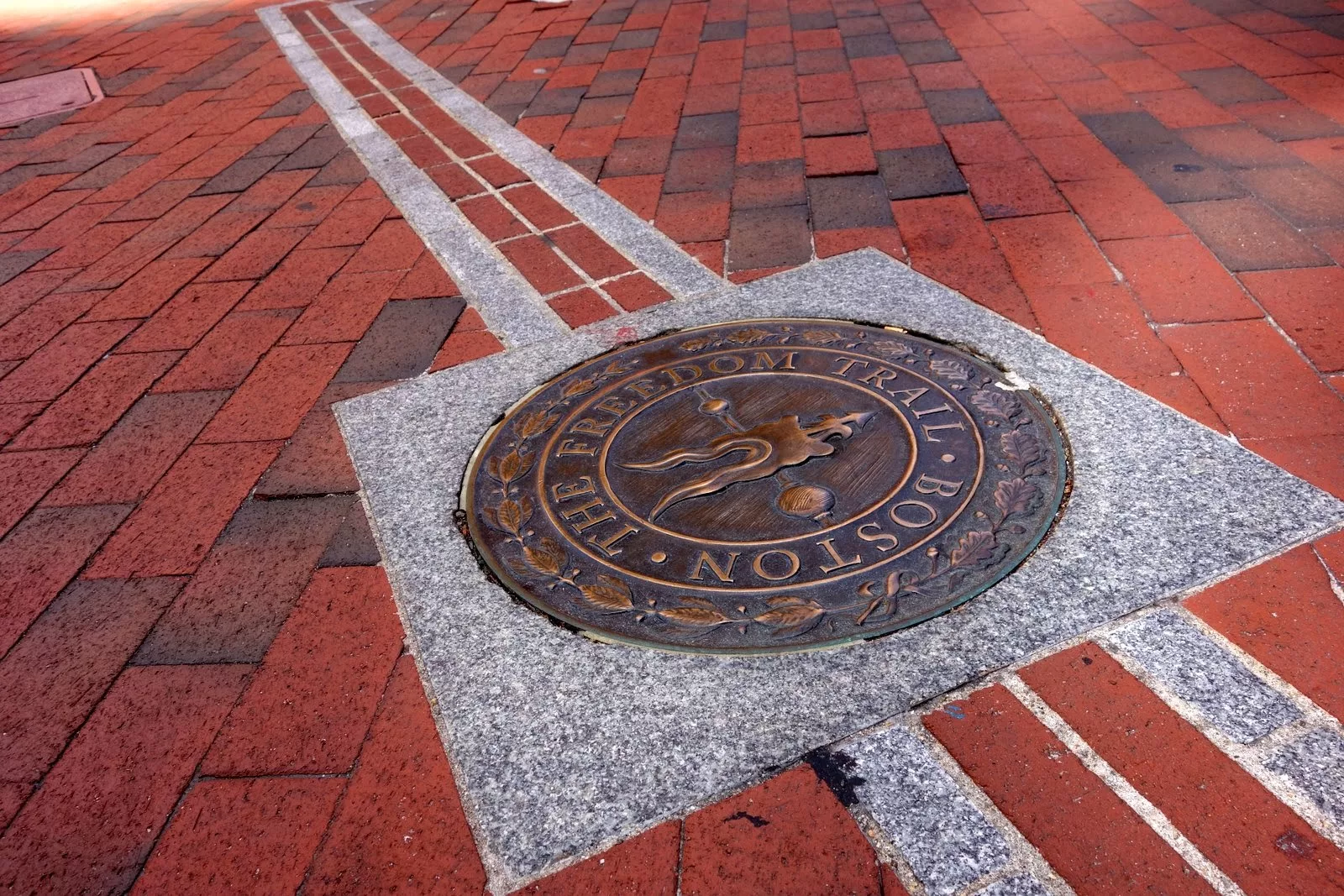
The Freedom Trail is the city’s most famous historical route and the logical starting point for a first visit. The marked path stretches for approximately 2.5 miles through downtown Boston and Charlestown, connecting 16 sites associated with the colonial period, the American Revolution, and the early development of the United States.
The route begins at Boston Common and passes landmarks such as the Massachusetts State House, Granary Burying Ground, Old South Meeting House, Old State House, Faneuil Hall, Paul Revere House, and Old North Church. It continues across the river toward the USS Constitution and Bunker Hill Monument.
Travelers should avoid treating the trail as a race. Reading plaques, entering selected buildings, and pausing in historic burial grounds create a more meaningful experience. The North End section adds narrow streets, Italian restaurants, bakeries, churches, and some of the oldest surviving residential architecture in the city.
Why visit:
To explore revolutionary history through a continuous route connecting Boston’s most important colonial landmarks.
Boston Common, Public Garden, and Beacon Hill
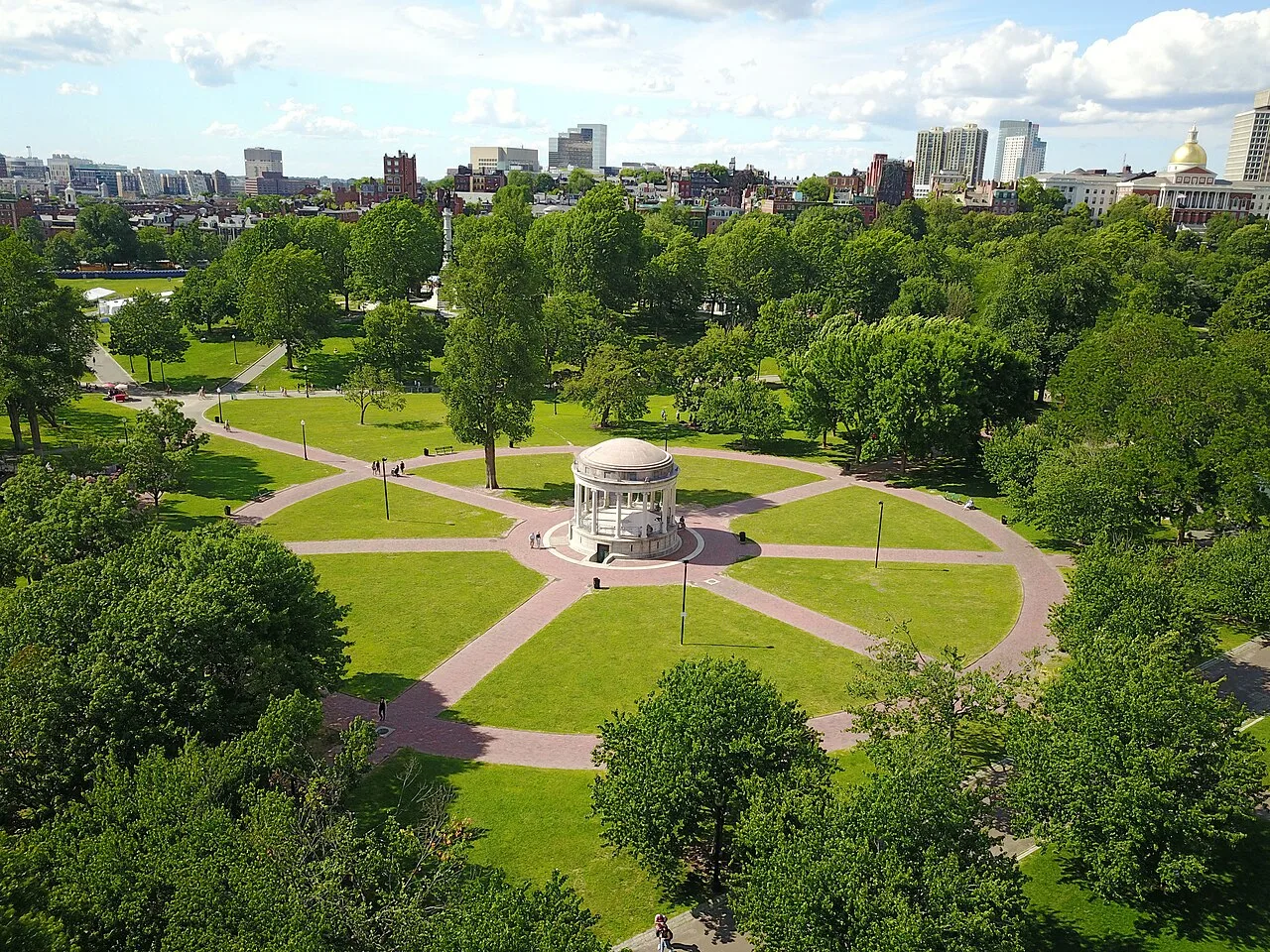
Boston Common provides a green introduction to the center and a natural transition between historic landmarks and residential neighborhoods. Established in the seventeenth century, it remains an active public space used for walking, events, recreation, and seasonal activities.
Beside it, the Boston Public Garden offers flower beds, sculptures, mature trees, a lagoon, and curved paths. The contrast between the open Common and the more formal garden creates two different experiences within one central district.
Beacon Hill rises along the northern edge of these parks. Its brick townhouses, gas-style lamps, narrow sidewalks, ironwork, and steep streets form one of Boston’s most recognizable architectural environments. Acorn Street is famous, but the wider neighborhood deserves more attention than one photograph.
Visitors can continue toward Louisburg Square, Charles Street, and the Black Heritage Trail, which interprets the history of Boston’s nineteenth-century free Black community and sites connected with abolition, education, worship, and civic life.
Why visit:
To experience historic parks, elegant streets, preserved architecture, and important African American heritage.
Museum of Fine Arts and Isabella Stewart Gardner Museum
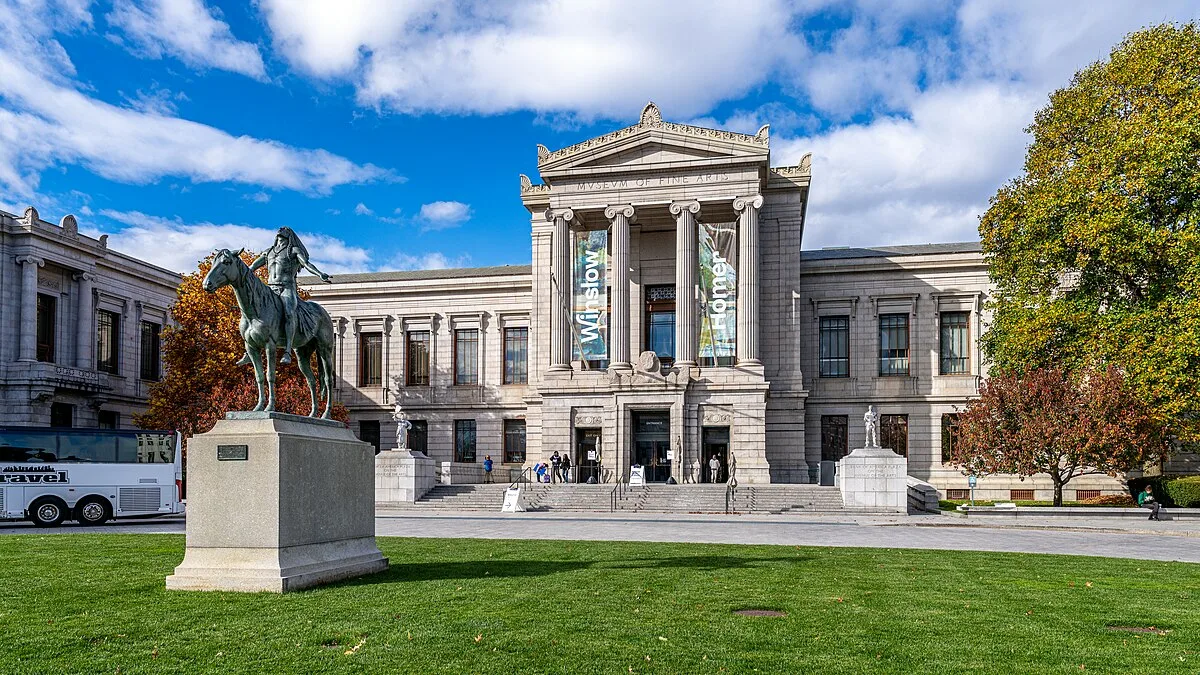
Boston is one of the leading art destinations in the United States. The Museum of Fine Arts presents a global collection extending from ancient cultures to contemporary art. Its galleries include European painting, American art, Asian collections, Egyptian objects, textiles, sculpture, decorative arts, and photography.
The museum is large enough to require planning. Visitors should identify several priority areas rather than attempting to see every gallery in one visit.
Nearby, the Isabella Stewart Gardner Museum offers a completely different experience. Its historic galleries are arranged around a central courtyard filled with architecture, sculpture, plants, and seasonal displays.
Paintings, furniture, tapestries, manuscripts, and decorative objects appear in carefully composed rooms rather than conventional chronological galleries.
The museum reflects the personal vision of Isabella Stewart Gardner, who arranged the collection to create relationships between art, architecture, color, and atmosphere. Together, these institutions form a powerful cultural core for any Must-See Boston journey.
Why visit:
To experience two exceptional museums with radically different approaches to art, display, architecture, and collecting.
Waterfront, North End, Fenway, and More Boston Attractions
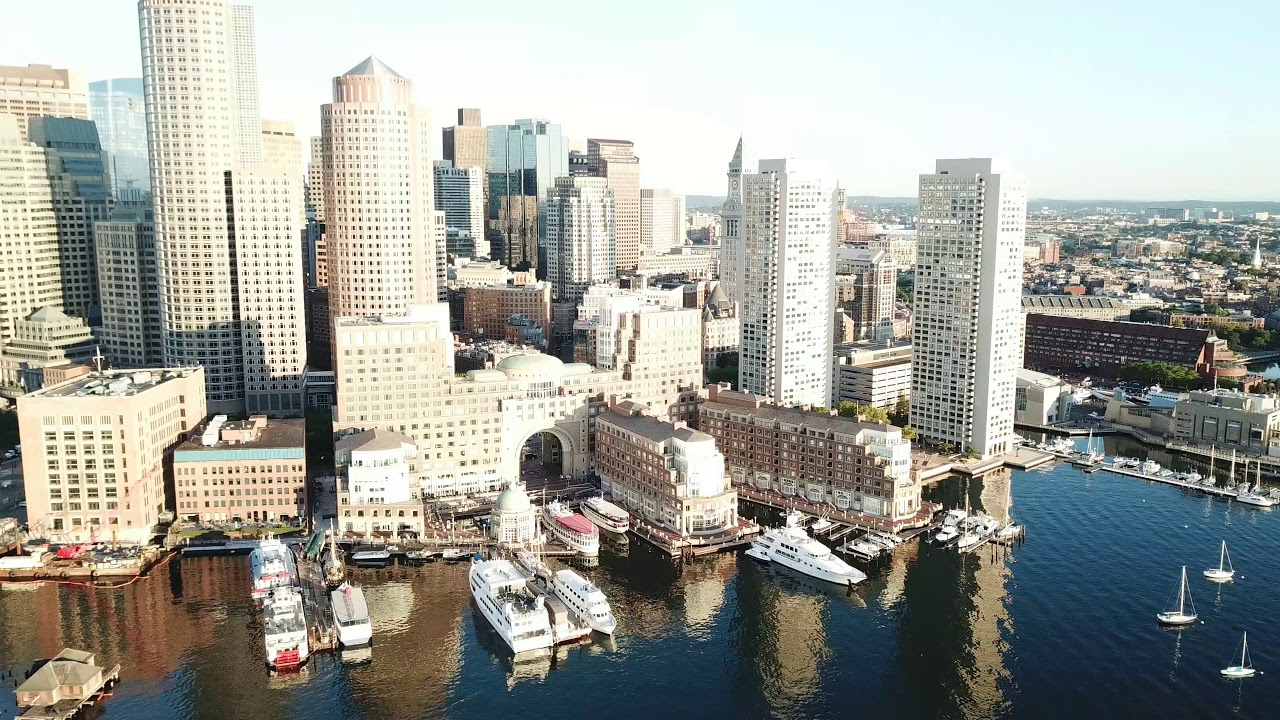
Boston Harbor has played a central role in the city’s development. The modern waterfront combines historic infrastructure with parks, promenades, museums, restaurants, and ferry routes. The Harborwalk offers views toward islands, marinas, bridges, and the skyline.
The New England Aquarium is a popular family attraction, while the Boston Tea Party Ships and Museum presents an interactive interpretation of a major revolutionary event. Faneuil Hall Marketplace and Quincy Market remain busy gathering places near the waterfront and connect naturally with the Freedom Trail.
Fenway Park, home of the Boston Red Sox, is one of the country’s most famous baseball stadiums. Even visitors who do not attend a game can appreciate how closely it is integrated into the surrounding streets.
Back Bay offers nineteenth-century architecture, shopping, churches, and the elegant axis of Commonwealth Avenue. Copley Square brings together Trinity Church, the Boston Public Library, and modern towers within one compact architectural composition.
Across the Charles River, Cambridge expands the cultural experience through Harvard University, the Harvard Art Museums, bookstores, cafés, and academic architecture. The Massachusetts Institute of Technology adds contemporary buildings, science culture, and public art.
Why visit:
To combine harbor scenery, historic markets, baseball culture, academic institutions, and distinctive neighborhoods.
Why Boston Rewards Slow Exploration
Boston is compact, but its cultural density is high. Three days allow a strong introduction: one for the Freedom Trail and North End, one for Beacon Hill, Back Bay, and major museums, and another for the waterfront, Fenway, or Cambridge.
The city is especially rewarding for travelers who enjoy walking. Streets change character quickly, and memorable discoveries often appear between major attractions. Museums provide excellent alternatives during poor weather, while parks, trails, and the harbor are best enjoyed in comfortable conditions.
ArtExpoWorld Editorial View
Boston demonstrates how a city can preserve historic identity without becoming a static monument. Revolutionary landmarks remain part of active neighborhoods, while universities, museums, sports venues, and cultural institutions continually reshape public life.
For ArtExpoWorld readers, Boston is especially valuable because architecture and art reveal several narratives at once. Colonial buildings communicate political origins, Beacon Hill reflects wealth and urban design, museums show global collecting traditions, and contemporary campuses express experimentation and innovation.
The strongest Sightseeing Boston experience combines official history with quieter cultural layers. Walking beyond the headline attractions reveals a city shaped by memory, migration, education, artistic ambition, and the reinvention of public space.