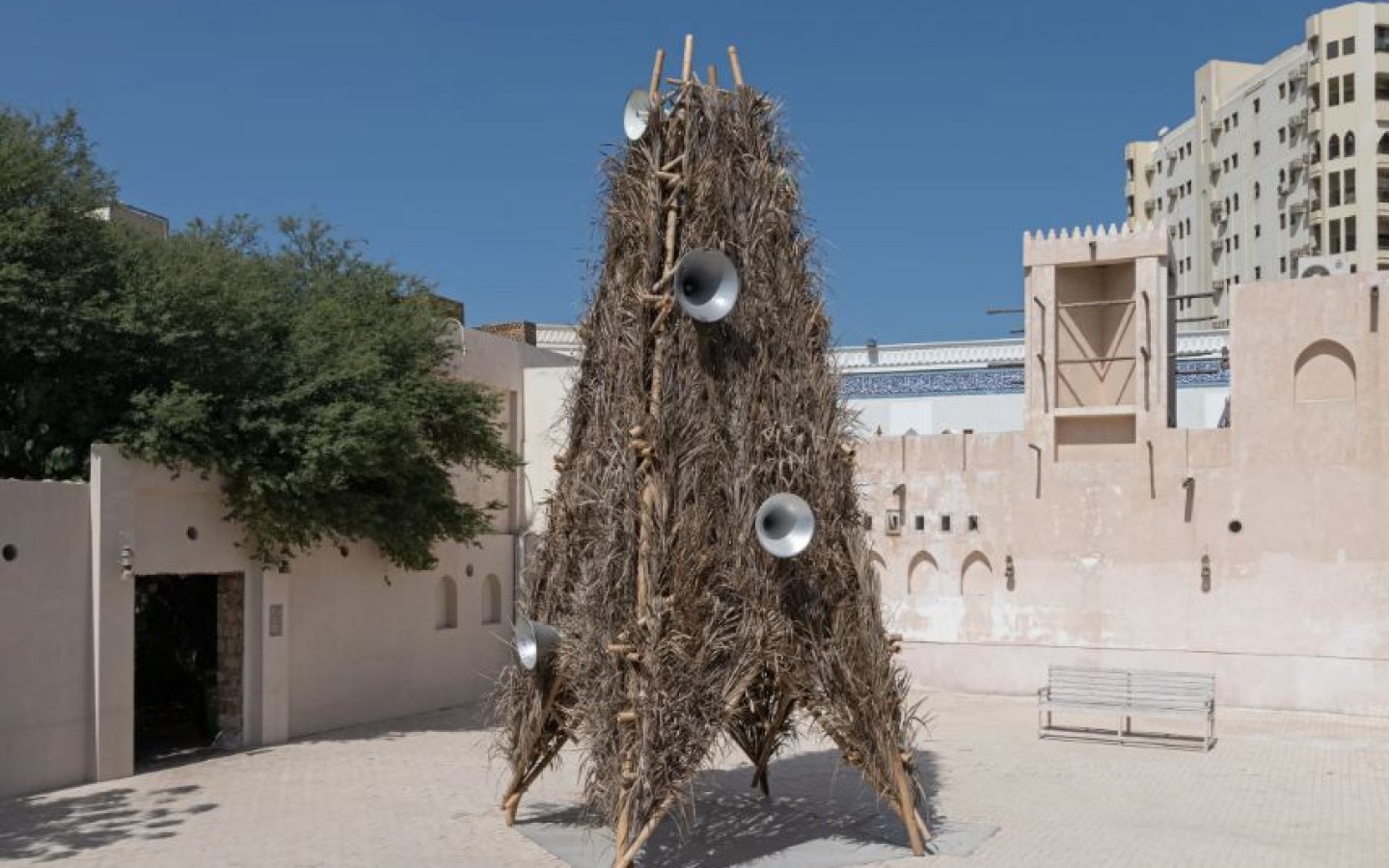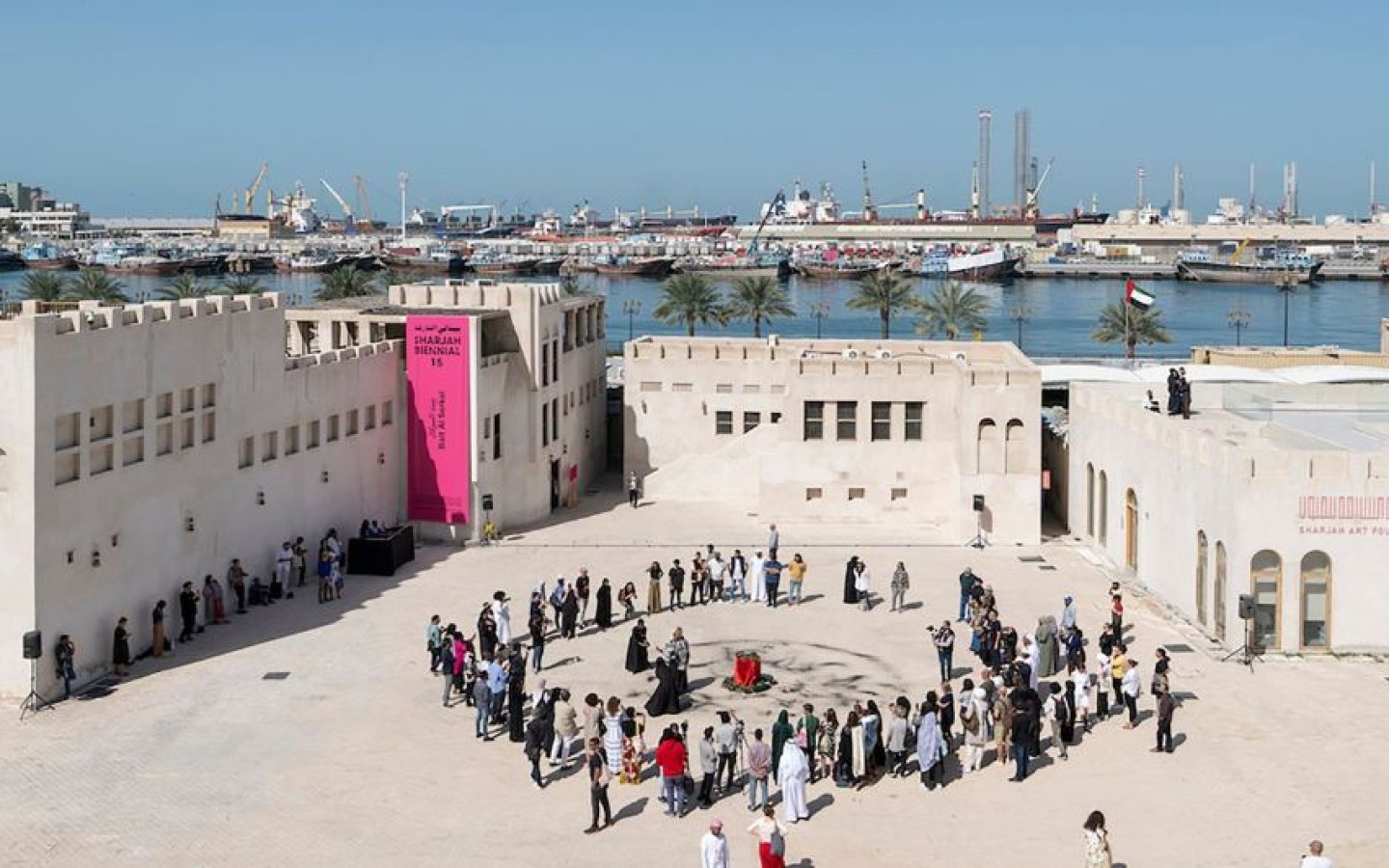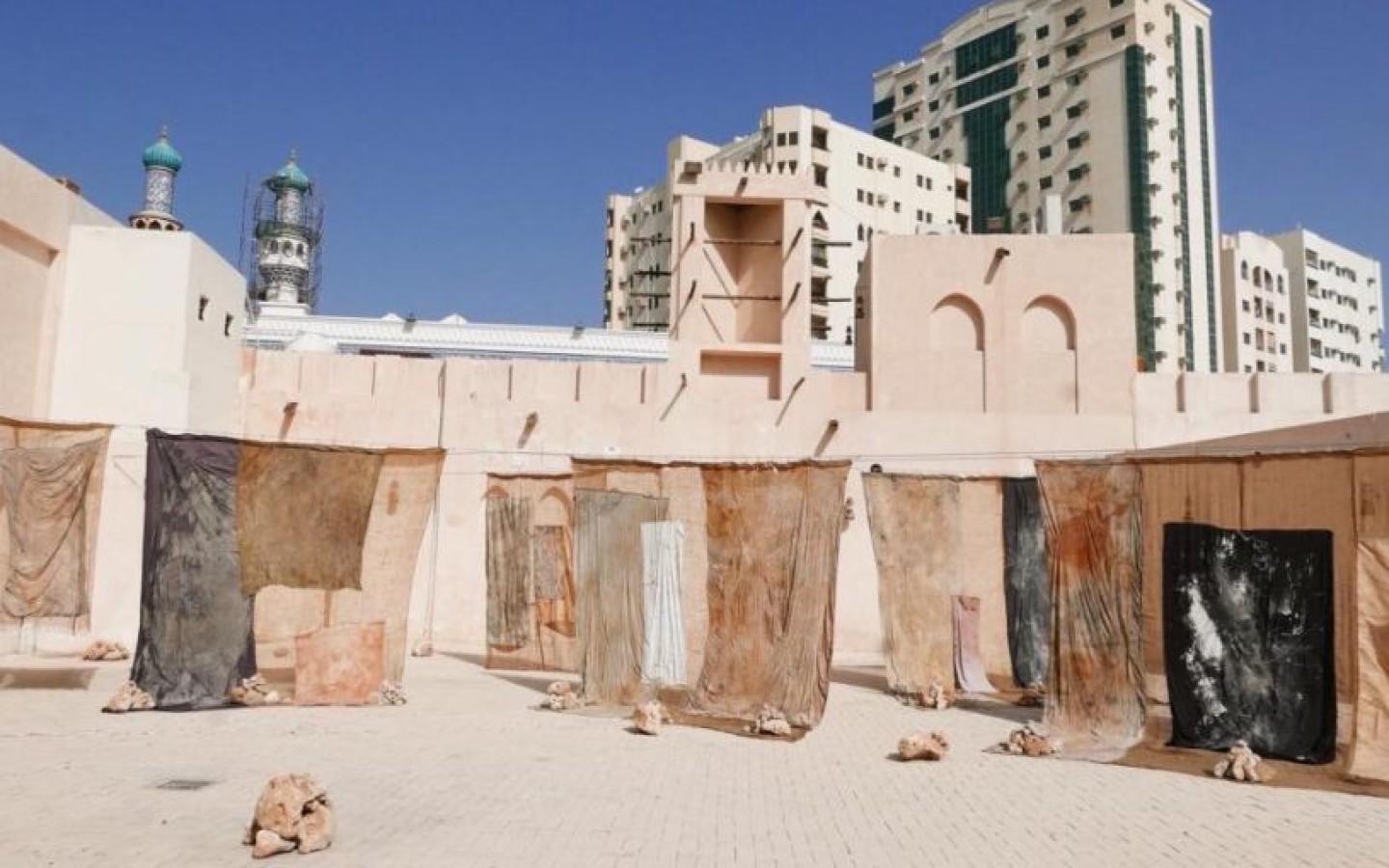


A former ice factory, a cinema, and a city square do not offer the same conditions for viewing art. Sharjah Biennial 17 makes this difference central to its upcoming edition, What remains, sits restive. Running from 21 January to 13 June 2027, the biennial connects eleven venues across four cities in the emirate rather than concentrating its argument within a single exhibition building.

The announced programme brings together 109 participants through two curatorial frameworks developed by Angela Harutyunyan and Paula Nascimento. Their projects explore the afterlives of socialist modernity and the relationships between infrastructure, place, and memory. The interest lies in how individual works make these themes tangible without becoming illustrations of a predetermined thesis.
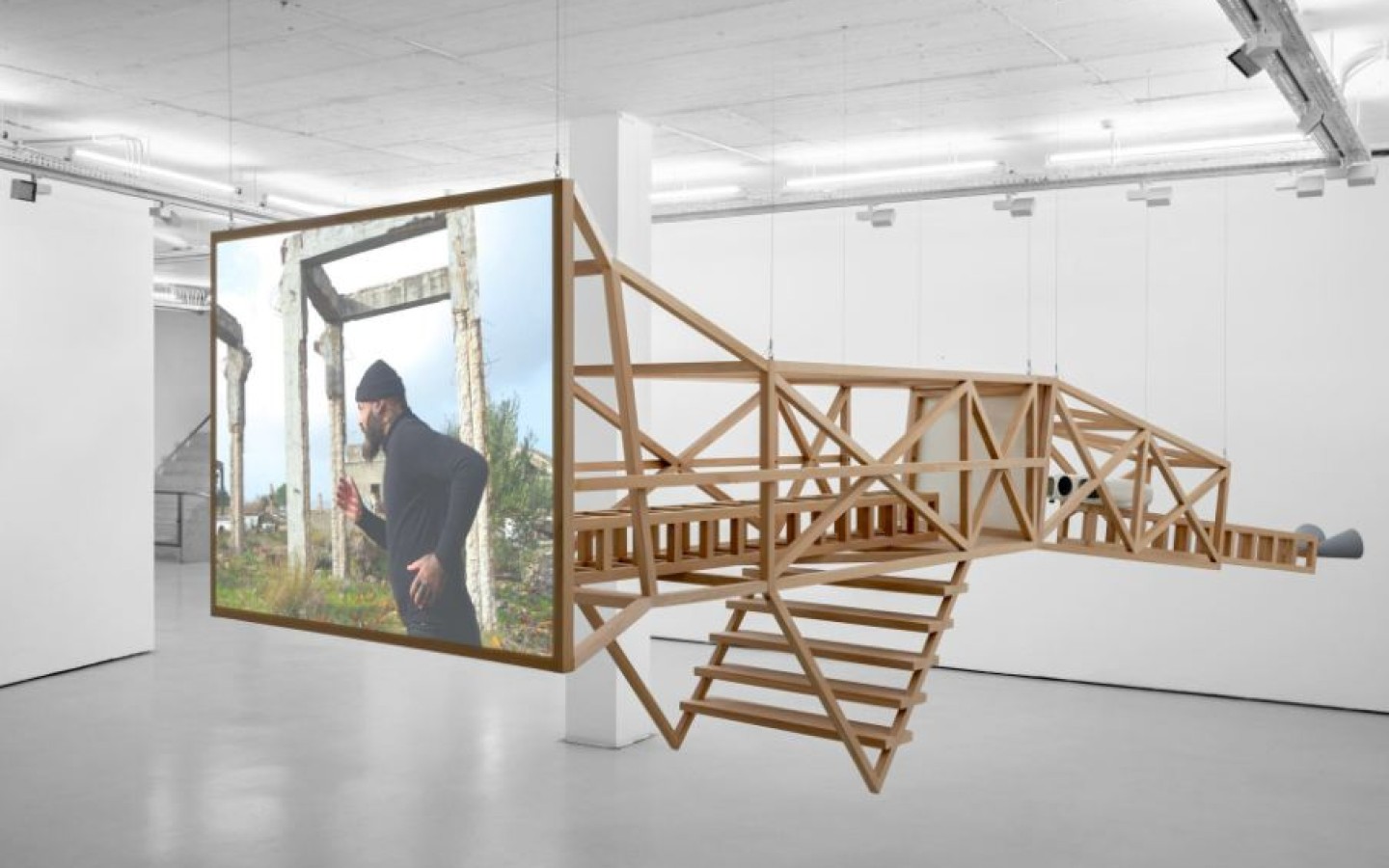
The published participant list includes Gabriel Chaile, Oscar Murillo, Sonia Gomes, Rebeca Carapia, Christian Salablanca Díaz, Ibrahim Mahama, Grada Kilomba and Edson Chagas. Readers following contemporary practices from Latin America and Africa will find several points of connection, although the exhibition should not be approached as a sequence of national displays.

Harutyunyan’s framework includes 55 participants and Nascimento’s 54. Installations, performances, moving images and other forms require different kinds of time. A useful plan begins with locations and programme dates, followed by the practices you most want to investigate.

Participants and Programme

Opening week takes place on 21–24 January. Announced highlights include an intervention by Ângela Ferreira in a cinema built in the 1970s, Cynthia Zaven’s engagement with a lost tradition of women’s sea songs in the Gulf, and sound sculptures by Christian Salablanca Díaz drawing on remembered boat journeys through Costa Rican mangroves.

The film programme The Present Uneven is curated by Harutyunyan with Tevž Logar. March Meeting is scheduled for 19–21 March 2027, with a free bus tour to central and eastern regions announced for 18 March as part of that programme. That particular tour should not be mistaken for a daily transport service between every biennial venue.

Sharjah Biennial 2027 Event Overview

Sharjah Biennial 2027: Dates, Tickets & Visitor Guide

Dates:

21 January 2027 - 13 June 2027

Location:

The biennial extends across Sharjah city, Al Dhaid, Kalba, and Khorfakkan in the United Arab Emirates. The foundation’s information centre at Al Mureijah Square is a practical starting point in Sharjah city.

Organizer:

Sharjah Art Foundation organises the biennial. The exhibition is part of a wider programme involving artist commissions, research, film, publishing, learning and the use of buildings across the emirate.

Why attend to Sharjah Biennial 2027?

The edition offers a sustained encounter with practices that are often experienced separately through national exhibitions or commercial fairs. Here, an installation, a remembered sound, and a repurposed building can become parts of the same question: what survives a political or economic project, and who must live with its remains?

The duration also allows for a different pace than an art week. Visitors who do not need the opening events can focus on a smaller group of venues. The artistic benefit comes from following connections closely enough to notice where the two curatorial frameworks support, complicate, or resist each other.

Getting There:

Sharjah city provides the starting cluster for most visitors, but Kalba and Khorfakkan lie on the emirate’s eastern side and Al Dhaid inland. These locations require a transport plan. Do not begin an outlying venue visit assuming that the next work is just around the corner from Al Mureijah Square.

For readers combining the biennial with Art Dubai 2027, the Dubai fair’s public dates of 9–11 April fall within Sharjah’s exhibition run. A combined stay allows comparison between a curated, dispersed exhibition and a concentrated commercial fair. Allow separate travel time for each city and avoid promising yourself the full biennial as an addition to a single fair day.

Accommodation

A Sharjah base suits repeated visits to the central exhibition areas. A Dubai base may suit a trip centered on the April fair, provided the transfers are planned realistically. For the eastern venues, choose the day’s geographical cluster before arranging transport. A map organized by city will be more useful than a list ordered only by artist name.

Don't Miss an Exhibition

Follow us on X to get the latest art events from around the world first

Follow

Gallery: Sharjah Biennial 2027

Secure Your Spot at Sharjah Biennial 2027 — Before It's Too Late

Tickets are limited and sell out fast.
Get instant access to the Sharjah Biennial 2027 registration page and be the first to know about exclusive events, VIP passes, and travel perks.

Early access. Limited availability. Global art at your fingertips.

History & Context of a Sharjah Biennial 2027

The previous edition was Sharjah Biennial 16, held from 6 February to 15 June 2025. There was no 2026 edition between that event and the announced seventeenth biennial. Our Sharjah Biennial edition history distinguishes the actual editions, helping readers avoid confusing an old page’s publication year with the year an exhibition took place.

What Has Changed Since the Previous Edition

The 2025 edition was developed by five curators; the 2027 edition has two curatorial frameworks and an announced 109 participants across eleven venues. These figures describe a changed structure, not a simple ranking of scale. The new title shifts attention towards what remains active or unsettled within inherited systems, with architecture and infrastructure providing concrete points of contact.

Interesting Fact

Christian Salablanca Díaz’s announced sound sculptures draw on memories of boat journeys through the Sierpe mangroves in Costa Rica’s Osa region. Presented in the Gulf, that point of departure creates a connection between distant landscapes without requiring them to look alike. Sound can carry the experience of movement through a place even when its vegetation and waterways are absent.

The example also gives the biennial’s broad language of memory a precise foothold. A remembered journey is partial, physical and particular. Listening to how an artist reconstructs it can be more revealing than searching for a universal symbol of landscape or belonging.

Tips for Visitors of Sharjah Biennial 2027

Choose a manageable set of venues and allow time for work involving duration. Check screening and performance schedules separately from general opening hours. The foundation permits personal phone photography under its general guidance, while professional photography requires permission. Follow any work-specific restrictions in the exhibition.

Tips from the ArtExpoWorld

Readers following the wider circulation of African practices can place the biennial beside our art fairs in Africa 2027 guide. The comparison concerns how artists are presented through different institutions and markets; those fairs are separate journeys, not neighbouring stops in Sharjah. Begin with the actual works and their contexts before extending the itinerary.

Be the First to Access Official "Sharjah Biennial 2027" Tickets

Don’t miss your chance to attend one of the world’s leading art fairs. Get direct access to the official ticketing page, exclusive updates, and important visitor information.

Early access. Limited availability. Global art at your fingertips.

Editor’s Note

The strongest aspect of the announced edition is its refusal to treat a building as neutral packaging. An ice factory, a cinema, and a square already contain histories of labor, circulation, and public life. An artwork becomes persuasive here when it changes our understanding of those histories, rather than merely occupying an atmospheric setting.

The two curatorial frameworks also create a demanding test. Concepts such as infrastructure and the afterlives of modernity can become so expansive that every object appears to confirm them. We will look for the works that make those concepts less comfortable: an unresolved voice, a material that resists an explanatory label, a memory that does not fit the proposed chronology.

On the announced programme, Sharjah is a compelling destination for readers prepared to give an exhibition sustained attention. Its free admission supports that openness, but the artistic reason to go is more specific: the chance to see how individual practices make large historical questions perceptible, and how the places of display complicate the answers.

Current and Upcoming Art Expos