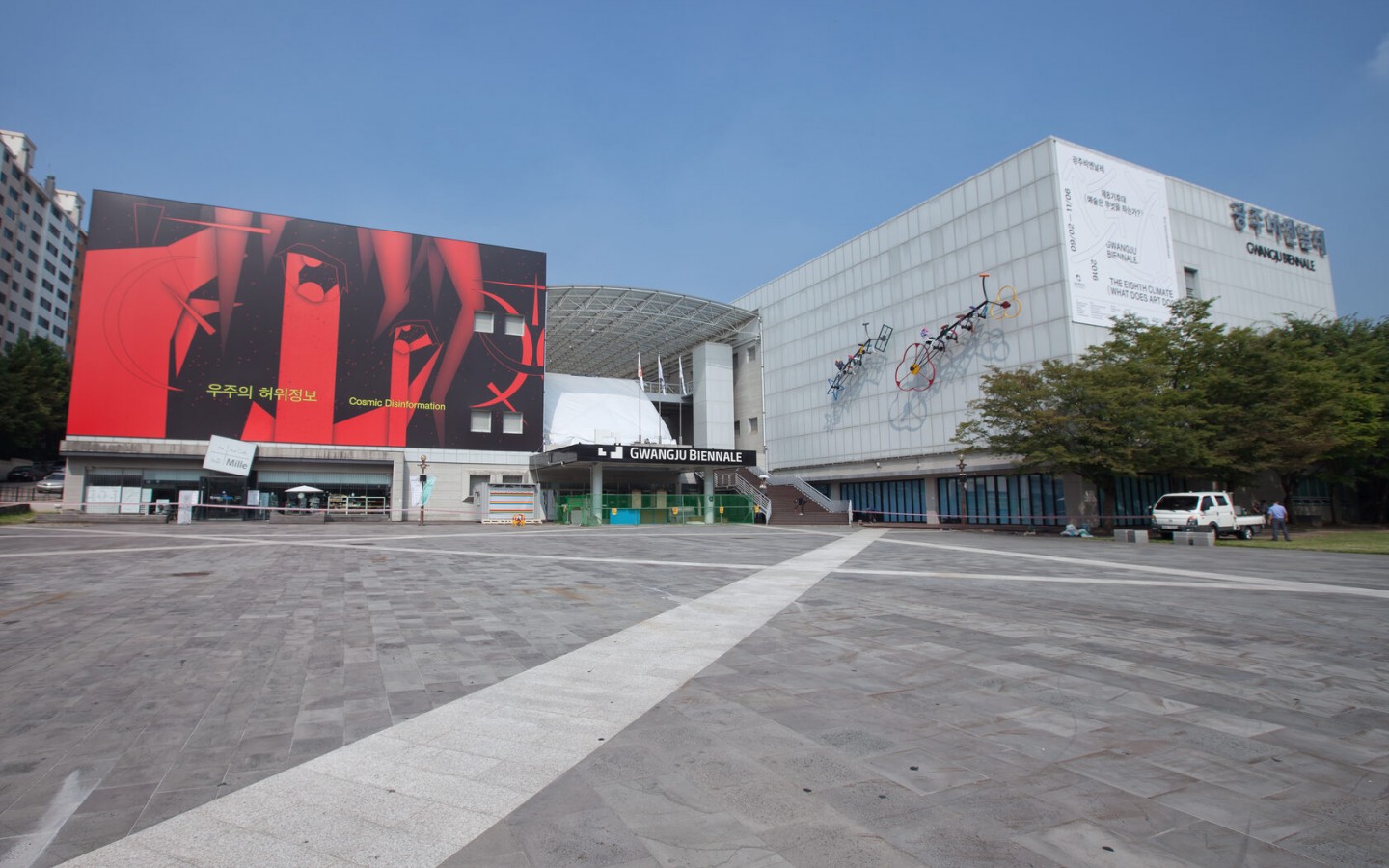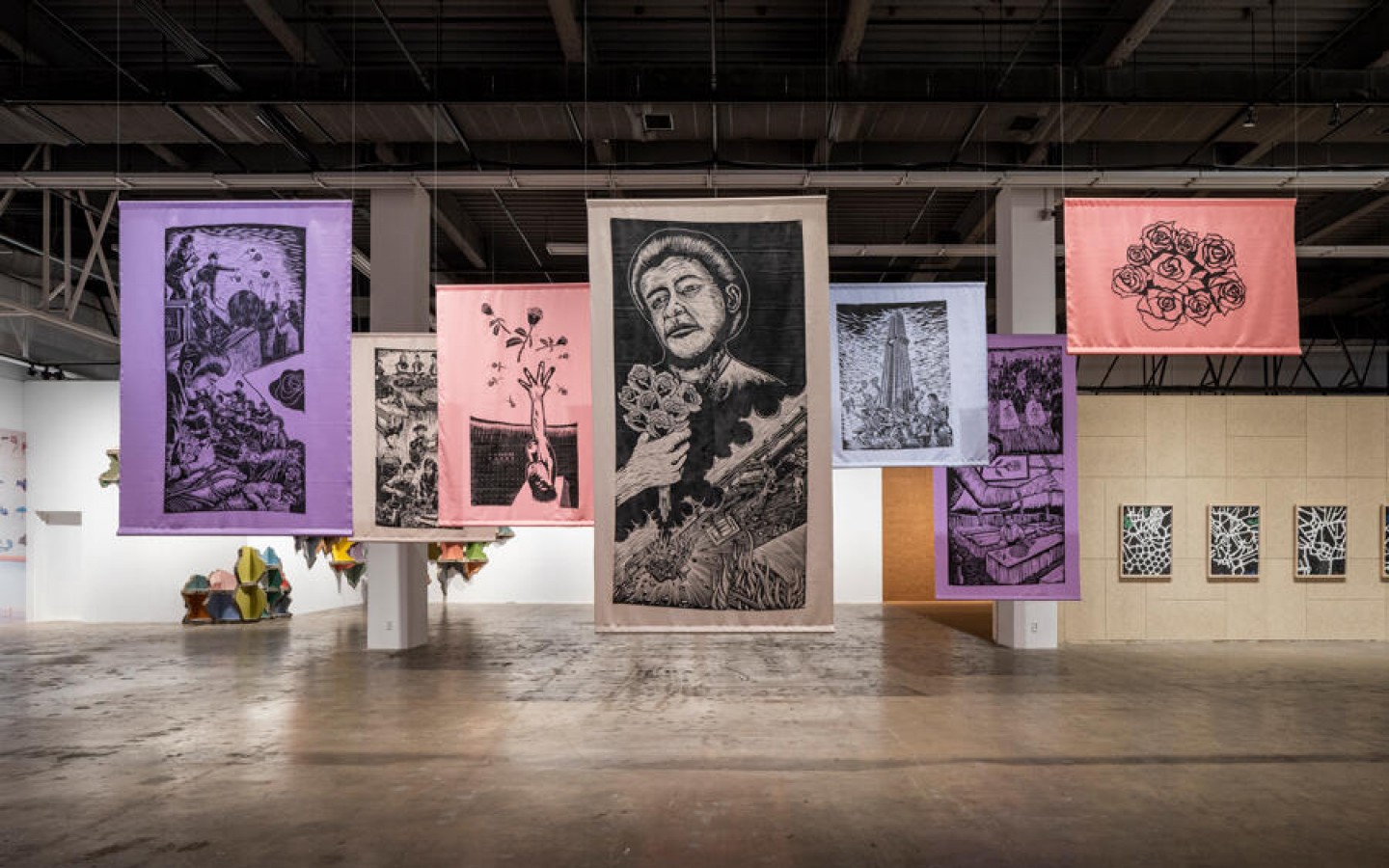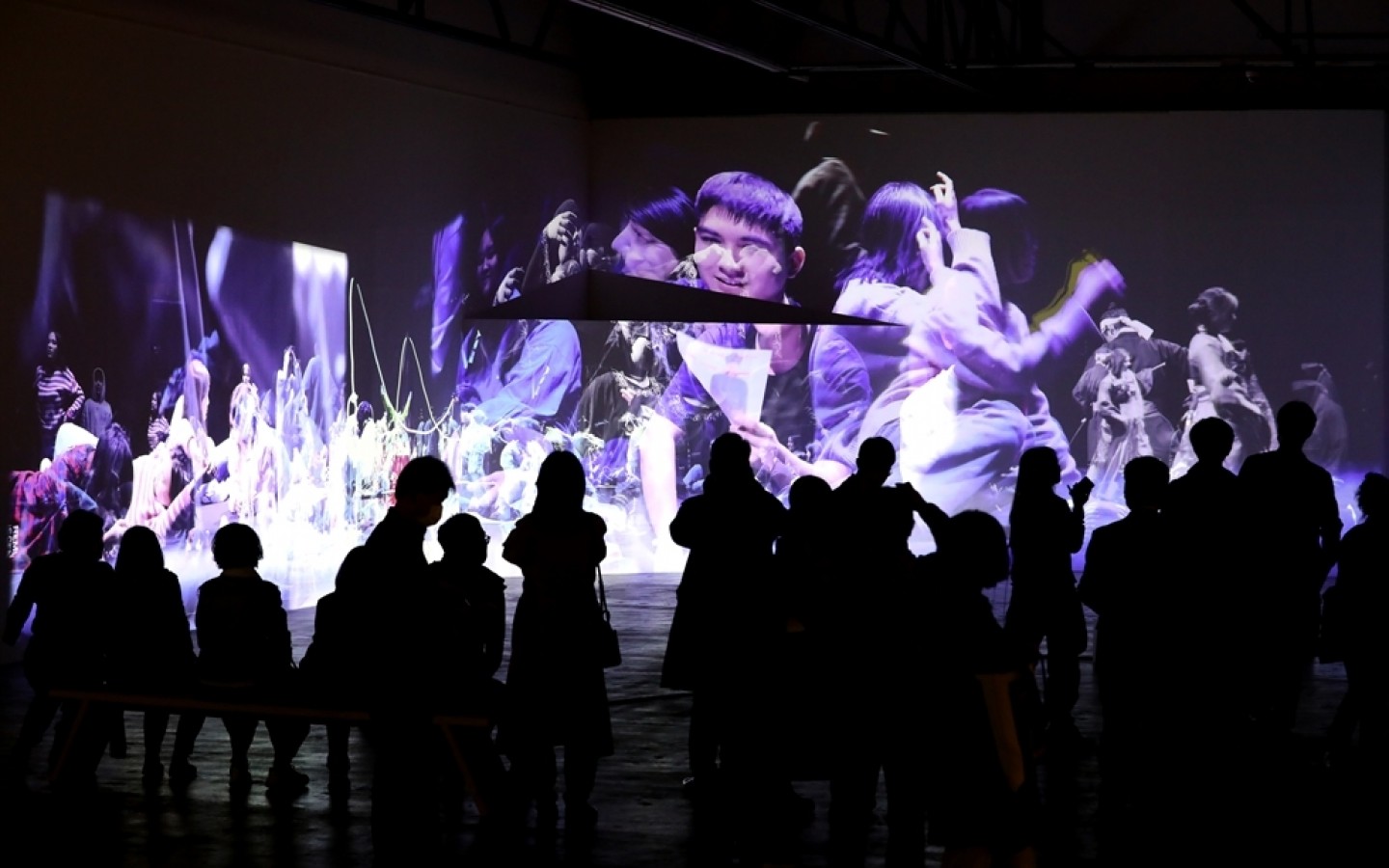


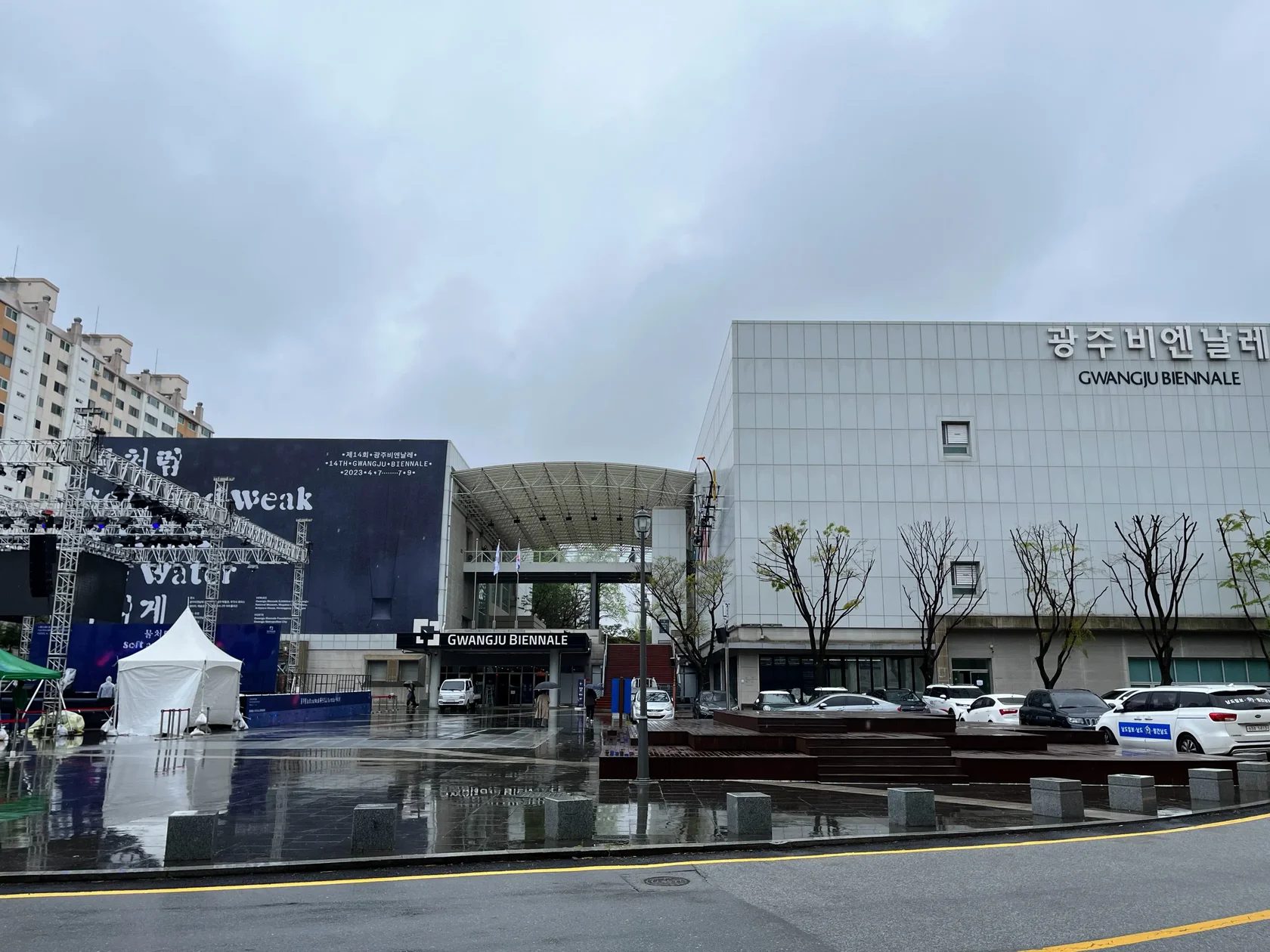
Gwangju Biennale 2026 returns from 5 September to 15 November 2026, presenting the 16th edition of one of Asia’s most important contemporary art biennials. The exhibition will take place at the Gwangju Biennale Exhibition Hall and is titled You must change your life.

The 2026 edition is led by Artistic Director Ho Tzu Nyen, together with curators Che Kyongfa, Park Gahee and Brian Kuan Wood. The theme takes its title from the final line of Rainer Maria Rilke’s poem Archaic Torso of Apollo, using the idea of transformation as a way to think about art, society, memory and change.

For ArtExpoWorld readers, Gwangju Biennale 2026 is especially important because it connects contemporary art with lived history. Gwangju is not a neutral city in this context; it is a place strongly associated with democratic struggle, memory and collective transformation.

Mercado Arte 2026

Gwangju Biennale 2026 presents its 16th edition under the title You must change your life. The Biennale Foundation describes the exhibition as a project focused on the transformative potential of art during a time of global uncertainty and shifting social realities.

The exhibition is led by Singaporean artist and curator Ho Tzu Nyen, known for his work on Asian modernity, history, image-making, and political imagination. His appointment was announced by the Gwangju Biennale Foundation in 2025, with the foundation highlighting his proposal of artistic practice as a force for change.

The curatorial team includes Che Kyongfa, Park Gahee, and Brian Kuan Wood. Together, they are expected to shape an exhibition that moves across different scales and speeds of change, from historical ruptures to quieter transformations in everyday life.

Visitors can expect contemporary art across media, including installation, moving image, sound, performance, archival practice, and conceptual work. As with previous editions, the Biennale is likely to bring together international artists, local histories, and urgent questions about the present.

Gwangju Biennale 2026 Event Overview

Gwangju Biennale 2026 – Contemporary Art and Transformation in South Korea

The title You must change your life comes from the final line of Rainer Maria Rilke’s poem Archaic Torso of Apollo, where an encounter with art becomes an imperative for transformation.

Dates:

5 September 2026 - 15 November 2026

Location:

Gwangju Biennale Exhibition Hall, Gwangju, South Korea

Mission:

The mission of Gwangju Biennale 2026 is to explore art as a force of transformation. Under the title You must change your life, the Biennale asks how artistic experience can challenge perception, memory, responsibility, and action. Its cultural role is inseparable from Gwangju’s history of democratic struggle and civic memory. The Biennale exists not only to present contemporary art, but to ask what art demands from society — and what kind of change begins when viewers truly pay attention.

Organizer:

Gwangju Biennale 2026 is organized by the Gwangju Biennale Foundation. The 16th edition is led by Artistic Director Ho Tzu Nyen, with curators Che Kyongfa, Park Gahee and Brian Kuan Wood. The Biennale continues the foundation’s role as one of Asia’s most important platforms for contemporary art, civic memory and international cultural exchange.

Why attend to Gwangju Biennale 2026?

Gwangju Biennale 2026 is worth visiting because it offers one of the most intellectually serious contemporary art experiences in Asia. It is a biennial where the city, the artworks, and the historical context are deeply connected.

For art professionals, the Biennale is a key place to understand contemporary art beyond the usual Western centres. It often brings together artists and ideas that challenge dominant narratives and expand the global art conversation.

For cultural travellers, Gwangju offers a different kind of South Korean experience. It is not only about fast urban spectacle or tourism; it is about memory, democracy, art, food, local culture, and civic identity.

For visitors interested in politically engaged art, the 2026 edition may be especially meaningful. Its theme suggests an exhibition concerned with change not as a slogan, but as a lived condition.

Ticket Information

General admission costs

Ticket information for Gwangju Biennale 2026 should be checked through the official Gwangju Biennale website closer to the opening date. Visitors should confirm ticket types, opening hours, guided tours, public programmes, and any special access rules before travelling.

The public exhibition dates are listed as 5 September to 15 November 2026 at the Gwangju Biennale Exhibition Hall.

Getting There:

Gwangju is located in southwestern South Korea. Visitors can reach the city by train, bus, car, or domestic flight, depending on their starting point.

From Seoul, the KTX high-speed train is one of the most convenient options, connecting the capital with Gwangju-Songjeong Station. From there, visitors can continue by taxi, bus, or local transport.

Gwangju Airport also serves domestic routes, while international visitors often arrive through Seoul or other major Korean airports before continuing to Gwangju.

The Gwangju Biennale Exhibition Hall is a major cultural venue in the city. Visitors should check local transport routes and allow time for movement between the station, accommodation, and exhibition sites.

Accommodation

Staying in central Gwangju is a practical choice for visitors attending the Biennale. It offers access to restaurants, transport, cafés, and cultural sites.

The area around Gwangju-Songjeong Station can be convenient for travellers arriving by train, especially for short visits.

Visitors who want a fuller cultural experience may prefer accommodation closer to downtown districts, where it is easier to explore food, nightlife, museums, and local neighbourhoods.

Because the Biennale is a major international event, accommodation should be booked early, especially around opening weeks and major public programme dates.

Travellers coming from Seoul may also consider combining Gwangju with other Korean cultural destinations, but staying overnight in the city is strongly recommended.

Gallery: Gwangju Biennale 2026

Secure Your Spot at Gwangju Biennale 2026 — Before It's Too Late

Tickets are limited and sell out fast.
Get instant access to the Gwangju Biennale 2026 registration page and be the first to know about exclusive events, VIP passes, and travel perks.

Early access. Limited availability. Global art at your fingertips.

History & Context of a Gwangju Biennale 2026

The Gwangju Biennale was founded in 1995 and is widely recognized as one of Asia’s leading contemporary art biennials. It has built a strong reputation for connecting artistic practice with social history, political memory, and critical reflection.

The city of Gwangju gives the Biennale its particular significance. Gwangju is closely linked to the 1980 democratic uprising, a defining moment in South Korea’s modern history. This legacy continues to shape how the Biennale understands public memory, resistance, and the role of culture.

The 2026 title, You must change your life, fits powerfully within this context. It suggests that art is not only something to observe but something capable of demanding a response from the viewer.

In this sense, Gwangju Biennale 2026 is not simply an international exhibition. It is part of a longer conversation about how art can address historical trauma, social change, collective responsibility, and the possibility of transformation.

Tips for Visitors of Gwangju Biennale 2026

Plan at least one full day for the main exhibition. Biennials are dense, and Gwangju Biennale is best experienced slowly, with time for reading, reflection, and returning to works that feel complex.

Check the official Gwangju Biennale website before traveling for final ticket details, opening hours, artist list, public programs, and possible satellite events.

If you are traveling from Seoul, allow enough time for the journey. Gwangju is connected by high-speed rail, but the visit works better as an overnight or weekend cultural trip rather than a rushed day excursion.

Pay attention to the city’s history. Visiting May 18th National Cemetery, local museums, or historical sites can add important context to the Biennale experience.

If you are attending as a professional, watch for talks, previews, curator events, and public programs. These can be as important as the exhibition itself.

Tips from the ArtExpoWorld

Do not visit Gwangju Biennale only for the artworks. Visit it for the relationship between art, place, and history. That is where the Biennale becomes most powerful.

The theme You must change your life should not be read as a slogan. It is a challenge to look at art as something that can disturb comfort, shift attention, and demand a deeper response.

Be the First to Access Official "Gwangju Biennale 2026" Tickets

Don’t miss your chance to attend one of the world’s leading art fairs. Get direct access to the official ticketing page, exclusive updates, and important visitor information.

Early access. Limited availability. Global art at your fingertips.

Editor’s Note

Gwangju Biennale 2026 matters because it treats change as something real, difficult and lived. In Gwangju, transformation is not an abstract curatorial word; it is part of the city’s history.

For ArtExpoWorld, this makes the 2026 edition especially strong. The Biennale connects contemporary art with memory, civic courage and the question of what art can still ask from us.

Ho Tzu Nyen’s leadership gives the exhibition a sharp intellectual direction. His practice around history, images and Asian modernity fits naturally with Gwangju’s complex symbolic weight.

Gwangju Biennale 2026 is a strong choice for visitors who want contemporary art with urgency and depth — not decoration, not spectacle, but art that looks directly at change and asks what it demands from a life.

Current and Upcoming Art Expos