









Madrid Art Week 2027: ARCO, CAN & JUSTMAD Guide
Three fairs can occupy the same week and still introduce artists in very different ways. Madrid’s early-March calendar combines IFEMA’s large international setting, a contemporary platform at Matadero, and a more focused gallery encounter at Palacio Neptuno. Their overlap creates a useful comparison, provided each visit has a clear purpose.
This guide selects three announced fairs rather than claiming to list every activity in the city. The key question is how each event shapes the encounter with the artwork. A broad selection can reveal historical and geographical relationships; a smaller presentation can make a single practice unusually legible. The strongest itinerary leaves time to discover which works deserve a second look.
Madrid Art Week 2027 Calendar
|
Fair |
Announced edition |
Venue |
Public access distinction |
|
ARCOmadrid 2027 |
3–7 March |
IFEMA Madrid |
General public access begins 5 March at 15:00; earlier periods have professional or restricted access |
|
CAN Art Fair Madrid 2027 |
4–7 March |
Matadero Madrid, Plaza de Legazpi 8 |
Published public hours 5–7 March; 4 March access requires separate confirmation |
|
JUSTMAD 2027 |
4–7 March |
Palacio Neptuno, Calle de Cervantes 42 |
Complete 2027 public timetable and preview arrangements forthcoming |
The event names link to the full visitor guides. A shared week does not create a shared public ticket. Confirm the session for each destination before arranging travel, and keep the first edition date separate from the first available general-admission period.
IFEMA: A Wider International Frame
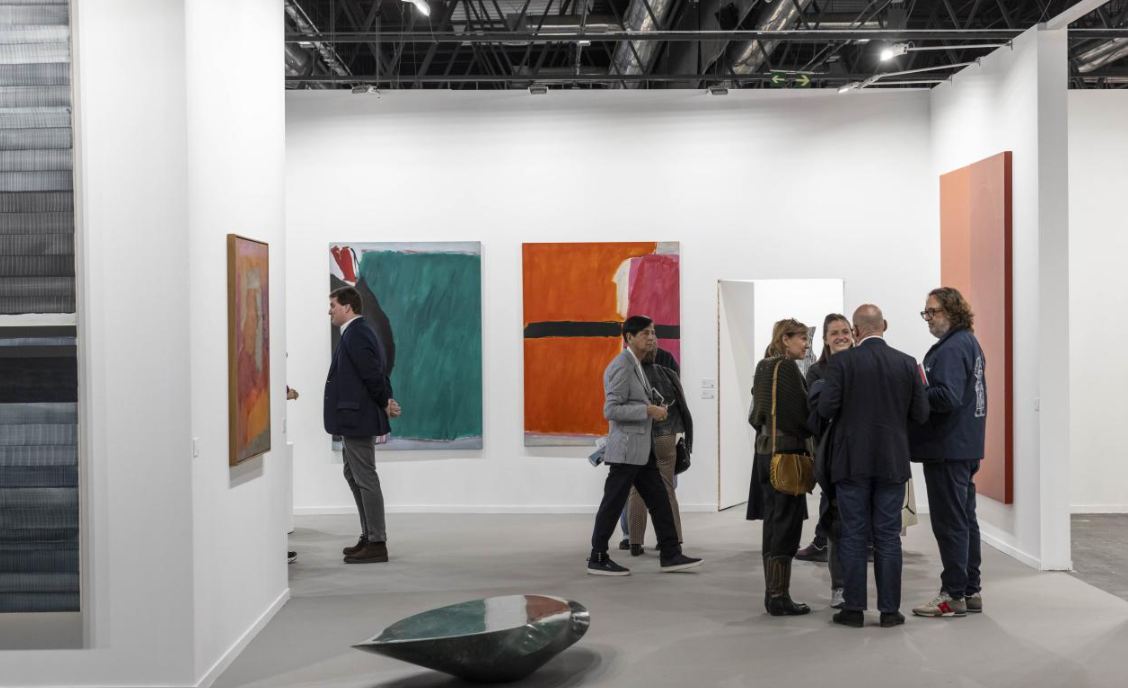
ARCO offers the broadest exhibition setting in this selection. Its international gallery network and longstanding relationships with Latin America allow visitors to compare artistic positions through multiple histories at once. The most productive route begins with a question or a group of galleries, rather than attempting to absorb the entire fair at the same speed.
The announced ARCO2046 framework introduces an inquiry into possible futures. Such a proposition becomes interesting when it changes how artists and galleries construct their presentations. Look for the specific material, image, or spatial decision that makes the future more than just a theme printed beside the work.
At a large fair, orientation and judgment are separate tasks. An initial circuit can establish where different proposals sit. A later return allows time for works whose significance was less immediately obvious. The presentation that first appears quieter may prove more coherent once the surrounding visual noise has settled.
The IFEMA location also affects the day. It is a separate destination from the central venues and Matadero. Allow the journey and entrance process their own space in the plan, especially when public access begins partway through Friday rather than at the start of the edition.
Matadero: Judging the Contemporary Claim
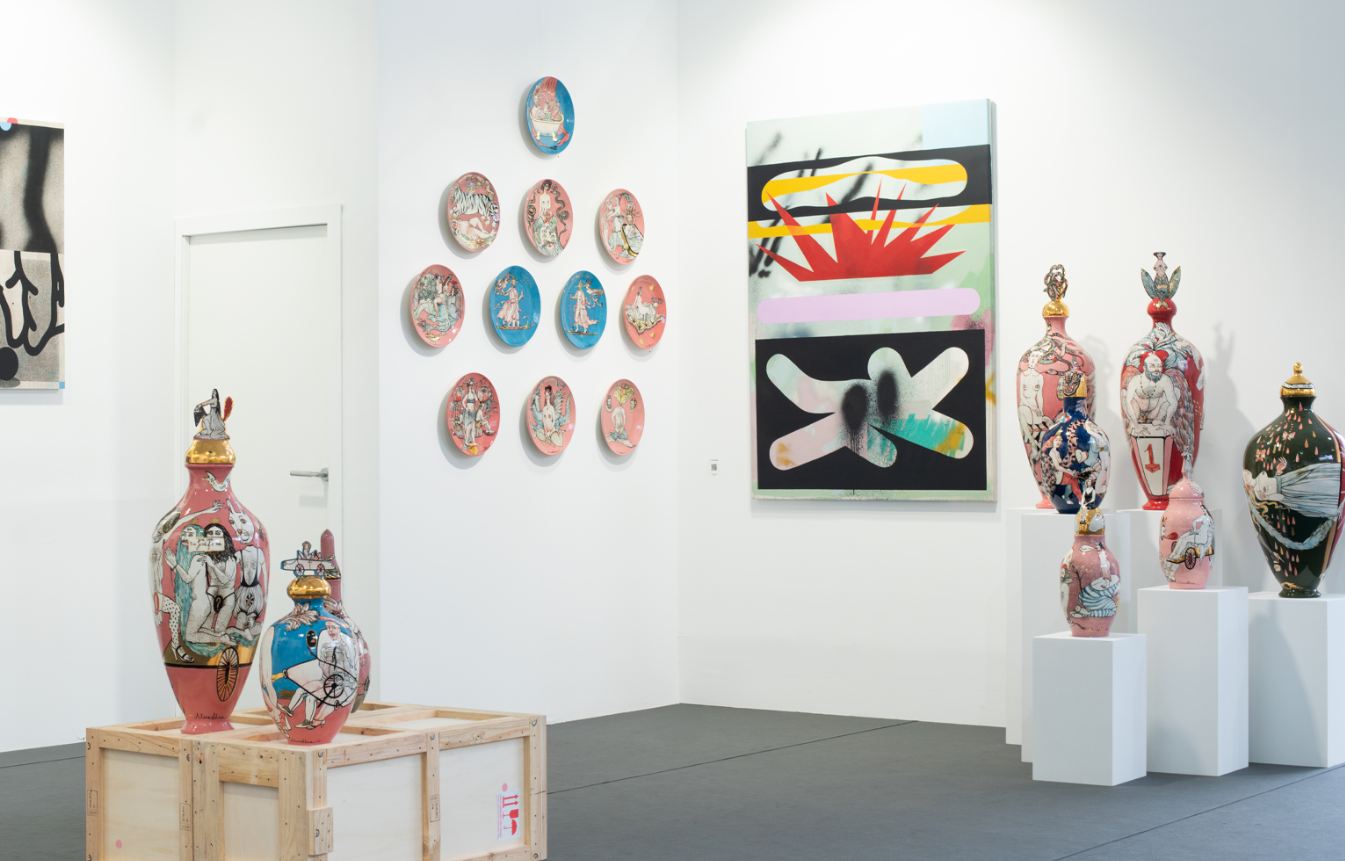
CAN’s eleventh Madrid edition offers another proposition centered on practices shaping the present. Its organizer describes a mixture of emerging, mid-career, and established artists through gallery and project presentations. That range invites a useful question: what is developing within the work itself, beyond the career category attached to its maker?
The Matadero setting gives the visit a distinctive architectural context. Former industrial buildings and open spaces can sharpen a work’s scale, but they can also let atmosphere do too much of the work. Notice whether a gallery’s proposal remains precise within the surroundings or simply benefits from a striking location.
Public hours are Friday 5 March, 12:00–21:00; Saturday 6 March, 11:00–21:00; and Sunday 7 March, 11:00–19:00. These later closing times can help distribute the weekend, but they should not become a reason to arrive with too little attention left for the work.
Legazpi metro station, served by lines 3 and 6, is the organizer’s listed approach. Identify the fair entrance within the complex before relying on a meeting time. A location shared with several cultural programs does not mean those programs share access conditions.
Palacio Neptuno: Following the Gallery Proposal
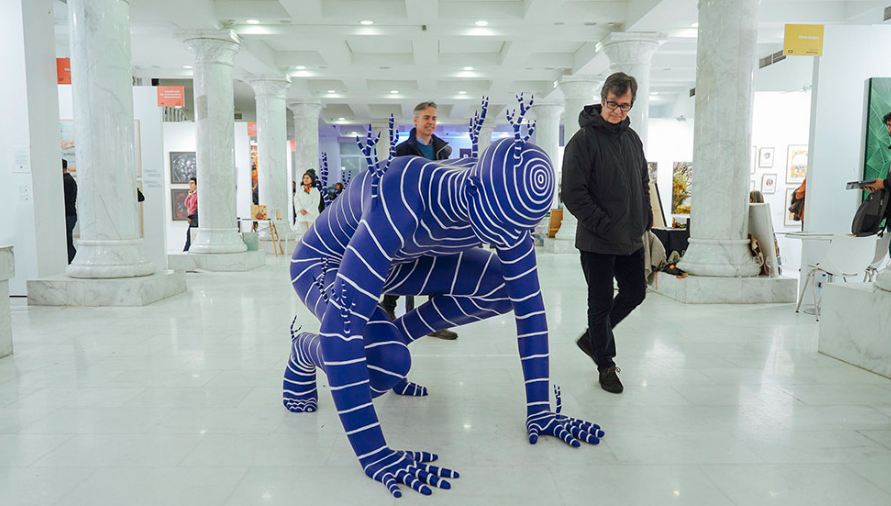
JUSTMAD’s eighteenth edition places contemporary and emerging practices within a concentrated central Madrid setting. The value of a visit lies in how galleries assemble work into a proposition. A small group can reveal a method through variation, making the differences between pieces more important than the broad label attached to the stand.
The previous program documented European and Latin American relationships, alongside solo, publishing, and institutional activity. The 2027 list will determine which of those structures continue. Use the archive to ask informed questions, while keeping the new selection separate from the people and galleries of the preceding edition.
At this scale, the gallery conversation can be especially revealing. Ask why these works have been brought together and what changed between their creation. A useful explanation should return attention to a particular decision in the work, rather than merely repeating that an artist is promising or internationally recognized.
Palacio Neptuno’s address is Calle de Cervantes 42. The organizer lists metro approaches through Antón Martín, Estación del Arte, and Banco de España. The final 2027 opening hours and admission conditions remain forthcoming, so the route should remain flexible until the actual sessions can be confirmed.
A Route That Leaves Time to Look
Begin by deciding which fair anchors the trip. A visitor investigating a broad international gallery network may dedicate a full day to IFEMA. Someone following a smaller group of practices may prefer to start centrally and use the larger event as a comparison. The order should follow the inquiry rather than an assumed hierarchy of prestige.
Do not reserve every evening before the daytime visits have been planned. A conversation at one presentation can make a return more valuable than another opening elsewhere. Keep a modest number of fixed appointments and allow room for the program to change the route.
For two public visiting days, it may be more useful to choose one main fair each day and a shorter comparison than to divide both days equally among all three. For a longer stay, separate the IFEMA journey from the central and southern visits, allowing time for the city’s wider artistic activity without assuming it all fits inside the fair ticket.
Visitors requiring step-free routes should check the temporary exhibition entrances as well as the permanent venues. A station connection, the final pavement route, and the fair’s internal circulation are different parts of the same practical question. Establish them before making an appointment hard to reschedule.
Admission and the Questions Worth Asking
The three fairs publish their own access categories. CAN specifically accepts ARCO VIP accreditation under its stated terms but excludes ARCO press accreditation from that arrangement. This does not create a transferable general-admission ticket across the week. Ask about the actual category held rather than assume that every professional pass works everywhere.
Not every organizer has released a complete 2027 price list. Use the inquiry form on the relevant event page for assistance with public or preview admission. A gallery participation fee, an artwork price, and a visitor ticket are unrelated figures and should remain separate in the travel budget.
Inside each fair, keep a short record of the artist, work, and gallery. A practice can appear through different works in several settings, but an apparent resemblance does not establish that the same artist is being shown. Precise notes make it possible to follow an inquiry without relying on memory alone.
Another Citywide Comparison
Our Mexico City Art Week 2027 selection offers an earlier February example of different art events sharing one urban moment. The useful comparison concerns how gallery selection, artist-led structures, and distinct venues shape a visit. It is a separate destination, with its own artistic context, rather than an extension of a Madrid weekend.
Editor’s Note
Madrid’s week is most rewarding when the fairs are allowed to disagree. A work that gains authority inside a large international presentation may become more difficult beside a tightly argued smaller proposal. Those shifts are useful: they reveal how the circumstances of display influence a judgment that can initially feel entirely personal.
We would resist assigning each event a single artistic personality in advance. Large fairs can contain demanding, unfamiliar practices, while a discovery-focused presentation can rely on easily absorbed images. The critical task remains the same at every venue: look for the decisions that make the work specific and test how well the presentation sustains them.
Our recommendation is to carry one question through the week and allow the best encounter to change it. The point of visiting several fairs is the possibility of a more exact understanding, not the completion of an itinerary. Madrid’s concentration offers that opportunity when the journey between venues leaves enough attention for what is actually on view.