









Art Fairs in Asia Spring 2027: Tokyo, Hong Kong & Jakarta
Spring offers several distinct ways into Asian gallery activity. Tokyo places contemporary practices alongside older collecting fields. Hong Kong concentrates two international events in March, then returns with another collecting format in May. Jakarta’s garden fair changes the physical setting altogether, exploring how sculpture and installation occupy an outdoor environment.
This selection compares five announced events across March–May 2027. It follows exhibition models and artistic questions rather than attempting a complete ranking of the continent’s fairs. The cities belong to separate journeys unless the reader deliberately plans a longer stay; the calendar’s value lies in helping choose which encounter matters most.
Asian Art Fair Calendar for Spring 2027
|
Fair |
Announced dates |
City and venue |
What distinguishes the visit |
|
Art Fair Tokyo 2027 |
12–14 March public; preview 11 March |
Tokyo International Forum; separate Projects location at Tokyo Midtown Hibiya |
Different collecting periods and a programme across two settings |
|
Art Central Hong Kong 2027 |
24–28 March; preview 23 March |
Central Harbourfront, Hong Kong |
A temporary exhibition setting within the city’s concentrated art week |
|
Art Basel Hong Kong 2027 |
25–27 March public |
HKCEC, Wan Chai |
An international gallery comparison during the same March visit |
|
Art Jakarta Gardens 2027 |
5–9 May, overall edition |
Hutan Kota by Plataran, Jakarta |
An outdoor fair setting; public and preview split forthcoming |
|
Affordable Art Fair Hong Kong 2027 |
20–23 May, overall edition |
HKCEC, Wan Chai |
A stated artwork-price framework; 2027 public sessions forthcoming |
Each event name opens its full guide. The table distinguishes confirmed public dates from overall edition periods. A preview, a professional pass and a general-admission session are different access arrangements, even when events occupy the same week or building.
Tokyo Looking Across Periods and Venues
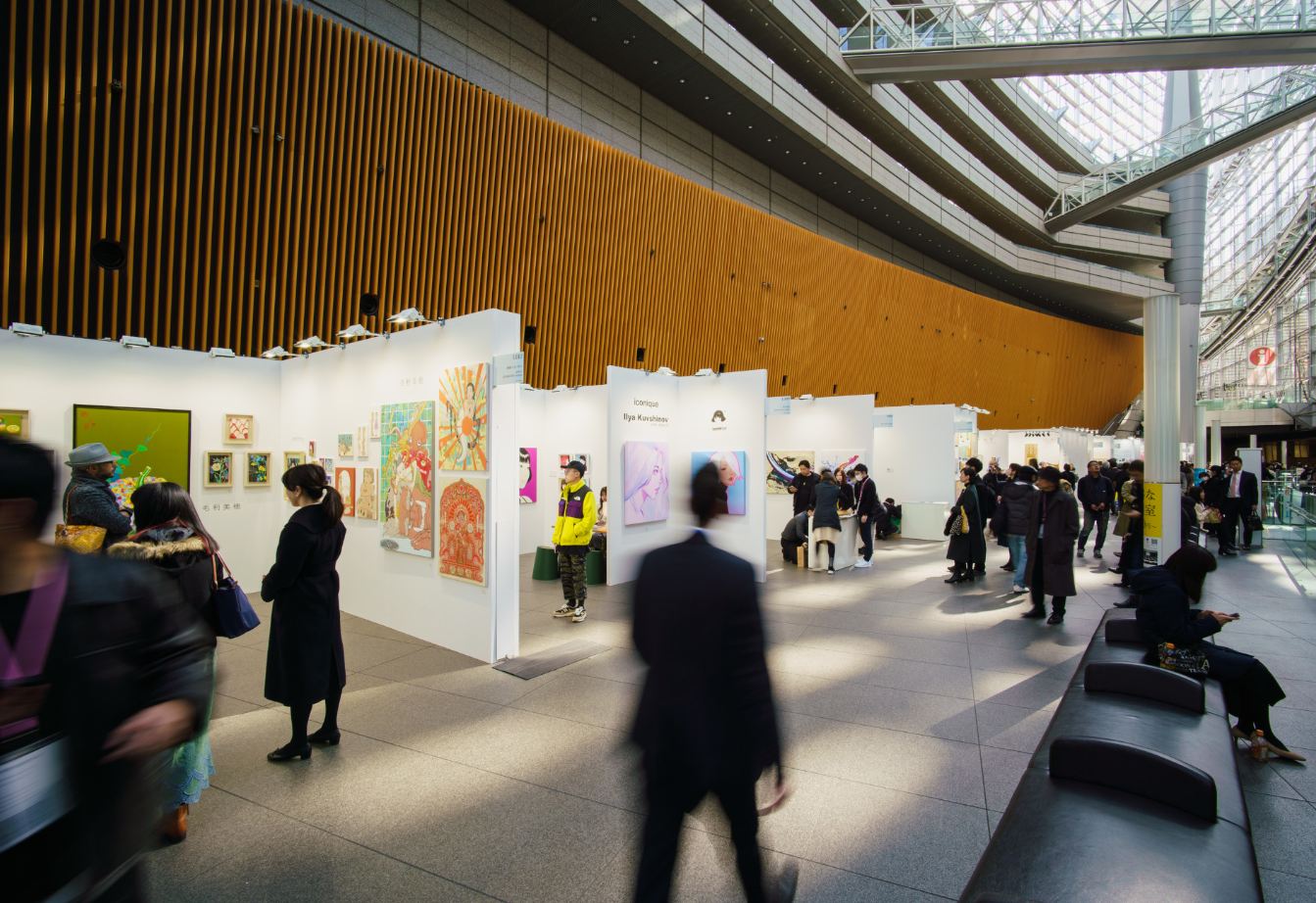
Art Fair Tokyo’s public dates fall on 12–14 March, following a private preview on 11 March. The organiser places Galleries and Crossing at Tokyo International Forum, with Projects at Tokyo Midtown Hibiya’s B1 concourse. The separate locations should shape the itinerary from the beginning.
The platform’s range gives visitors a way to examine contemporary work alongside antiques, crafts and modern art. A material or motif can move between those fields while changing its function. Look at the date, authorship and context of each object before treating a visual resemblance as a historical relationship.
The Projects location also changes the circumstances of viewing. A presentation in a publicly trafficked concourse has a different relationship to the surrounding city than a stand in an exhibition hall. Ask what the artist and gallery have made possible through that setting, and which conditions remain part of the work when it is moved elsewhere.
Hong Kong in March Two Fairs One Concentrated Week
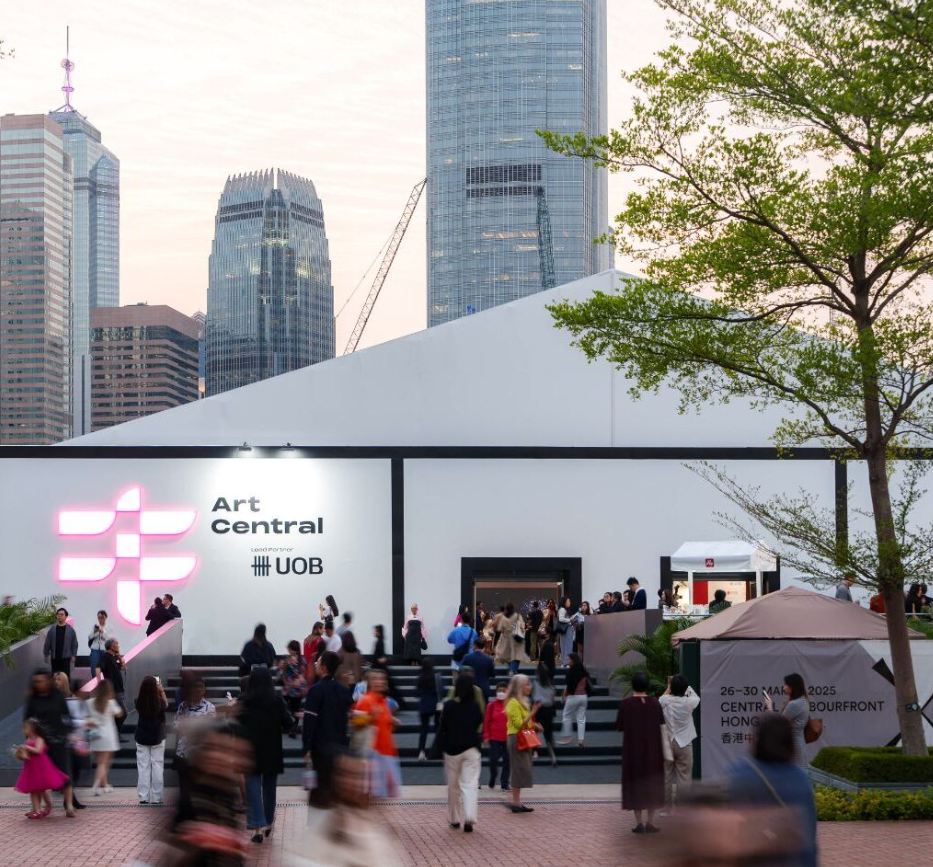
The Harbourfront Encounter
Art Central returns to Central Harbourfront on 24–28 March, after a 23 March preview. Its temporary exhibition structure gives gallery presentations a particular spatial setting within the city. The organiser’s regional relationships provide a starting point, while the final selection establishes which practices are actually brought into view.
A productive visit asks how a gallery introduces an unfamiliar artist. A small group of works can reveal a method through repetition or change; a broader proposal can connect practices that initially appear unrelated. The value of discovery lies in the precision of that account, rather than in the promise that every name will be new to the visitor.
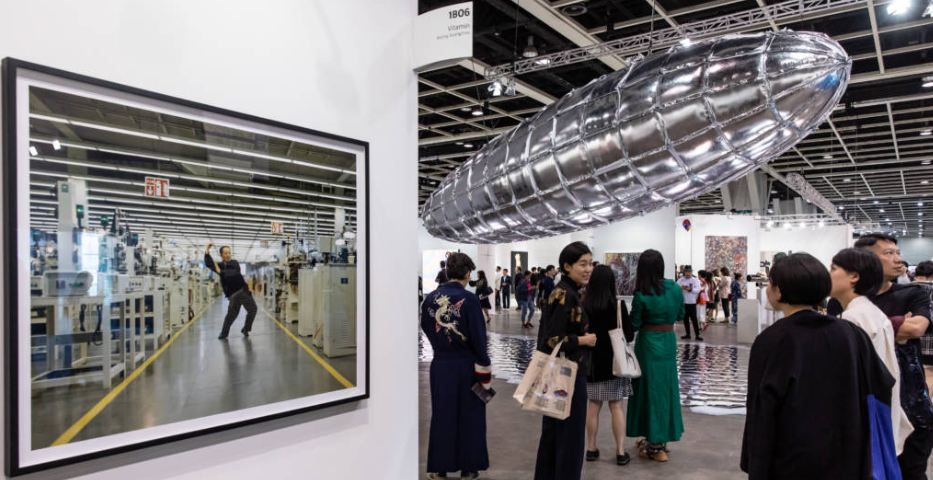
The Wan Chai Comparison
Art Basel’s public dates are 25–27 March at HKCEC. The overlap permits two different gallery encounters during one Hong Kong stay. It does not create a shared ticket, and the movement between the harbourfront and Wan Chai needs its own place in the day.
At an international fair, a familiar name can provide orientation but should not determine the entire route. Look at how the work has been selected and what relationships the presentation establishes. A less recognisable practice may offer the more exact artistic proposition once it receives sustained attention.
The useful comparison concerns what each fair makes easier to notice. One display may clarify a material process, while another positions a related work within a longer exhibition history.
Jakarta Sculpture in a Garden Setting
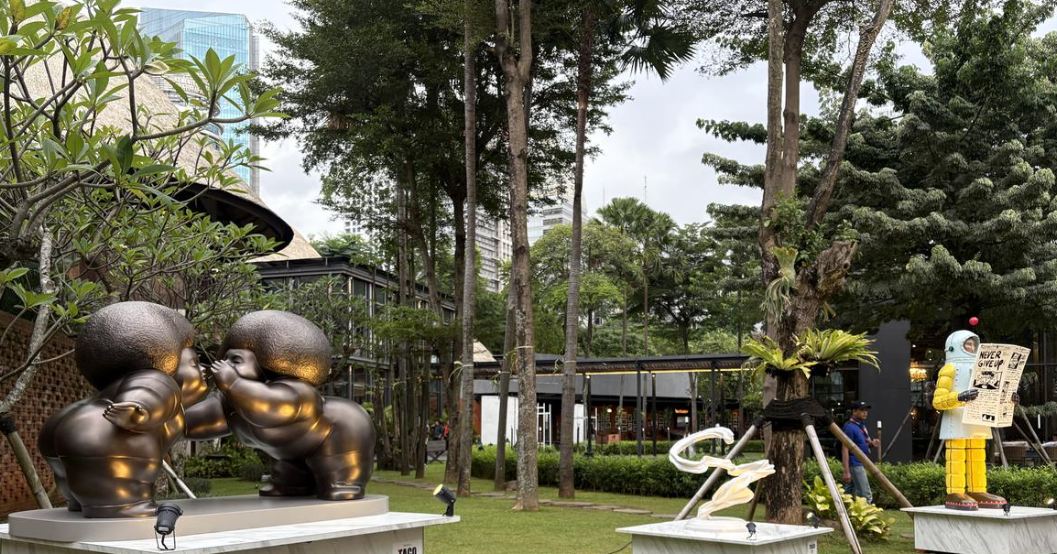
The May garden fair takes place at Hutan Kota by Plataran within the Gelora Bung Karno complex. Its announced five-day period is 5–9 May. Daily public hours and any invitation opening still require the edition’s own timetable; the previous year’s access arrangements should not be carried forward.
An outdoor exhibition changes how sculpture is encountered. Light, weather and the viewer’s movement can make a surface or opening behave differently throughout the visit. A strong work uses those conditions precisely, rather than relying on greenery to make it seem more inviting.
The gallery context remains important. Ask how an outdoor work relates to the artist’s wider practice and whether a smaller piece or drawing makes its method clearer. The setting should add a question, while the presentation gives enough information to pursue it beyond one memorable photograph.
Plan the final approach to the actual fair entrance. The sports complex and dining venue are larger destinations than the temporary exhibition itself. Confirm covered routes, weather arrangements and any accessibility requirements before choosing a visiting session.
Hong Kong in May A Different Collecting Conversation
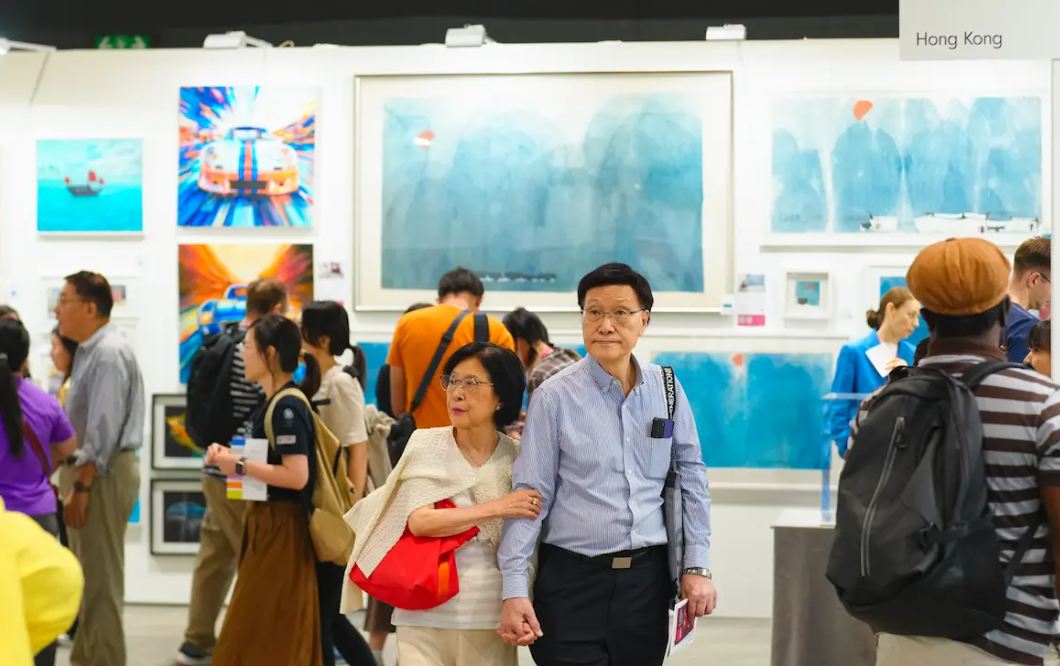
Affordable Art Fair returns to HKCEC on 20–23 May. The organiser’s published HK$1,000–100,000 range concerns artworks, not entrance tickets. That framework can make the first price conversation easier while leaving the quality and particularity of each work open to independent judgement.
The same venue as the March international fair does not imply the same gallery selection or visitor experience. Look at the coherence of the proposal, the artist’s methods and what the gallery can explain about the work’s development. A collecting format should support those questions rather than make suitability for an interior the only measure.
The current organiser page still labels its detailed opening times as 2026. The new 2027 public and preview schedule remains to be confirmed. Choose a session from the final edition announcement, and use the enquiry form on the complete event page for admission assistance.
Choosing Between the Three Cities
Tokyo suits readers interested in the relationships between different periods and collecting fields. Hong Kong’s March overlap supports a concentrated comparison between two international gallery settings. Jakarta introduces a physical enquiry into art outdoors, while Hong Kong in May offers another route into contemporary collecting conversations.
There is no need to make these into one continuous trip. Choose a scene and a question, then decide whether a second event develops that enquiry enough to justify the time. The interval between March and May can be useful for following an artist’s work through exhibitions and reading after the first encounter.
For an earlier regional comparison, our art fairs in Asia in early 2027 selection examines January and February opportunities alongside Tokyo. Read it to consider another seasonal window, while preserving the distinctions between countries and exhibition formats. The broader calendar should help narrow an itinerary as readily as expand it.
Practical Details That Change the Visit
Public hours, artwork prices and entrance tariffs should remain separate. Some 2027 admission details are still forthcoming, and a previous edition’s price does not establish the next one. Check the complete visitor guide and the relevant enquiry form before making plans around a preview or a timed activity.
Ask about the actual exhibition route if step-free access, seating or a film’s duration affects the visit. A convention centre, a concourse and a garden create different practical conditions. Knowing those differences allows attention to remain on the art rather than the logistics of reaching it.
Editor’s Note
We find this spring sequence compelling because it refuses a single image of an Asian art fair. Tokyo’s collecting breadth, Hong Kong’s concentrated gallery week and Jakarta’s outdoor setting each change how a work can be introduced. The differences become useful when the visitor learns to adjust the questions asked at each presentation.
The regional comparison should remain attentive to institutions and practices rather than rely on a general idea of Asian contemporaneity. A work can belong to several histories at once, and a gallery may make one of those histories more visible in a particular setting. The strongest encounter allows that complexity to remain present without replacing it with a vague international identity.
Our recommendation is to choose the format that best serves a concrete artistic interest and give it enough time to become less predictable. A work seen outdoors may change a later reading of sculpture indoors; a historical object may alter how a contemporary material is understood. Those relationships make a spring itinerary memorable long after the dates have passed.