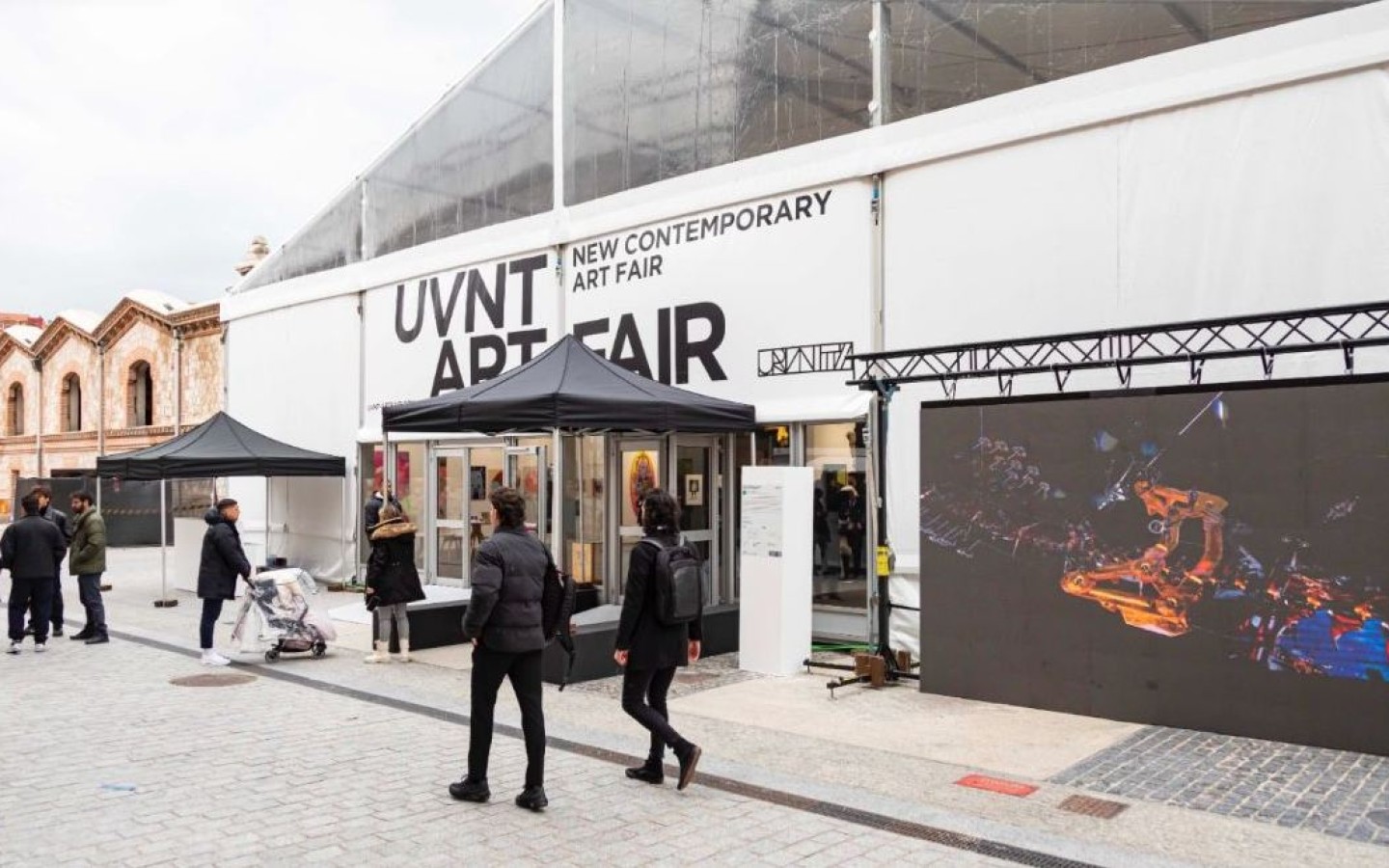
The organiser identifies 2027 as the eleventh Madrid edition and situates the fair within more than a decade of activity in the city. The current CAN identity should be understood through the organiser’s own edition history. A different fair with a similar focus on younger practices is not its previous edition.
What Has Changed Since 2026
The new edition has announced March dates and a continued Matadero setting. The complete participant list and March programme will reveal the substantive changes. The ambition to discover contemporary positions serves as a framework to test through the works, rather than serving as proof by itself that a new selection is more adventurous.
Interesting Fact
Matadero’s name preserves its former purpose as Madrid’s municipal slaughterhouse and livestock market. The cultural centre’s history traces the start of construction under architect Luis Bellido to 1911 and its inauguration to 1924. Contemporary exhibitions now occupy a complex designed around a very different organisation of labour and movement.
That history makes the relationship between art and architecture worth noting. Large openings, industrial surfaces, and the distances between buildings were not conceived as a neutral backdrop for paintings. They can enhance a work’s scale, but they can also overwhelm it. A compelling presentation finds an exact relationship with the place instead of relying on its atmosphere.