









Christian Levett: Building a Museum for Women Artists
For much of art history, talented women worked alongside celebrated male artists, exhibited in important galleries, and contributed to major artistic movements. Yet many of their names gradually disappeared from museum displays, textbooks, and the international art market.
British collector Christian Levett has made this historical imbalance the central focus of one of the world’s most ambitious private art collections.
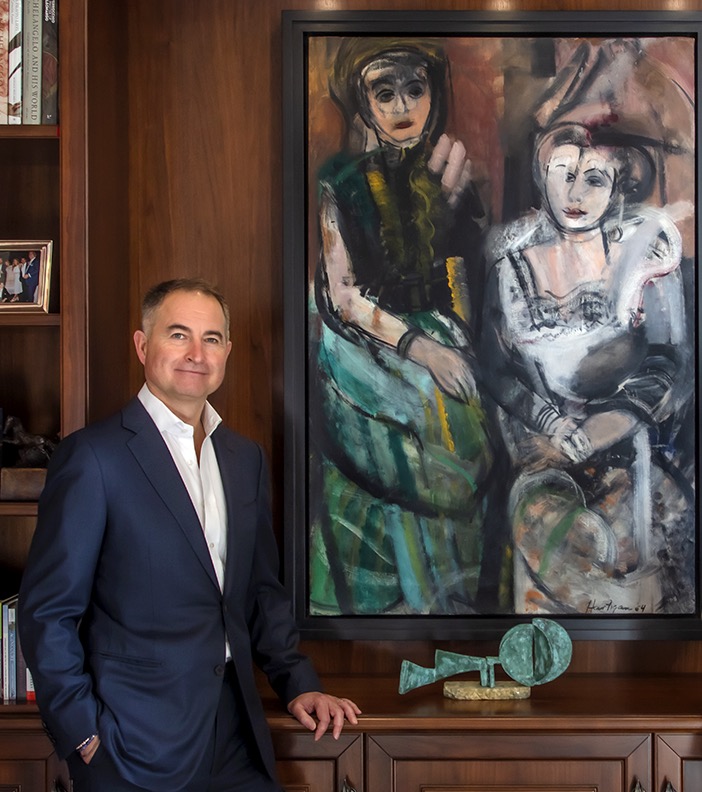
His holdings include works by Berthe Morisot, Mary Cassatt, Lee Krasner, Helen Frankenthaler, Elaine de Kooning, Joan Mitchell, Grace Hartigan, Leonor Fini, Dorothea Tanning, Shirin Neshat, Françoise Gilot, Ana Mendieta, and many other important women artists.
A significant part of the collection is now presented at FAMM, the Female Artists of the Mougins Museum, located in the medieval village of Mougins in the south of France.
Levett’s project is more than a museum filled with valuable artworks. It is an attempt to rebuild forgotten artistic reputations, challenge established versions of art history, and demonstrate why collectors should sometimes look beyond the most famous names.
From Roman Coins to an International Art Collection
Christian Levett did not grow up surrounded by major paintings or wealthy collectors.
He was raised in Southend-on-Sea in Essex, England, and began collecting at the age of seven. His earliest interests included Roman coins, historic medals, and objects connected with military history.
After leaving school, Levett entered the financial sector and worked as a commodities trader. His career eventually took him to Paris, where regular visits to museums and galleries expanded his interest in art.
At 25, he bought his first significant artwork, a Dutch Old Master painting.
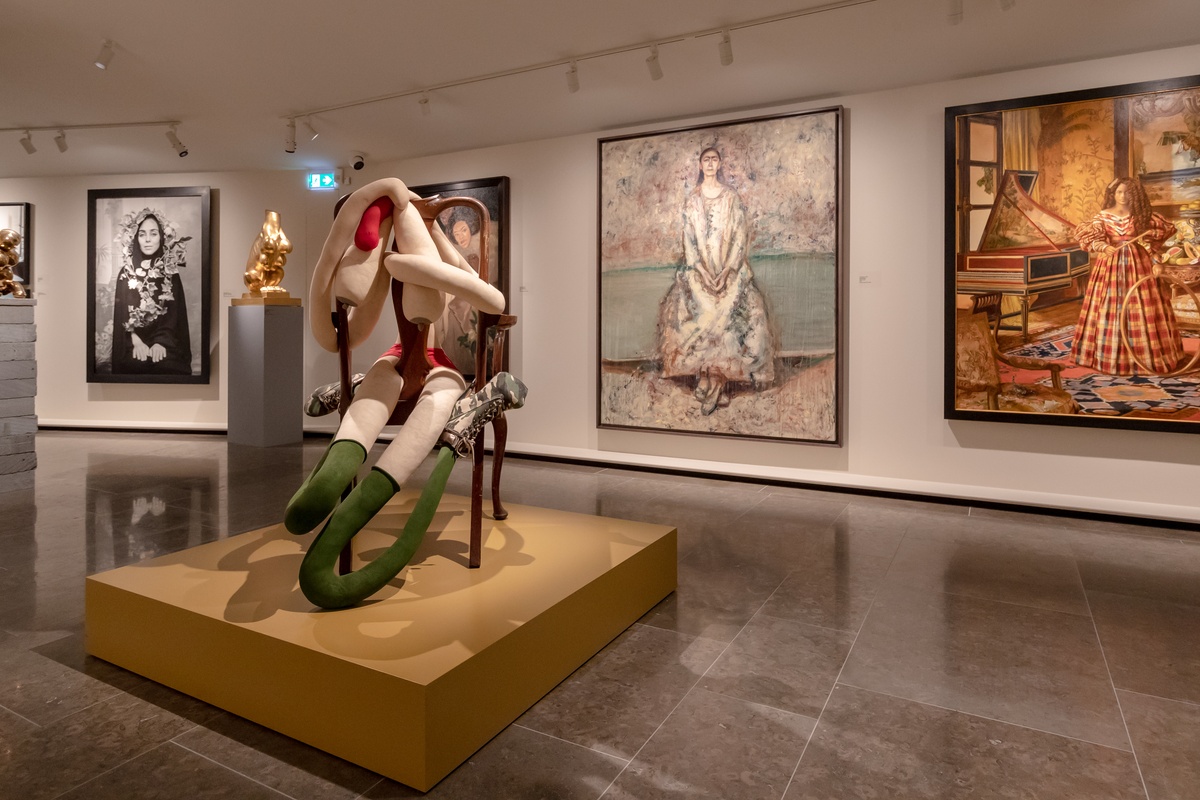
His collection initially focused heavily on classical antiquities, including ancient Greek, Roman, and Egyptian objects. Levett later created the Mougins Museum of Classical Art, known as MACM, to display antiquities alongside modern works influenced by the ancient world.
Over time, however, his interests began to change.
Modern art, postwar American painting, Abstract Expressionism, Surrealism, and contemporary art increasingly became the center of his collecting activity.
Today, the wider Christian Levett Collection contains nearly 2,000 artworks. More than 700 of them were created by women artists, including a particularly important group of works associated with Abstract Expressionism.
Why Christian Levett Began Collecting Women Artists
A major shift in Levett’s collecting began after the end of his first marriage in 2013. Part of his earlier collection was divided, leaving him with the opportunity to rebuild and reconsider what he wanted to acquire.
While studying Abstract Expressionism, he noticed an extraordinary difference between the prices of works by male and female artists from the same period.
Paintings by famous male Abstract Expressionists could sell for tens of millions of dollars. At the same time, museum-quality works by women who had participated in the same artistic circles were sometimes available for a small fraction of those prices.
Levett began researching Lee Krasner, Elaine de Kooning, Joan Mitchell, Helen Frankenthaler, and Grace Hartigan.
These artists were not minor participants in the movement. They created important paintings, exhibited professionally, and contributed to the development of postwar American abstraction. Nevertheless, their work had often been overshadowed by male contemporaries.
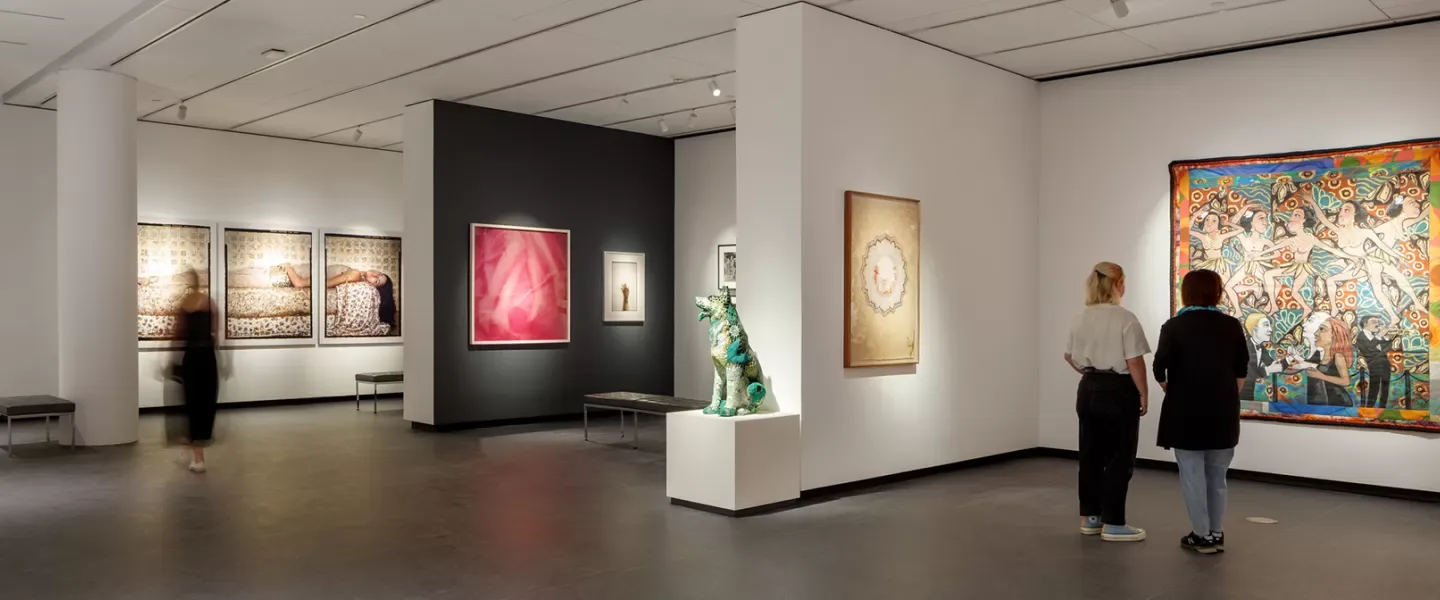
Lee Krasner was frequently discussed primarily as the wife of Jackson Pollock.
Elaine de Kooning was often presented in relation to Willem de Kooning.
Dorothy Dehner’s career was commonly overshadowed by her marriage to sculptor David Smith.
Françoise Gilot remained closely associated with Pablo Picasso, despite having an independent artistic career that continued for decades.
For Levett, the gap between artistic quality and market recognition created both a historical responsibility and a collecting opportunity.
He realized that it was possible to build a museum-level collection of work by women artists without competing for the most expensive paintings by established male names.
What began as an exploration soon became the defining direction of his collection.
FAMM: A Museum Dedicated to Women Artists
In 2024, Levett transformed his former Mougins Museum of Classical Art into FAMM, the Female Artists of the Mougins Museum.
The decision reflected the rapid growth of his collection and the strong public response to private tours of his residence in Florence, where works by women artists are displayed throughout a Renaissance-era palazzo.
FAMM is situated in Mougins, a historic village near Cannes that has long been connected with artists and cultural figures. Pablo Picasso spent the final years of his life in the area, while Francis Picabia, Fernand Léger, Jean Cocteau, and other major creative figures were also associated with the region.
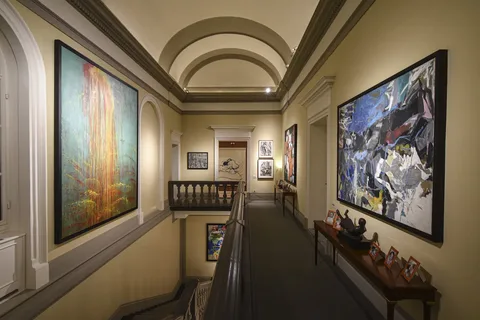
The museum presents approximately 100 works at any given time. Displays change through new acquisitions, international loans, and regular rearrangements of the collection.
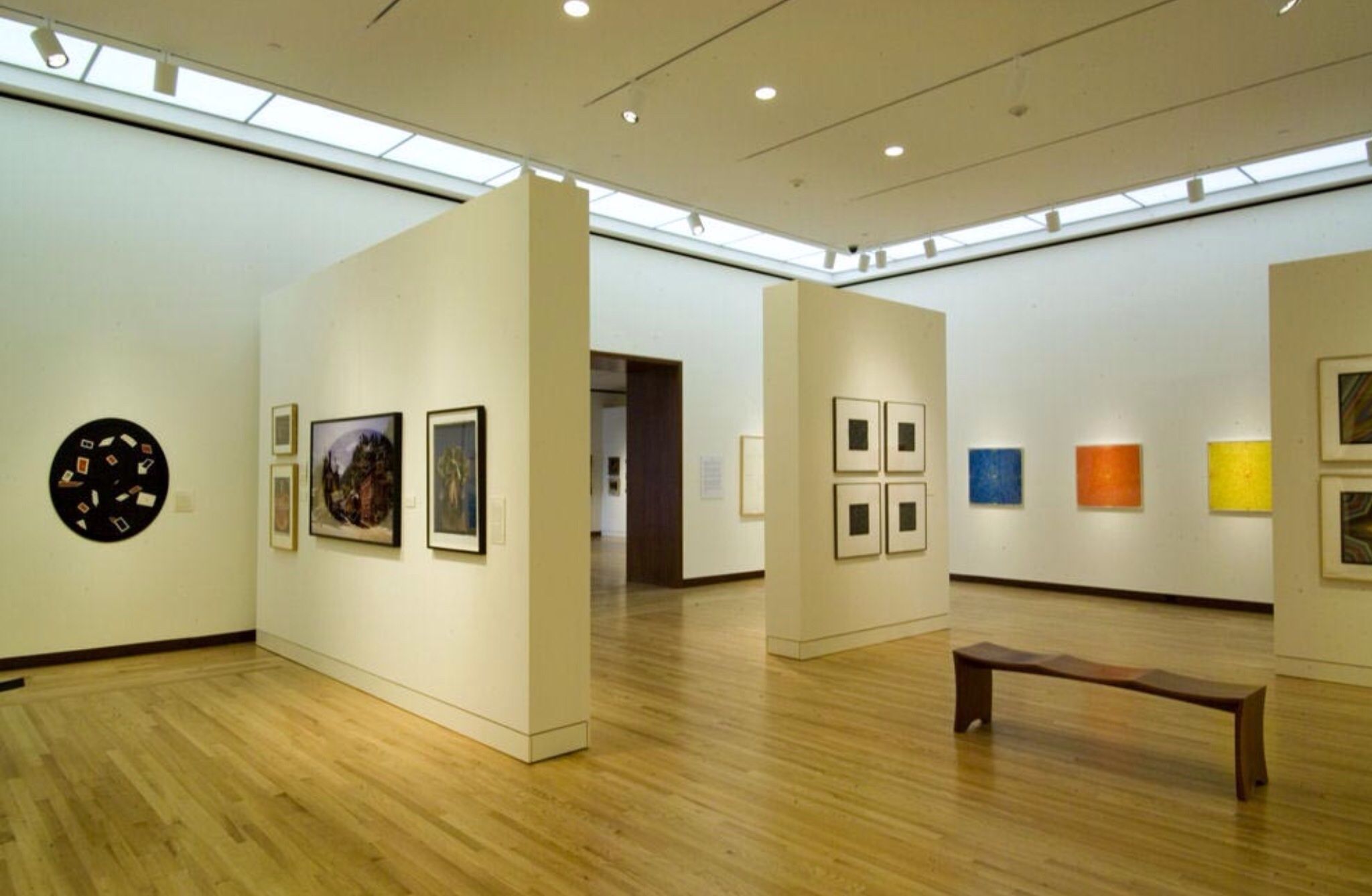
Rather than offering a narrow chronological survey, FAMM creates connections between different periods, movements, and artistic experiences.
Visitors can encounter Impressionism, Surrealism, Abstract Expressionism, figurative art, photography, sculpture, and contemporary practices within the same institution.
The collection includes works by Berthe Morisot, Mary Cassatt, Eva Gonzalès, Jacqueline Marval, Marie Laurencin, Dora Maar, Frida Kahlo, Leonora Carrington, Louise Bourgeois, Alice Neel, Marina Abramović, Tracey Emin, Jenny Saville, Cecily Brown, Shirin Neshat, and Carrie Mae Weems.
FAMM also shows that many women artists cannot be understood through only one famous period of their careers.
Dorothea Tanning, for example, is widely associated with Surrealism and the strange psychological scenes she created during the 1930s and 1940s. However, her later abstract work reveals a different side of her development.
Dora Maar is frequently remembered as Pablo Picasso’s partner and muse. She is also recognized as an important photographer, but her painting deserves greater attention in its own right.
By displaying unexpected works, FAMM encourages visitors to reconsider artists they may believe they already know.
Lee Krasner and the Women of Abstract Expressionism
One of the strongest areas of the Levett Collection is its representation of women connected with Abstract Expressionism.
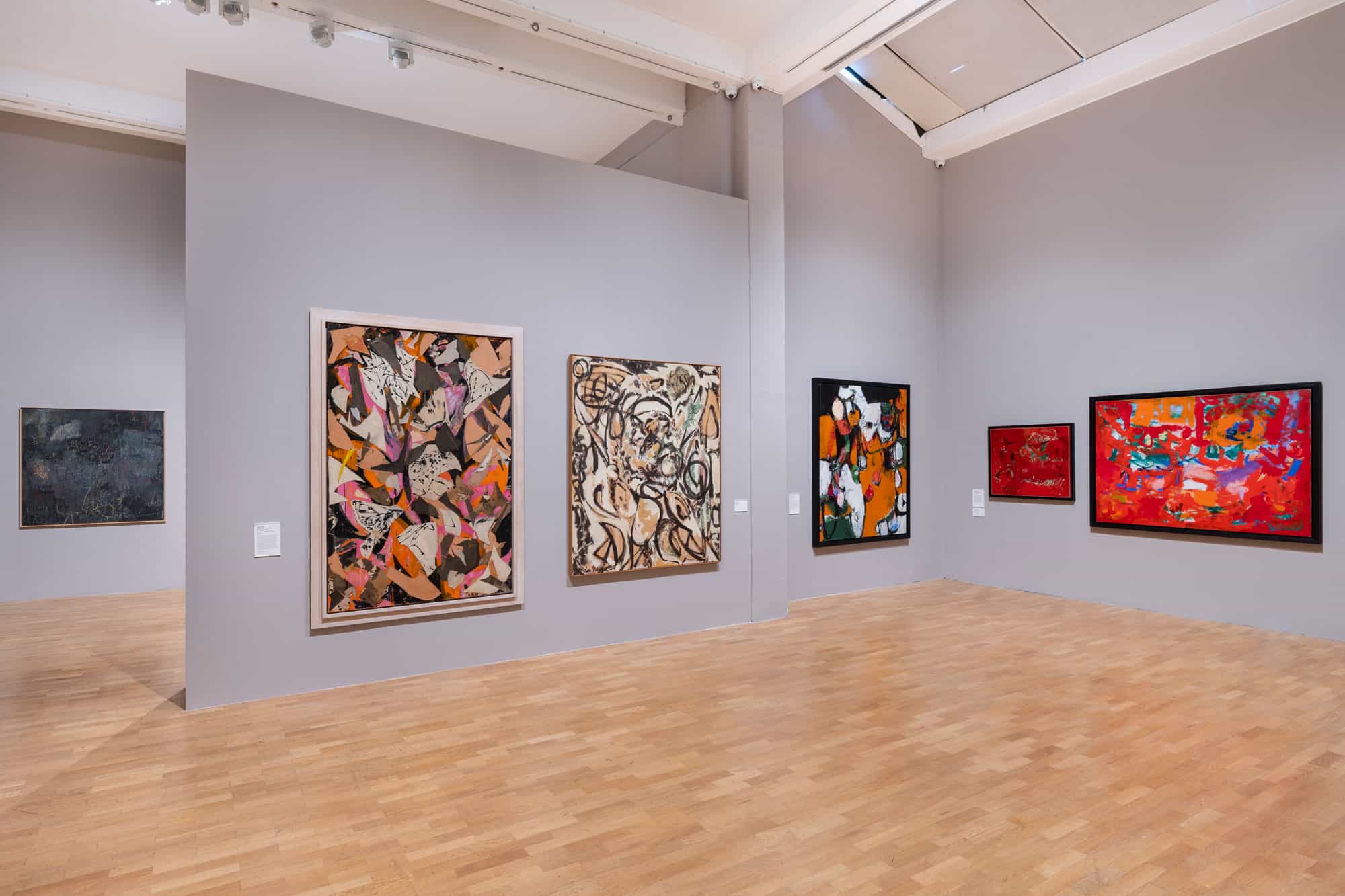
The collection includes works by Lee Krasner, Helen Frankenthaler, Elaine de Kooning, Joan Mitchell, Grace Hartigan, Perle Fine, Michael West, and numerous other painters whose contributions were historically underrepresented.
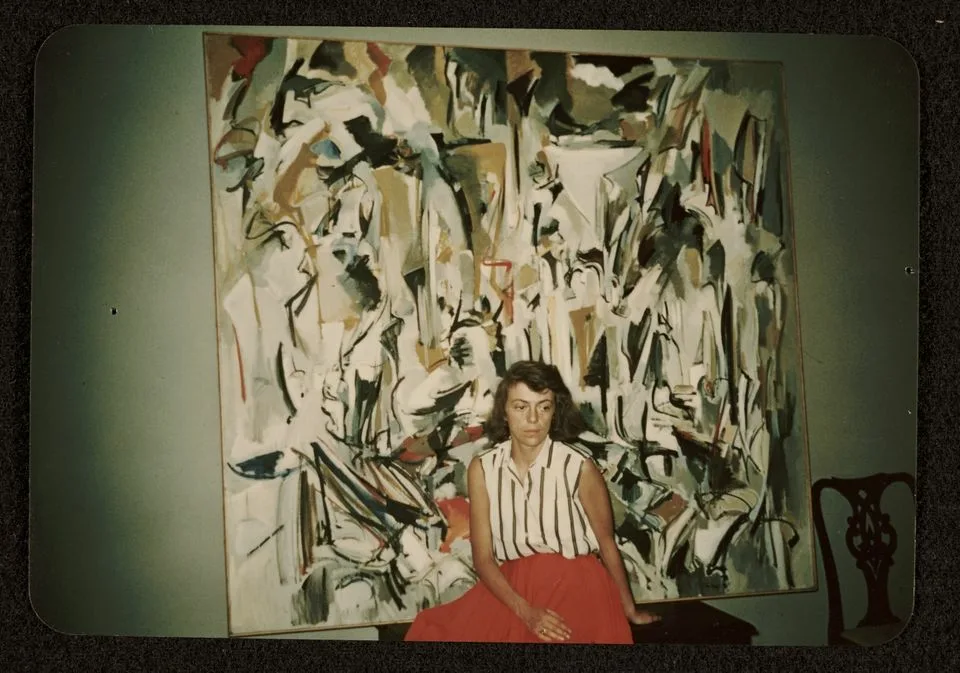
Levett owns a major Lee Krasner painting titled Prophecy, created in 1956.
Krasner began the work during a difficult period in her marriage to Jackson Pollock. She reportedly found the painting disturbing, but Pollock encouraged her to continue working on it.
Krasner then travelled to Europe. While she was away, Pollock died in a car accident. She returned to the United States and completed the work.
Prophecy later became part of major museum exhibitions and helped demonstrate the emotional and artistic force of Krasner’s independent practice.
Levett’s commitment to women Abstract Expressionists also contributed to the development of the exhibition Action, Gesture, Paint: Women Artists and Global Abstraction 1940–70 at Whitechapel Gallery in London.
After learning that Whitechapel had previously wanted to organize an exhibition on women in Abstract Expressionism, Levett shared information about more than 100 relevant works in his collection with the gallery’s director, Iwona Blazwick.
Dozens of paintings from the collection were eventually included in the exhibition.
The project illustrates how a private collector can influence public understanding of an artistic movement. By lending works and supporting exhibitions, collectors can help museums present histories that their own permanent collections may not fully represent.
Leonor Fini and the Women of Surrealism
Female Surrealists form another major part of Levett’s collection.
He owns works by Dorothea Tanning, Leonora Carrington, Jane Graverol, Ithell Colquhoun, and Leonor Fini.
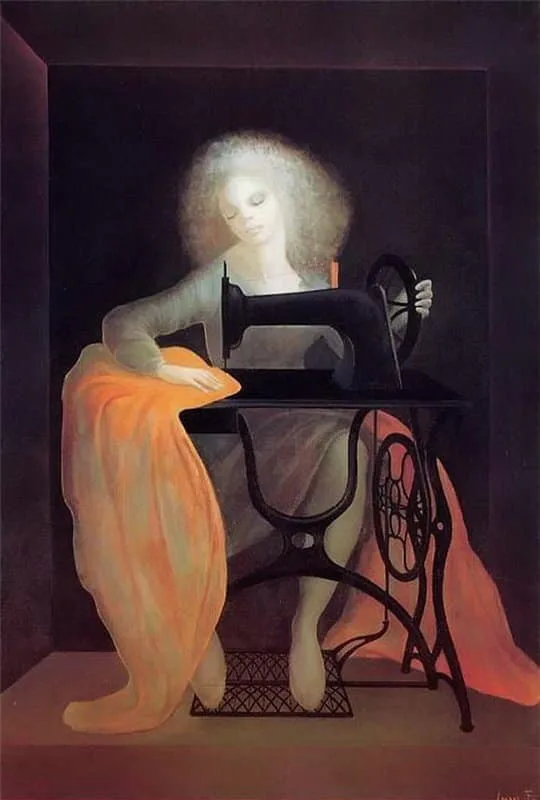
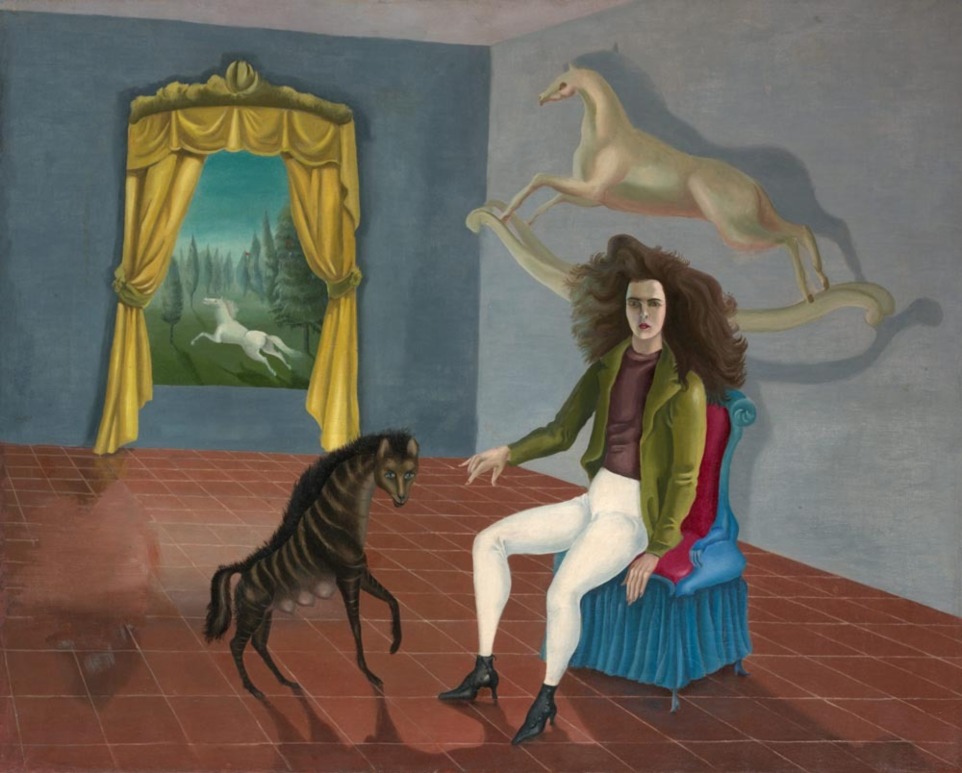
Levett has assembled one of the largest private groups of paintings by Leonor Fini, an Argentine-born artist who became an important figure in European Surrealism.
Fini created theatrical, psychologically complex images populated by sphinxes, powerful women, dreamlike architecture, and ambiguous figures. Her work explored identity, desire, power, and transformation while resisting many of the traditional roles assigned to women.
Although she achieved significant recognition during her lifetime, her reputation did not maintain the same market position as that of many male Surrealists.
Levett considers Fini one of the great painters of the 20th century and has continued acquiring her work. Several paintings from his collection have also been selected for major institutional exhibitions devoted to the artist.
Remedios Varo is another artist Levett wanted to add to the collection. However, growing demand and limited availability made important examples of her work increasingly difficult to acquire.
That search led him to the Mexican painter Sofía Bassi.
Bassi created mysterious compositions in which isolated human figures, imaginary structures, and enormous forms appear to float in atmospheric spaces. Her personal life was equally remarkable and included several years in prison following a controversial shooting connected with her daughter’s abusive husband.
Levett acquired multiple paintings by Bassi, bringing another overlooked Surrealist voice into the collection.
Finding Artists the Market Has Forgotten
Levett’s approach depends heavily on research.
He does not restrict his search to artists who already have major auction records or international gallery representation. Instead, he looks for historical figures whose work was once respected but later disappeared from general discussion.
One example is American painter Louisa Chase.
Born in 1951 and educated at Yale University, Chase exhibited alongside artists including Jean-Michel Basquiat and Philip Guston. Her energetic paintings combined oil paint, oil stick, symbolic figures, heads, skulls, and unstable landscapes.
Despite her presence in important exhibitions during her lifetime, Chase’s work became less visible before and after her death in 2016.
Levett recognized the quality and historical relevance of her paintings and acquired several examples.
His recent purchases have also included works by Julie Manet, Leonor Fini, Françoise Gilot, Ana Mendieta, and Suzanne Fabry.
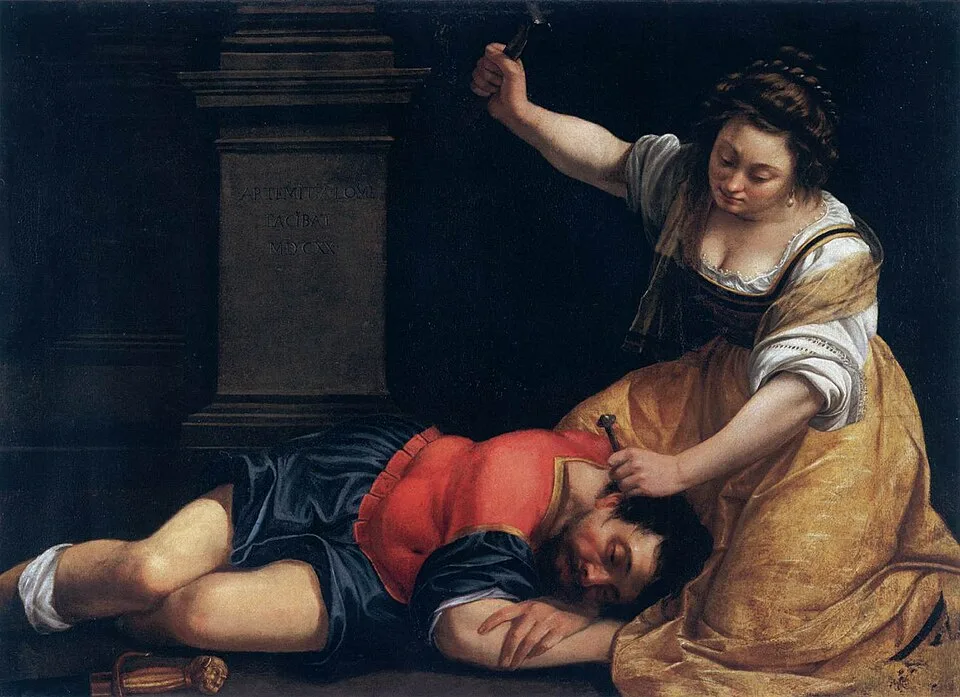
He acquired a large painting by Artemisia Gentileschi through a private transaction after the work failed to sell at Christie’s. Instead of paying aggressively during the auction, he waited and eventually secured the painting for significantly less than its original estimate.
The purchase reflects a rule that Levett carried from financial trading into art collecting: even an important work should not be bought at any price.
A collector needs enthusiasm, but also discipline.
Research Can Change the Meaning of an Artwork
Levett’s team includes specialists who investigate artworks, exhibitions, and archival material.
This research can reveal information that previous owners, auction houses, or dealers overlooked.
At an auction, Levett purchased an early sketchbook by Cecily Brown for £30,000.
Further study showed that several drawings were connected to Renaissance figures from Michelangelo’s Sistine Chapel and frescoes by Raphael.
The discovery gave the sketchbook greater art-historical importance.
It demonstrated how Brown studied earlier masters and transformed historic visual material within her own artistic development.
For Levett, this kind of investigation is part of the attraction of collecting.
The value of an artwork is not determined only by the artist’s name, its size, or its auction estimate. Provenance, exhibition history, subject matter, preparatory studies, and connections with other works can all transform its significance.
A collector who conducts serious research may discover value that the market has not yet recognized.
Loans, Exhibitions and the Creation of Provenance
Buying an overlooked artwork is only the beginning.
Levett regularly lends pieces from his collection to museums and touring exhibitions. His works have appeared at institutions including Tate Modern, the Serpentine Galleries, Schirn Kunsthalle, Whitechapel Gallery, and other international venues.
He has made more than 1,500 institutional loans and has supported exhibitions at the British Museum, the Metropolitan Museum of Art, the Royal Academy of Arts, Tate, and Palazzo Strozzi.
The collector also supports artist residencies, publications, archaeological research, and restoration projects.
These activities give artworks visibility and contribute to their provenance.
When a painting is studied by a curator, reproduced in a catalogue, and displayed in a respected museum, its historical position becomes stronger. This process is particularly important for artists whose works were rarely exhibited or documented during previous decades.
Levett’s strategy is therefore not based solely on waiting for prices to rise.
He actively participates in the reconstruction of artistic reputations.
What Collectors Can Learn From Christian Levett
The Christian Levett Collection offers several important lessons for anyone interested in collecting art.
The first is that quality and fame are not always the same thing.
Artists may be overlooked because of gender, geography, historical circumstances, changes in fashion, or their association with a more famous partner. A collector willing to study these gaps can find exceptional work beyond the most competitive areas of the market.
The second lesson is that a collection becomes stronger when it has a clear identity.
Levett’s holdings are not simply a group of expensive paintings. They tell a recognizable story about women artists, forgotten histories, Abstract Expressionism, Surrealism, and the changing art market.
The third lesson is the importance of patience.
Levett researches artists, waits for suitable works, avoids paying irrational prices, and continues searching when a desired acquisition is unavailable.
Finally, collecting can create public value.
Through FAMM, museum loans, exhibitions, residencies, and publications, privately owned artworks become available to scholars, curators, and visitors.
Christian Levett’s collection demonstrates that the most influential collectors do more than acquire objects.
They discover neglected talent, preserve artistic histories, and create opportunities for important work to be seen again.
Editorial Note
Christian Levett’s collection demonstrates how private collecting can influence the way art history is remembered and presented.
ArtExpoWorld considers FAMM especially important because it does not simply separate women artists into a temporary exhibition. The museum gives them a permanent institutional space and presents their work as an essential part of Impressionism, Surrealism, Abstract Expressionism, and contemporary art.
However, the growing market interest in historically overlooked women artists also creates a risk. Once collectors and auction houses recognize a neglected category, serious historical reassessment can quickly turn into another investment trend. The strongest collections will therefore be those built through research, artistic judgment, and long-term commitment rather than speculation alone.
Christian Levett’s example shows that collectors can do more than follow the market. They can help restore forgotten reputations, support museum exhibitions, and make privately owned art available to the public.
The question of whose work becomes visible also runs through our selection of art exhibitions in Germany in December 2026, which includes the Vanguardistas survey of Latin American women artists in Bonn.