









International Art Fairs in March 2027: Tokyo, Maastricht and Hong Kong
March 2027 offers three especially useful points of comparison for an art trip. Art Fair Tokyo has public days on 12–14 March, TEFAF Maastricht runs from 13–18 March, and Art Basel Hong Kong follows on 25–27 March. Their different focuses can help a reader choose a destination before booking a ticket or hotel.
Tokyo brings collecting fields into close proximity within a Japanese setting. Maastricht offers specialist historical knowledge across periods and materials. Hong Kong presents modern and contemporary gallery programs in an international conversation strongly shaped by Asia. The comparison is more useful as a choice between experiences than as a race to attend all three.
The March 2027 calendar
|
Event |
City and main venue |
Announced public dates |
|
Art Fair Tokyo 2027 |
Tokyo, Tokyo International Forum |
12–14 March 2027; private preview 11 March |
|
TEFAF Maastricht 2027 |
Maastricht, MECC |
13–18 March 2027 |
|
Art Basel Hong Kong 2027 |
Hong Kong, HKCEC |
25–27 March 2027 |
Tokyo: let different collecting fields meet
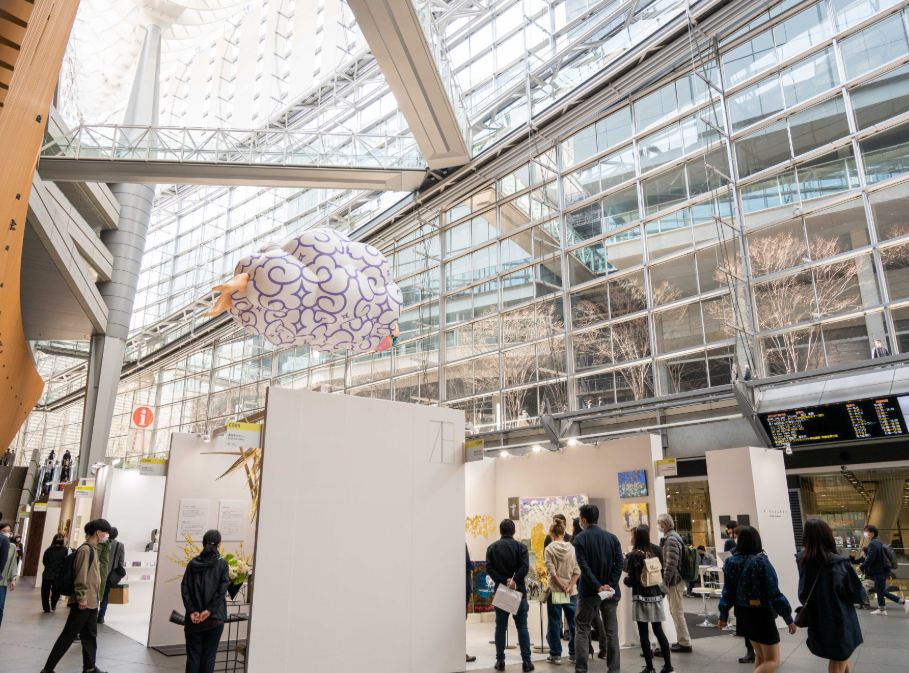
Art Fair Tokyo 2027 brings antiques, crafts, modern art and contemporary practices together in one event. Its main program takes place at Tokyo International Forum, while the Projects section is announced for Tokyo Midtown Hibiya. The two locations should be checked separately when planning the day.
The fair is particularly interesting when a visitor follows a material across conventional categories. A vessel can be considered through its making, its use, or its artistic proposition. A painting can gain a different context when seen after an older object rather than after another contemporary canvas.
Choose Tokyo if the relationship between an object and the knowledge surrounding it is central to the trip. Ask a presenter which visible feature supports the account of the work, then take the time to find it. The most rewarding distinctions can be quite subtle.
Maastricht: consider what the evidence changes
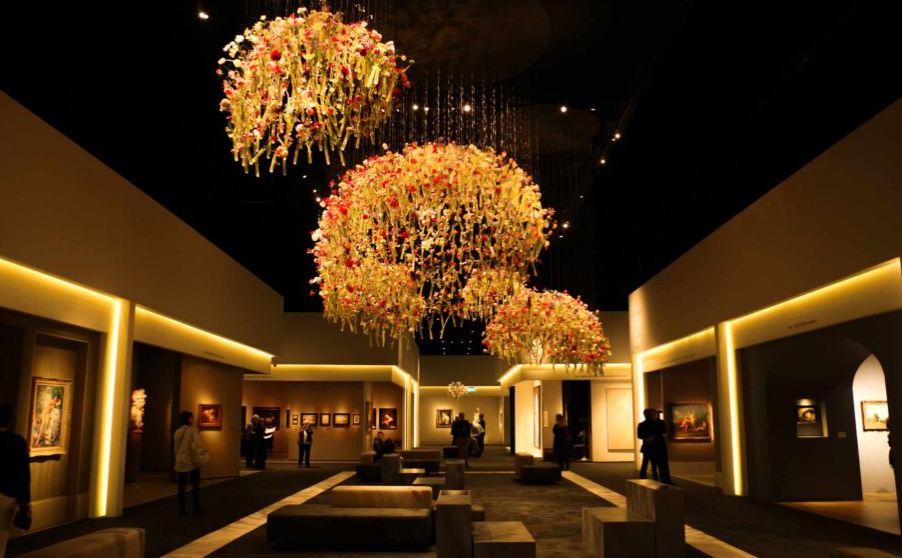
TEFAF Maastricht 2027 takes place at MECC from 13–18 March. Fine art, antiques and design across periods create a broad historical field. A specialist’s account can alter the way an object is understood through attribution, materials, condition, or a particular detail of construction.
That relationship between looking and knowledge is the strongest reason to choose the fair. An object that seems quiet from a distance may become compelling once a precise distinction is explained. The visit rewards curiosity about how an account is established as well as what the object looks like.
The historical range should not become an obligation to survey centuries in one afternoon. Choose a material, period or kind of object that matters to you, then allow one unfamiliar encounter to interrupt that path.
Hong Kong: redraw the contemporary map
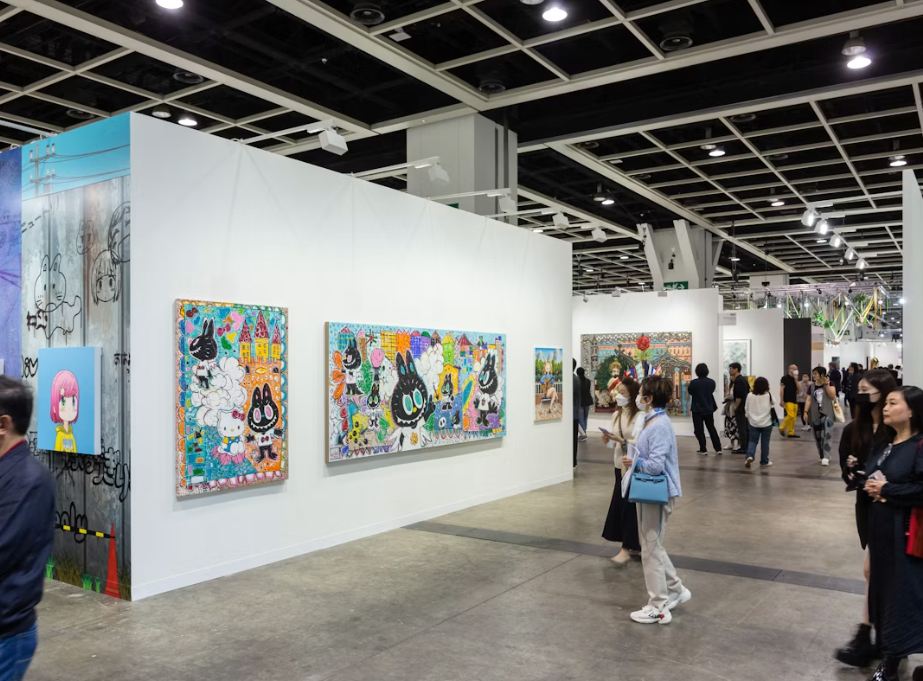
Art Basel Hong Kong 2027 opens publicly on 25–27 March at the Hong Kong Convention and Exhibition Centre. It provides a modern and contemporary gallery setting where artistic histories from Asia meet an international market and audience.
The attraction can be a practice whose importance is clearer within the region than outside it. A familiar artist may also appear through a less familiar medium or phase. In both cases, the gallery’s account can change the visitor’s sense of what deserves attention.
Choose Hong Kong for readers interested in the exchange between contemporary production, historical perspective and gallery networks. The final 2027 presentations should determine the detailed route, rather than assuming that projects from a previous edition will return.
Choose a question before a flight
For a reader drawn to objects and their changing categories, Tokyo is a strong starting point. For detailed historical and material knowledge, Maastricht has a clear claim. For modern and contemporary practices within a broader Asian and international context, Hong Kong offers a different focus.
The dates do not make this a compact three-stop itinerary. Tokyo and Maastricht overlap, and an international transfer consumes attention as well as travel time. Readers attending more than one should allow a proper interval and a reason for making the comparison.
Practical distinctions
Each fair has independent tickets, entrance rules and preview arrangements. Tokyo’s 11 March preview is private; ordinary public entry begins on the 12th. Hong Kong’s 2027 public days fall on Thursday through Saturday, so a weekend plan built around an assumed Sunday opening would fail.
Leave space to return to a few presentations. A specialist explanation or an unfamiliar practice often becomes more interesting once the first circuit has provided other points of comparison.
Three ways to examine an object
In Tokyo, follow a material across more than one collecting category. Notice whether a gallery discusses a ceramic object through use, technique or its place within an individual artistic practice. Those explanations can coexist, but they do not describe exactly the same thing. The transition from one stand to another may reveal where a familiar category stops being helpful.
At Maastricht, ask a specialist to point out the evidence behind one specific statement. A detail of construction, a change to the surface or the record of a previous owner can alter an account of an object. Keep an attribution distinct from an interpretation: they answer different questions. The pleasure of the visit lies partly in learning how such distinctions are made.
In Hong Kong, examine a group of works before treating a name as a complete explanation. A sequence can reveal a change of method or an interest missing from the familiar reproduction. A fair’s international reach becomes worthwhile when it makes that less familiar part of a practice available to view. These are three different ways to use a specialist conversation, each tied to something the visitor can return to and examine.
Editor’s Note
We would choose Tokyo for the productive friction between categories: the point at which an object asks to be understood through use, craft and artistic intention at once. Maastricht offers a different pleasure, in which a small piece of evidence can transform a historical account. Hong Kong is especially compelling when its gallery presentations revise a familiar view of an artist or a regional history.
These are distinct critical experiences. The breadth of a fair cannot settle the quality of any individual work, and a specialist’s authority is most useful when it teaches us to see a distinction for ourselves. We would give particular weight to presentations that make an argument through their choice and arrangement of objects, rather than relying on a prestigious label.
For March 2027, we would book around the enquiry that most interests the reader, then leave room for an encounter that disrupts it. Tokyo and Maastricht overlap; Hong Kong follows later. Attending more fairs is worthwhile only if the added visit sharpens the experience. One sustained investigation can be richer than three hurried circuits.