









Why Gen Z Still Wants Physical Art Galleries

Generation Z is the first generation to grow up fully immersed in digital culture.
Its members research on phones, discover artists through Instagram, communicate via direct messages, and are comfortable buying objects online without ever entering a store.
It would be logical to assume that physical art galleries matter less to them.
The opposite may be true.
Research connected with the Art Basel and UBS Survey of Global Collecting 2024 shows that Gen Z collectors are deeply comfortable with digital discovery while maintaining a surprisingly strong preference for physical spaces.
This creates an art market where the online and offline worlds are not competing.
They are merging.
The collector may discover an artist on Instagram, research the work through a gallery website, communicate through WeChat or WhatsApp, and still want to stand physically in front of the artwork before building a serious relationship.
Physical Gallery Visits Remain the Most Common Route

Among high-net-worth collectors buying through dealers, around 74% reported purchasing in person from a gallery or dealer’s premises.
This remains the most common single channel.
At the same time, online transactions are now completely normal.
In the first half of 2024, 72% of dealer buyers had purchased directly through a website or online viewing room without seeing the work physically first.
Around 61% had completed purchases through email or telephone.
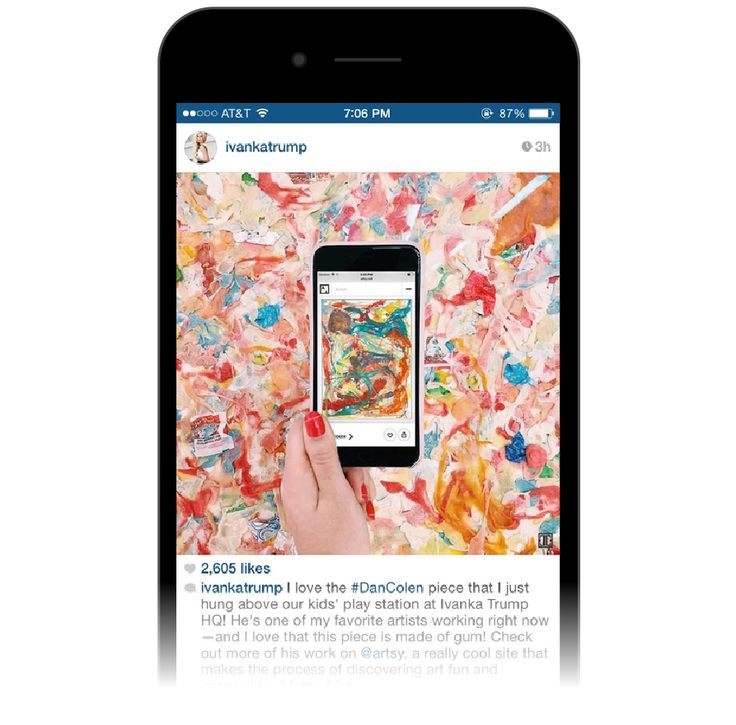
Approximately 43% had bought through Instagram without first seeing the work in person.
The lesson is not that one channel has defeated another.
The lesson is that collectors use several.
Twenty-Eight Percent Used All Four Dealer Channels
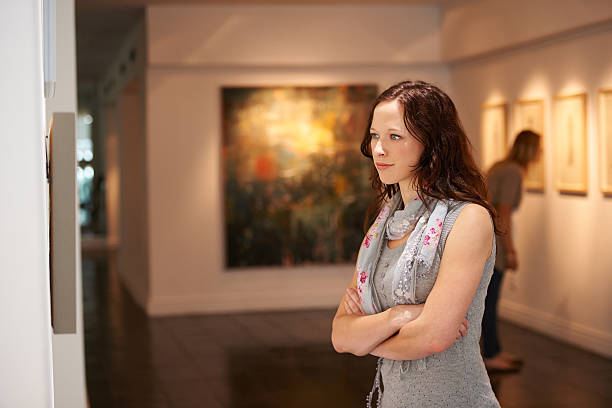
Around 28% of collectors who bought from dealers during the first half of 2024 reported using all four major sales channels.
They purchased:
in galleries,
online,
through email or telephone,
and through Instagram.
Only around 11% purchased exclusively at gallery premises in both 2023 and 2024.
In 2022, that figure had been considerably higher.
This is the new normal.
Collectors do not identify as ‘online buyers’ or ‘offline buyers.’
They use whichever method makes sense for the specific work and relationship.
Sundaram Tagore: Sales Are No Longer Linear

Sundaram Tagore operates galleries in New York, Singapore, and London.
He argues that it has become almost impossible to say exactly which channel generated a sale.
A collector may first see an artist at an art fair.
Months later, they notice another work on Instagram.
They request information by email.
Then they visit the gallery.
Finally, the acquisition happens after a phone conversation.
Which channel created the sale?
All of them.
This is why Tagore describes today’s environment as entangled.
The buying journey is no longer linear.
TCC Ltd and the Asian Collector
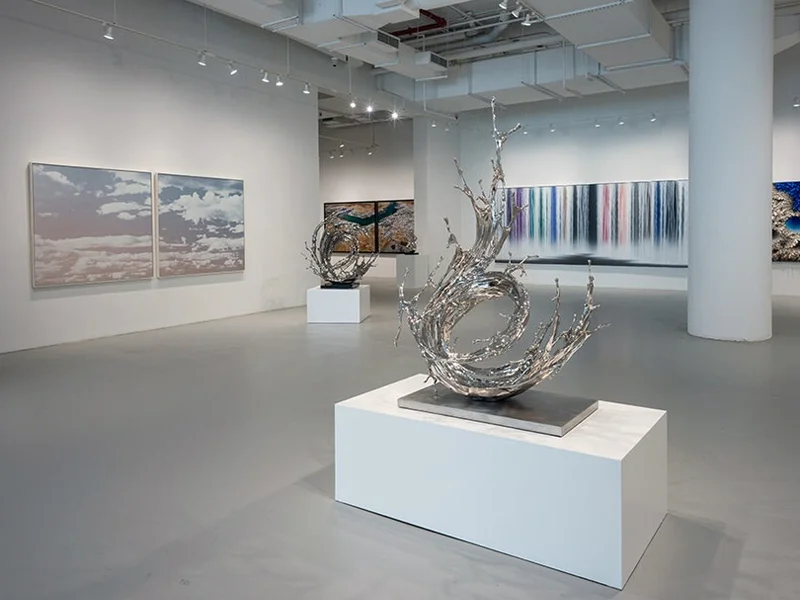
Sisters HeeJin Park and Jessica Park co-founded Korea-based cultural consulting company TCC Ltd.
They observe that different channels perform different roles.
In Asia, discretion and trust remain particularly important for experienced collectors.
Many veteran buyers prefer in-person transactions or purchases mediated by advisors.
Younger collectors behave differently.
They may want access to artists or galleries located far away in Western markets.
Digital channels reduce geographical barriers.
Instagram, email, and direct communication make international discovery easier.
Gen Z Is Different From Millennials

Millennials and Gen Z are often grouped together as ‘young collectors.’
That hides an interesting difference.
Both generations are comfortable online.
However, research suggests Gen Z may actually have a stronger preference than millennials for physical retail environments.
Gen Z researches heavily online.
They expect fast digital access.
Yet many also value the experience of entering a real space.
This makes sense.
For people who spend much of their life through screens, physical experiences may feel particularly valuable.
A gallery becomes something the internet cannot fully reproduce.
Why Physical Art Matters
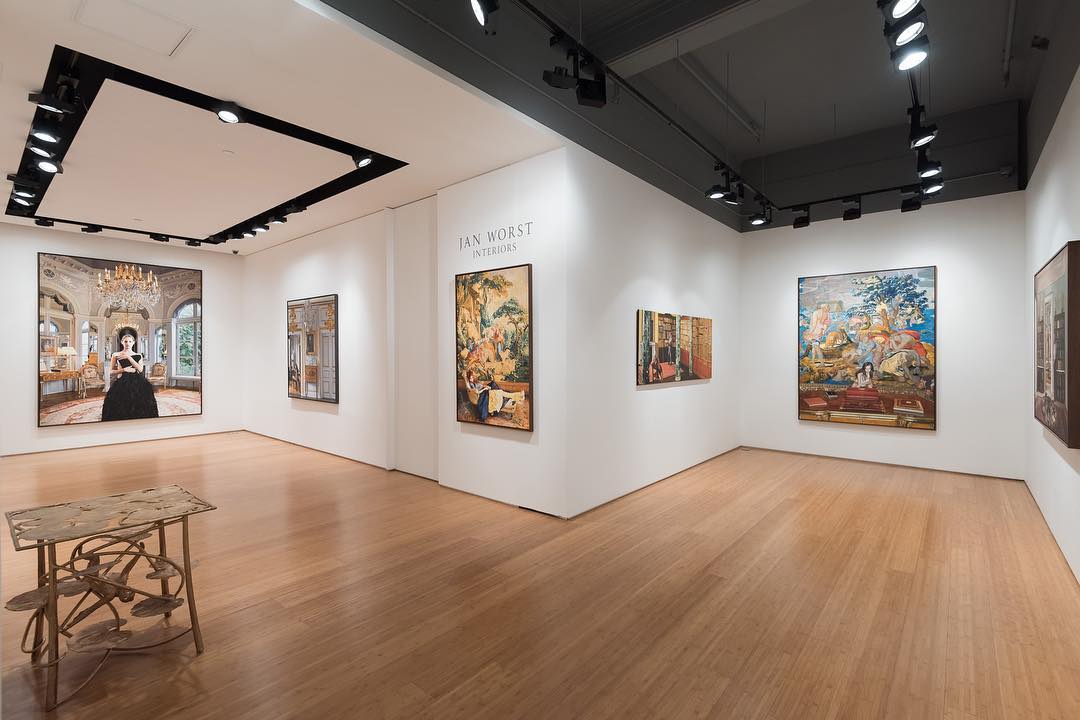
Art is especially resistant to complete digitization.
A photograph of a painting cannot communicate everything.
Color changes between screens.
Texture disappears.
Scale becomes ambiguous.
A monumental work can look the size of a postcard online.
A tiny drawing may fill the entire screen.
Sculpture is even more difficult.
You need to move around it.
Installations may depend on sound, architecture, and light.
Physical galleries therefore provide something digital platforms cannot replace:
embodied experience.
Amanda Hon and Ben Brown Fine Arts
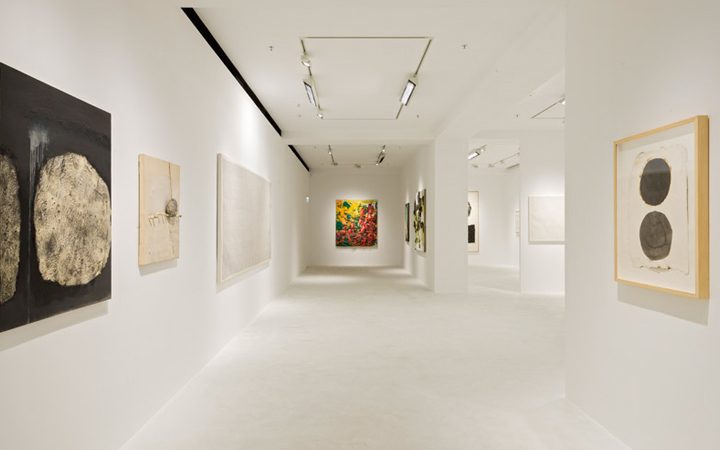
Amanda Hon, managing director of Ben Brown Fine Arts in Hong Kong, notes that pure online sales have declined from pandemic-era highs.
This is not surprising.
During lockdowns, collectors had limited alternatives.
Online viewing rooms became essential. Once people could travel again, the desire to experience art physically returned.
Digital infrastructure did not disappear.
It simply became one part of a larger system.
Hon also notes that the nature of the artwork matters.
A contemporary work by an artist the collector already knows may be easier to buy remotely.
A Modern artwork often requires closer physical inspection because condition can be critical.
Condition Changes the Buying Channel
For older or secondary-market works, physical viewing becomes particularly important.
Collectors want to examine:
surface,
repairs,
fading,
cracking,
framing,
and restoration.
Even a detailed condition report may not replace direct viewing for a major purchase.
This creates a natural division.
Digital channels are especially efficient for discovery and familiar artists.
High-value historical works may push collectors back toward physical inspection.
Pearl Lam Galleries and Direct Messages

Pearl Lam operates galleries in Hong Kong and Shanghai.
Her team regularly receives inquiries through Instagram direct messages.
However, these conversations rarely remain entirely inside Instagram.
They usually migrate to email, WeChat, or WhatsApp.
This reveals how social media functions.
Instagram is excellent for discovery.
It is less suitable for the entire process of building trust, sharing documents, and finalizing a complex transaction.
The DM opens the door.
The relationship continues elsewhere.
WeChat and WhatsApp Become Gallery Tools
Messaging apps play a particularly important role in international collecting.
A dealer can send installation images instantly.
The collector can request dimensions.
A short video can show the surface.
Documents can follow by email.
The transaction moves rapidly across platforms.
This flexibility is useful for buyers in different time zones.
It also changes expectations.
Collectors now expect galleries to respond quickly and professionally across multiple channels.
Direct Purchases From Artists Are Increasing

Nearly one-third of respondents had purchased directly from an artist during the first half of 2024.
This represented an increase from 2023.
Instagram plays a major role.
Around 60% of collectors who purchased directly from artists reported doing so through Instagram or links discovered there.
Approximately 57% purchased during studio visits.
Around 39% commissioned works directly.
This creates new opportunities for artists.
It also creates new responsibilities for collectors.
Buying Directly From Artists

Direct purchasing can create strong relationships.
The collector understands the artist’s process.
The artist may receive a larger share of the sale.
The buyer may gain access to works before they reach wider markets.
However, collectors need to be careful.
If an artist is represented by a gallery, bypassing that gallery can create conflicts.
The gallery may be financing exhibitions, production, shipping, and career development.
Responsible collectors should understand the artist’s representation structure.
Direct connection should support the artist, not destabilize their market.
Georgia Powell and CURA Art
Georgia Powell, co-founder and director of CURA Art advisory, believes improved technology has made remote buying easier.
Better photography and video allow collectors to imagine works inside their own spaces.
Online viewing rooms can provide contextual information.
But Powell also observes a growing desire among collectors to connect directly with artists.
This is especially common among younger buyers.
They do not only want ownership.
They want participation.
Emerging Artists Benefit Most Younger artists are often particularly accessible online.
They may respond directly to collectors.
Their studios may be open to visits.
Their gallery relationships are still developing.
This gives younger collectors an opportunity to build relationships early.
The risk is speculation.
Direct access can make collectors feel they have discovered someone before the market.
That excitement should not replace serious evaluation.
Galería Cayón and the Fair-Gallery Connection
Galería Cayón operates spaces in Madrid, Menorca, and Manila.
Director Adolfo Cayón sees art fairs as an extension of physical galleries.
A fair booth can introduce a collector to an upcoming exhibition.
The gallery visit then provides depth.
At Art Basel Hong Kong, Cayón presented works by Jesús Rafael Soto connected with an exhibition previously shown in Menorca.
The fair and gallery were not separate marketing channels.
They formed one continuous program.
The Art Fair Still Matters
Sundaram Tagore maintains an aggressive international fair strategy.
His gallery participates in numerous fairs each year.
Why travel constantly if collectors can buy online?
Because fairs create concentrated human contact.
Collectors can compare works.
Dealers can introduce artists.
Conversations happen spontaneously.
An online catalogue cannot reproduce the social density of a major fair.
For younger collectors, fairs also function as education.
Service Becomes the Reason Physical Galleries Survive
Tagore argues that galleries do not merely sell art.
They create context.
This may be the most important reason physical galleries survive.
A collector can see an image online almost anywhere.
The gallery provides:
curatorial explanation,
historical context,
artist relationships,
conservation advice,
and community.
The physical space becomes part of that service.
Community Is the Competitive Advantage
Digital platforms compete efficiently on speed and access.
Physical galleries cannot win by pretending the internet does not exist.
Their advantage is community.
Openings, talks, studio visits, and conversations create relationships difficult to automate.
A Gen Z collector who can buy almost anything through a phone may value these experiences even more.
This is why physical spaces may remain important long after most transactions become technically possible online.
What Galleries Need to Change
The solution is not to force younger collectors into old gallery etiquette.
Galleries need to become more accessible.
That may involve:
clearer prices,
faster replies,
better websites,
strong social media,
video walkthroughs,
and friendly physical spaces.
A collector who discovers an artist online should not feel unwelcome when entering the gallery.
The online and physical experience need to reinforce one another.
Editorial Note
ArtExpoWorld believes the debate about whether online sales will kill galleries is already obsolete.
Collectors have answered it.
They want both.
Gen Z may discover art through Instagram and still spend hours inside a gallery. This is not contradictory. It reflects the way modern life works.
The strongest galleries will not choose between digital and physical.
They will create one continuous relationship across both.
The physical gallery remains important because art is physical, even when discovery begins online.
And when the artwork itself is digital, the gallery still provides something equally important: context, trust and community.