








Danièle Kapel-Marcovici: When Collecting Becomes a Public Mission
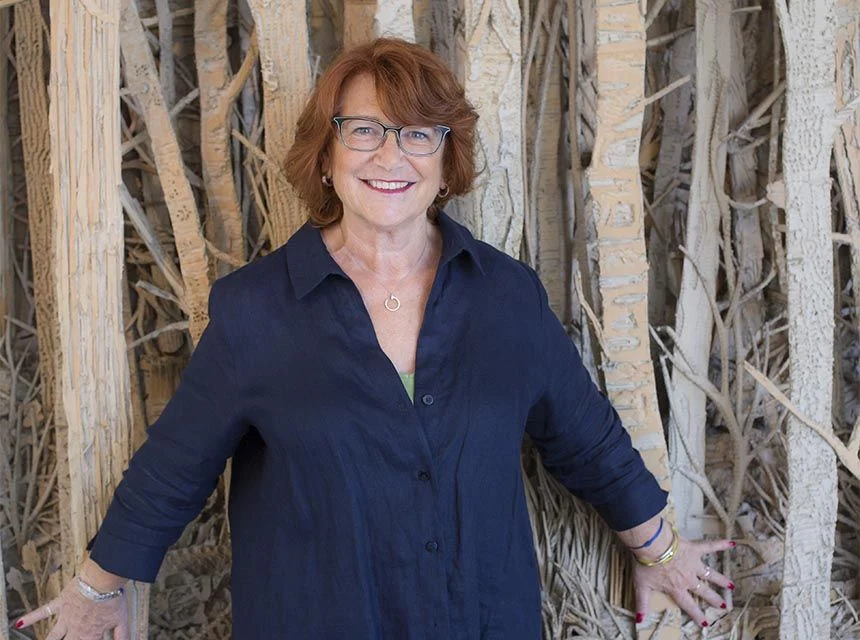
Danièle Kapel-Marcovici did not grow up in a family of collectors.
Art entered her life in a different way.
There was cinema, theater, travel, local markets, cultural festivals, and the experience of encountering diverse people and places.
Her childhood unfolded without television, so culture was something physically experienced.
She went to the movies, especially Italian films and productions connected with the French New Wave.
She attended the Festival d’Avignon, the Théâtre des Amandiers, and the Cartoucherie de Vincennes.
Later, she became involved with the Théâtre des Deux Portes in Paris.
These experiences shaped a way of looking at culture that would eventually influence one of France’s most interesting private art foundations.
Today, Kapel-Marcovici is known not only as president of the Raja Group but also as the founder of Villa Datris, a foundation devoted primarily to contemporary sculpture.
Her collection developed through exhibitions, feminism, architecture, public access, and one central idea:
Art should not remain reserved for a small circle.
Art Came Before Collecting
Kapel-Marcovici’s parents were not collectors.
Her cultural education was broader and less formal.
Museums mattered, but so did markets and everyday life.
Travel exposed her to the visual languages of different countries.
Cinema taught her to observe framing, light, and movement.
Theater demonstrated how bodies, objects, and architecture can create meaning together.
This may explain why sculpture later became so central.
Sculpture occupies real space.
It cannot be completely separated from architecture or the movement of viewers around it.
For Kapel-Marcovici, art was never simply an image hanging on a wall.
It was an experience.
Feminism Became a Central Commitment
The 1970s were formative years for Kapel-Marcovici.
She became deeply involved with feminism.
That commitment later expanded through her professional success.
As Raja Group grew, she realized that the company could support organizations dedicated to women.
A foundation was established to advance women’s rights and opportunities.
Over time, it supported hundreds of nonprofit projects.
These included underground schools in Afghanistan, cooperatives in Africa, and the Maison des femmes de Saint-Denis in France.
At the time, this level of feminist corporate philanthropy was considered unusual.
Years later, the international MeToo movement would make many of the same issues impossible for institutions to ignore.
For Kapel-Marcovici, feminism was not a new marketing stance.
It had been part of her worldview for decades.
Tristan Fourtine and a Shared Cultural Life
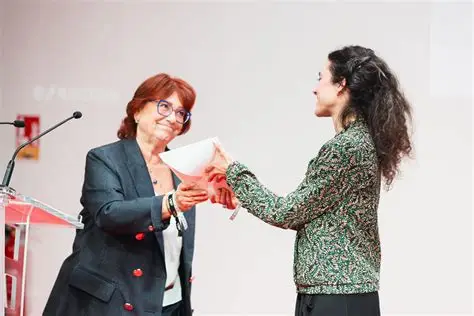
Another important influence was architect Tristan Fourtine, Kapel-Marcovici’s partner.
One of their early memories together was seeing Miles Davis perform at the Palais des Congrès in 1983.
They also visited Fiac, one of Paris’s major international art fairs.
At that stage, they were still not serious collectors.
What they shared was curiosity.
Architecture, music, and art gradually became part of the same personal world.
In 2010, the couple settled in Bonnieux in the Luberon region of southern France.
There, they formed friendships with artists.
The idea of creating an art center developed naturally from these relationships.
They wanted to build something that would connect them more deeply with the region while allowing others to experience contemporary art.
Why the Name Villa Datris?
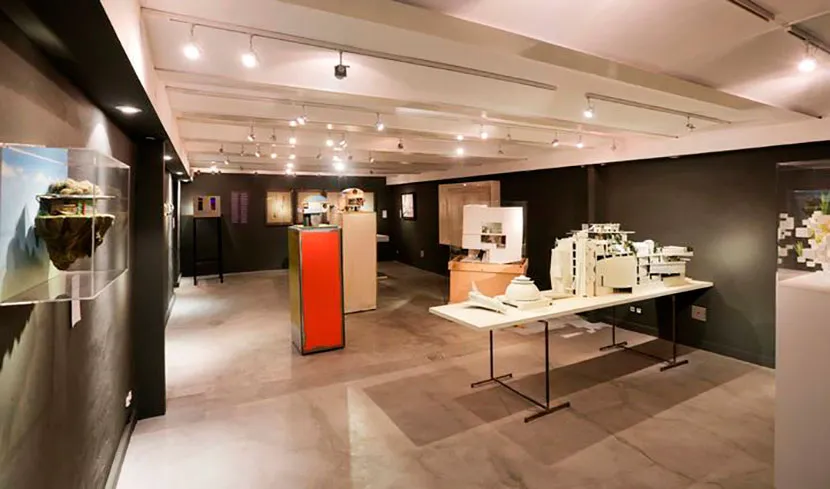
The name emerged from their own names.
“Da-tris” combined Danièle and Tristan.
The concept came first.
The building came later.
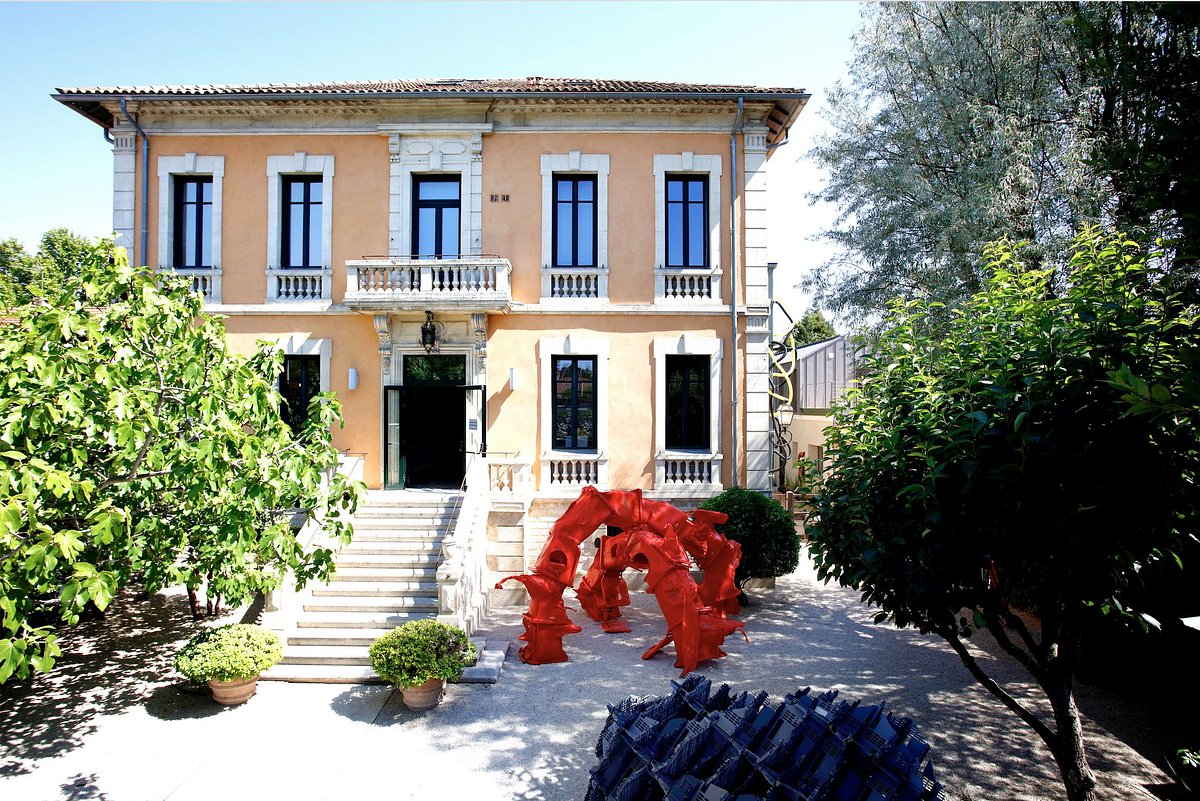
A friend told them that Maison Biehn in L’Isle-sur-la-Sorgue was available.
The property had been transformed by Michel Biehn into a cabinet of curiosities containing antique textiles and unusual objects.
Its character immediately appealed to them.
The building already felt layered with history and collecting.
Instead of stripping it into a neutral white cube, Kapel-Marcovici and Fourtine saw the possibility of creating a cultural space that retained personality.
Why Sculpture?
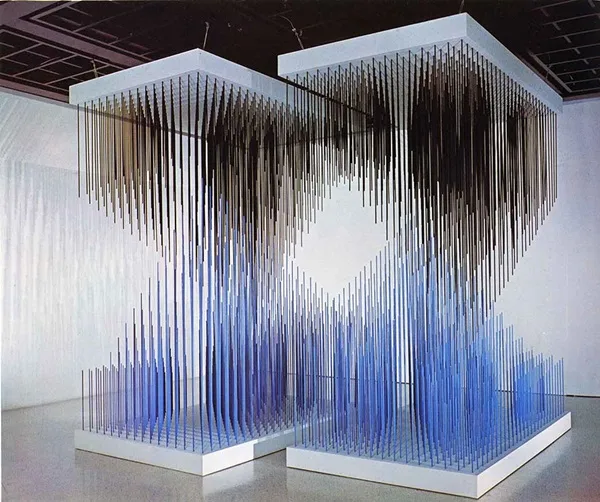
Villa Datris decided to focus on sculpture.
The reason was physical.
Kapel-Marcovici and Fourtine were attracted to materials, form, and space.
Sculpture interacts directly with architecture.
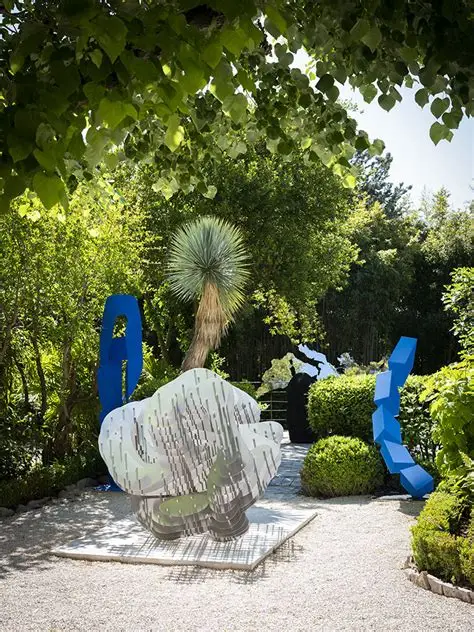
It can occupy rooms, gardens, staircases, and outdoor environments.
A viewer cannot experience most sculptures from one fixed position.
You move around them.
You understand scale through your own body.
This relationship made sculpture particularly appropriate for a foundation built inside a historic house and garden.
“Plural Sculptures” Opens the Foundation
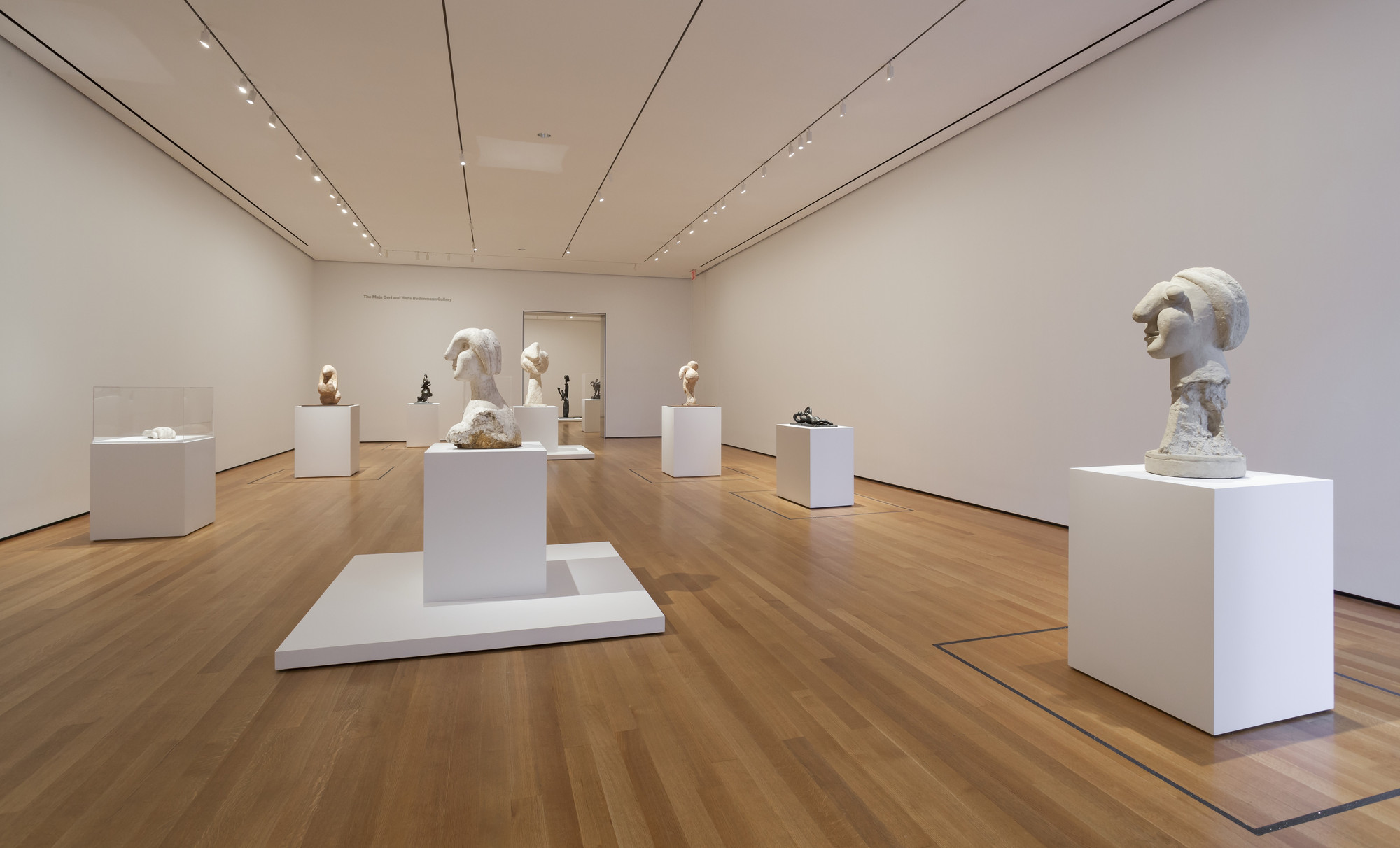
Villa Datris opened in 2011 with the exhibition “Plural Sculptures.”
Interestingly, the first exhibition did not rely primarily on Kapel-Marcovici’s own collection.
The works were loans from museums, galleries, and artists.
This is an important detail.
Villa Datris began as an exhibition project before it became a major collecting project.
The public response was extremely positive.
The experience convinced Kapel-Marcovici that the foundation could become a permanent cultural institution.
Since then, more than 1,000 artists have been shown at Villa Datris.
Kapel-Marcovici has remained closely involved with curating.
Stéphane Baumet, director of Villa Datris, joined the curatorial process in 2017.
Curating as a Treasure Hunt
Kapel-Marcovici describes the preparation of each exhibition almost like a treasure hunt.
Research leads to museum directors.
Museum directors lead to curators.
Curators lead to artists.
Artists lead to studios and new discoveries.
This approach means exhibitions do not simply present what the foundation already owns.
Instead, the theme comes first.
The collection then grows from the research.
This is almost the opposite of the conventional private museum model.
Rather than building an enormous collection and then asking what exhibitions can be made from it, Villa Datris develops exhibitions and acquires works that preserve the memory of those projects.
“Movement and Light”
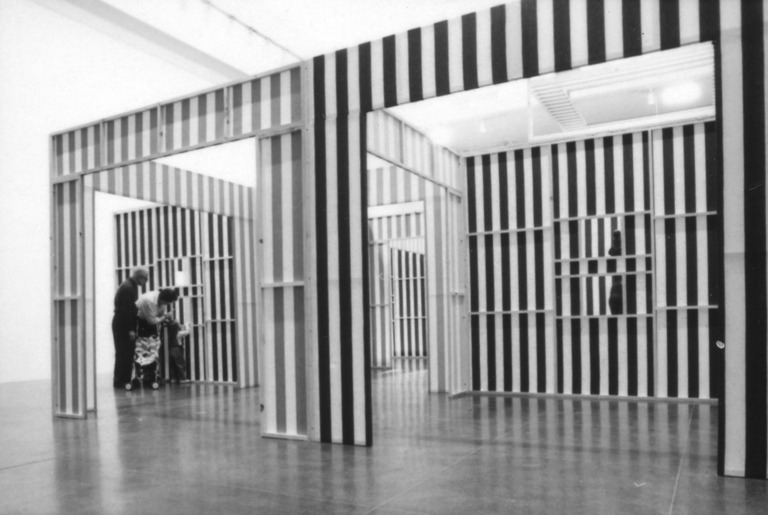
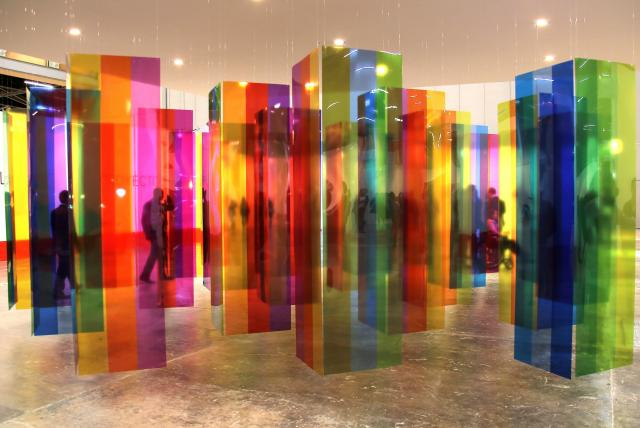
The 2012 exhibition “Movement and Light” explored kinetic art.
Artists included Jesús Rafael Soto and Carlos Cruz-Diez.
Both became major figures in the development of kinetic and optical art.
Their works require active viewing.
Color and movement change according to the viewer’s position.
The exhibition fit naturally with Villa Datris’s emphasis on space and physical experience.
For collectors, kinetic art also presents unusual challenges.
Some works contain moving parts.
Others depend on precise installation, lighting, or architectural placement.
Ownership requires more than storage.
It requires preserving the conditions through which the work functions.
“Sculptrices” Changes the Collection
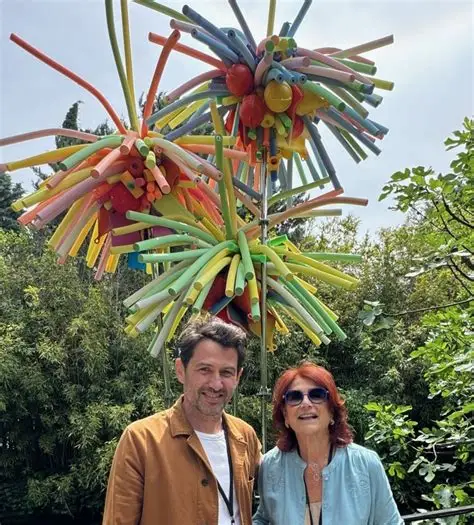
A particularly important exhibition was “Sculptrices.”
The project focused on women sculptors.
It brought Kapel-Marcovici’s artistic interests together with her feminist commitments.
After this exhibition, Villa Datris began acquiring works from its exhibitions more systematically.
The collection became a record of the foundation’s curatorial history.
This is a powerful collecting model.
Each acquisition is connected to a specific exhibition, theme, and period in the institution’s development.
The collection becomes an archive of ideas rather than simply a group of valuable objects.
Daniel Buren Turns an Elevator Into Art
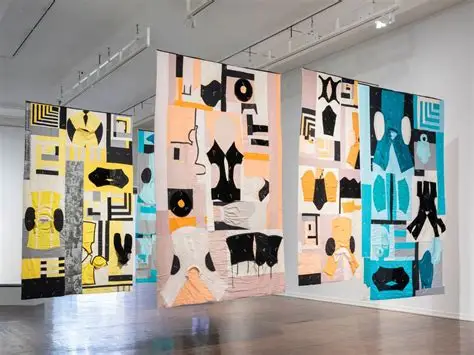
In 2015, Daniel Buren was invited to transform the Villa Datris elevator.
Buren is known for interventions that respond directly to architecture and context.
His signature stripes often emphasize the structure of the space in which they appear.
At Villa Datris, even an elevator became part of the exhibition environment.
This reveals an important characteristic of the foundation.
Art is not limited to galleries.
The entire building can become active.
Art on the Sorgue River
Every year, Villa Datris also installs a work on the branch of the Sorgue River that runs behind the garden.
This creates another relationship between sculpture and environment.
The artwork responds to water, light, weather, and movement.
For the exhibition “Mediterranean: Contemporary Odysseys,” Laurent Perbos created Ibiza, a group of palm trees placed in the river.
The title appears playful.
The exhibition itself addressed migration and exile.
This contrast creates tension between the Mediterranean as a tourist fantasy and the Mediterranean as a route of displacement and political crisis.
The Collection Grows Around 15 Themes
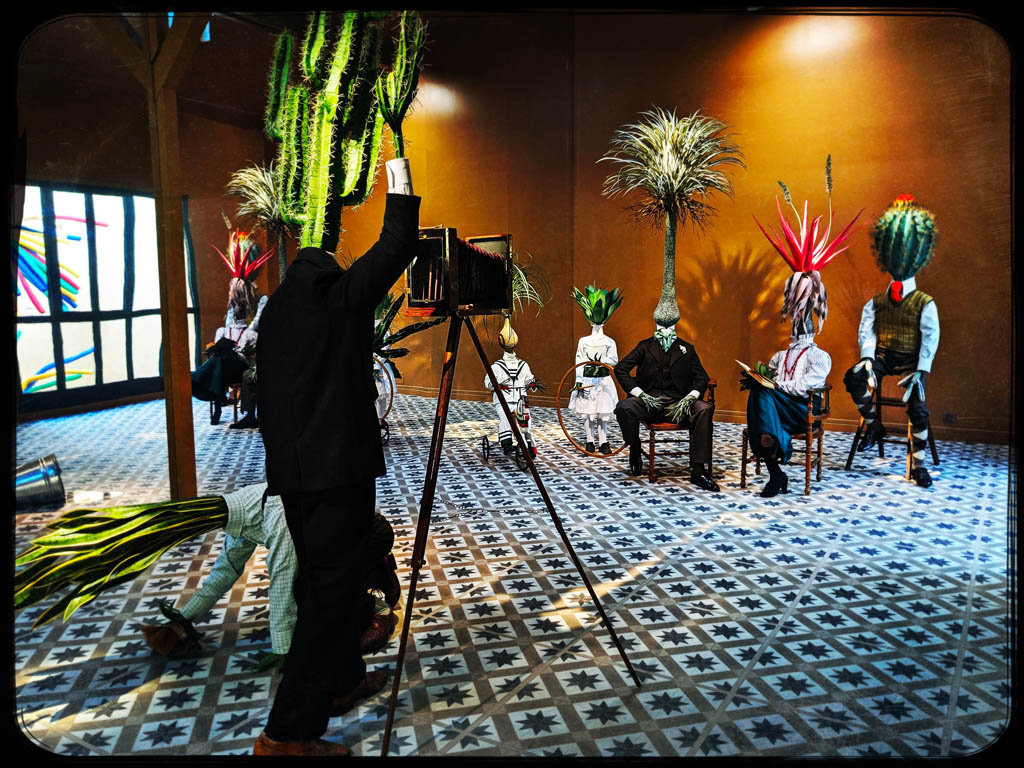
The collection did not develop through one artist, one movement, or one period.
It grew around approximately 15 different themes.
At first, this might sound fragmented.
Kapel-Marcovici believes the collection remains coherent because she has remained consistently involved in curating.
The continuity comes from perspective.
Some artists are internationally famous.
Others remain relatively overlooked.
The foundation does not require every acquisition to come with established market prestige.
This allows Villa Datris to support discovery.
Art Basel as an Educational Experience
Kapel-Marcovici first visited Art Basel in 2011.
The fair became an important source of education.
This is worth emphasizing.
Even experienced founders and collectors continue learning through fairs.
A major fair allows rapid comparison between galleries, generations, and movements.
For someone building a sculpture collection, it also offers access to works that may never appear together in one museum.
The fair was not simply a shopping environment.
It became part of the research process.
Continuing After Tristan Fourtine’s Death
Tristan Fourtine died in 2013.
For Kapel-Marcovici, this created both personal grief and uncertainty about the future of the project they had built together.
Friends and visitors encouraged her to continue.
She did.
The foundation became one way of preserving the shared vision without freezing it.
Villa Datris continued evolving.
New exhibitions were created.
The collection grew.
Another space would soon follow.
Espace Monte-Cristo in Paris
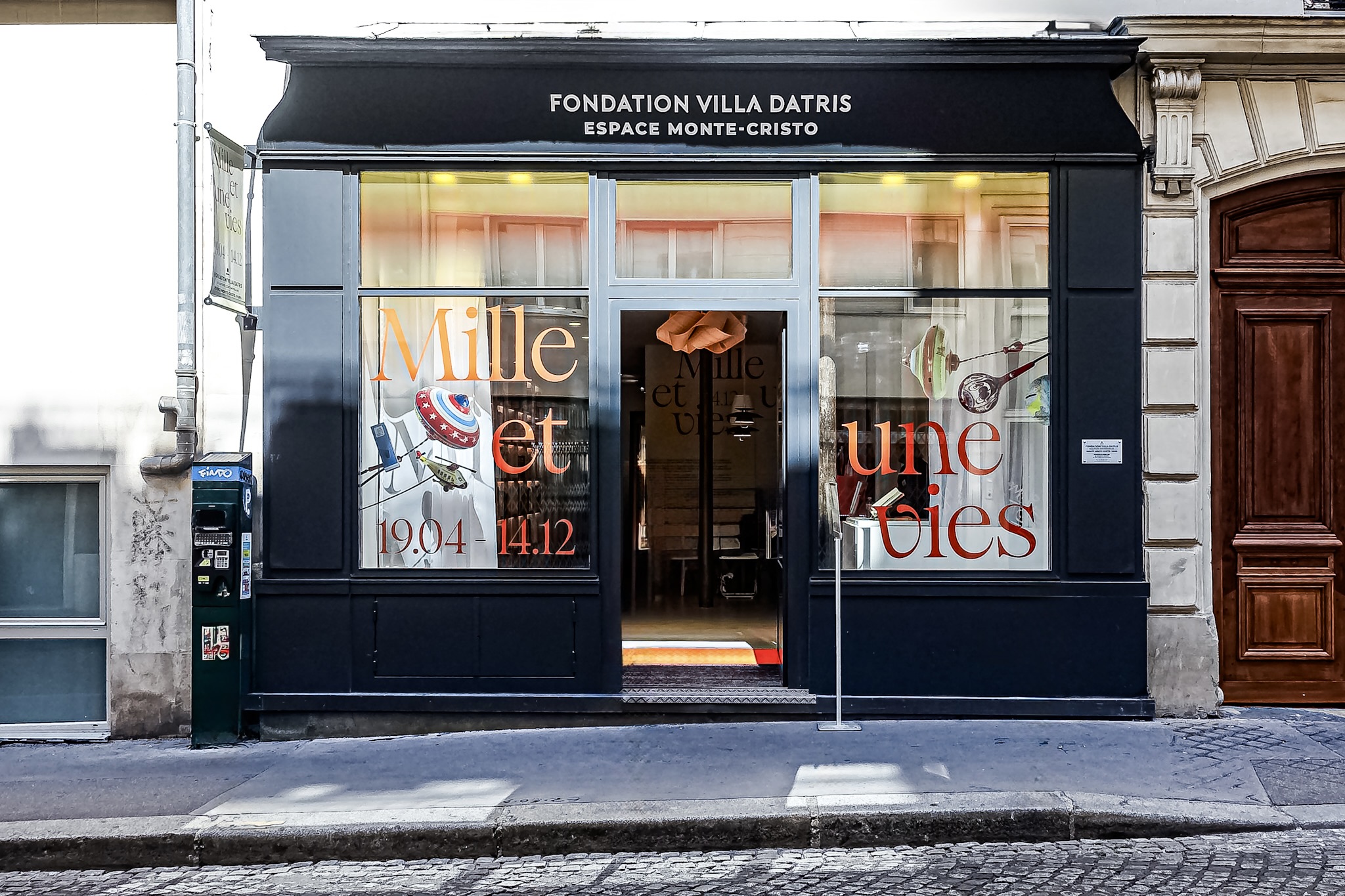
In 2014, Kapel-Marcovici opened Espace Monte-Cristo near Père Lachaise in Paris.
The space is now directed by her son Jules Fourtine together with Pauline Ruiz.
Since 2018, its exhibitions have been drawn exclusively from the Villa Datris collection.
This gives the collection a second life.
Works shown originally in southern France can be reinterpreted in Paris.
The same object can enter a different curatorial environment.
The current exhibition “Voices of Silence” demonstrates how the space has developed its own identity rather than functioning simply as an urban branch of Villa Datris.
The Next Generation Enters the Project
Jules Fourtine’s role creates continuity.
But, importantly, the foundation is not presented simply as an inherited family possession.
Professional direction matters.
Pauline Ruiz works alongside him.
The project becomes institutional rather than purely personal.
This is an important stage in the life of any founder-led foundation.
If the institution cannot operate beyond the founder, its legacy remains fragile.
Kapel-Marcovici is already building a structure capable of continuing.
70,000 Visitors a Year
Villa Datris welcomed more than 70,000 visitors during the previous year.
That number demonstrates something important about private patronage.
A privately funded project can become part of the public cultural landscape.
Free admission is central.
Young people and families can enter without worrying about ticket price.
The foundation also expands workshops and guided visits for people with disabilities and others experiencing difficult circumstances.
Accessibility is therefore not an additional marketing program.
It is part of the mission.
Prune Nourry and Three Venuses
One of Kapel-Marcovici’s recent acquisitions involved three Venuses by French artist Prune Nourry.
The works came from a series created for the Maison des femmes de Saint-Denis.
Nourry is known for projects addressing the body, fertility, gender, and medical experience.
These works bring together several strands of Kapel-Marcovici’s life:
art,
feminism,
education,
women’s rights,
and philanthropy.
The sculptures are shown at Espace Monte-Cristo.
For the collector, they are not isolated trophies.
They connect directly with a broader social mission.
Art and Activism Without Reducing One to the Other
There is always a risk when art institutions adopt political causes.
The artwork can become illustration.
The cause can become branding.
Kapel-Marcovici’s approach avoids some of this tension because her feminist commitment existed long before Villa Datris.
The foundation for women and the art foundation developed from the same worldview.
This gives the relationship greater credibility.
The challenge remains to allow artists complexity.
A feminist institution should not require every woman artist to create explicitly feminist work.
Representation and freedom should coexist.
Editorial Note
ArtExpoWorld believes Danièle Kapel-Marcovici represents one of the strongest models of modern patronage because the institution came before the obsession with ownership.
Villa Datris began with borrowed works.
The collection grew later, as a memory of exhibitions and ideas.
That is unusually healthy.
It prevents the foundation from becoming a monument to personal wealth.
Kapel-Marcovici’s feminist commitment is equally important because it is not a recent curatorial trend. It has shaped her life since the 1970s and connects corporate philanthropy, culture, and education.
The biggest achievement may be accessibility.
Seventy thousand visitors, free admission, and programs for people who are often excluded from cultural institutions show what private patronage can accomplish when public value is treated as the goal.