









Sightseeing in Toronto: The Ultimate Must-See List
Toronto is one of North America’s most diverse and rapidly growing cultural capitals, and sightseeing in Toronto reveals a metropolis shaped by global migration, contemporary architecture, and strong institutional arts support. Must-See Toronto locations reflect skyline ambition, museum excellence, and waterfront revitalization along Lake Ontario. Sightseeing Toronto is cosmopolitan and structured, defined by skyscrapers, cultural districts, and expansive urban parks.
This Sightseeing in Toronto guide highlights the essential Must-See Toronto destinations for travelers seeking architectural innovation, cultural diversity, and vibrant city life.

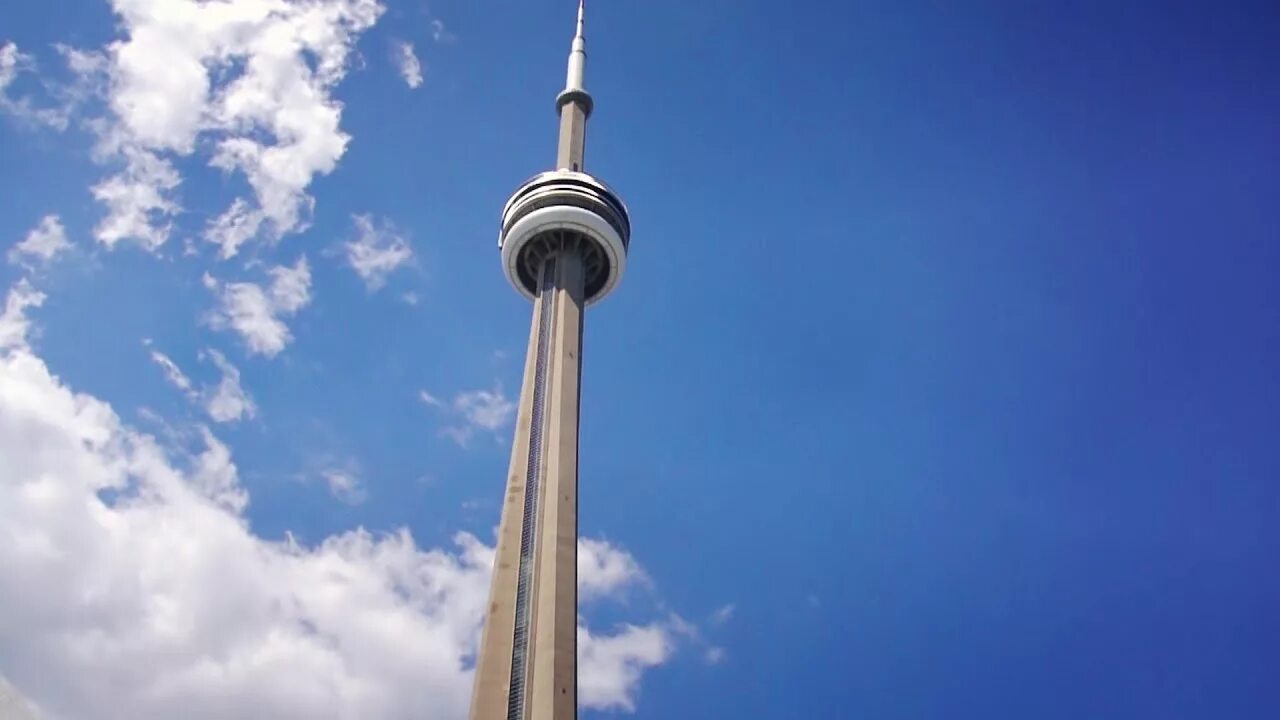
CN Tower – One of the Must-See Highlights for Sightseeing Toronto
The CN Tower is the defining landmark of sightseeing in Toronto and a central Must-See Toronto destination. Once the tallest freestanding structure in the world, it remains one of the most recognizable symbols of the Canadian skyline.
Sightseeing Toronto from the tower emphasizes panoramic views across Lake Ontario and the city’s modern architectural landscape.
Why visit:
An iconic engineering landmark and the cornerstone of sightseeing Toronto.
Art Gallery of Ontario – An Essential Sightseeing Toronto Experience
The Art Gallery of Ontario (AGO) plays a central role in sightseeing in Toronto by presenting extensive collections of Canadian, Indigenous, and international art. The building’s redesign by architect Frank Gehry reinforces Toronto’s commitment to cultural infrastructure.
Sightseeing Toronto through the AGO highlights artistic diversity and modern museum architecture, making it a core Must-See Toronto destination.
Why visit:
One of North America’s most significant art institutions and a key sightseeing Toronto experience.

Royal Ontario Museum – Culture and Sightseeing in Toronto
The Royal Ontario Museum is one of the most distinctive landmarks of sightseeing in Toronto and a defining Must-See Toronto attraction. Known for its striking modern extension called the Michael Lee-Chin Crystal, the museum combines natural history, world cultures, and design.
Sightseeing Toronto through the ROM emphasizes interdisciplinary exploration and architectural contrast.
Why visit:
A major museum complex and an essential part of sightseeing Toronto.

Iconic Urban Spaces – Timeless Must-See Toronto Sightseeing
Sightseeing in Toronto extends beyond museums and towers into neighborhoods and waterfront districts that define the city’s identity. These spaces form the visual core of Must-See Toronto.
Key sightseeing Toronto locations include:
• Distillery District
• Toronto Islands
• Harbourfront Centre
• Nathan Phillips Square
• Kensington Market
These sites remain central to sightseeing Toronto, offering contrast between historic industrial architecture and contemporary urban life.
Why visit:
Cultural diversity, waterfront views, and the most recognizable Must-See Toronto cityscapes.

Why Sightseeing in Toronto Feels Global and Diverse
Sightseeing in Toronto stands apart because of its multicultural identity. Must-See Toronto destinations exist within a city shaped by international communities, contemporary design, and dynamic cultural institutions. Sightseeing Toronto rewards exploration of neighborhoods, galleries, and waterfront promenades.
Must-See Toronto represents one of North America’s most globally connected urban experiences.

Art Expo World Editorial View
Toronto communicates through diversity and openness. Sightseeing in Toronto is an experience shaped by immigration, creative industries, and architectural growth. Must-See Toronto locations form a narrative where modern skyline development meets cultural plurality. The city remains culturally compelling because it continuously evolves through global influence and artistic exchange.