








China’s New Private Art Foundations
China’s contemporary art landscape is entering a new phase.
Large museums continue to emerge across the country. Among the most ambitious projects are the Suzhou Museum of Contemporary Art, the Shenzhen International Art Museum, and the Wu Xi Art Museum, which combines contemporary art with the traditions of Chinese ink painting.
Some of these institutions are supported by local governments. Others are affiliated with major technology companies and large corporate groups.
Alongside these highly visible projects, however, a quieter transformation is underway.
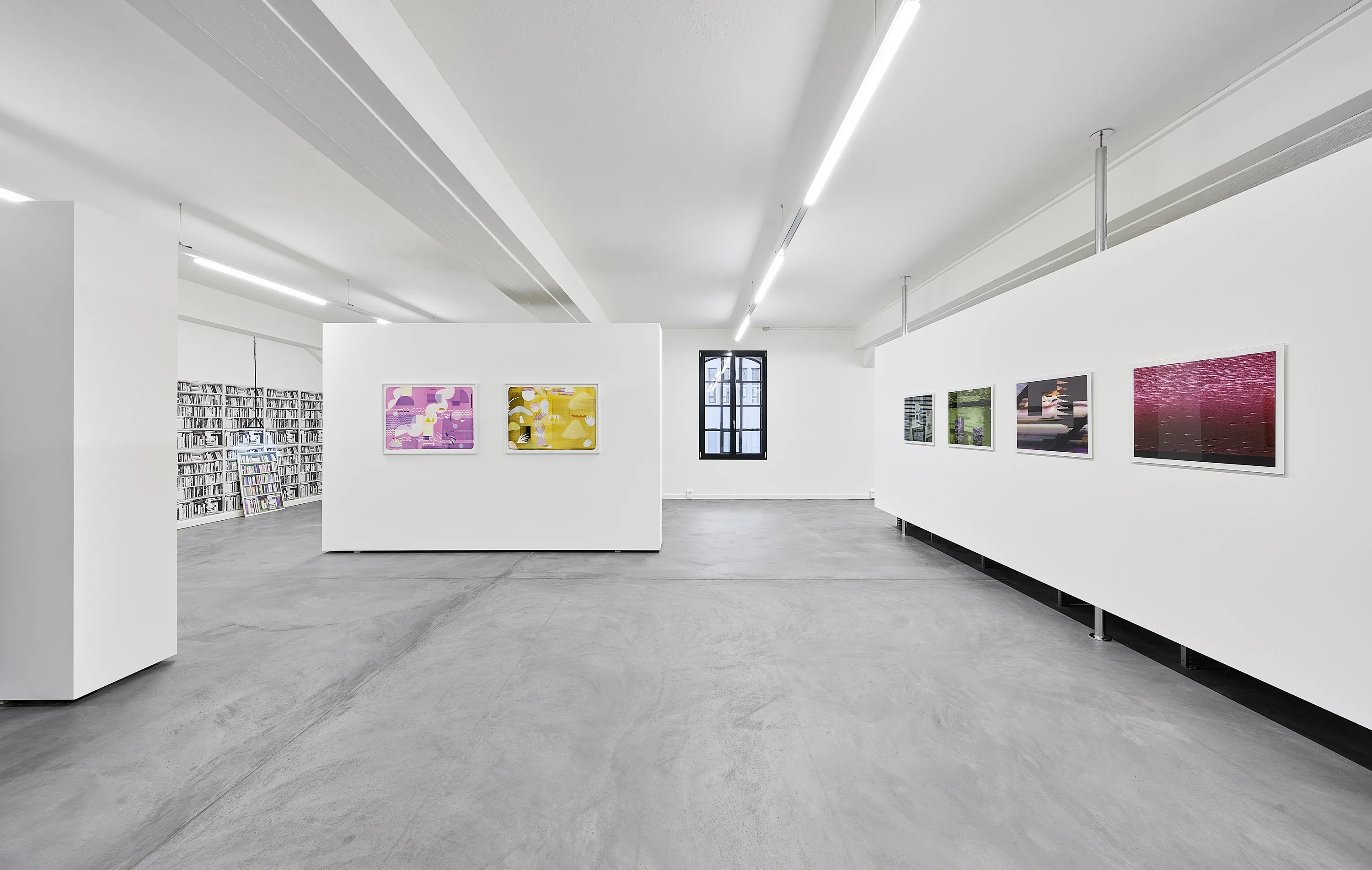
Private collectors are opening art spaces inside offices, residential buildings, former factories, and historic houses. Others are abandoning the idea of a permanent museum entirely and creating nomadic collections that appear in different locations every few years.
These initiatives are often smaller than traditional museums but can be more flexible. They provide space for experimental art, support emerging artists, and foster connections between fashion, design, performance, moving image, and contemporary visual culture.
Niklas Chou and the 69 Art Campus in Beijing
In Beijing, collector Niklas Chou has integrated his collection directly into the headquarters of his automobile manufacturing company.
The project, known as 69 Art Campus, occupies a renovated Bauhaus-style office building. Instead of separating art from daily work life, Chou has transformed the corporate complex into a dispersed exhibition space.
More than 20 artists are represented throughout the offices.
The main audience is not museum visitors or international collectors but the hundreds of employees who encounter artworks while moving through the building, attending meetings, and carrying out their daily tasks.
The collection organizes two exhibitions each year, inviting a guest curator to develop a new theme and select works.
One of its major exhibitions, “Pharmakon,” was curated by Paul Frèches, who has worked on the Centre Pompidou x West Bund Museum project in Shanghai.
The exhibition explored various ideas of healing, medicine, and transformation. Its title referred to the ancient Greek concept of pharmakon, a substance that can act both as remedy and poison.
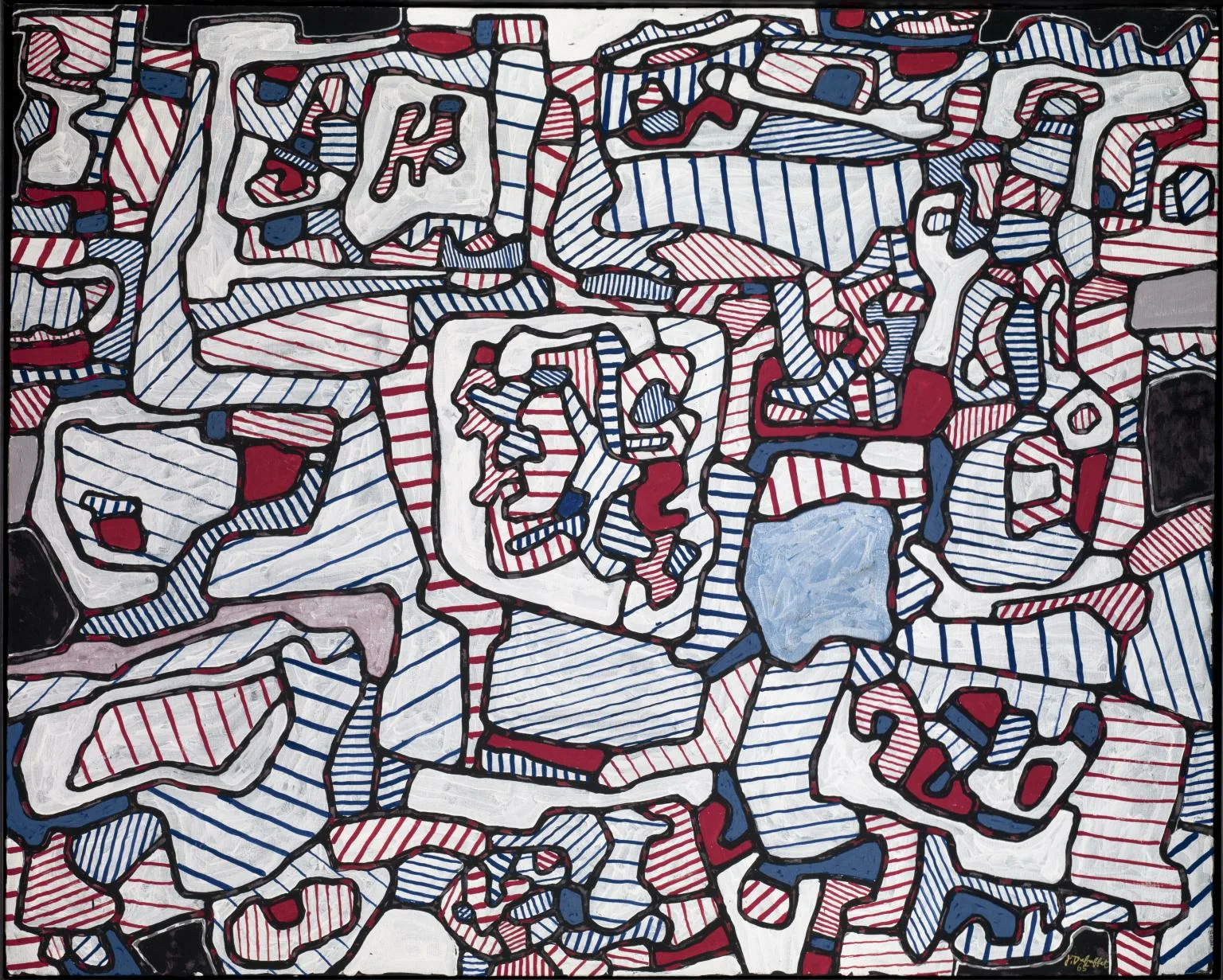
The presentation connected classical mythology with Chinese traditions and contemporary artistic practices. Participating artists included Huang Yuxing, Jean Dubuffet, and Melvin Way.
The 69 Art Campus demonstrates how a corporate collection can become more than decoration for reception areas and meeting rooms.
When art is placed throughout a work environment, it becomes part of daily experience. Employees repeatedly encounter the same works, notice new details, and develop personal relationships with objects they might never visit a museum to see.
Zhou Chong and the 1690 Art Collection Space
Shanghai-based collector Zhou Chong has chosen a more intimate model.
His 1690 Art Collection Space occupies a residential building in the historic Huaihai area of Shanghai’s former French Concession.
The three-story house does not attempt to imitate the monumental architecture of a museum. Its domestic scale is a deliberate part of the project.
Zhou believes that smaller cultural spaces located within central neighborhoods may become increasingly important to urban art ecosystems.
They are generally less expensive to operate than large museums, easier to adapt, and more accessible to people who live nearby. Visitors can encounter contemporary art within a familiar residential environment rather than entering a monumental institution.
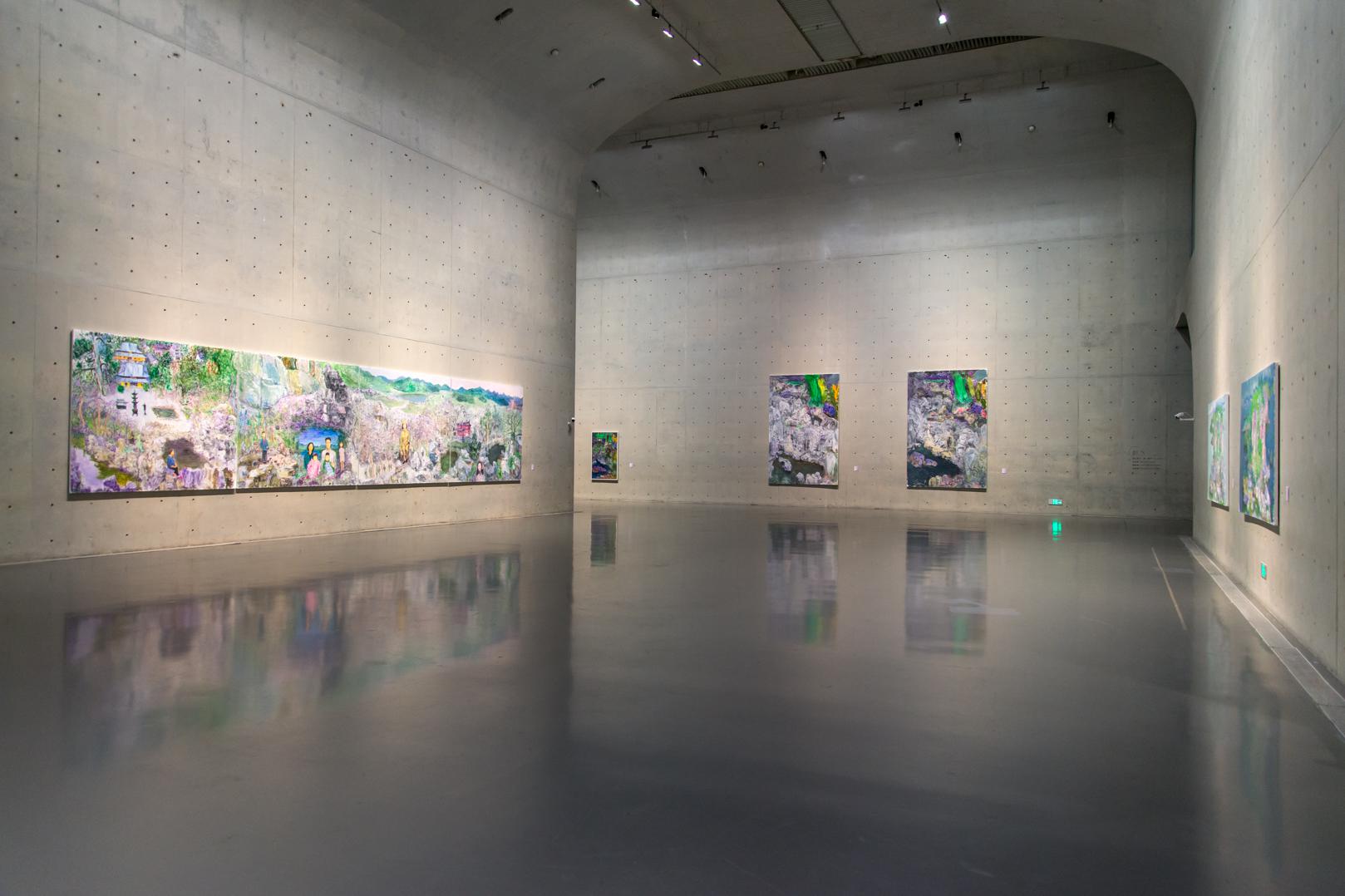
Inside 1690 Art Collection Space, artworks are displayed in rooms that retain the atmosphere of a private home.
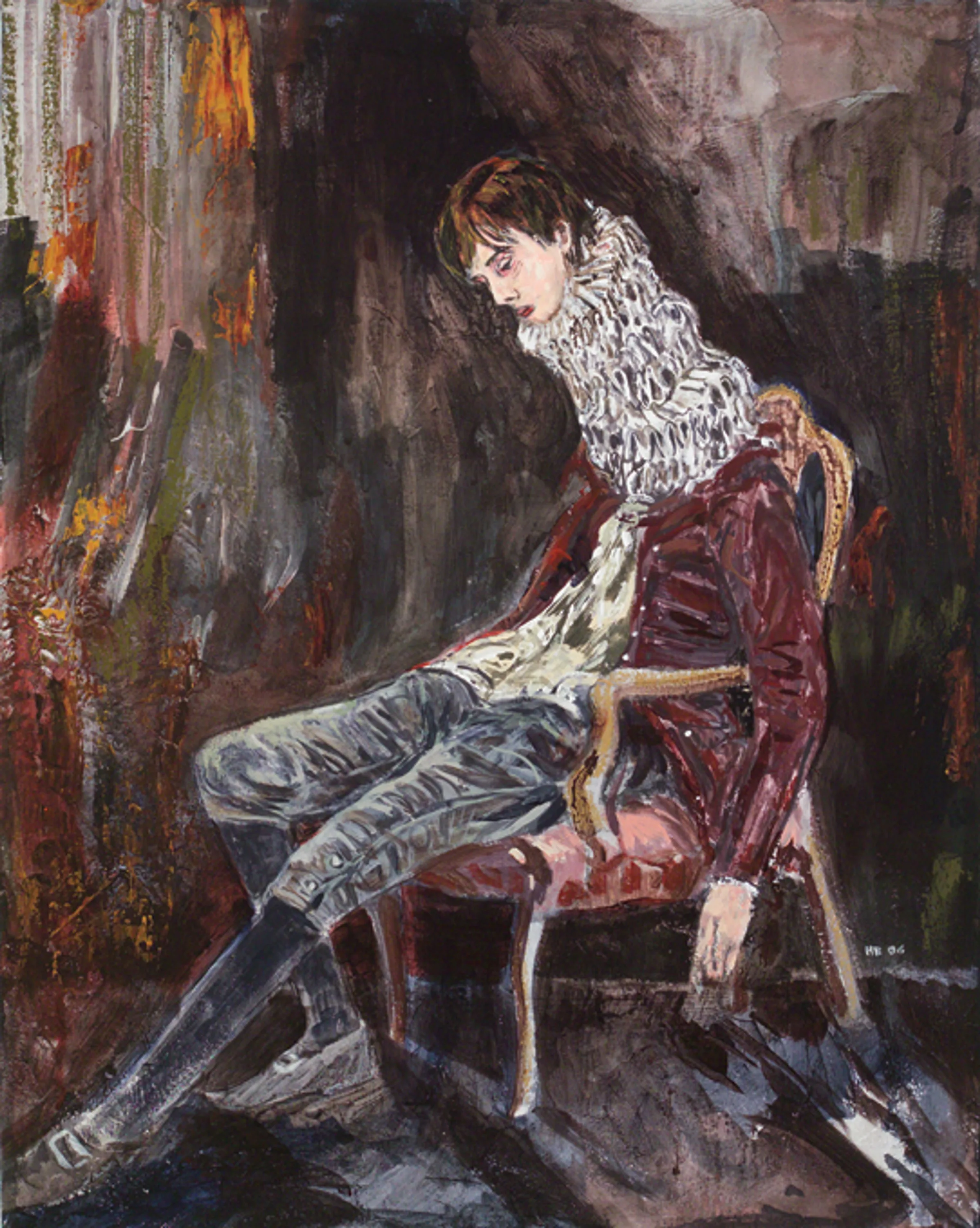
One of the central works in the long-term display was created by Miami-based artist Hernan Bas specifically for Zhou after the artist visited the building.
This relationship between artwork, collector, and location gives the collection a personal identity. The space is not simply displaying objects acquired from galleries or auctions. It is also forging new connections between artists and Shanghai.
Zhou collects emerging Chinese artists as well as international figures, particularly artists connected with the Global South.
By presenting them together, the collection creates conversations that may not easily emerge inside commercial galleries, where exhibitions are often shaped by representation agreements, sales priorities, and market expectations.
Women Collectors Are Reshaping China’s Art Scene
One of the most significant changes in Chinese collecting is the growing influence of women.
The Art Basel and UBS Survey of Global Collecting 2025 identified high-net-worth women in Mainland China as an increasingly important group of art-market patrons.
Their influence is visible not only in the value of the works they acquire but also in the types of projects they support.
Many younger women collectors are interested in experimental practices, interdisciplinary work, artist residencies, and stronger representation of women artists.
Rather than focusing exclusively on building private collections, they are creating platforms where artists, designers, curators, and researchers can collaborate.
This tendency can be seen in projects such as Cheruby and Eclosion Collection + Projects.
Cherry Xu Opens Cheruby in Shanghai
Collector Cherry Xu launched Cheruby in Shanghai in late 2025.
The space occupies a heritage building constructed in 1939 in the city’s Jing’an district. It operates as a hybrid platform connecting contemporary art with fashion, clothing, and design.
Cheruby plans to host three artist residencies every year.
Its program challenges the traditional separation between garments displayed on bodies and artworks displayed inside galleries. Fashion is not treated as a commercial accessory to art, nor is contemporary art placed above craft, clothing, or design.
The first resident was Bárbara Sánchez-Kane, an artist and fashion designer based in Mexico City.
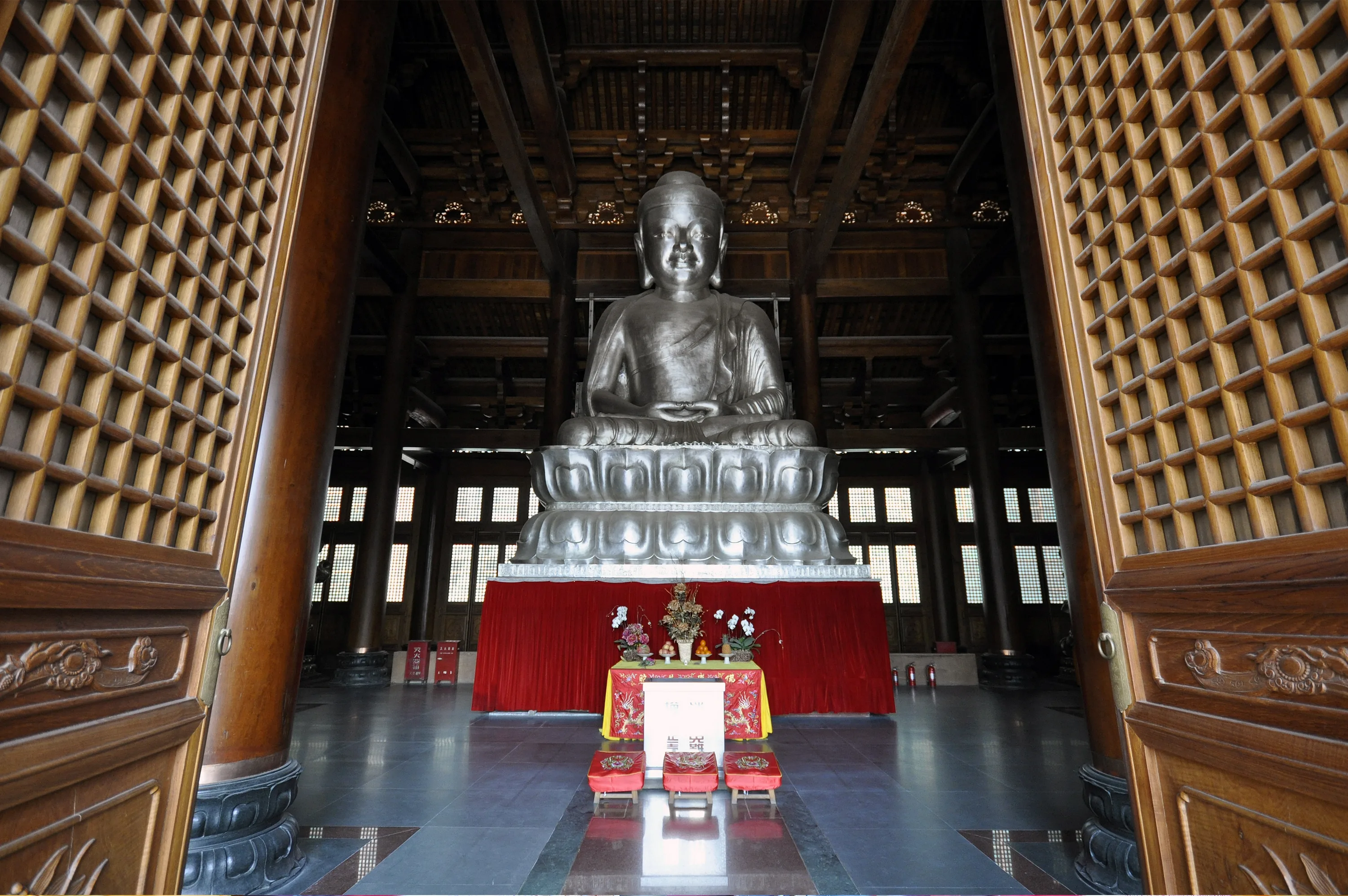
Sánchez-Kane is known for work that questions gender, authority, identity, and the social rules expressed through clothing. Her practice spans fashion, sculpture, performance, painting, and text.
Her residency at Cheruby concluded in November 2025 with an exhibition combining sculptures, paintings, written material, and garments.
The project set the direction of the new space. Cheruby is not intended to function as a conventional fashion showroom or private museum. It is a laboratory where different creative disciplines can intersect.
According to Cherry Xu, many young women collectors in China are moving in a similar direction. They are not satisfied with acquiring finished artworks. They also want to create platforms, support experimentation, and help different creative communities connect.
Michelle Yuan Bing and Eclosion Collection + Projects
Michelle Yuan Bing has developed another model through Eclosion Collection + Projects.
The organization does not focus solely on purchasing completed artworks. Instead, it supports the longer intellectual and creative development of artists.
Its initiatives have included artist documentaries, curator residencies, and research-oriented programs.
This approach can be described as non-result-oriented patronage.
An artist does not necessarily need to produce a commercially successful exhibition or a new group of collectible objects. The support may instead provide time for research, experimentation, documentation, or scholarly interpretation.
This is particularly valuable for practices that are difficult to sell or require long periods of development.
For one of its exhibitions, Eclosion Collection + Projects planned to present a major acquisition by French artist Sophie Calle titled The Address Book, created in 1983.
The project began when Calle found a lost address book on a street in Paris.
She copied its contents before returning it to the owner and then contacted people listed inside. Through interviews with his friends and colleagues, Calle constructed a portrait of a man she had never personally met.
The work raises uncomfortable questions about privacy, surveillance, identity, and the ownership of personal information.
Acquiring a work such as The Address Book shows that Eclosion’s interests extend beyond visually decorative art. The collection is willing to engage with conceptual practices whose importance lies in ideas, research, and social tension.
The Soil Collection Without a Permanent Museum
Some collectors in China no longer believe a collection needs a permanent building.
The Soil Collection, founded by Vince Guo and Aria Yang, operates as a nomadic platform. Yang is also the program director of Gallery Weekend Beijing.
Instead of maintaining a conventional gallery, the collection presents major survey exhibitions approximately every two years in changing locations.
This model allows each exhibition to respond to a different building, city, or cultural context.
It also reduces the financial and administrative burden associated with running a permanent museum. Money and organizational energy can be directed toward exhibitions, commissions, and artist support rather than property maintenance.
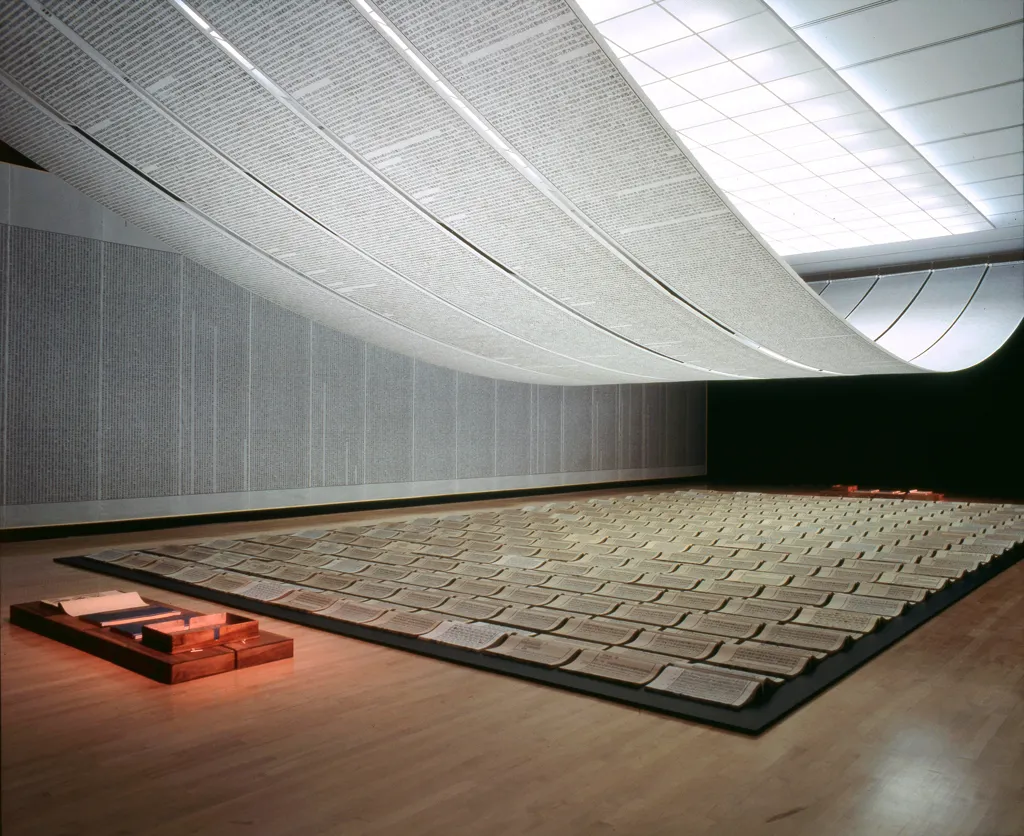
The Soil Collection focuses on projects that may struggle within the commercial art market because they are experimental, complex, or difficult to sell.
In 2024, the collection organized a group exhibition exploring displacement and changing identity following China’s extended period of pandemic restrictions.
The exhibition included internationally recognized artists as well as emerging local voices. Participants included Sin Wai Kin, Philippe Parreno, and Zhang Yibei.
Rather than selecting the most famous or immediately recognizable works by established artists, the organizers presented lesser-known pieces.
This choice helped the exhibition avoid becoming a display of market-approved highlights. It allowed visitors to discover unexpected aspects of artists they may already have known.
Coobe Wang, Sophia Luo and the Last Piece Collection
In Guangzhou, the Last Piece Collection has become an important presence in the regional contemporary art scene.
The collection was founded by former advertising professional Coobe Wang and his wife, Sophia Luo.
Their interests include multimedia installations, moving image, conceptual art, and technically demanding works that may be difficult to display in private homes or sell through conventional market channels.
The collection includes works by Francis Alÿs, whose practice frequently addresses politics, migration, and social systems, and Julius von Bismarck, known for installations exploring perception, nature, technology, and the environment.
Wang and Luo have also transformed their own residence into an informal exhibition space.
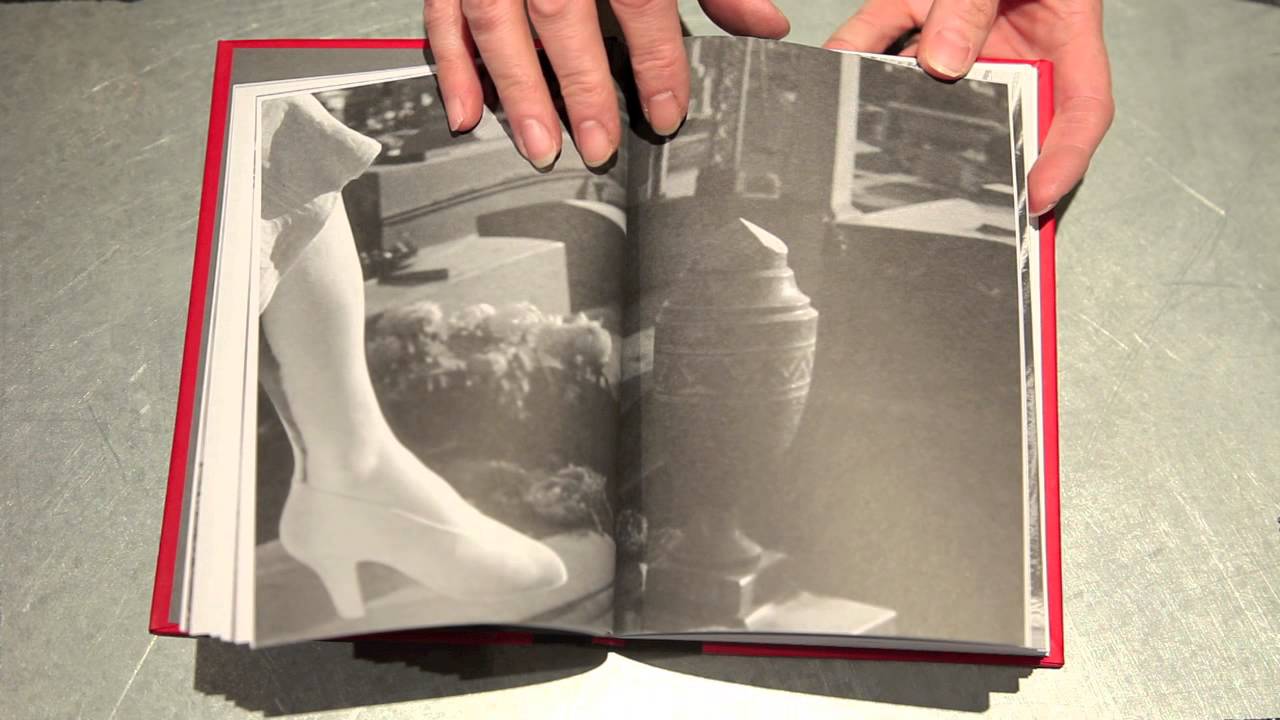
They live alongside installations by artists including Gabriel Rico and Daniel Firman, even when the works are visually unsettling or physically challenging.
This willingness to place difficult art inside a domestic environment reveals an important distinction between decorating and collecting.
Decoration is usually selected to create comfort and visual harmony. Serious collecting may instead introduce disruption, uncertainty, and intellectual discomfort into daily life.
The founders of the Last Piece Collection also played a role in reviving the Guangdong Times Museum.
Through exhibitions at the museum and Guangzhou’s Shangrong Gallery, they have helped bring experimental art to a wider regional audience.
Their activity demonstrates that the future of private patronage in China will not be limited to Beijing and Shanghai.
Guangzhou and other cities are developing their own networks of collectors, artists, galleries, and independent institutions.
The PTSD Collection Supports LGBTQ Artists
Not every important collection needs to operate a public museum.
The PTSD Collection was founded by Sebastian Liang and Thomas Jiang, who began collecting in 2013.
They have since assembled approximately 600 works, with a strong focus on LGBTQ artists and contemporary art connected with the Global South.
The collection itself has not been presented in a major public exhibition.
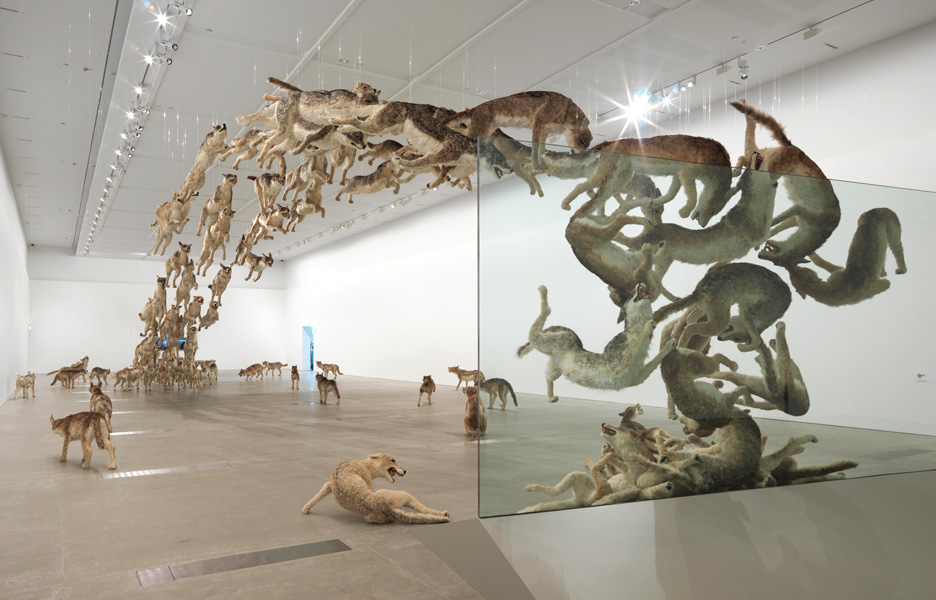
However, Liang and Jiang have supported external projects that increase the visibility of artists and cultural histories that remain underrepresented.
These initiatives include the Chinese Queer Collection at Leiden University in the Netherlands.
They have also supported the UK-based International Visual Arts Exchange, known as IVAE, which experiments with curatorial models and new forms of cultural exchange between regions.
The PTSD Collection represents a less visible form of patronage.
The collectors do not need to establish a building bearing their names. Their influence comes through research support, partnerships, and projects that help artists reach new audiences.
Why Younger Collectors Are Avoiding Traditional Museums
Running a private museum is expensive and complicated.
Buildings require maintenance, security, specialist staff, climate control, insurance, and long-term programming. Public institutions also carry social responsibilities that private collectors may not be prepared to accept.
Economic uncertainty has made many younger collectors more cautious about creating permanent organizations.
They may want to commission artworks, organize exhibitions, and support artists without becoming responsible for a large institution.
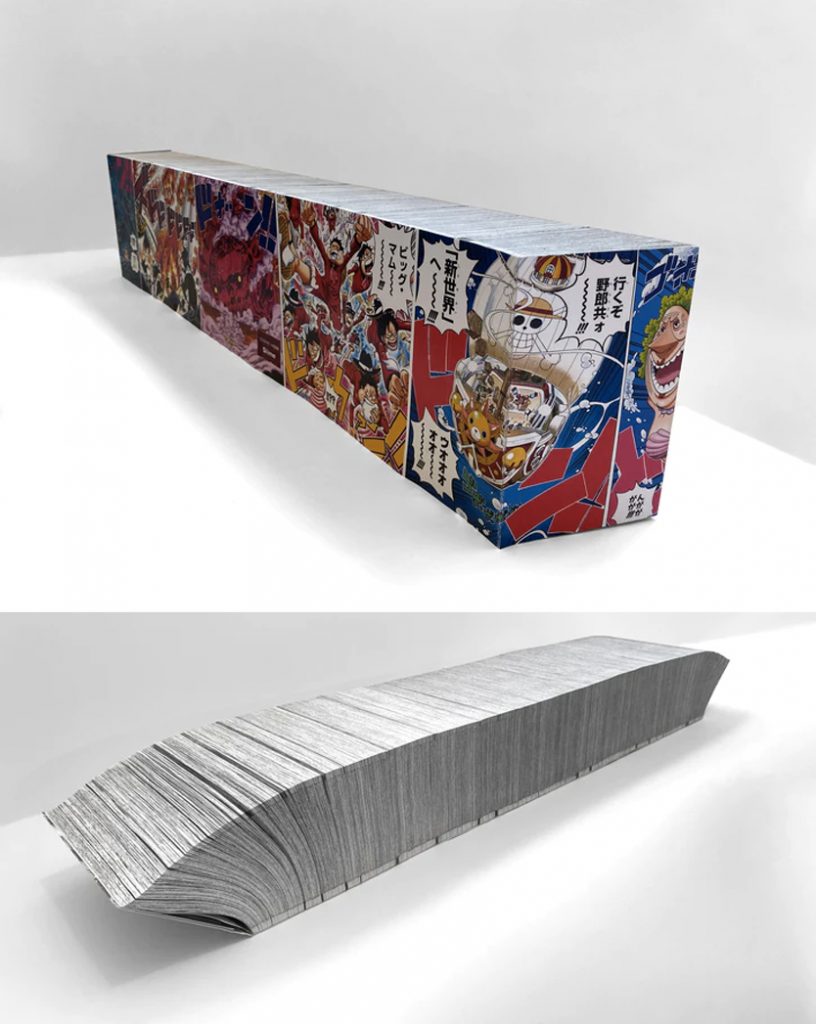
This explains the growth of flexible models such as temporary exhibitions, artist residencies, domestic spaces, corporate campuses, and nomadic collections.
These formats allow collectors to participate in cultural life without trying to recreate a traditional museum.
They can also respond more quickly to new ideas.
A large institution may plan exhibitions several years in advance. A smaller private platform can invite an artist, occupy an unusual location, or react to a cultural debate within a much shorter timeframe.
China’s Art Ecosystem Is Becoming More Decentralized
The new generation of Chinese private collections is changing where contemporary art can be encountered.
Art can appear inside a corporate office in Beijing, a residential building in Shanghai, a historic property in Jing’an, a private home in Guangzhou, or a temporary venue selected by a nomadic collection.
This shift is also changing the geography of cultural influence.
Beijing and Shanghai remain central to the Chinese art market, but collector-led initiatives are emerging across Guangzhou and other cities.
The growing interest in artists from the Global South is creating connections between China, Latin America, Africa, Southeast Asia, the Middle East, and international diasporic communities.
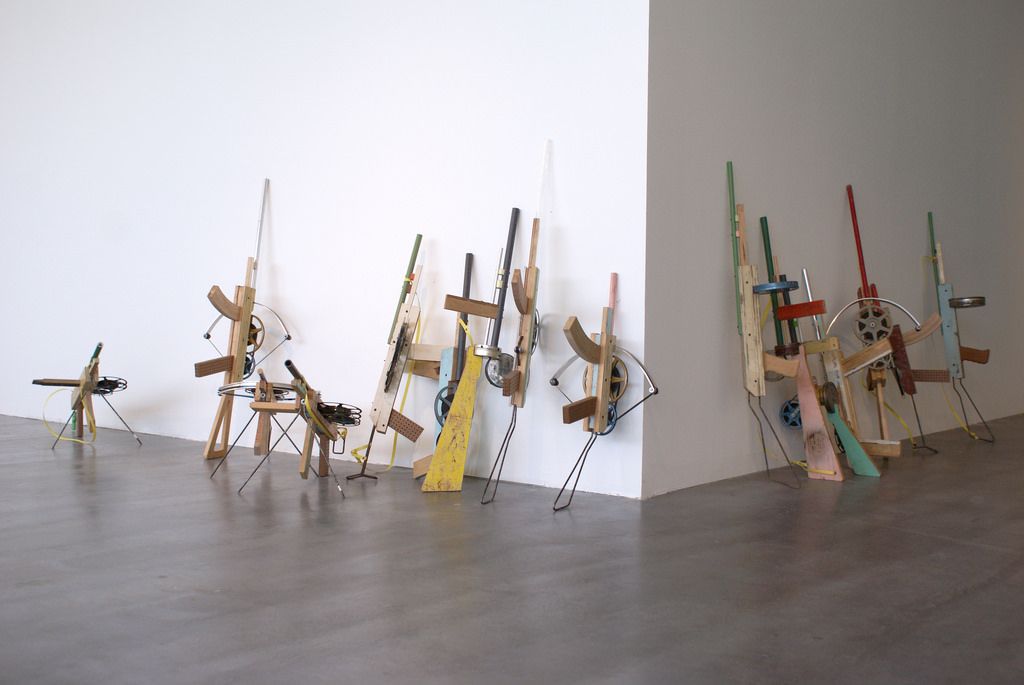
At the same time, collectors are supporting practices that do not fit easily within commercial systems.
Artist residencies, conceptual works, performance, multimedia installations, and research-based projects often require resources without producing objects that can be immediately sold.
Private patronage can provide this missing infrastructure.
The most significant development is therefore not simply that more wealthy people are opening art spaces.
It is that collectors are reconsidering what an art institution can be.
Editorial Note
ArtExpoWorld believes China’s new private foundations reveal an important change in contemporary collecting.
The traditional model was based on acquiring prestigious objects and eventually placing them inside a museum bearing the collector’s name. The projects created by Niklas Chou, Zhou Chong, Cherry Xu, Michelle Yuan Bing, Vince Guo, Aria Yang, Coobe Wang, Sophia Luo, Sebastian Liang, and Thomas Jiang offer a different vision.
Their collections operate through offices, homes, residencies, temporary exhibitions, research programs, and partnerships.
This flexibility can give experimental artists opportunities that commercial galleries and large institutions are unable or unwilling to provide.
However, private cultural platforms also depend heavily on the interests and finances of their founders. A project can change direction or disappear when a collector’s priorities shift. For these initiatives to create lasting value, they need professional documentation, transparent programs, and meaningful relationships with artists and local communities.
The strongest examples are not monuments to personal wealth. They are working cultural structures that make unusual art possible and expand the number of voices represented in the art world.