









Dries Van Noten and the Rise of Private Art Foundations in Venice
Venice has always attracted artists, collectors, and cultural patrons. However, a new generation of private art foundations is beginning to transform how contemporary art exists in the city.
For decades, much of Venice’s international art activity revolved around the Venice Biennale schedule. Galleries, collectors, and cultural institutions arrived for major events, while the city’s contemporary art scene quieted between editions.
That pattern is now shifting.
Fondazione Dries Van Noten, AMA Venezia, the Nicoletta Fiorucci Foundation, Berggruen Arts & Culture, the Anish Kapoor Foundation, the San Marco Art Centre, and Fondazione Sandretto Re Rebaudengo are establishing permanent or long-term cultural spaces throughout Venice.
Together, these institutions are helping the city develop a contemporary art identity that lasts year-round.
Dries Van Noten Opens His Foundation at Palazzo Pisani Moretta
Belgian fashion designer Dries Van Noten and his partner Patrick Vangheluwe initially envisioned their foundation in a neutral contemporary building where architecture would stay in the background.
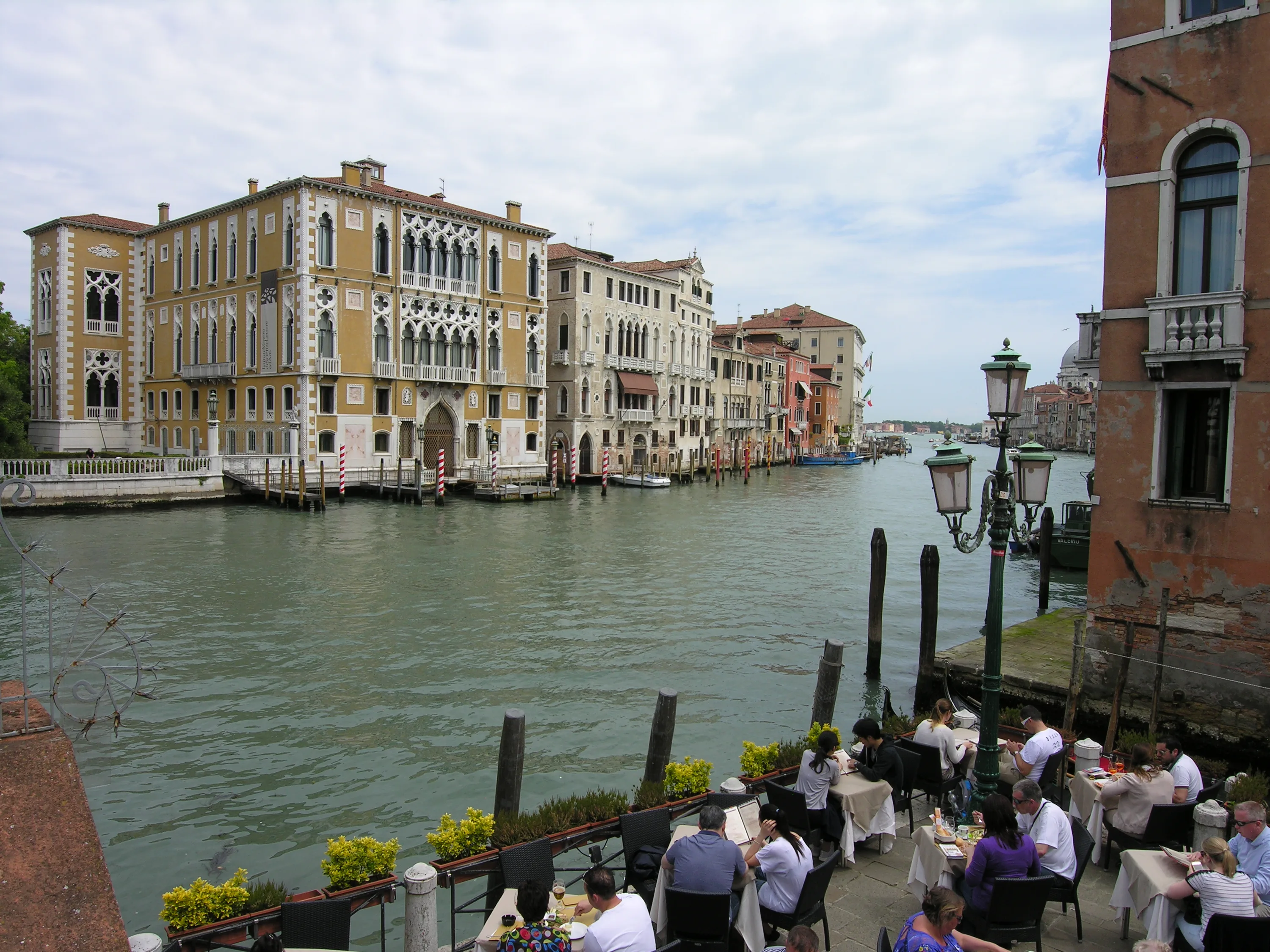
Instead, they chose Palazzo Pisani Moretta, an ornate 15th-century palace located directly on Venice’s Grand Canal.
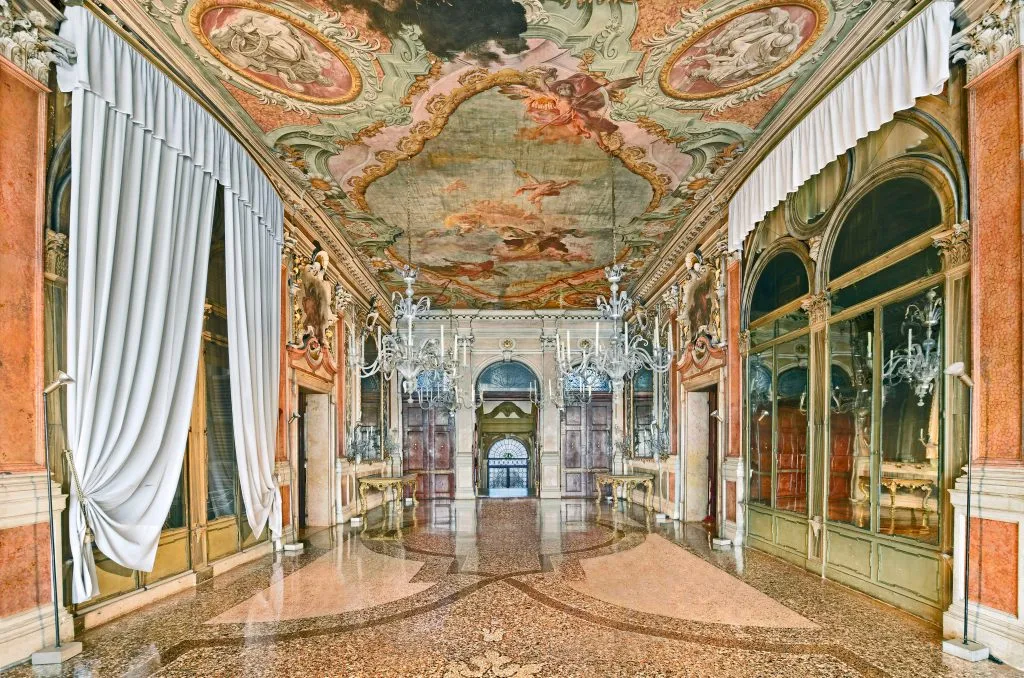
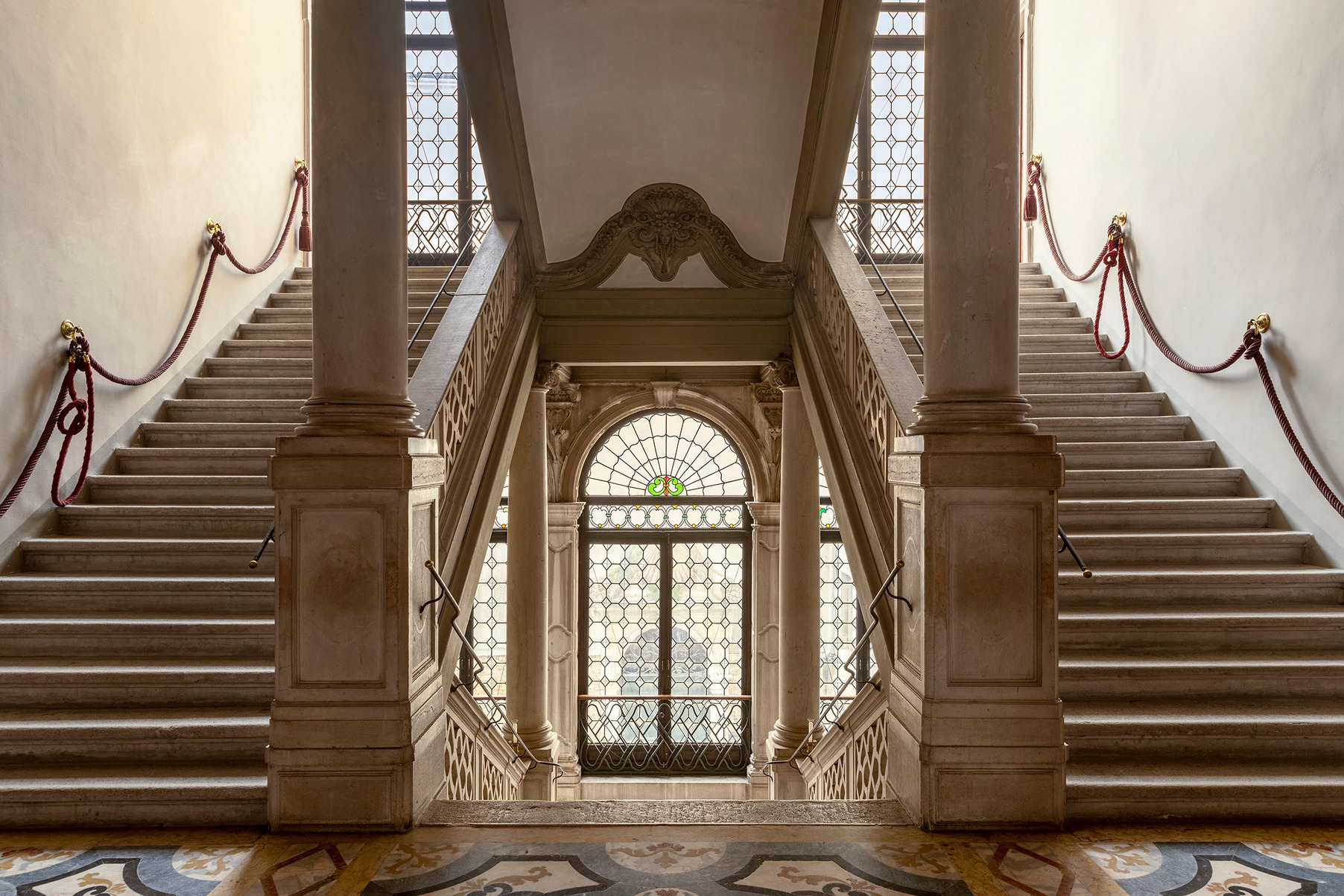
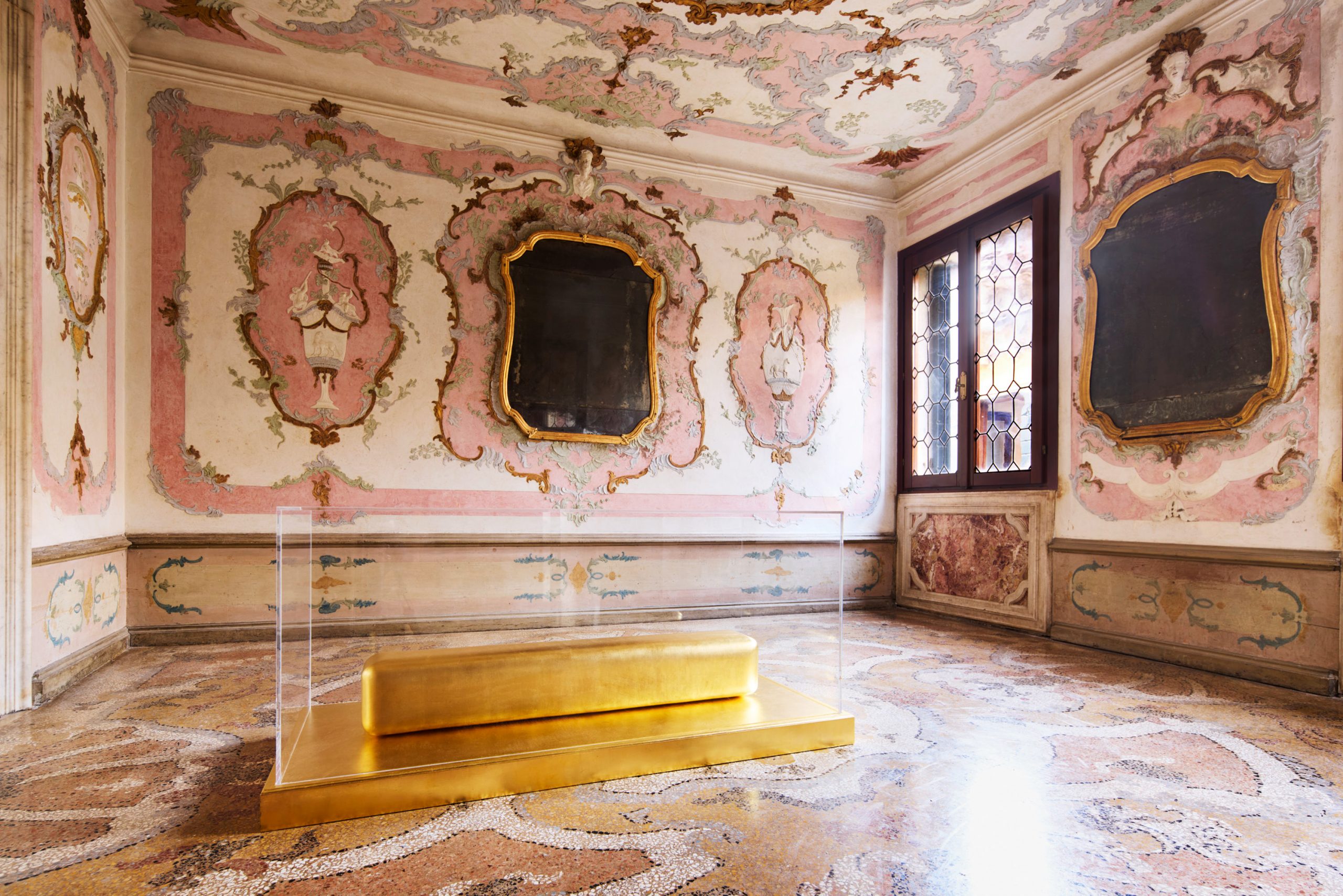
The building was once home to the noble Pisani family. Its interiors feature marble floors, chandeliers, decorated ceilings, and historic frescoes linked to Giovanni Battista Tiepolo and Jacopo Guarana.
This is almost the opposite of the restrained exhibition space Van Noten originally expected to find.
However, the character of Palazzo Pisani Moretta ultimately became central to Fondazione Dries Van Noten’s identity. Rather than separating contemporary creativity from the past, the foundation allows art, fashion, design, and craftsmanship to interact with the palace’s history.
The project also marks an important new chapter in Van Noten’s career. He stepped away from his fashion house in 2024, and the Venice foundation became one of his first major creative projects after leaving the regular fashion calendar.
The idea developed over many years through conversations between Van Noten and Vangheluwe about what a creative life could become beyond seasonal collections and commercial production.
The Only True Protest Is Beauty
The inaugural exhibition at Fondazione Dries Van Noten is titled «The Only True Protest Is Beauty.»
Presented across 20 rooms and three floors of Palazzo Pisani Moretta, the exhibition brings together more than 200 objects.
The presentation moves fluidly between contemporary art, fashion, jewelry, collectible design, photography, ceramics, glass, and other forms of creative production.
Van Noten developed the exhibition with Geert Bruloot, the Belgian curator and retailer who has collaborated with him for many years.
Rather than organizing the works by traditional categories, the exhibition creates dialogues between materials, techniques, periods, and creative disciplines. Historic interiors become part of the experience, while clothing, sculptures, objects, and artworks are treated as expressions of the same human desire to create something meaningful.
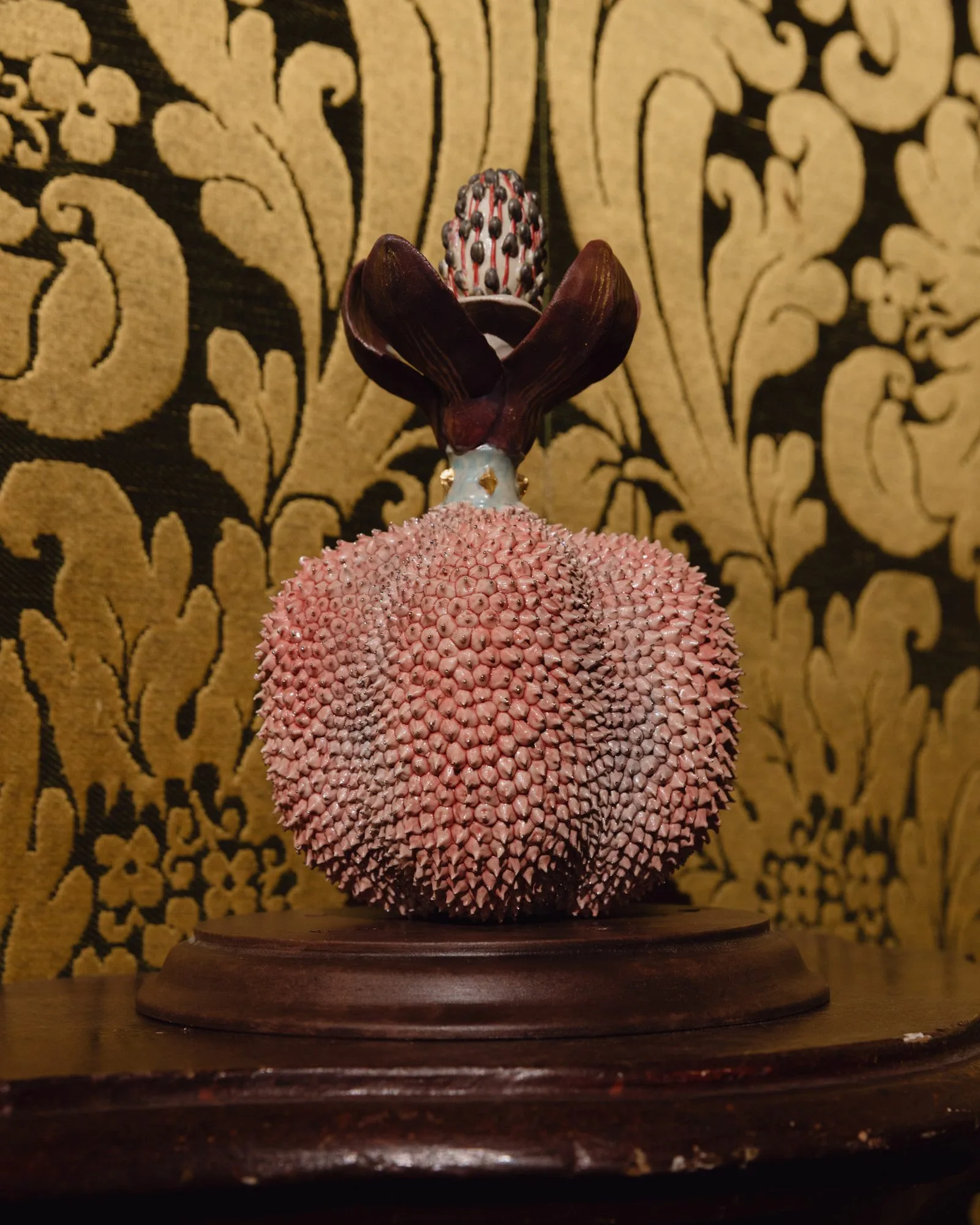
The exhibition places particular emphasis on craftsmanship.
For Van Noten, craft is not merely a decorative skill. It carries knowledge, identity, and cultural memory. A handmade garment, a ceramic object, or a piece of jewelry can reveal the history of a place and the experience of its creator.
This approach also explains why Fondazione Dries Van Noten does not function as a museum devoted exclusively to the designer’s own career. Its mission is broader.
The foundation aims to support creative exchange between art, fashion, design, architecture, and traditional craftsmanship.
«The Only True Protest Is Beauty» runs from April 25 to October 4, 2026.
After the exhibition closes, Palazzo Pisani Moretta will undergo a major restoration led by Venetian architect Alberto Torsello. The work will prepare the building for its new cultural role while preserving its historic structure and decorative character.
During the restoration, the foundation plans to continue its activities through Studio San Polo, a second Venice location designed for more experimental projects and creative practices.
Nicoletta Fiorucci Creates a Space for Artistic Experimentation
Dries Van Noten is not the only private patron establishing a new cultural institution in Venice.
Italian collector and philanthropist Nicoletta Fiorucci opened the Venetian home of the Nicoletta Fiorucci Foundation after returning to Italy from London.
Fiorucci discovered a historic palazzetto in Venice’s Dorsoduro district. Behind its relatively modest exterior was a building containing architectural elements from several periods, some dating back to the 15th century.
The property had once been the home and studio of Venetian painter Ettore Tito, an important figure in Italian art during the late 19th and early 20th centuries.
Rather than transforming the building into a polished white-cube gallery, Fiorucci decided to preserve much of its unfinished and time-worn character.
The result is closer to an artist’s studio than a conventional exhibition space.
The foundation invites one artist to live and work in the building for an extended period, allowing the architecture, history, and social environment of Venice to become part of the artistic process.
For the foundation’s first major Venice project in 2025, Georgian artist Tolia Astakhishvili spent several months working inside the building. The artist responded directly to its damaged surfaces, hidden histories, and changing spatial conditions.
In 2026, British-Algerian artist Lydia Ourahmane presented «5 Works,» a solo exhibition curated by Polly Staple.
Ourahmane’s project developed through her engagement with Venice, its workers, communities, materials, and overlooked systems. Rather than treating the city as a decorative backdrop, the artist used it as an active source of relationships and ideas.
This model represents a different form of private art patronage. The collector is not merely purchasing finished artworks. The foundation provides artists with time, space, and freedom to create work that may not be possible within the commercial gallery system.
Laurent Asscher Builds AMA Venezia in a Former Soap Factory
Belgian collector Laurent Asscher took a different approach when creating AMA Venezia.
Asscher had previously displayed works from his collection in a private residence in Venice, especially during the Venice Biennale. Over time, however, he wanted a larger and more flexible space where the collection could be shared with a broader audience.
Instead of choosing another ornate palace, Asscher sought an industrial building.
He eventually found a former soap factory in Venice’s Cannaregio district.
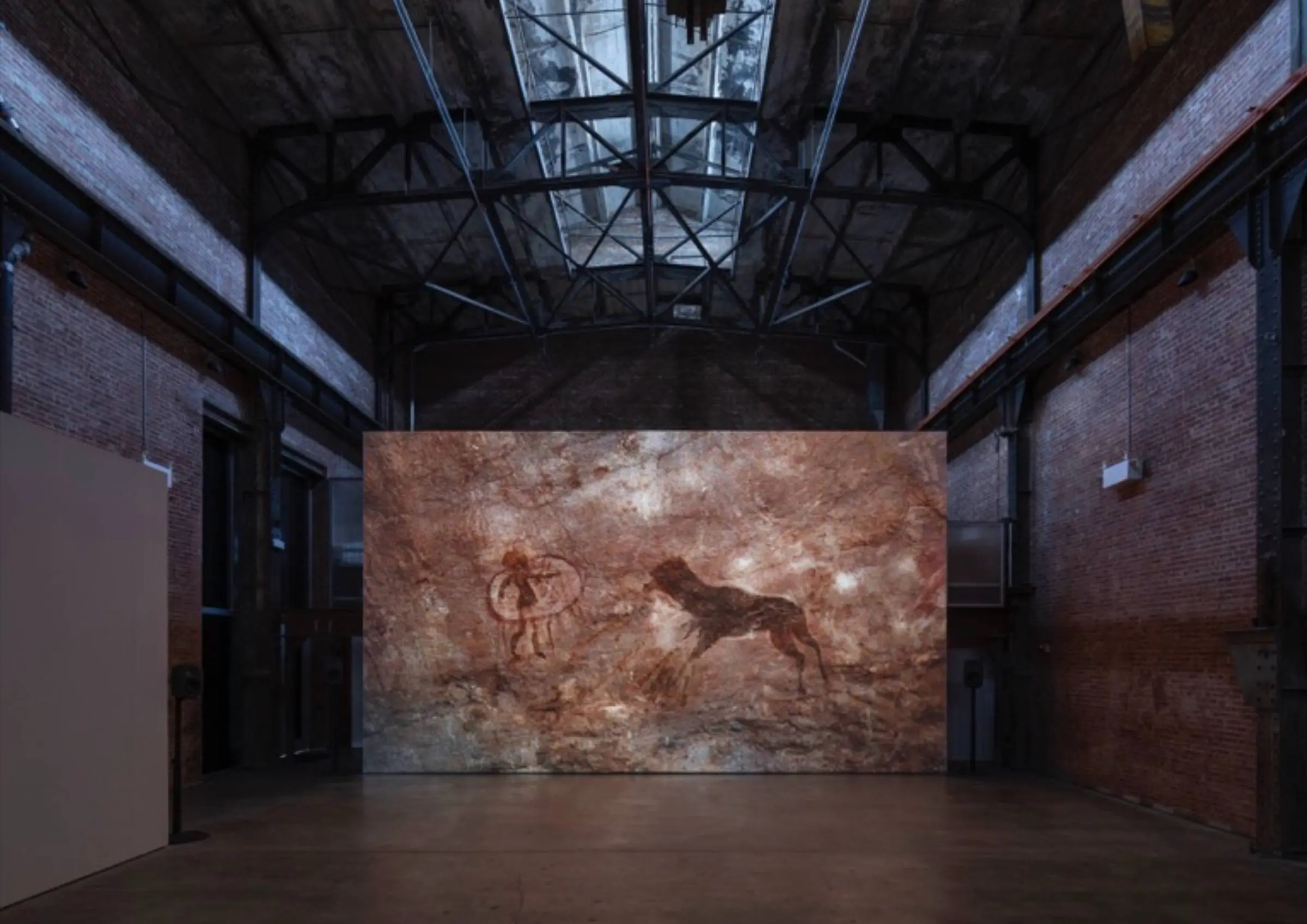
The 16th-century red-brick structure offers approximately 1,000 square meters of exhibition space. Its high ceilings, reaching around 14 meters in some areas, allow AMA Venezia to present large installations, video works, performances, and ambitious multimedia exhibitions.
The building was renovated only where technically necessary. Its industrial scale and centuries-old architectural character remain visible.
AMA Venezia opened in 2025 as a platform for Asscher’s collection, new commissions, and artistic experimentation. Its inaugural presentation included works by artists such as Lauren Halsey, Brice Marden, Rudolf Stingel, and Jordan Wolfson.
The institution’s later program has featured or announced works by Sang Woo Kim, Brandon Morris, Arthur Jafa, and Tino Sehgal.
AMA Venezia demonstrates how a private collection can evolve into a public-facing cultural institution. Artworks once seen mainly by invited visitors can now participate in a broader conversation involving international audiences, local communities, artists, and curators.
Why Private Art Foundations Are Choosing Venice
The arrival of these foundations is part of a much larger development.
Fondazione Prada established its Venice venue at Ca’ Corner della Regina in 2011. The Peggy Guggenheim Collection has played a major role in the city’s modern art history for decades, while Fondazione Bevilacqua La Masa has supported generations of young artists.
More recent arrivals include Berggruen Arts & Culture, the Anish Kapoor Foundation, the San Marco Art Centre, and Fondazione Sandretto Re Rebaudengo.
Each institution has a different purpose, collection, and architectural identity. However, they share an interest in connecting contemporary creativity with Venice’s extraordinary historical environment.
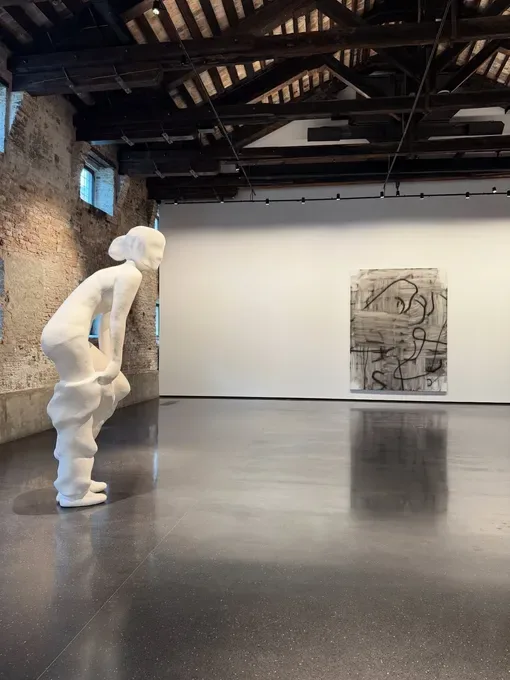
The city presents obvious challenges. Historic buildings require complex permissions, specialist restoration, and careful conservation. Moving large artworks through narrow streets and canals can be expensive and technically demanding. Rising water levels, tourism pressure, and the decline of the permanent population add further concerns.
Yet Venice also offers something increasingly rare.
It provides a setting where art, architecture, history, and everyday life remain closely intertwined. The city encourages cultural institutions to think beyond short exhibition cycles and commercial trends.
For collectors and patrons, opening a foundation in Venice can become a way to engage in the city’s future rather than merely owning property or displaying a private collection.
From Private Collecting to Public Responsibility
The growth of private art foundations raises important questions about the evolving role of collectors.
A major collection no longer needs to remain confined to a private home or storage facility. It can become the foundation for an exhibition program, artist residency, educational platform, or cultural center.
Dries Van Noten wants his foundation to become part of Venetian life, with programs involving students, artisans, younger creatives, and local communities.
Nicoletta Fiorucci supports artists by offering a historic building as a space for experimentation and long-term research.
Laurent Asscher uses AMA Venezia to make his collection accessible while supporting ambitious contemporary projects.
These models show that collecting can become more than the accumulation of valuable objects.
At its most meaningful, art collecting can preserve craftsmanship, support artists, restore historic buildings, and create cultural opportunities for future generations.
Venice’s newest private foundations are therefore not just additional destinations for international art visitors. They represent a broader transformation in the relationship between collectors, cities, and cultural responsibility.
As private patrons increasingly turn their collections into active institutions, the influence of collectors will be measured not only by what they own but also by what they make possible.