Nigeria Focus: Connecting Lagos and Johannesburg
One of the defining features of RMB Latitudes 2026 was Nigeria Focus.
The programme highlighted Nigerian contemporary art through a cross-border initiative connecting West and Southern Africa.
It began with an exhibition in Lagos on April 15, 2026, before continuing at RMB Latitudes in Johannesburg.
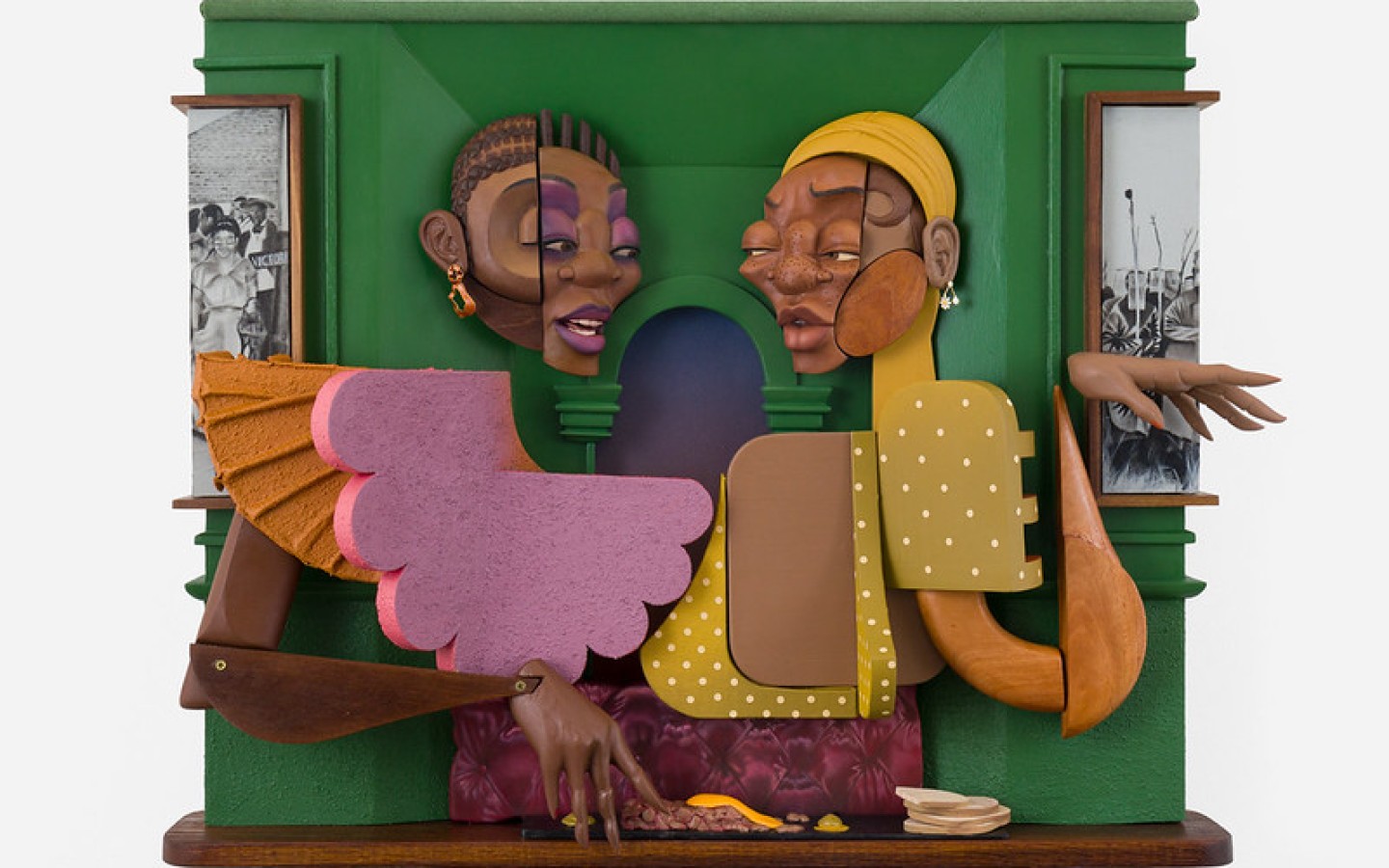
Participating artists included Adetutu Abediran, Adaoma Nnabeze, Benson Apah, Caroline Useh, Chidinma Mordi, Jemiye Ugwujide, Tola Wewe and others.
The initiative provided opportunities for artists to reach new audiences, collectors, and cultural professionals beyond their immediate national markets.
Nigeria Focus was particularly significant because it treated African artistic exchange as a relationship between different creative centres on the continent rather than focusing exclusively on connections with Europe or North America.
For visitors, it offered an opportunity to explore artistic practices emerging from one of Africa's most vibrant contemporary cultural environments.
INDEX 2026: A Platform for Independent Artists
INDEX was another important component of the 2026 fair.
Presented in partnership with the National Arts Council of South Africa, the initiative supported independent and emerging visual artists.
Its purpose was to address a familiar problem in the art world: artists often need commercial gallery representation to access important collecting opportunities, but obtaining that representation can itself be challenging.
INDEX created a dedicated space for artists operating outside conventional gallery structures.
The 2026 collaboration emphasized sustainable artistic careers, greater professional visibility, and more equitable access to the market.
This was a particularly relevant initiative within a fair that has consistently positioned itself as a platform for discovering artistic talent.
Rather than treating emerging artists as a secondary attraction, INDEX placed their work within the main event.
Special Projects and Featured Presentations
RMB Latitudes 2026 included several presentations extending beyond standard gallery exhibitions.
The ESSAY project explored relationships between artistic practices and historical perspectives through a presentation titled Counterpoint: Jan Neethling with Robert Hodgins.
The Round Room featured a presentation by Dada Khanyisa, whose work explores contemporary social life through distinctive approaches to painting and sculptural construction.
Botswanan artist Naledi Maifala, winner of the 2025 ANNA Award, presented a solo exhibition titled Now Is Enough.
The fair also included RMB Talent Unlocked, a Nike Air Max Residency presentation, and additional independent projects.
Together, these initiatives created space for different generations of artists and varied approaches to artistic production.
Design Showcase: Beyond Contemporary Art
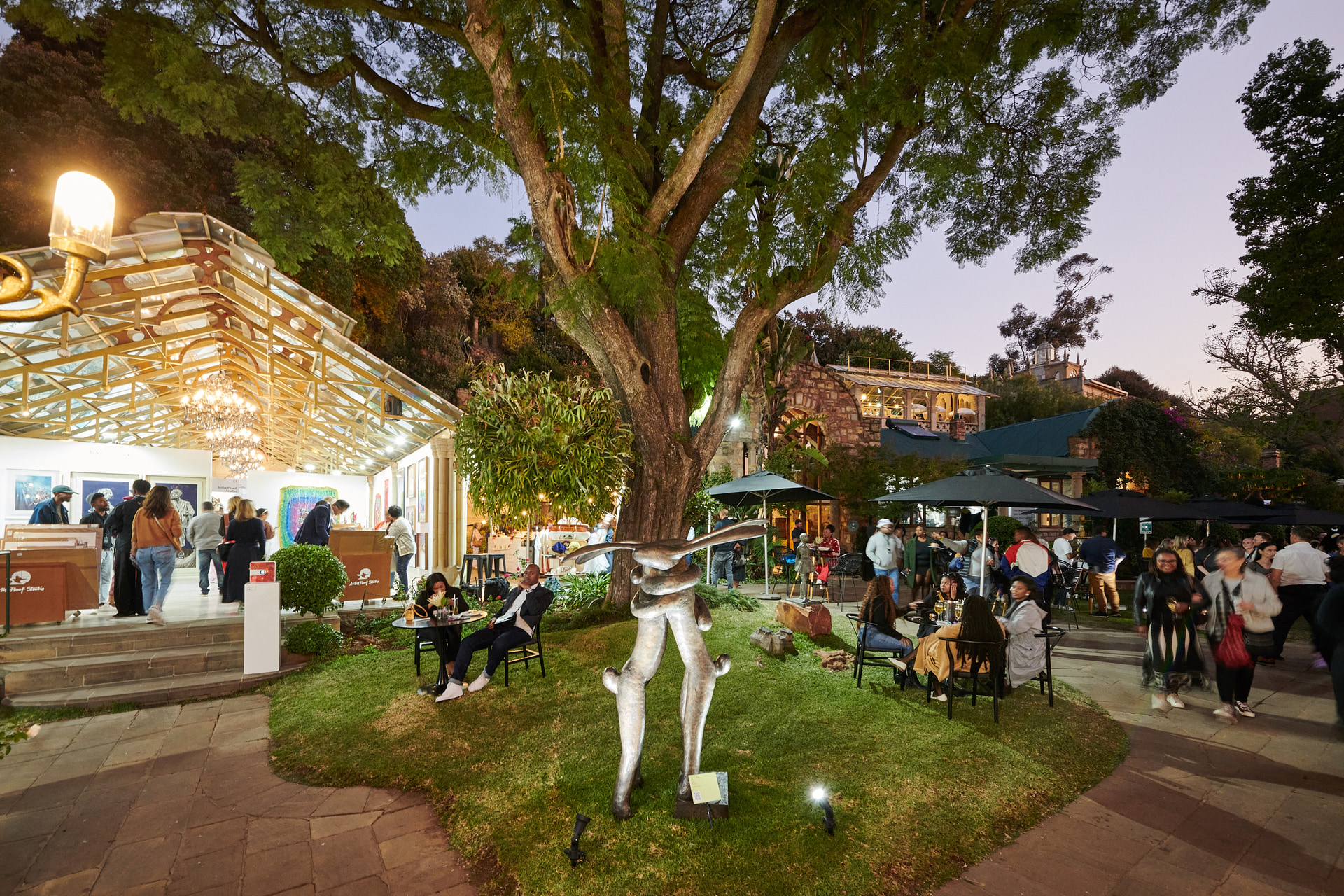
Design Week South Africa collaborated with RMB Latitudes on a dedicated Design Showcase.
The 2026 presentation included more than 25 African brands across four design spaces.
Participants represented jewelry, ceramics, furniture, lighting, fashion accessories, and other forms of contemporary design.
Among the featured names were PICHULIK, Cape Cobra Leathercraft, Bumba Souled Ceramics, and several independent African design studios.
The presentation also included Heart of Oasis, a sculptural lighting installation by David Garra.
Botanical installations introduced additional relationships between natural materials, architecture, and contemporary design.
The showcase reflected the fair's interest in the wider creative economy, where boundaries between fine art, craft, and functional objects are increasingly fluid.
Latitudes Live: Conversations, Performance and Technology
The 2026 public programme was developed around the Oasis theme.
Rather than relying exclusively on conventional panel discussions, Latitudes Live combined conversations with performance, music, dance, and experimental presentations.
The Friday programme included a session with Johannesburg-based cultural worker Thulile Gamedze, whose practice engages with textiles, history, and critical writing.
Fak'ugesi contributed programming exploring African storytelling, immersive technologies, artificial intelligence ethics, and cultural memory.
These sessions connected contemporary artistic production with questions about how technology changes the preservation and transmission of knowledge.
Saturday's programme included presentations by artist Reggie Khumalo and performances by Joburg Ballet.
Sunday introduced conversations about collective art ownership, cultural entrepreneurship, and the role of creative industries in Johannesburg's urban regeneration.
The result was a programme in which artistic practice was discussed alongside the economic and social conditions necessary to sustain it.
African Digital Art and Immersive Storytelling
Digital culture formed an important part of the wider programme associated with RMB Latitudes 2026.
Fak'ugesi collaborated on discussions and presentations examining immersive technologies, artificial intelligence, and African storytelling traditions.
An associated programme at the Wits Anglo American Digital Dome introduced audiences to immersive African creative projects.
These included Kancícà, a work connecting historical memory, migration, and the Atlantic slave trade through animation and visual storytelling.
Another presentation, Kwasukasukela, explored contemporary African creation mythology through poetry, music, and AI-generated audiovisual elements.
Such projects demonstrated how emerging technologies can be used to explore cultural histories rather than simply imitate international digital-art trends.