









Paris Art Fairs in Early 2027: January Encounters and April Perspectives
Two Paris fairs in the opening months of 2027 offer different routes into contemporary art. art3f Paris takes place on 22–24 January at Paris Expo Porte de Versailles. Art Paris follows on 1–4 April at the Grand Palais, with an Australian guest programme and focused curatorial routes.
The gap is too large for one continuous fair itinerary, which makes the comparison useful before a trip is chosen. January suits readers drawn to direct conversation with artists and galleries. April offers a more structured encounter with gallery programmes, historical reappraisal and international themes.
The early 2027 calendar
|
Event |
Venue |
Announced public dates |
|
art3f Paris 2027 |
Paris Expo Porte de Versailles |
22–24 January 2027 |
|
Art Paris 2027 |
Grand Palais |
1–4 April 2027; invitation-only opening preview 31 March |
January: begin with the person presenting the work
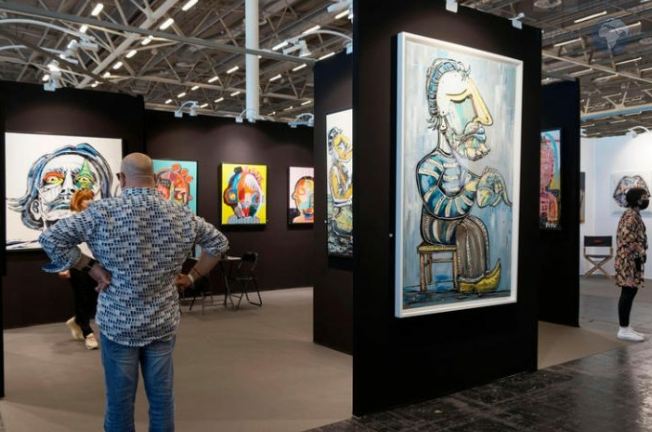
art3f Paris 2027 brings artists and galleries into a setting intended to make contemporary art approachable. Painting, sculpture and photography give the visitor several ways to begin. A conversation can start with an individual work rather than with prior knowledge of a gallery’s entire programme.
That directness is particularly useful when looking at how something was made. A surface, a repeated image or a choice of scale can become clearer through a precise question. Compare more than one work before deciding that a single striking piece represents the whole practice.
We would choose this visit for readers who enjoy an open-ended first encounter. The opportunity is strongest when the conversation helps a visitor articulate a preference, including the reasons a work continues to matter after the first attraction.
April: follow a curatorial thread across galleries
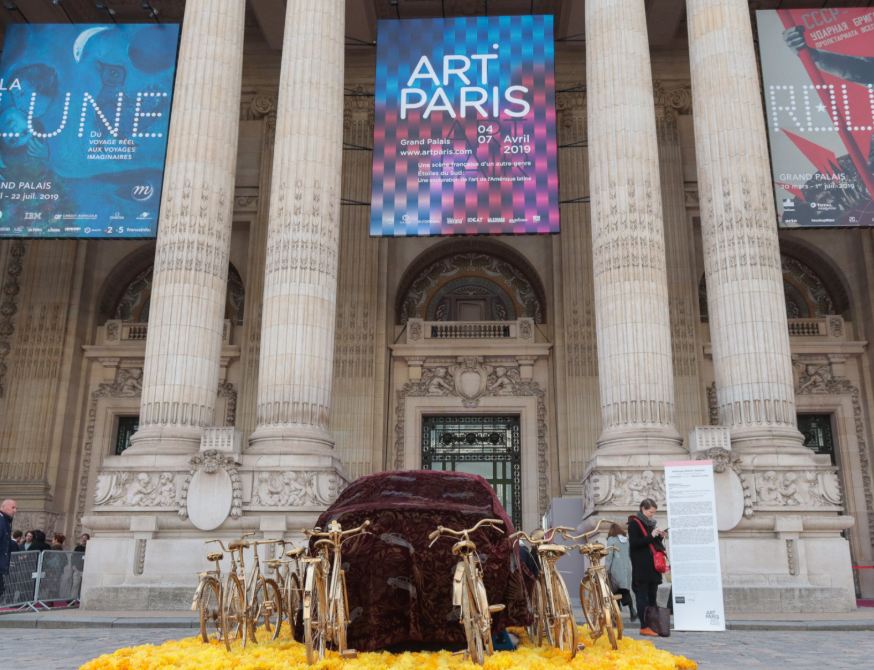
Art Paris 2027 returns to the Grand Palais with Australia as guest of honour. Daria de Beauvais curates that focus, while Keren Detton’s Multitudes – The Social Fabric considers bodies and collective life through a route across selected works. The new Histories sector revisits artists and movements from the 1960s to the 1990s.
These strands give readers specific reasons to attend. The Australian programme can widen a view of an artistic scene that receives uneven European attention. Histories can change the account of where a contemporary concern began. A thematic route may create a connection between stands that would otherwise be visited separately.
The fair also makes room for focused artist presentations, younger galleries and contemporary design. Avoid turning the sections into a checklist. Choose the strand that most interests you and give several works time to develop its argument.
Which visit fits your interests?
Choose January if direct access to the people presenting a work is central to the trip. Choose April if you want to investigate a particular curatorial framework or compare contemporary work with later twentieth-century practices. These are differences in emphasis rather than rigid limits on what either event can offer.
If visiting Paris twice, keep a small record of what interested you in January. A material or formal question can be carried into April without expecting the same artists to appear. Seeing a preference evolve over several months is one of the pleasures of returning to the city’s art calendar.
Plan the two settings separately
Porte de Versailles and the Grand Palais require different journeys. Use the correct venue address and allow time for entrance checks. Art Paris’s ordinary public opening begins at midday; its morning previews and 31 March opening preview require the relevant invitations.
Each fair has its own admission arrangements. Gallery appointments and museum exhibitions elsewhere in Paris also have independent hours. Building the wider trip around actual opening times leaves more room for the kind of unhurried looking that a fair visit often starts.
What to ask in each setting
In January, a productive conversation might begin with a decision you can point to: the rough edge of a painted shape, the repeated image in a photograph or the relationship between a sculpture and its base. Ask why that choice was made. If the artist is present, follow the answer through another work. If a gallery is presenting the piece, ask how the displayed selection relates to its programme. Personal contact is valuable when it deepens the encounter with the art.
April allows a different kind of comparison. In Histories, look at a work’s date before interpreting it through a current theme. Ask which works establish the artist’s development and whether the presentation brings together pieces from different moments. A rediscovered practice becomes more convincing when the objects reveal an actual experiment, rather than merely illustrating a biography.
With the Australian focus, begin by identifying the artist and the specific place or history relevant to the work. The programme includes Indigenous and non-Indigenous voices, whose practices will not share one explanation. A recognisable material or an apparent landscape should be a starting point for enquiry. It is a poor basis for guessing cultural meaning.
The two trips also suit different records. For January, keep the maker’s or presenter’s details beside the work that prompted the conversation. For April, record the section and curator as well, so that a later memory of a theme does not swallow the individual artist. Neither method requires an encyclopaedic list of everything seen.
If planning only one journey, make the decision before booking additional cultural visits. January and April are separated by more than two months. There is no need to force them into one narrative: a direct encounter in winter and a historical argument in spring are each sufficient reasons to travel.
Editor’s Note
The direct-contact format of art3f offers something worth defending: a visitor can begin with an object and ask how it came into being. Our reservation would be a visit in which a persuasive personal story replaces judgement of the work. The most generous conversation returns attention to choices visible in the painting, photograph or sculpture.
Art Paris’s 2027 programme makes a stronger curatorial proposition. Histories can reopen the later twentieth century, while the Australian focus can change a European audience’s field of reference. These programmes will succeed where they complicate easy classifications and give individual artists greater specificity. A large national presentation is only as illuminating as the distinctions it permits.
We would choose between the trips according to the kind of encounter a reader wants, without placing personal contact below curatorial knowledge. Both can open an artistic practice; both can also overwhelm it with explanation. The best reason to return to Paris is a work whose decisions continue to demand attention after the conversation or thematic route has ended.