









Latin American Art Fairs in the First Half of 2027: Mexico City and Lima
Contemporary Latin American art becomes more engaging when a calendar preserves its distinctions. In February 2027, Mexico City offers ZONAMACO’s broad collecting platform alongside Salón ACME’s artist-led selection. In April, Pinta Lima brings a regional gallery dialogue to Casa Prado in Miraflores.
This is a focused selection of three announced events in two cities. The comparison concerns how art reaches a visitor: through multiple collecting fields, an open-call selection, or a gallery’s coherent proposal. These formats can reveal different aspects even when a reader follows the same medium across them.
The first-half 2027 calendar
|
Event |
City and venue |
Announced edition period |
|
ZONAMACO 2027 |
Mexico City, Centro Banamex |
3–7 February 2027 |
|
Salón ACME 2027 |
Mexico City, Proyectos Públicos, General Prim |
4–8 February 2027 |
|
Pinta Lima 2027 |
Lima, Casa Prado, Miraflores |
22–25 April 2027 |
The table shows each event’s announced dates. Preview categories and daily public opening times should be checked separately before selecting admission.
ZONAMACO: a dialogue between collecting fields
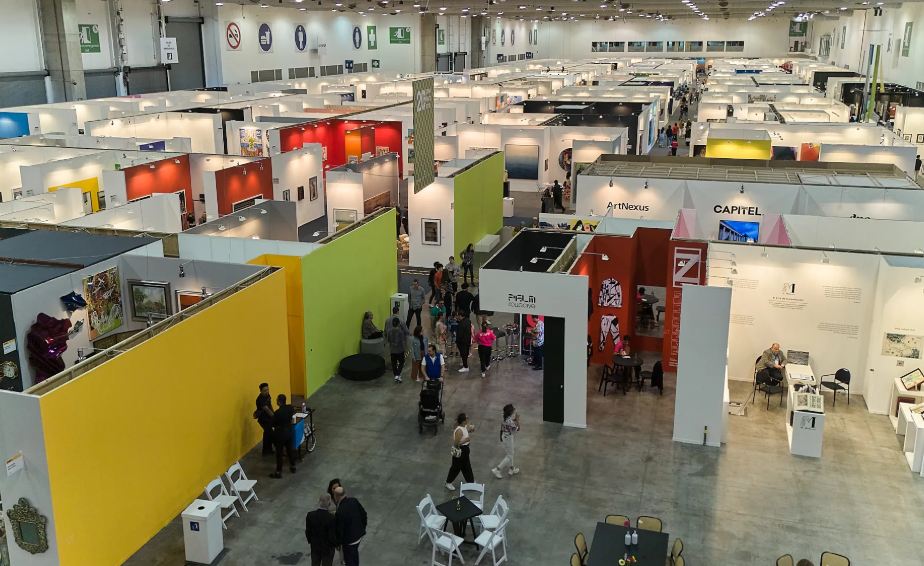
ZONAMACO 2027 offers a broad February destination in Mexico City. Its platform brings contemporary art into contact with design, antiques, and photography. This range can benefit a reader whose interests cross conventional boundaries between objects.
Start with the area you know best, then let a neighboring field complicate it. A sculptural object, a designed object, and a photograph may share an apparent form while posing different questions about making, use, and circulation. The presenter’s explanation should clarify these distinctions.
We would recommend ZONAMACO for readers who enjoy a large gallery and collecting environment. Its greatest value is the opportunity for precise comparison within that breadth, rather than the impression of having surveyed every stand.
Salón ACME: meet an artist through a different selection
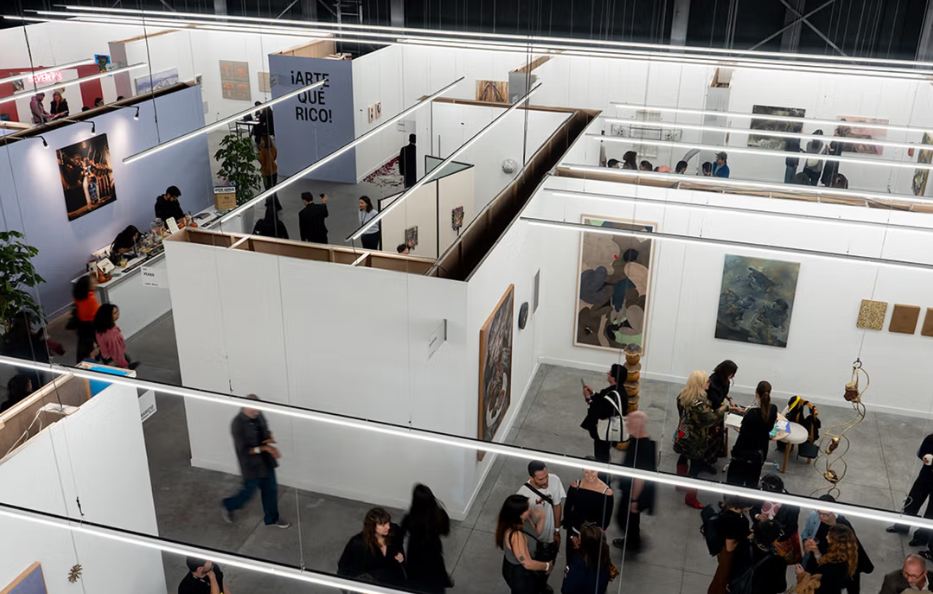
Salón ACME 2027 announces its fourteenth edition from 4–8 February at Proyectos Públicos in Colonia Juárez. Its open-call structure gives the event a different starting point from a fair mainly organized around gallery stands. The selected artist enters the conversation through this process.
This distinction can be important for discovery. A reader may encounter a practice without an existing gallery narrative determining how it should first be understood. Look at the work, read its identifying information, and ask how the displayed piece relates to a larger body of production.
ACME is the choice here for visitors who want to explore how artists become visible. The selection and architectural setting give this inquiry a particular form. The final 2027 artist list should guide expectations once announced.
Pinta Lima: a gallery proposal with regional depth
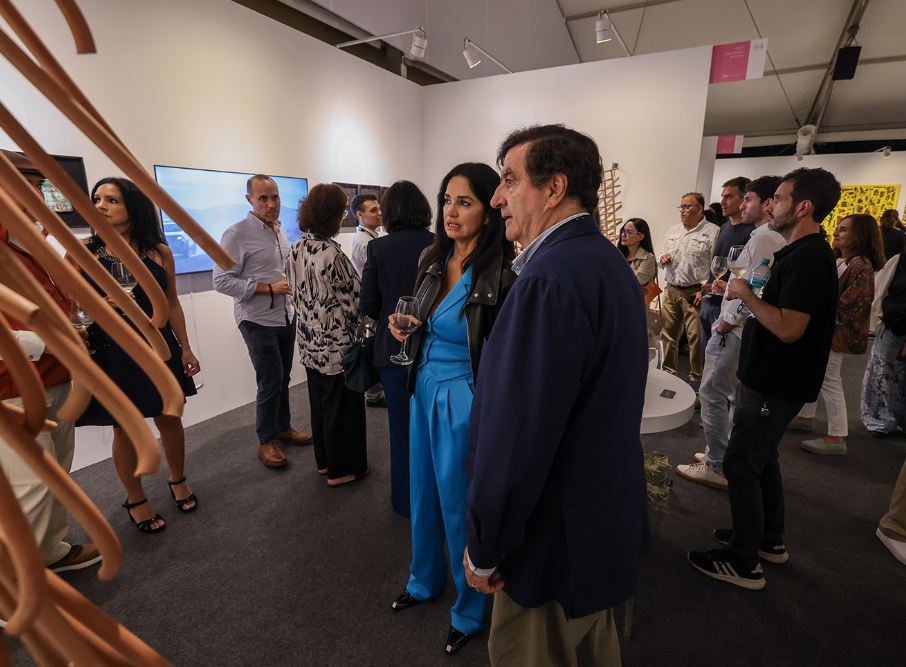
Pinta Lima 2027 takes place from 22–25 April at Casa Prado in Miraflores. Its fourteenth edition brings together a main gallery section with curated sections including NEXT and RADAR. The 2027 application asks galleries to connect their artists, written concept, and spatial proposal coherently.
This emphasis offers a useful way to visit. Ask why the works were assembled in this particular arrangement and how the proposal relates to the gallery’s ongoing program. A stand can reveal a regional artistic relationship through a small number of carefully chosen objects.
Lima is the stronger choice for readers who want that gallery conversation to anchor a Peruvian visit. Its place in the wider Latin American network becomes clearer through specific artists and exhibitions, rather than through a single regional aesthetic.
How to choose between the cities
Mexico City offers two different selection models within one February trip. Readers can compare ZONAMACO’s broad collecting environment with ACME’s open-call platform, leaving enough time for the separate venues. Centro Banamex and General Prim are different destinations with independent admissions.
Lima provides an April opportunity within its own artistic and urban context. The interval between the two cities means they should be planned as separate trips. A question discovered in February can still be pursued through a gallery in April without assuming the same artists or works will appear.
For all three events, keep the name of the presenting gallery or selection platform with the artist’s details. This information helps continue the investigation after the concentrated fair environment has ended.
Follow the work beyond its first label
The terms used to introduce a work can become shortcuts too quickly. ‘Latin American’, ‘emerging’, and ‘experimental’ each group artists whose methods may have little in common. At any of these events, choose one physical detail to investigate: a repeated mark, a change in a photographed landscape, or the way a textile occupies a wall. The answer should belong to this particular practice.
The distinction between selection models becomes useful here. At ZONAMACO, ask how the work fits the gallery’s wider program and which other works clarify it. At ACME, ask what can be learned about the artist beyond the selected piece. At Pinta Lima, consider how the group of works and the stand’s arrangement support the proposed idea. Each question follows the actual way the art has reached the visitor.
Keep February’s discoveries separate from April’s expectations. The value of following the season is not that the same names must recur. A different artist may challenge the assumptions formed on the earlier trip, particularly about what a material signifies or how a place is represented. That disagreement can be a better reason to continue looking than a reassuring visual resemblance.
Editor’s Note
A regional calendar becomes misleading when its geography supplies the interpretation in advance. We would not read a painting from Peru and a work from Mexico as neighbors in art history simply because both appear under a Latin American heading. Their methods, references, and exhibition histories must do that work. This selection is useful precisely because it exposes different mechanisms of visibility.
Mexico City’s February pairing lets the visitor consider the authority of a gallery alongside the authority of an open-call selection. Neither removes the need for judgment. Lima then offers an April setting in which the coherence of a gallery proposal can be examined at closer range. Those differences concern how artists are supported and introduced, not just the atmosphere of the visit.
We would favor a trip that produces a few exact discoveries over a confident claim to understand a region. An artist who alters how we read a material, or a presentation that changes our sense of a local history, is a substantial result. That level of specificity is what makes these fairs worth following across the season.