









Marcel Duchamp was one of the most influential and intellectually disruptive artists of the twentieth century. Through painting, sculpture, wordplay, mechanical experiments, photography, performance, and carefully selected everyday objects, he challenged long-established assumptions about skill, originality, beauty, and artistic authorship. His influence extends across Dada, Surrealism, Conceptual Art, installation, performance, appropriation, and institutional critique.
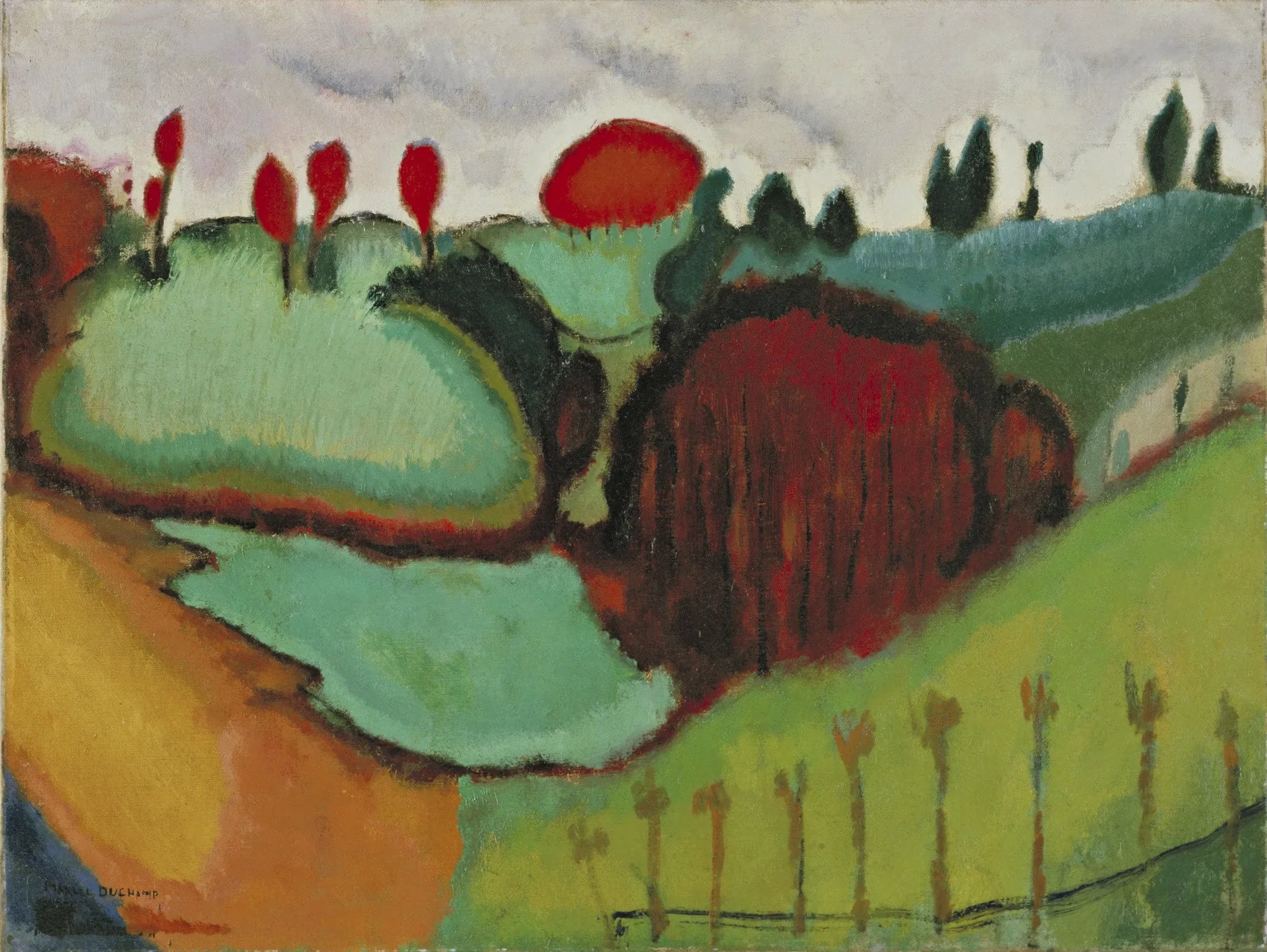
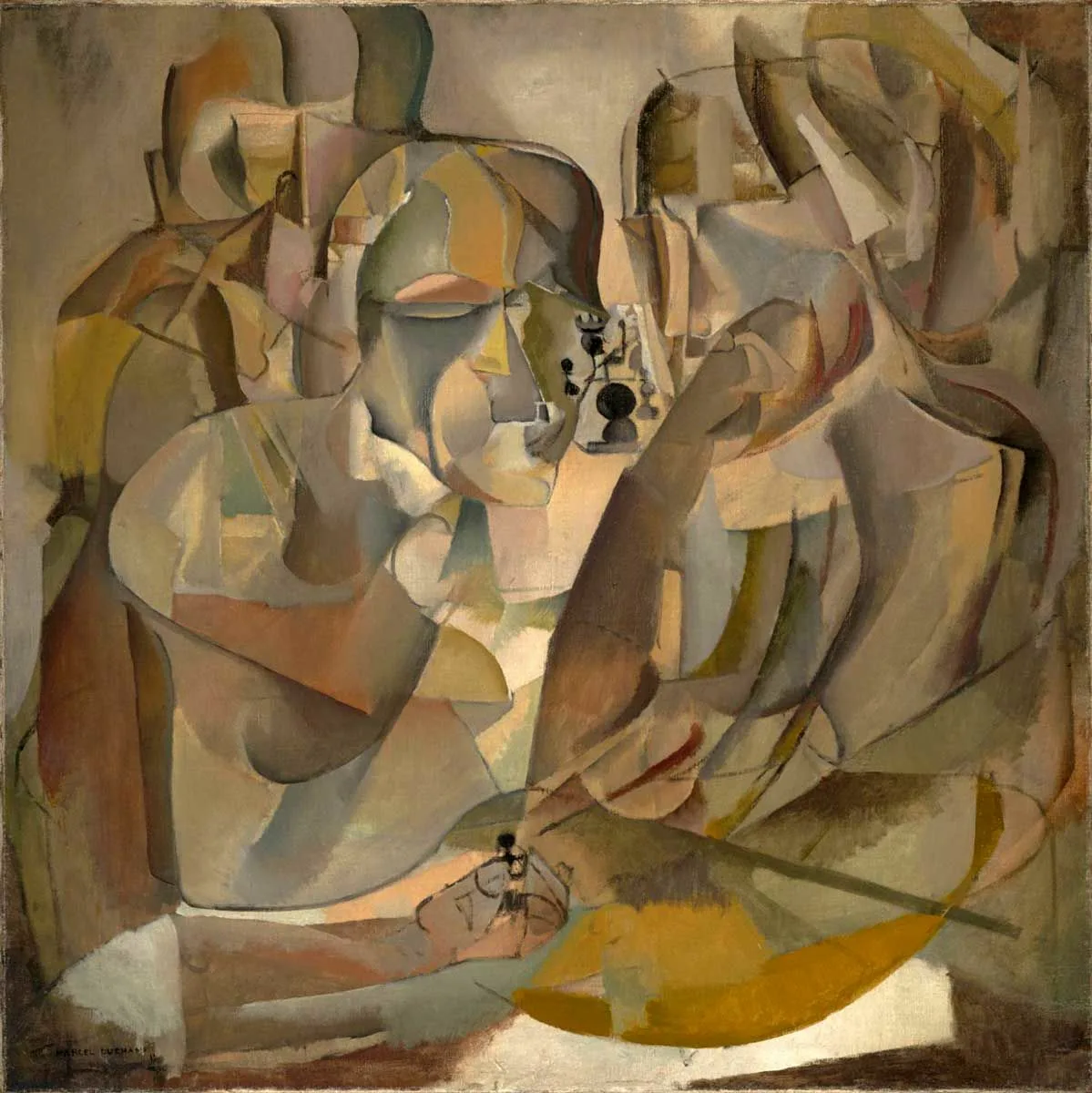
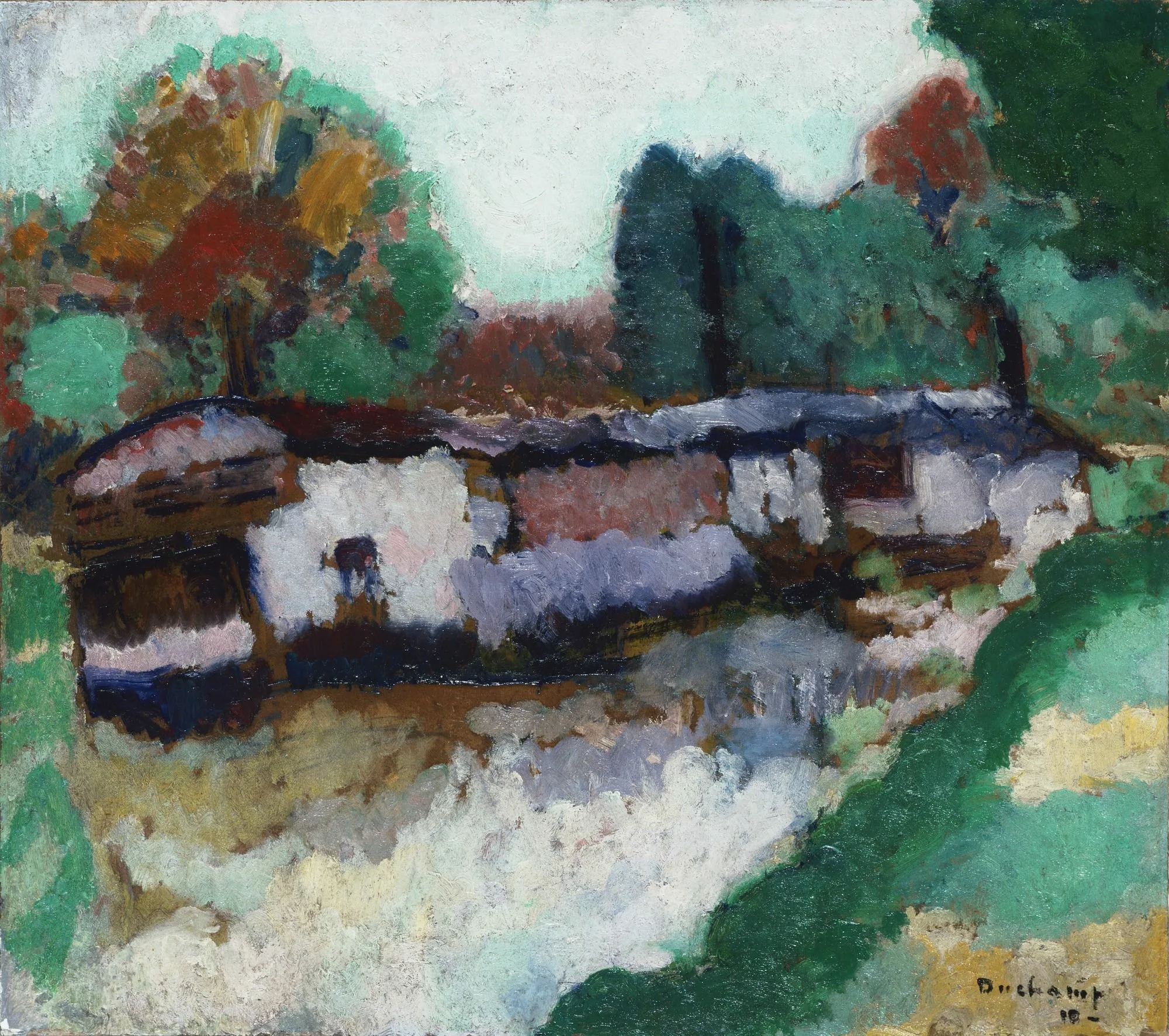
Born in Blainville-Crevon, France, in 1887, Duchamp grew up in a family that included several artists. He began his career as a painter and experimented with Impressionism, Symbolism, Fauvism, and Cubism. Yet he resisted becoming permanently identified with any movement.
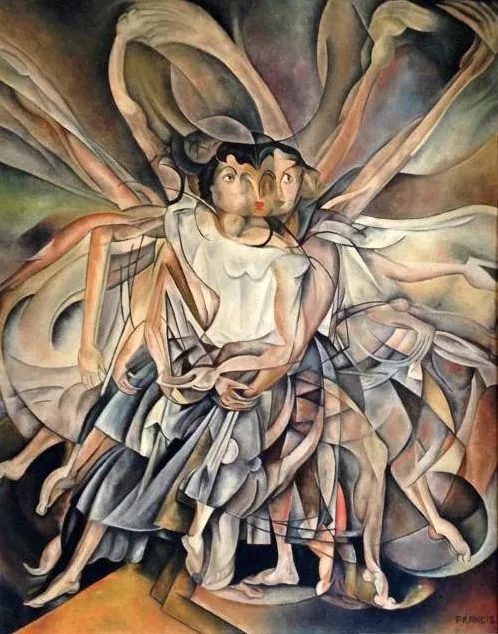
His early masterpiece Nude Descending a Staircase, No. 2 combined fragmented Cubist form with the repetition of Futurist movement. When exhibited at the 1913 Armory Show in New York, it became one of the most controversial and widely discussed works presented to the American public. The painting helped establish Duchamp’s reputation as a radical figure, but he was already moving away from conventional painting.
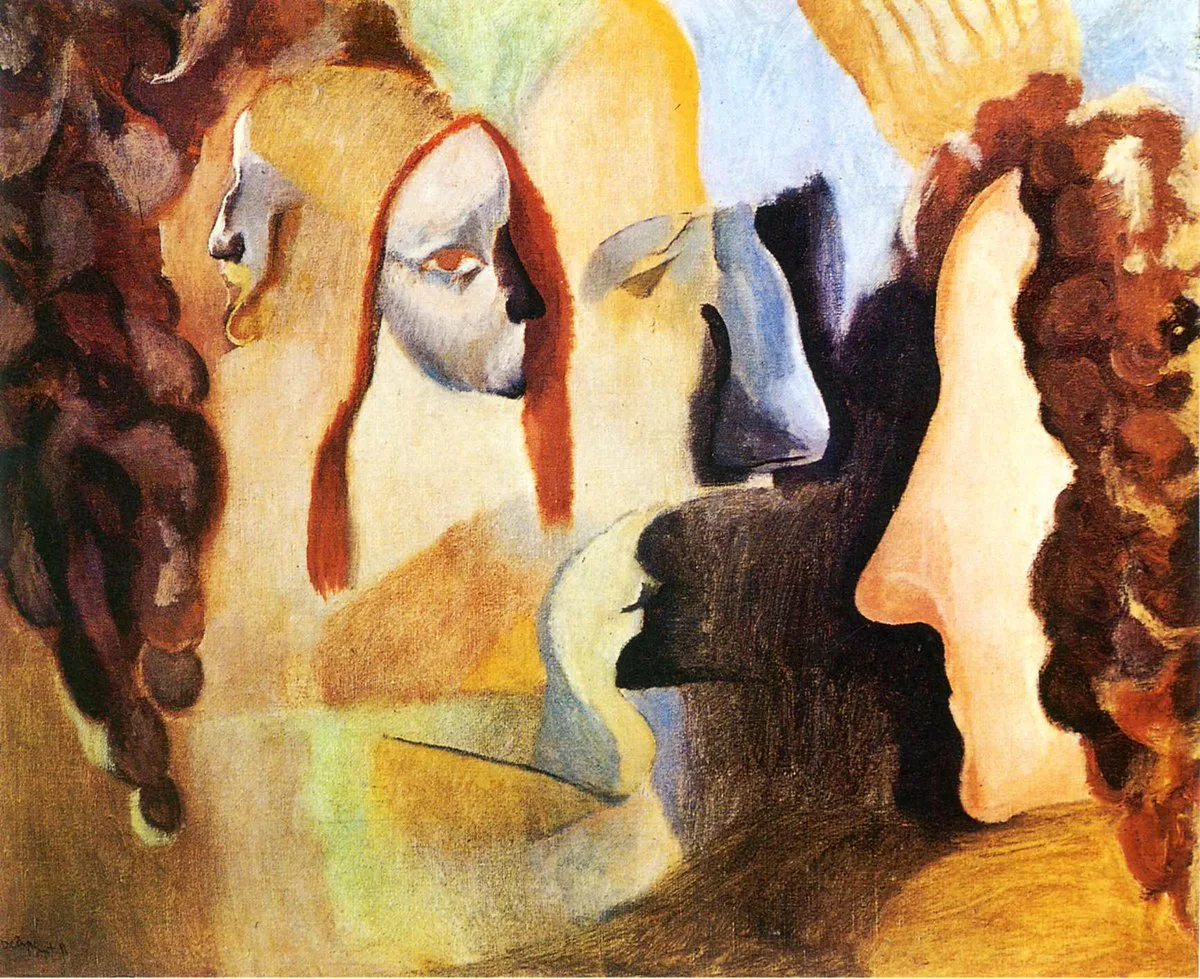
Duchamp increasingly rejected what he described as purely “retinal” art, meaning work intended primarily to satisfy the eye. He wanted art to operate through thought, language, paradox, and decision. This shift would eventually change the definition of artistic practice.
His most revolutionary contribution was the readymade. Rather than fabricating an object by hand, Duchamp selected an existing manufactured item and designated it as art. The artistic act moved from physical craftsmanship to choice, context, and naming. MoMA defines the readymade as a prefabricated object removed from its intended function and elevated to the status of art through the artist’s selection.
Bicycle Wheel, first assembled in 1913, combined a bicycle wheel with a wooden stool. Although it predates Duchamp’s use of the term “readymade,” it is regarded as the earliest example of this category. The object could rotate and fascinated Duchamp as a form of purposeless movement rather than practical machinery.
Other readymades included a bottle rack, a snow shovel, a comb, and a urinal. By presenting these ordinary objects within an artistic context, Duchamp asked whether artistic status depends on material transformation, institutional acceptance, the intention of the artist, or the interpretation of the viewer.
In Advance of the Broken Arm consisted of a commercially manufactured snow shovel hung from the ceiling and given an unexpected title. The object itself remained largely unchanged, but its location and name redirected attention away from use and toward thought.
The most famous and controversial readymade was Fountain, submitted under the name R. Mutt to the Society of Independent Artists exhibition in New York in 1917. The industrial urinal was rejected despite the exhibition’s stated policy of accepting all works from artists who paid the entry fee.
The incident exposed the contradiction between institutional openness and the hidden rules determining what could be recognized as art.
Duchamp’s provocation was not simply that an ordinary object could enter a gallery. He revealed that artistic value is produced through systems of selection, presentation, language, reputation, and institutional power. This insight became foundational to Conceptual Art and remains central to contemporary practice.
Alongside the readymades, Duchamp spent years developing The Bride Stripped Bare by Her Bachelors, Even, commonly known as The Large Glass. Constructed on two glass panels, the work combines diagrammatic forms, mechanical imagery, erotic symbolism, chance operations, and an elaborate fictional narrative involving a bride and nine bachelors.
The transparency of the glass allows the surrounding environment to become part of the work. Cracks produced during transportation were eventually accepted by Duchamp rather than repaired, reflecting his interest in accident and the creative potential of events beyond the artist’s control.
Language was fundamental to his practice. Titles rarely describe the visible object directly. Instead, they introduce puns, double meanings, erotic suggestions, and conceptual complications. A snow shovel becomes In Advance of the Broken Arm, while a miniature French window becomes Fresh Widow. Meaning emerges from the collision between object and phrase.
Duchamp also created the alter ego Rrose Sélavy, whose name contains several layers of phonetic wordplay. Through photographs, signatures, and published materials, the identity became another artistic construction, complicating assumptions about gender, authorship, and personality.
Chess occupied an increasingly important place in Duchamp’s life. His serious commitment to the game contributed to the widespread belief that he had abandoned art. In reality, he continued developing ideas, organizing exhibitions, advising collectors, and secretly working on a final major installation.
That final work, Étant donnés, was created over approximately two decades and revealed only after his death in 1968. Viewers look through openings in a wooden door to encounter a carefully constructed scene beyond it. The work transforms spectatorship into an active and uncomfortable physical experience, showing that Duchamp’s interest in perception and desire never disappeared.
Duchamp’s significance lies in the freedom he gave later artists. After the readymade, art no longer needed to be defined by traditional materials or handcrafted beauty. Instructions, gestures, choices, temporary actions, ordinary products, documentation, and institutional interventions could all become legitimate artistic forms.
At ArtExpoWorld, we consider Marcel Duchamp one of the decisive figures in the transformation of modern art. He shifted attention from how an artwork was made to why it was created, how it was framed, and what questions it produced.
Duchamp’s legacy remains unavoidable because contemporary art continues to operate within the territory he opened. Every debate about originality, authorship, appropriation, context, artistic labor, and institutional authority returns in some way to the questions posed by his readymades.