









Hong Kong Art Fairs in March 2027: Two Fairs, Two Ways into the Week
Hong Kong’s March art week offers an unusually easy calendar overlap and a more demanding artistic choice. Art Central runs from 24–28 March 2027, with a preview on 23 March. Art Basel Hong Kong’s public days are 25–27 March. The three shared public dates make a combined visit possible, but the reason to attend both lies in the differences between their selections.
Art Central’s waterfront structure offers a discovery-led contemporary setting. Art Basel’s convention-centre show places modern and contemporary work within a larger international gallery network. Neither can be understood simply by counting famous artists. The question is which presentations give a work the context that makes it worth remembering.
The March 2027 calendar
|
Event |
Venue |
Announced dates |
|
Art Central Hong Kong 2027 |
Central Harbourfront |
24–28 March 2027; preview 23 March |
|
Art Basel Hong Kong 2027 |
Hong Kong Convention and Exhibition Centre, Wan Chai |
25–27 March 2027 public dates |
Art Central: follow an unfamiliar practice
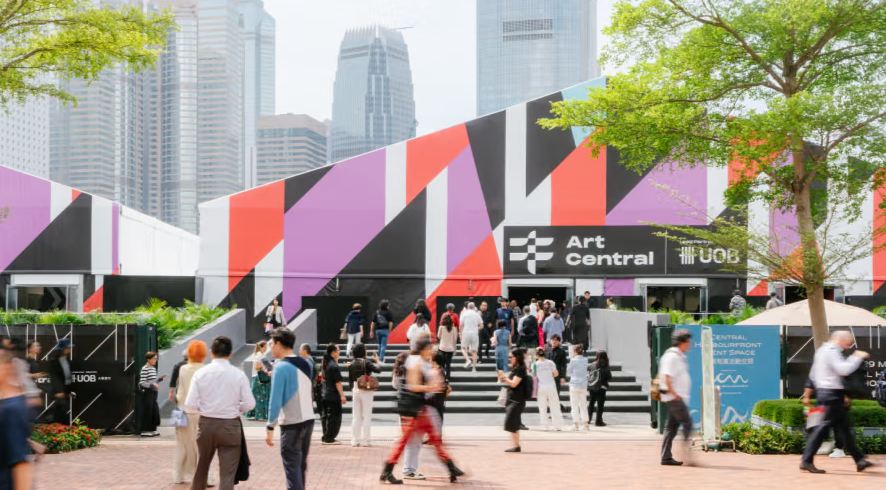
Art Central Hong Kong 2027 is a strong starting point for visitors willing to let a new artist set the direction of the day. Its emphasis on galleries from Asia and artistic experimentation gives discovery a particular setting. The invitation is to move from an immediate visual attraction towards an understanding of how the practice works.
An unusual material can be a good way in. Ask how a sculpture is made, why a photographic sequence takes its chosen form, or how one painting relates to the others on the stand. A good explanation should return you to something visible in the work. The conversation becomes valuable when it makes the object more specific.
The temporary building at Central Harbourfront gives the visit a different physical character from a permanent exhibition hall. Allow the presentations to establish their own rhythm. A moving-image work or installation may require more time than an aisle-by-aisle tour usually permits.
Art Basel: put a work into a wider history
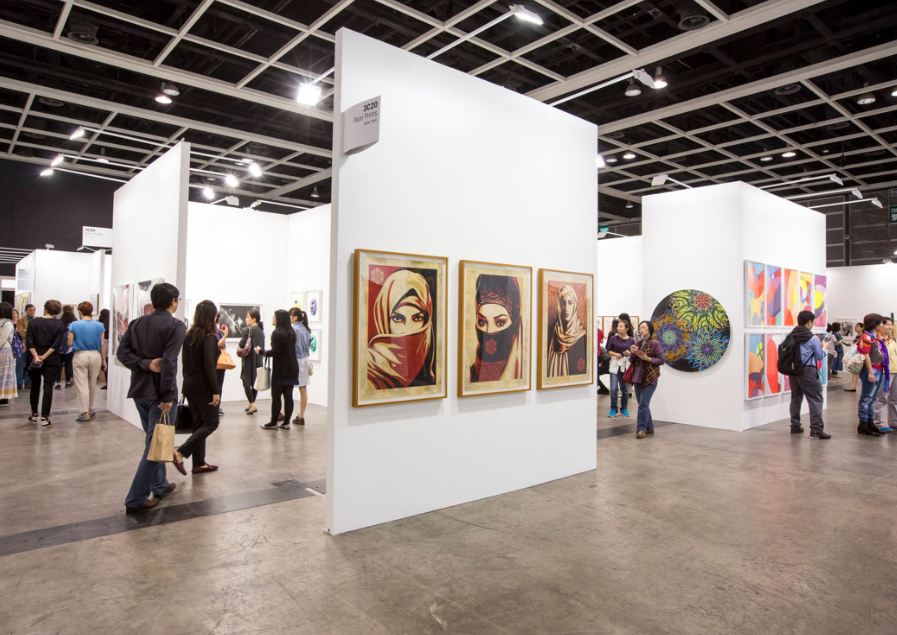
Art Basel Hong Kong 2027 offers an international modern and contemporary gallery setting with substantial connections across Asia. Its value can lie in a historical comparison, an unfamiliar period in a recognised artist’s work, or a practice whose importance is clearer within the region than outside it.
Arrive with a question rather than only a list of names. Follow the treatment of a material across generations, or compare the way galleries explain an earlier and a recent work. The resulting connections can make a large fair feel more coherent without pretending that it has one single theme.
The new edition’s detailed selection will determine the precise route. Previous artist lists, project schedules, and prices should remain reference material for their own years. A familiar sector name can host very different work when the fair returns.
How to divide the visit
If attending both, use the first fair to sharpen a question for the second. A textile object might prompt an interest in the relationship between painting and sculpture; a historical work might send you looking for a contemporary use of a related technique. This gives the change of venue an artistic purpose.
The public overlap is Thursday 25 to Saturday 27 March. Central Harbourfront and HKCEC are separate destinations on Hong Kong Island, so allow a proper transfer and confirm each entrance. Two fair tickets do not automatically provide access to related invitation-only events.
Visitors staying longer can reserve another day for museums or galleries. Keep those visits independent enough to enjoy a complete exhibition. A sequence of hurried entrances can make an exceptionally rich art week feel strangely thin.
A workable three day plan
For a combined trip, Thursday 25 March can be a first visit to Art Central, Friday 26 a visit to Art Basel, and Saturday 27 a return to the fair that raised the more interesting questions. This is a suggested order, not a timetable of reserved sessions. Confirm the ticket conditions before relying on a return visit; a one-day ticket and a multi-day pass may offer different rights.
Give the first circuit a limited purpose. Identify a handful of stands and keep the artist, work title, and gallery together in your notes. At Art Central, pay particular attention to whether an installation uses the space beyond an ordinary display wall. At Art Basel, look for presentations that place an artist’s works in a sequence. Those two observations can give the return day a much clearer task than repeating the whole fair.
Saturday need not mean another complete day indoors. A morning return to one presentation, subject to public opening hours, can be enough to settle a question left from the previous visit. Leave another part of the day free for a gallery or museum exhibition selected for its own interest. Do not infer a museum’s hours or ticket conditions from the fair calendar.
Readers with only one free day should usually choose one fair and investigate it properly. Art Central is the more direct choice here for a discovery-led gallery visit; Art Basel offers the broader modern and contemporary frame. Attending two on the same day is possible only within their published hours, and it creates a real cost in walking, entry procedures, and the time available to look.
Keep the last part of each visit for a work that proved difficult. An immediate favourite rarely needs help attracting attention. A piece whose scale, sequence, or material seemed puzzling may become the more valuable discovery once a gallery supplies the missing detail.
Editor’s Note
We would resist the familiar division that assigns Art Central the future and Art Basel the established canon. An unfamiliar artist is not inherently more adventurous, and an established name can appear through work that changes our understanding of the practice. The useful distinction is what each presentation lets us see and compare.
For us, the strongest reason to combine the fairs is to examine how a work’s meaning shifts between settings. An installation can interrupt the easy rhythm of a gallery aisle; a historical sequence can expose how much an artist changed over time. These are artistic experiences that a photograph of a stand cannot adequately record. They justify time spent in the room.
We would therefore build a Hong Kong visit around a few presentations with enough substance for a return. The shared dates make that possible without pretending the two fairs are interchangeable. The successful week is the one that leaves a reader able to explain why a particular work matters, with the gallery’s account tested against what was actually visible.