









Winter Art Fairs in Europe 2027: Five Distinct Reasons to Travel
Europe's January and February 2027 fairs offer more than one way to start an art year. London places modern work alongside contemporary gallery practice. Geneva adds institutional projects, sound, and publishing. Brussels provides two different collecting settings, while Karlsruhe highlights sculpture and the relationships within collections.
This selection is an editorial comparison of five announced fairs, rather than a ranking or a complete winter calendar. The aim is to match a destination to an interest. Several dates overlap, making a clear preference more useful than trying to attend everything.
The 2027 calendar at a glance
|
Event |
City and venue |
Announced 2027 dates and access |
|
London Art Fair 2027 |
London, Business Design Centre |
20–24 January 2027 public; preview 19 January 2027 |
|
BRAFA 2027 |
Brussels, Brussels Expo |
24 and 26–31 January 2027 public; 25 January 2027 invitation only |
|
Art Genève 2027 |
Geneva, Palexpo |
28–31 January 2027 |
|
Affordable Art Fair Brussels 2027 |
Brussels, Tour & Taxis |
17–21 February 2027; daily access details to follow |
|
art karlsruhe 2027 |
Karlsruhe, Messe Karlsruhe |
18–21 February 2027; preview 17 February 2027 |
1. London: modern art in an active gallery setting
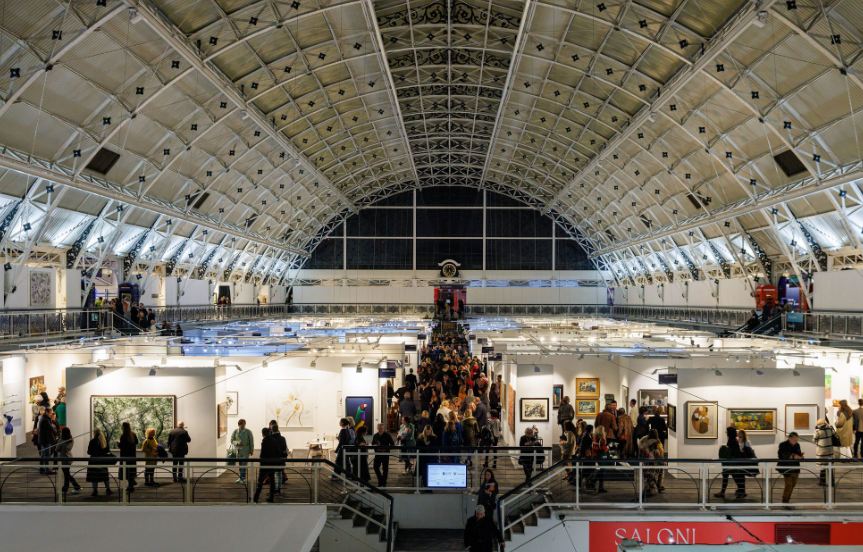
London Art Fair 2027 opens to the public on 20–24 January at the Business Design Centre. Its Museum Partnership, Encounters, and Platform strands introduce other perspectives alongside gallery stands. This is the choice for readers interested in how a modern work changes when placed within a current collecting conversation.
We would use the institutional element as more than a pause between stands. It can reveal what a public collection chooses to emphasize and how that differs from the selection offered by a dealer. The comparison gives the visit an argument that extends beyond recognizing artists' names.
2. Brussels in January: objects with a longer memory
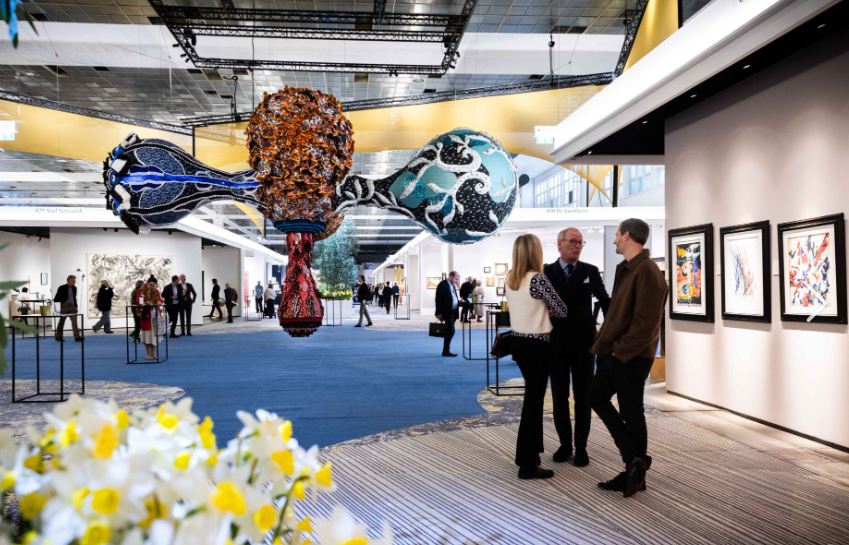
BRAFA 2027 offers public entry on 24 and 26–31 January at Brussels Expo. The museum guest for 2027 is the Ixelles Museum, adding a Belgian institutional perspective to a fair spanning art, antiques, and design. Monday 25 January is invitation only.
Choose it for the expertise surrounding historical objects as well as their appearance. A specialist's account of condition, making, or provenance can expose distinctions invisible in a photograph. The pleasure is in finding an object more absorbing after its history has been explained.
3. Geneva: galleries in conversation with other forms
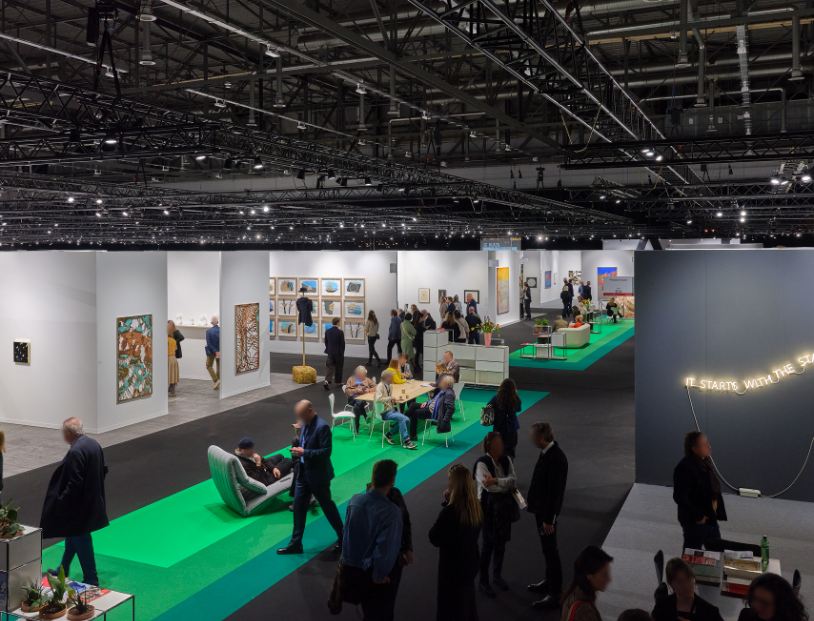
Art Genève 2027 runs on 28–31 January at Palexpo. The announcement combines more than eighty modern and contemporary galleries with institutional contributions, a music program, and an art publishers' quarter.
This is a persuasive option for readers who like the gallery encounter to be productively interrupted. A publication can establish a sequence; a sound work can alter the pace of looking. The different forms should sharpen each other’s definition rather than merely increase the event's variety.
4. Brussels in February: a considered first step into collecting
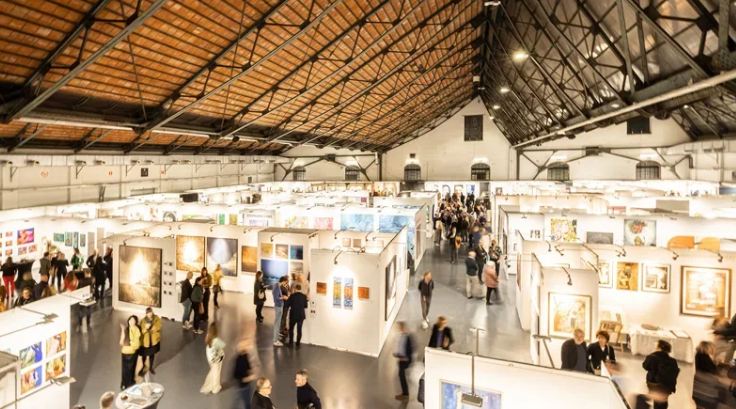
Affordable Art Fair Brussels 2027 announces 17–21 February at Tour & Taxis, with the detailed public timetable still to follow. More than eighty-five galleries are expected. Its contemporary focus and approachable model make it a different proposition from BRAFA.
We would choose it for someone who wants to begin a gallery conversation without feeling obliged to arrive with market knowledge. The useful test is the quality of explanation: an accessible setting should help visitors understand an artwork, not simply make the act of buying feel easier.
5. Karlsruhe: sculpture and the choices inside a collection
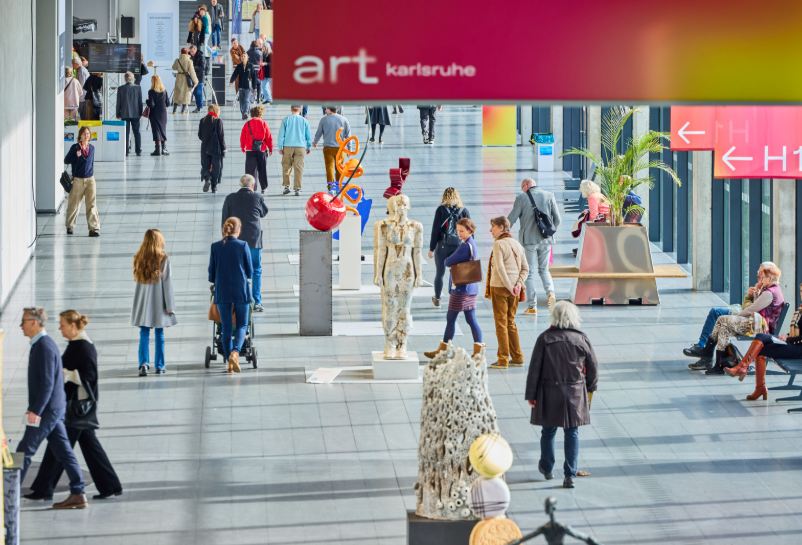
art karlsruhe 2027 opens publicly on 18–21 February, after a separate preview on the 17th. The private-collection project IT’S A MATCH! and the fair's sculpture formats provide specific reasons to consider the German stop.
A collection is made through relationships as well as acquisitions. Karlsruhe is worth following where those relationships become visible: a work can be strengthened, complicated, or made newly uncertain by what stands beside it. Sculpture adds the physical experience of changing position around an object.
How to choose your visit
Choose London for a modern and contemporary gallery conversation, BRAFA for historical breadth and specialist knowledge, and Geneva for the meeting of galleries with institutions and other forms. February's Brussels fair offers an approachable contemporary format, while Karlsruhe gives collection relationships and sculpture particular emphasis.
A visitor can make a substantial trip around one event. Adding a second should serve a clear comparison, rather than merely fill the gap between flights.
Planning the dates
London overlaps the opening of BRAFA, and Geneva overlaps BRAFA's later days. The February dates of Brussels and Karlsruhe also overlap. These are often alternative destinations within the same period, rather than an easy sequence.
Public entry and previews are not interchangeable. Keep BRAFA's invitation-only Monday separate, and wait for the full Brussels timetable before choosing a particular day. Reserve travel and admission with the event's dated 2027 arrangements in view.
Editor’s Note
Our winter preference depends on the question a reader wants the art to raise. For historical objects, BRAFA supplies the strongest contrast to a contemporary-only route. For the relationships between works, Karlsruhe's collection project is especially intriguing.
We would resist treating January and February as a lesser prelude to the spring fairs. These events have distinct identities, and the relative closeness of their dates makes their differences more useful to examine.
The most convincing winter itinerary has a reason to return to a work. A second encounter, after another stand or a museum contribution, can be more revealing than the addition of another city.