BADA Argentina 2026 takes place from 27 to 30 August in the Green Pavilion of La Rural in Buenos Aires.

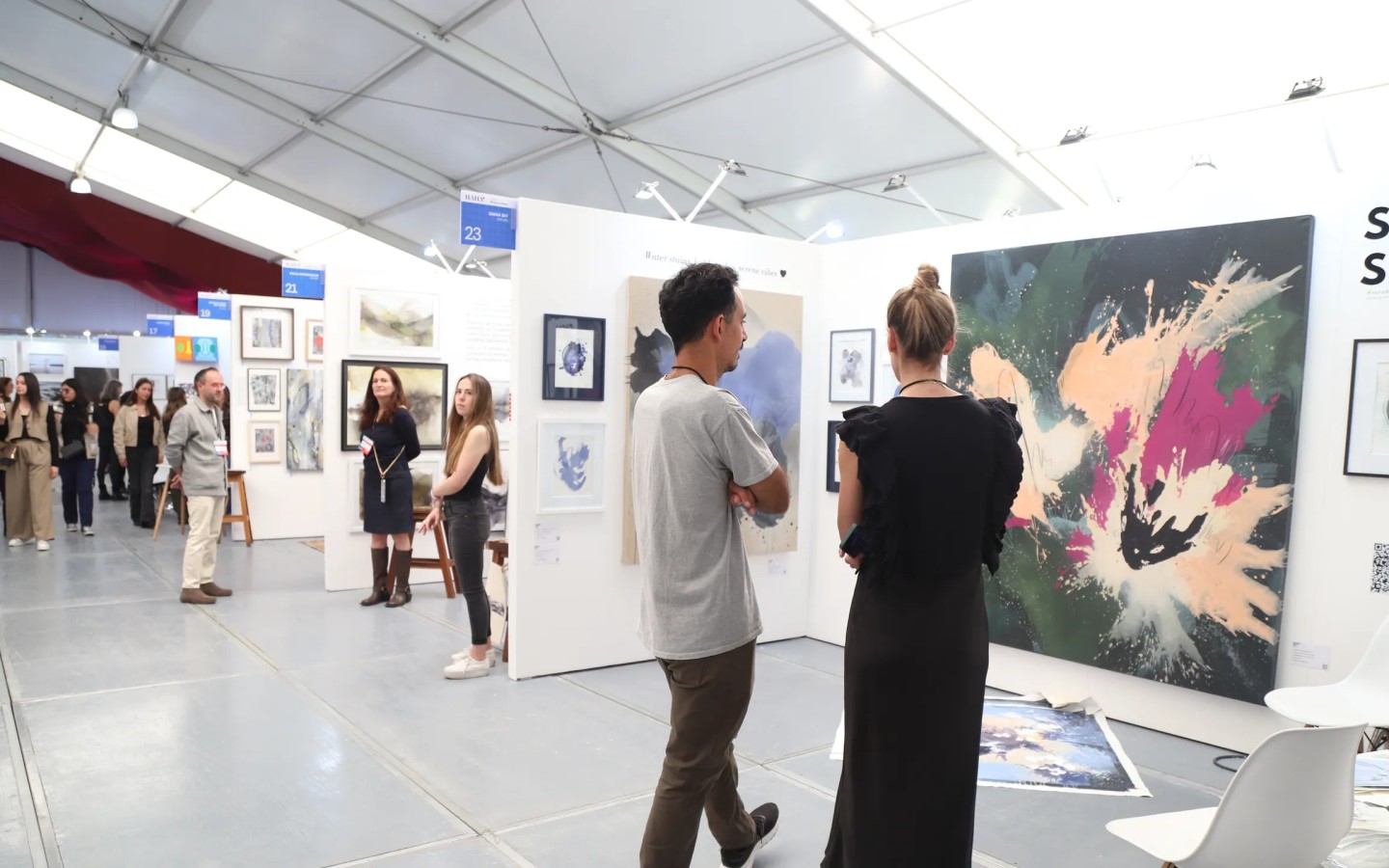
The four-day event brings more than 300 independent artists together under one roof, allowing visitors to meet the creators personally and purchase artworks directly from them.

Unlike a conventional commercial art fair, BADA does not organise its main exhibition around galleries. Artists manage their own stands, select the works they want to display, set their prices, and negotiate directly with buyers.

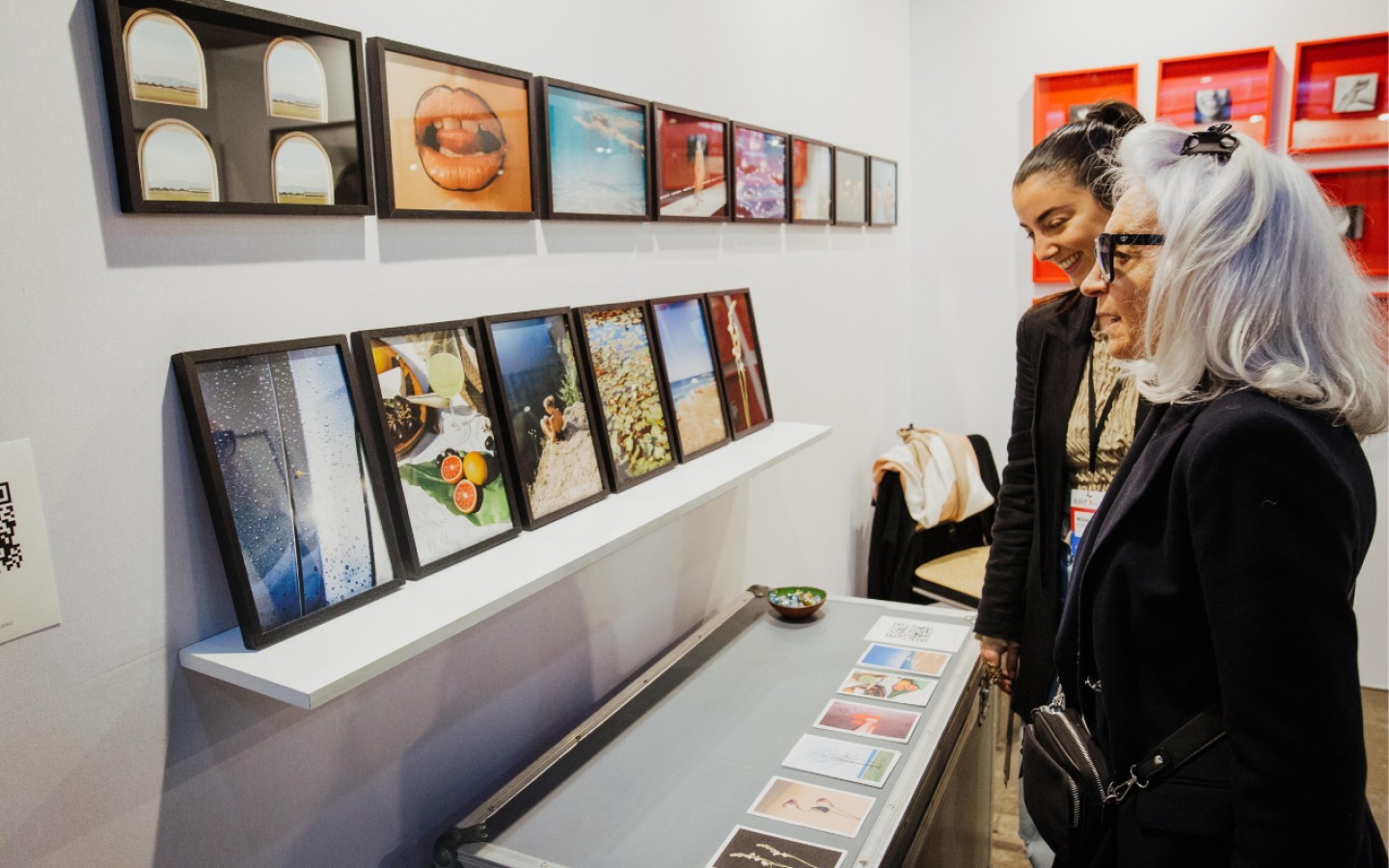
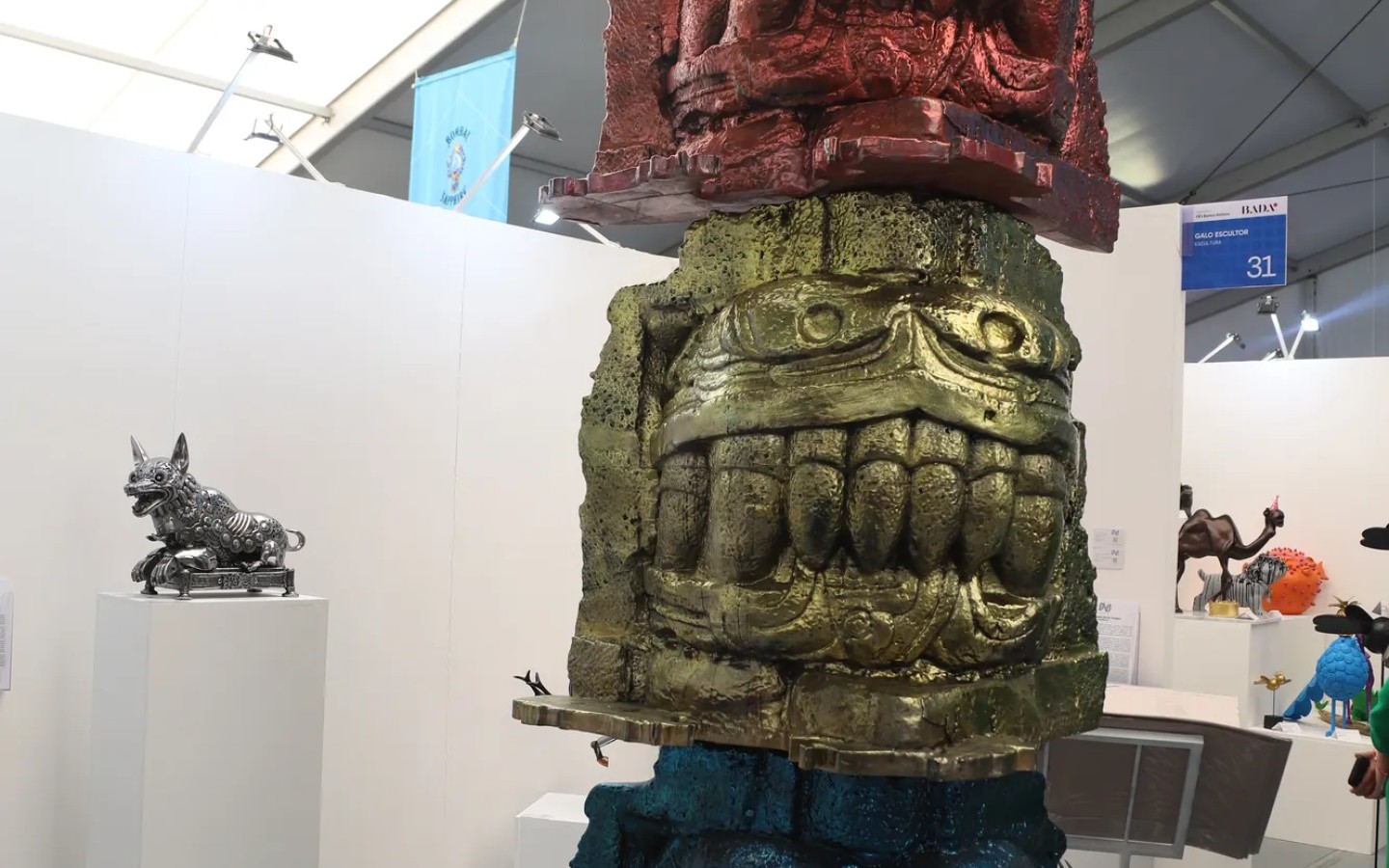
Visitors can expect painting, sculpture, drawing, photography, printmaking, illustration, ceramics, textile art, installation, digital art, and other contemporary practices.

Every participating artist is also expected to offer at least ten small-format works at accessible prices, alongside larger or more ambitious pieces. This creates opportunities for both experienced collectors and visitors considering their first art purchase.

For ArtExpoWorld readers, BADA Argentina 2026 offers a distinctive way to explore contemporary art through direct conversations with the people who made it.

BADA Argentina 2026 is the 14th edition of the Buenos Aires fair.

The event will be held in Pabellón Verde, one of the main exhibition spaces at La Rural in the Palermo district.

The fair will be open from 14:00 to 21:00 on all four days, giving visitors seven hours each day to explore the stands, meet artists, and purchase works.

More than 300 independent artists are expected to participate. The fair accepts both emerging and established practitioners, regardless of nationality or place of residence.

All artistic disciplines and techniques may be represented. Visitors might encounter traditional oil paintings alongside experimental photography, textile installations, ceramics, illustration, or digitally produced works.

The defining characteristic of BADA is its direct-from-the-artist model.

There is no gallery representative standing between the visitor and the creator. Artists explain their ideas, materials, techniques, and professional histories themselves.

They also control their own sales. BADA does not set artwork prices, process individual transactions, or charge artists a commission on sales.

This creates a different atmosphere from a traditional art fair. The experience is often more personal, informal, and accessible, although buyers still need to ask careful questions and request proper documentation.

The final 2026 artist directory and programme of special activities should be checked closer to the opening.

BADA Argentina 2026 Event Overview

BADA Argentina 2026 – Buy Art Directly from Independent Artists

BADA does not charge artists a commission when they sell an artwork. The artist sets the price, chooses the accepted payment methods, and completes the transaction directly with the collector. This means that a conversation at the stand can lead immediately from discovering the work to purchasing it from the person who created it.

Dates:

27 August 2026 - 30 August 2026

Location:

Pabellón Verde, La Rural, Buenos Aires, Argentina

Mission:

The mission of BADA Argentina 2026 is to make buying and experiencing art more direct and accessible. The fair challenges the assumption that collecting is reserved for wealthy specialists, institutional buyers, or people with extensive knowledge of the art market. Visitors are encouraged to speak with artists, ask simple questions, and explore works at different price levels without feeling intimidated by gallery conventions. The event also gives independent artists a commercial platform where they can present and sell their work without surrendering a percentage of each transaction to an intermediary. Artists determine what they display, how they present themselves, and how they communicate with potential buyers. This independence can be especially valuable for emerging creators who do not yet have gallery representation. BADA also promotes the idea that the story behind an artwork matters. Meeting the artist can reveal how a piece developed, why particular materials were chosen, and what experiences influenced its creation. The wider mission is not to eliminate galleries from the art ecosystem. Galleries provide important professional support, career development, curatorial guidance, and access to institutions. Instead, BADA offers an alternative model that places direct human contact at the centre of the fair experience.

Organizer:

BADA Argentina 2026 is organised by BADA, an international platform built around the concept of art sold directly by its creators. The organisation manages editions in Argentina, Mexico and Spain. For the Buenos Aires event, BADA selects participating artists, provides standardised exhibition stands and organises the visitor route, communications, security and general fair infrastructure. Artists are responsible for installing their own presentations and managing their individual sales. The organisers do not take a commission from artwork transactions. This structure distinguishes BADA from gallery-based fairs, where exhibitors normally represent several artists and manage sales on their behalf.

Why attend to BADA Argentina 2026?

BADA Argentina 2026 is worth visiting because it removes many of the social barriers associated with entering the art market.

For first-time buyers, the fair provides a place to learn through direct conversation.

Visitors can ask artists what materials they use, how long a work took to complete, and whether it belongs to a larger series.

For experienced collectors, BADA offers the possibility of discovering creators before they receive wider commercial or institutional recognition.

For interior designers and architects, the fair provides access to a large selection of original works in different sizes and formats.

For artists and art students, it offers insight into how independent creators present their work, communicate with visitors, and manage direct sales.

For cultural travellers, BADA can be combined with the museums, galleries, architecture, and restaurants of Palermo and neighbouring districts.

The fair also offers a more personal experience than events where the artist may not be present at all.

A buyer can leave not only with an artwork but with a direct understanding of who created it and why.

Ticket Information

General admission costs

Online presale admission costs ARS 12,000, plus service fees.

The standard online price increases to ARS 17,000 from 13 August.

General admission purchased at the box office costs ARS 20,000.

Students and retirees can purchase reduced admission for ARS 10,000 at the box office after presenting the required documentation.

Children under 12 enter free of charge.

Visitors with disabilities enter free together with one accompanying person after presenting appropriate certification.

Each ticket is valid for one admission on any one of the four fair days.

A ticket does not provide unlimited entry throughout the entire event.

Visitors should purchase tickets through the official BADA sales system and check the conditions before completing payment.

Getting There:

BADA Argentina 2026 takes place in Pabellón Verde at La Rural, Avenida Sarmiento 2704, Buenos Aires.

The venue is located in Palermo, one of the city’s most accessible cultural and entertainment districts.

Plaza Italia station on Metro Line D is only a short walk from La Rural.

Palermo station on the San Martín railway line is approximately five blocks away.

Numerous public bus routes stop near the exhibition complex.

Taxis and rideshare services are widely available, although traffic around Palermo can become heavy during evening hours and weekends.

La Rural provides paid parking with access from Avenida Sarmiento 2704 and Avenida Cerviño 4476.

International visitors generally arrive through Ezeiza International Airport.

Domestic and regional flights may use Aeroparque Jorge Newbery, which is much closer to Palermo and La Rural.

Journey times from Ezeiza can vary significantly depending on traffic, so visitors should allow additional time when travelling directly to the fair.

Accessibility

La Rural provides lifts and escalators for visitors with accessibility requirements.

A wheelchair can be requested from security staff at the entrance to the fair, subject to availability.

Visitors requiring additional assistance should contact the organisers before attending.

People with disabilities receive free admission together with one accompanying person after presenting the required documentation at the box office.

Accommodation

Palermo is the most convenient area for visitors attending BADA.

Palermo Soho offers boutique hotels, cafés, restaurants, shops and nightlife.

Palermo Hollywood is known for restaurants, bars, creative businesses and modern accommodation.

Recoleta is a strong alternative for visitors interested in museums, historic architecture and traditional hotels.

Belgrano offers a quieter atmosphere with good transport connections to Palermo.

The Buenos Aires city centre provides access to theatres and historic landmarks but requires a metro, taxi or rideshare journey to La Rural.

San Telmo may appeal to visitors interested in antiques, independent art spaces and historic neighbourhood character.

Staying near Metro Line D makes it easier to travel between Palermo, Recoleta and the central areas of Buenos Aires.

Gallery: BADA Argentina 2026

Secure Your Spot at BADA Argentina 2026 — Before It's Too Late

Tickets are limited and sell out fast.
Get instant access to the BADA Argentina 2026 registration page and be the first to know about exclusive events, VIP passes, and travel perks.

Early access. Limited availability. Global art at your fingertips.

History & Context of a BADA Argentina 2026

BADA has developed over more than a decade into a recognised part of Buenos Aires’s cultural calendar.

The 2026 event is the 14th edition in Argentina.

The project has also expanded internationally, with separate editions in Mexico and Spain. Despite this growth, the core concept remains the same: artists present and sell their work directly.

BADA emerged partly in response to the distance many people feel from the traditional art market.

Commercial galleries can provide valuable expertise, but some first-time visitors perceive them as formal, exclusive, or difficult to enter.

BADA replaces much of that formality with personal conversation.

The fair also reflects changes in the way artists develop careers. Social media, online portfolios, direct sales, and independent exhibitions have made it possible for many creators to build audiences without relying entirely on traditional representation.

Buenos Aires provides a strong setting for this format.

The city has an extensive network of museums, galleries, art schools, independent spaces, workshops, and private collections. It also has a long history of publishing, theatre, cinema, design, and political visual culture.

BADA adds a more public and commercially accessible element to this environment.

It brings a large number of independent creators into one venue and invites visitors to participate not only as spectators but as potential supporters and collectors.

What Visitors Can Expect

BADA is likely to feel visually dense and energetic.

With more than 300 artists participating, there will be a wide variety of styles, materials, and levels of professional experience.

Visitors may encounter figurative and abstract painting, portraiture, landscape, street-art influences, illustration, geometric work, and experimental mixed media.

Sculptural presentations may include ceramics, metal, wood, resin, recycled materials, and small collectible objects.

Photography can range from documentary images to staged, conceptual, or digitally manipulated work.

Textile art, embroidery, collage, and craft-based practices may appear alongside digital art and contemporary installation.

Not every work will appeal to every visitor. This diversity is part of the experience.

BADA is not constructed around one curatorial theme or a unified aesthetic. It functions more like a broad marketplace of independent creative positions.
Visitors should expect variation in price, presentation style, and artistic maturity.

The strongest approach is to explore without attempting to judge the entire fair according to one standard.

Small-Format and Accessible Artworks

Every participating artist is expected to present at least ten small-format works with accessible prices.

These works may include drawings, prints, photographs, studies, small paintings, ceramics, or limited-edition objects.

The initiative is designed to make collecting possible for visitors who cannot purchase a large painting or major sculpture.

Small-format does not necessarily mean less important.

Artists often use smaller works to test ideas, explore materials, or develop themes that later appear in larger projects.

A small drawing or photograph may provide a meaningful entry point into an artist’s practice.

The official 2026 information currently describes these works as accessible but does not publish one universal maximum artwork price.

Buyers should therefore check the price directly with each artist rather than relying on figures from previous editions.


Tips for Visitors of BADA Argentina 2026

Allow at least three hours for the fair.

Visitors interested in buying art may need four hours or more to compare works and return to selected stands.

Take an initial walk without trying to stop at every booth.

Mark the artists you want to revisit by photographing their names or stand numbers where allowed.

Talk with artists, but remember they manage their stands for seven hours. Be considerate when another visitor is discussing a purchase.

Thursday may attract press and opening-day visitors, while Saturday and Sunday are likely busier with the general public.

Arrive earlier in the day if possible for a calmer environment.

Wear comfortable shoes. The Green Pavilion is large, and the number of stands requires considerable walking and standing.

Bring photos and measurements of the wall or room where you might place an artwork.

Confirm the final dimensions, including the frame, before buying.

Visitors carrying large bags should check La Rural’s current access and security rules.

Tips from the ArtExpoWorld

Do not try to speak with all 300 artists. Walk through the fair first and identify the works that create a genuine emotional or intellectual response.

Direct sales may feel informal, but the purchase should still be properly documented.

Ask for a receipt or certificate and confirm all additional costs before transferring money.

Do not assume that an inexpensive artwork is less serious. A small original work can be a stronger purchase than a large decorative piece chosen only to fill a wall.

Be the First to Access Official "BADA Argentina 2026" Tickets

Don’t miss your chance to attend one of the world’s leading art fairs. Get direct access to the official ticketing page, exclusive updates, and important visitor information.

Early access. Limited availability. Global art at your fingertips.

Editor’s Note

BADA Argentina 2026 matters because it makes the act of buying art feel less distant and ceremonial.

For ArtExpoWorld, its greatest strength is direct contact. Visitors are not only looking at finished objects; they are meeting the people, decisions, and personal histories behind them.

The model also gives artists unusual control over presentation, pricing, and communication. That freedom can create unevenness, but it also produces the fair’s energy and authenticity.

BADA does not replace the professional role of galleries. Instead, it offers a different entrance into collecting, one built around curiosity, conversation, and the idea that purchasing original art should not be restricted to a small elite.

Current and Upcoming Art Expos