







Art Fairs in Africa 2027: Three Cities With Their Own Centre of Gravity
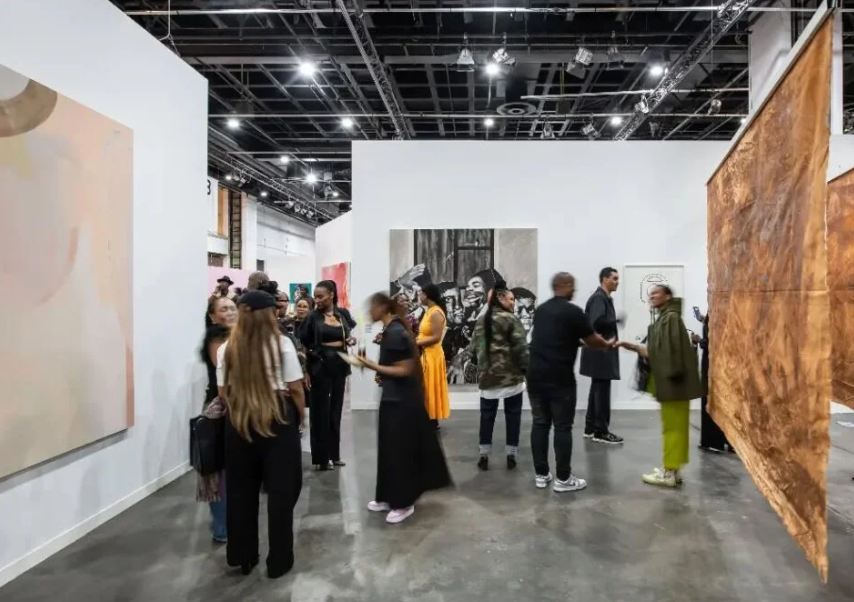
Cape Town, Marrakech and Johannesburg offer three distinct contexts for contemporary art in 2027. Their fairs share an interest in African practices and international exchange, but each city reshapes the terms of the encounter. The calendar shifts from February to May, with distinct public periods.
This is a focused selection of three announced fairs, not a comprehensive African art calendar. It is intended to help readers choose a destination based on its artistic proposition, while acknowledging that no event can represent the entire continent.
The 2027 calendar at a glance
|
Event |
City and venue |
Announced 2027 dates and access |
|
Investec Cape Town Art Fair 2027 |
Cape Town, CTICC |
19–21 February 2027 |
|
1-54 Marrakech 2027 |
Marrakech, La Mamounia |
20–21 March 2027 public; previews 18–19 March 2027 |
|
RMB Latitudes Art Fair 2027 |
Johannesburg, Shepstone Gardens |
21–23 May 2027 public; vernissages 19–20 May 2027 |
1. Cape Town: transformation as a question for contemporary practice
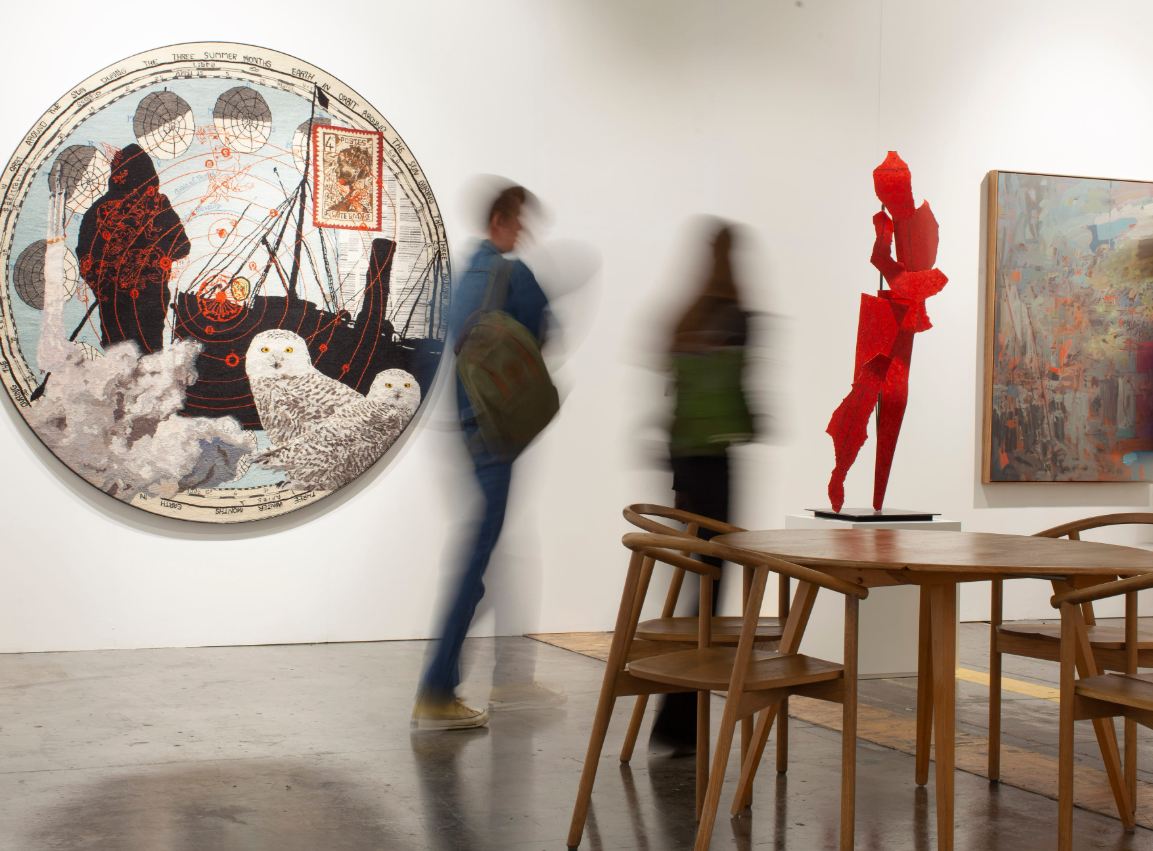
Investec Cape Town Art Fair 2027 takes place from 19 to 21 February at CTICC. Its fourteenth edition is guided by In Acts of Alchemy, a concept exploring how materials and meaning transform through artistic practice and the encounter with a viewer.
The idea is most compelling when it becomes physically specific. What has an artist done to a material, what traces remain, and how does the result alter its previous meaning? We recommend Cape Town for readers who want to bring that focus to African and international gallery presentations within the same event.
2. Marrakech: a concentrated encounter in North Africa
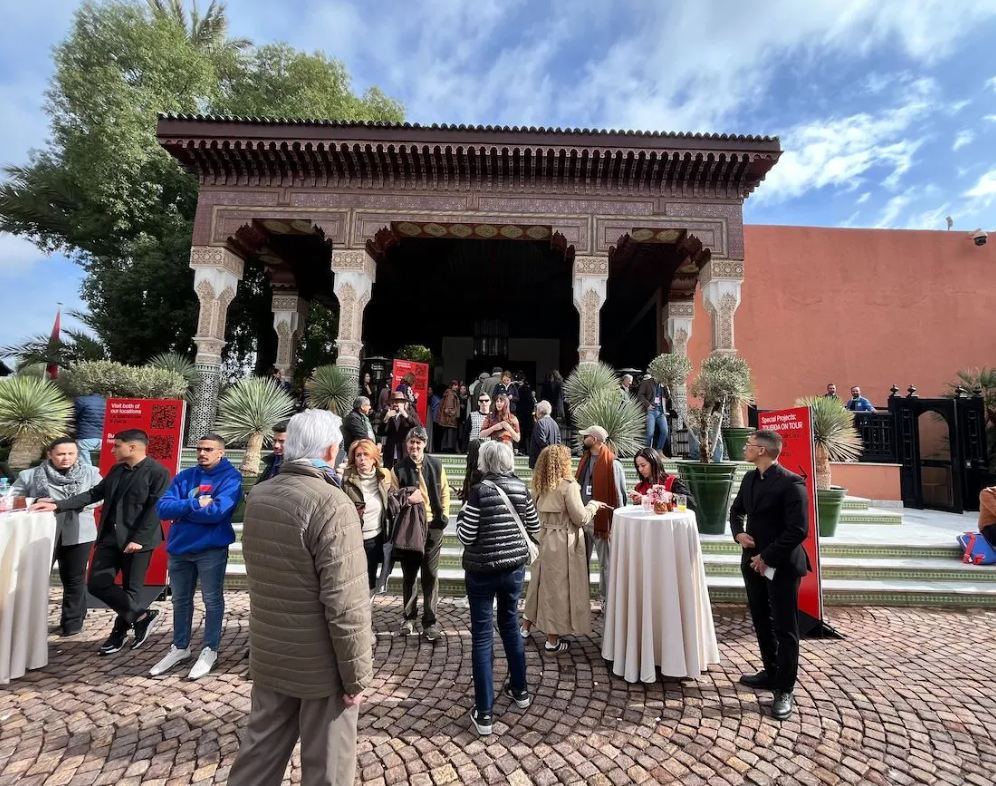
1-54 Marrakech 2027 holds public days on 20–21 March at La Mamounia, following VIP and press previews on 18–19 March. Its dedicated focus on contemporary African and diaspora art gives it a different scale of inquiry compared to a broad international survey.
The North African setting matters because it shifts where the international conversation occurs. It should also make differences between artistic positions more visible, rather than encouraging the search for a single representative image of African art. A gallery’s precise account of a practice is central to the visit.
3. Johannesburg: art in relation to a garden and a city
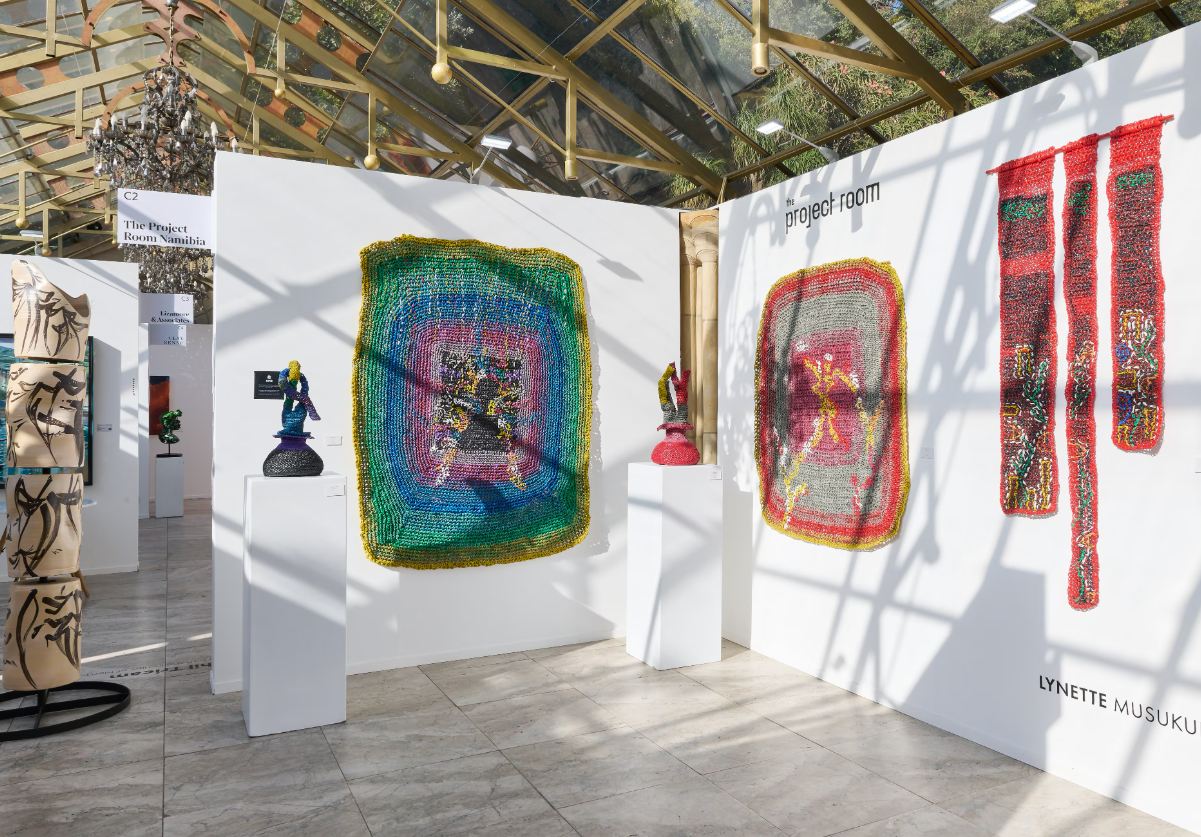
RMB Latitudes Art Fair 2027 returns to Shepstone Gardens on 21–23 May, following separate vernissages on 19–20 May. The fifth edition announces May Our Ways Be Illuminated and a Ghanaian international focus. Indoor and outdoor settings provide a distinctive relationship with architecture and landscape.
Johannesburg is the choice here for readers interested in how a fair’s physical setting influences perception. A work encountered within a garden or architectural sequence can create different relationships than in a uniform exhibition hall. The setting becomes valuable when it sharpens the work, rather than serving only as a pleasant background.
How to choose your visit
Choose Cape Town for an international gallery event framed by transformation, Marrakech for a dedicated and concentrated North African encounter, and Johannesburg for the relationship between contemporary work, architecture, and garden space.
The differences can support separate trips throughout the year. Readers visiting more than one should carry a question between cities without expecting a single shared answer. A practice connected to several places may reveal different facets of itself in each setting.
Planning the dates
The public dates are 19–21 February in Cape Town, 20–21 March in Marrakech, and 21–23 May in Johannesburg. Marrakech’s previews on 18–19 March and Johannesburg’s vernissages on 19–20 May have separate access arrangements.
These fairs are separated both geographically and temporally. Plan transport, accommodation, and admission independently. For Shepstone Gardens, the organizer states there is no parking at the venue and offers a park-and-ride arrangement; confirm current instructions when deciding how to arrive.
Editor’s Note
We consider these fairs important as places from which art can be viewed, rather than simply places where an international audience gathers. Cape Town, Marrakech, and Johannesburg each have their own relationships with artists, institutions, and the surrounding city.
The editorial value lies in keeping those differences visible. A continental label is too broad to explain a work, while a precise gallery or curatorial presentation can offer a much richer account.
Our recommendation is to choose the setting that allows a particular interest to develop. The strongest fair visit leaves a reader with a more nuanced field of artists and questions, not a simplified idea of African contemporary art.