

ART OSAKA 2026 brought contemporary art into two dramatically different parts of Osaka: the newly developed urban district of Umekita and the former industrial shipyard area of Kitakagaya.

The fair was divided into a central Galleries Section at Congrès Square Grand Green Osaka and an Expanded Section at Creative Center Osaka. Together, the two venues presented selected galleries, focused exhibitions, moving-image works and large-scale installations that could not fit inside a conventional art-fair booth.

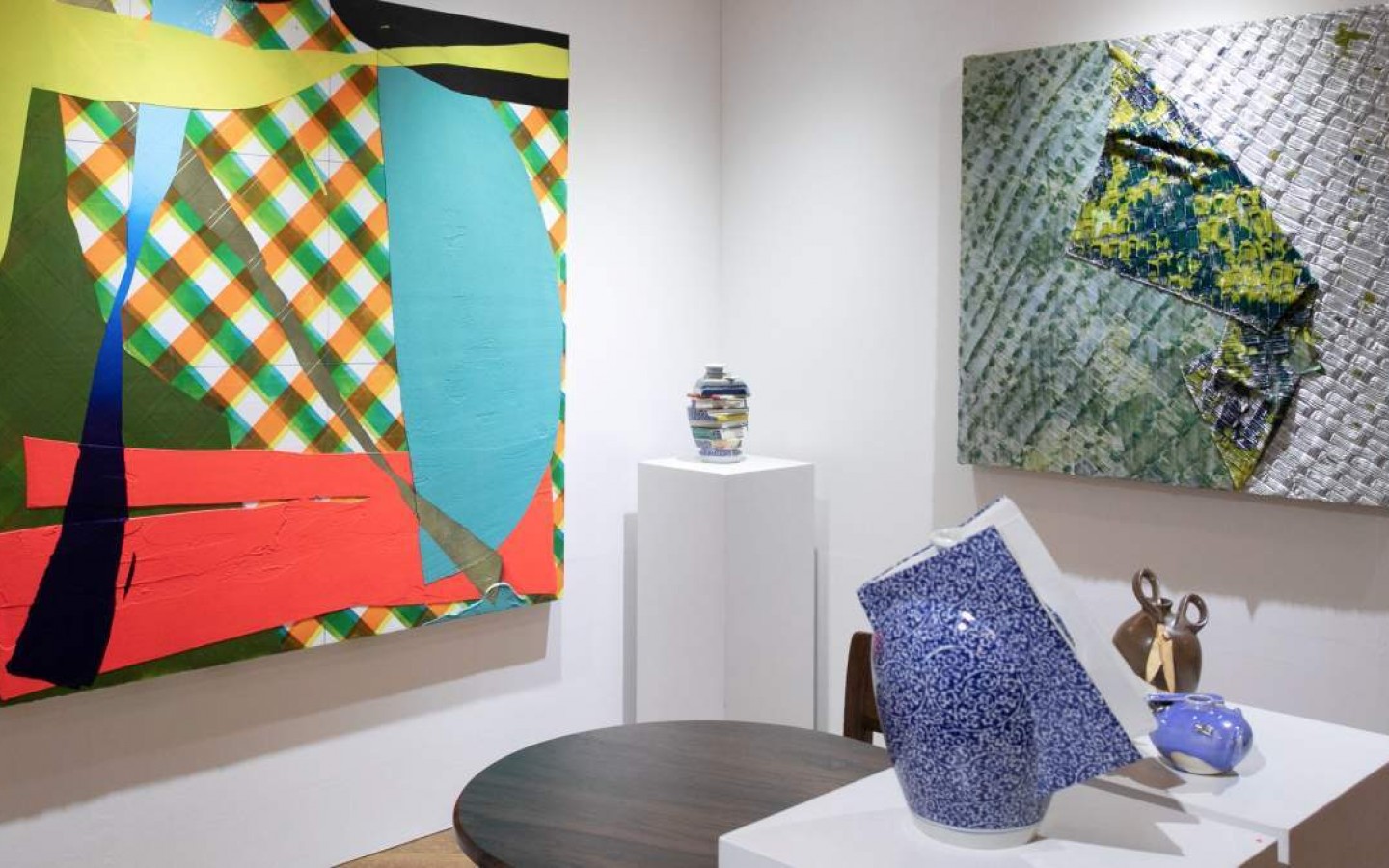
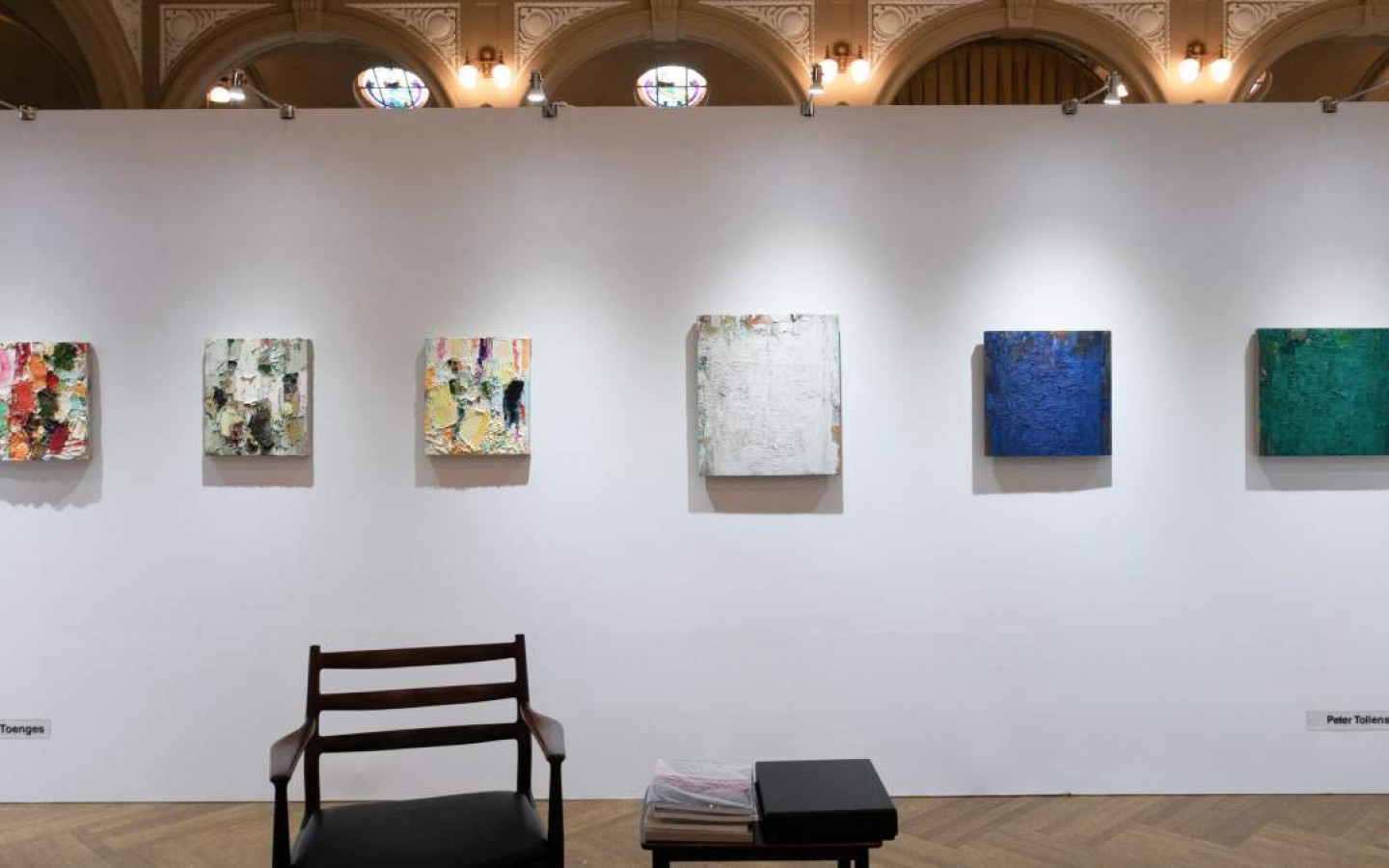
Sixty-five galleries from Japan and abroad participated in the 2026 edition. The Umekita venue alone brought together 52 galleries and more than 500 artworks, offering visitors a concentrated view of contemporary artistic practice in Japan and the wider Asian region.

ART OSAKA is particularly important because it is not an imported international fair placed inside Japan. It has developed from the Japanese gallery community and has supported artists, collectors and contemporary art professionals for more than two decades.

For ArtExpoWorld readers, ART OSAKA 2026 offered an opportunity to understand both the commercial and experimental sides of Japan’s contemporary art scene while exploring two very different versions of the city.
Art Osaka 2026

ART OSAKA 2026 operated through two complementary sections.

The Galleries Section was held at Congrès Square Grand Green Osaka in Umekita from 29 to 31 May. The first day was reserved for the VIP Preview, invited guests and members of the press, while public admission took place on 30 and 31 May.

The Expanded Section ran from 28 May to 1 June at Creative Center Osaka in Kitakagaya. It was open to the public throughout most of its five-day programme.

The Galleries Section presented four main formats.

Galleries used the traditional art-fair booth format, allowing participating galleries to show a selection of artists from their programmes.

Focus was dedicated to solo and two-person presentations. These concentrated exhibitions gave visitors a clearer understanding of individual artistic practices than a broad group booth could provide.

Wall focused on artworks designed for wall-based display, creating a more visually direct presentation of painting, photography, drawing and mixed-media work.

Screening provided a dedicated platform for video and moving-image art, forms that are often difficult to experience properly inside a busy commercial fair.

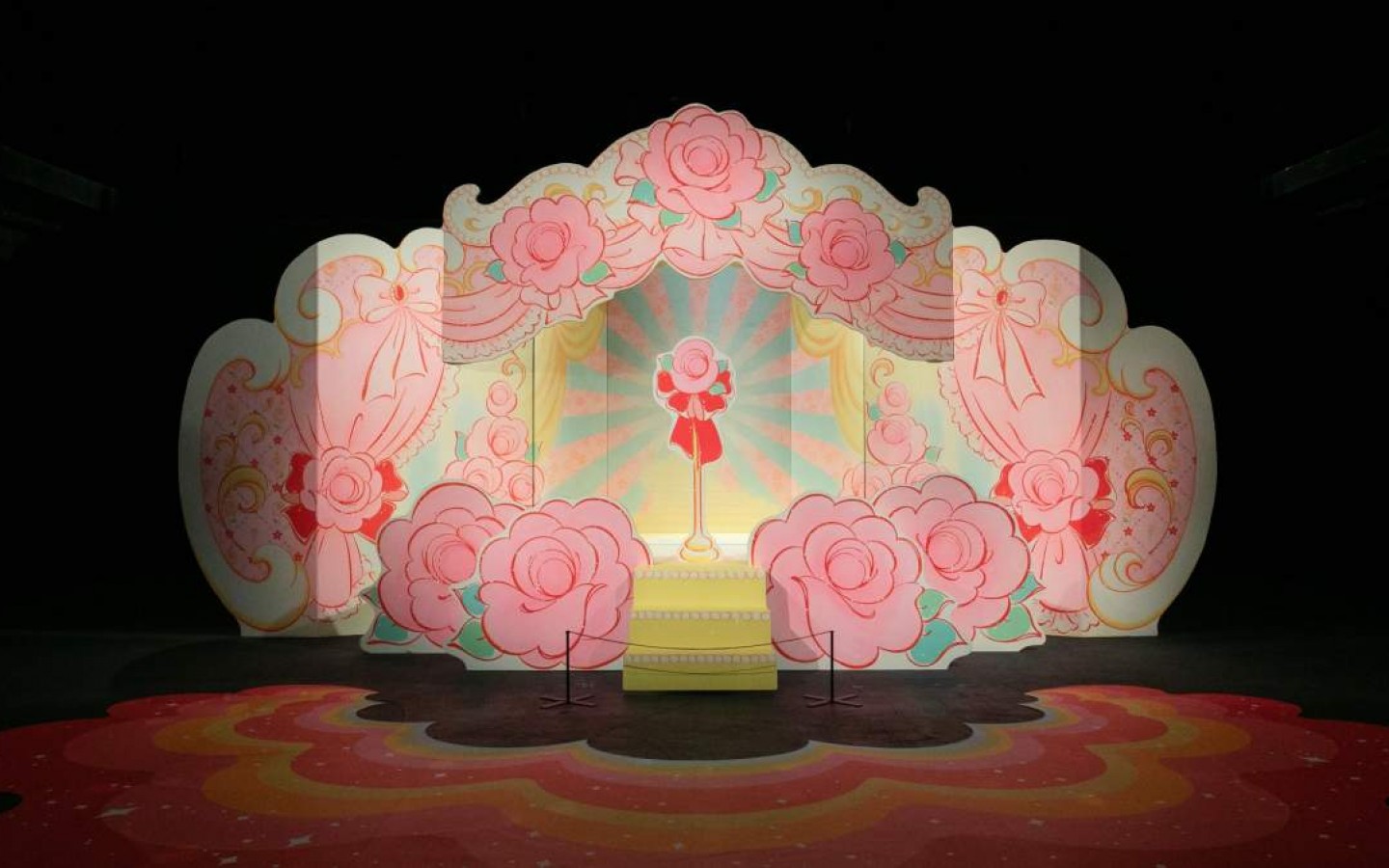
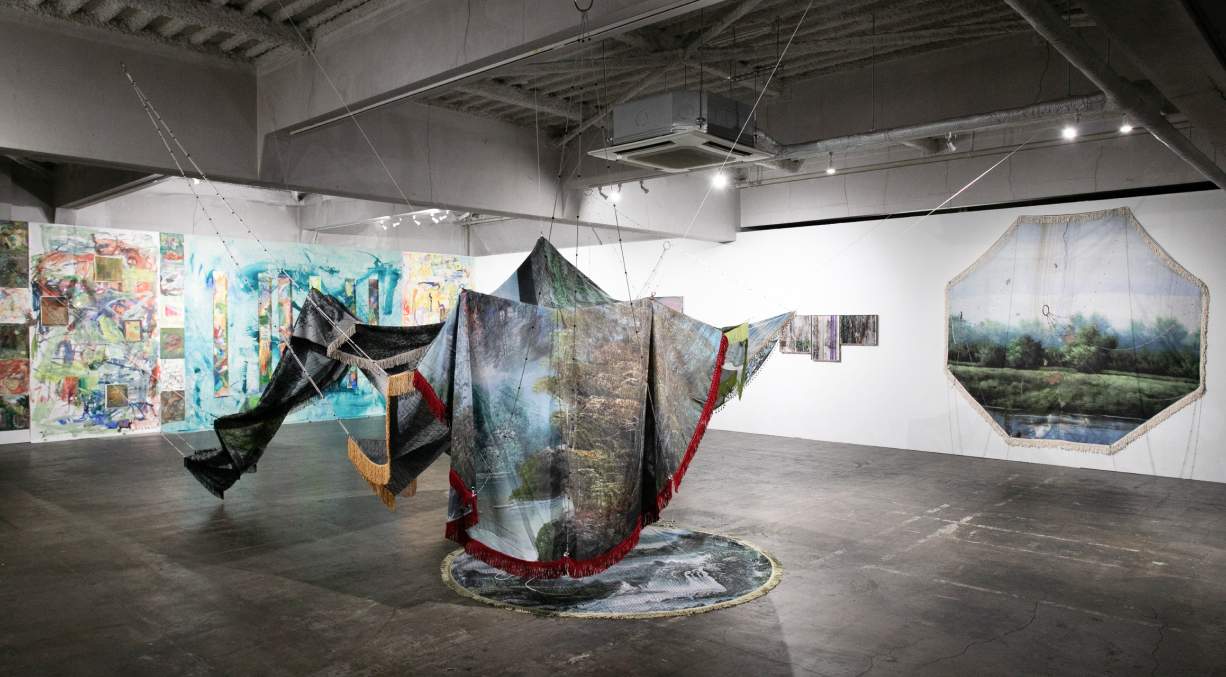
The Expanded Section used the enormous spaces of Creative Center Osaka to present sculpture, installation, ceramics, video and mixed-media projects that exceeded the scale of a conventional booth.

The contrast between the two venues was central to the fair’s identity. Umekita offered a polished urban environment close to Osaka Station, while Kitakagaya retained the atmosphere and physical traces of the city’s industrial history.

ART OSAKA 2026 Event Overview

ART OSAKA 2026 – Contemporary Art Across Umekita and Kitakagaya

ART OSAKA has operated since 2002 and is Japan’s longest-running contemporary art fair. The 2026 edition united a new cultural district beside Osaka Station with a former shipyard transformed into a centre for experimental art.

Dates:

28 May 2026 - 1 June 2026

Location:

Galleries Section: Congrès Square Grand Green Osaka, South Building 4F, Osaka, Japan

Mission:

The mission of ART OSAKA 2026 was to strengthen the market and cultural environment for contemporary art in Japan. The fair exists to connect galleries and artists with collectors, institutions, art professionals and wider public audiences. It encourages visitors not only to view contemporary art but also to understand the cultural importance of purchasing and owning it. ART OSAKA places particular value on the role of galleries. The fair has been managed with the needs of gallery owners in mind since its establishment, reflecting the belief that sustainable galleries are essential to artists’ long-term careers. The Expanded Section adds another dimension to this mission. It gives artists space to create ambitious works that may be commercially challenging or physically impossible to present inside standard booths. By connecting sales, experimentation and public cultural activity, ART OSAKA demonstrates that a healthy art ecosystem depends on both market support and artistic freedom.

Organizer:

ART OSAKA 2026 was organised by the Association for the Promotion of Contemporary Art in Japan, also known as APCA Japan. The organisation is led by gallery owners and contemporary art professionals from Osaka, Kyoto, Tokyo, Hyogo and other parts of Japan. The fair’s organising team included an executive director, artistic director, fair director and separate managers for the Galleries and Expanded sections. This gallery-led structure is central to ART OSAKA’s identity. The event is designed around the long-term needs of artists, galleries and collectors rather than existing only as a short commercial spectacle.

Why attend to ART OSAKA 2026?

ART OSAKA 2026 was worth visiting because it provided access to contemporary Japanese art beyond the most internationally familiar names.

For collectors, the Galleries Section offered a chance to compare works from established and emerging galleries based in Osaka, Kyoto, Tokyo, Hyogo, Nagano, Kanagawa, and other regions.

International participants from locations including Korea, the Philippines, Hong Kong, Taiwan, and Vietnam added a wider Asian context to the fair.

For first-time collectors, the range of formats and prices created several possible entry points. Visitors could explore smaller works, prints, photographs, and editions as well as major paintings and sculptures.

For curators and art professionals, the Focus and Screening presentations provided concentrated insight into individual artists and moving-image practices.

For visitors more interested in experimental art, the Expanded Section offered the strongest experience. Its installations responded directly to the architecture, scale, and industrial memory of Creative Center Osaka.

For cultural travellers, the fair provided a reason to explore Osaka beyond its most famous shopping and food districts. The event connected the city centre with Kitakagaya’s developing creative community.

Ticket Information

General admission costs

A combined ART OSAKA ticket provided admission to both the Galleries and Expanded sections.

Early-bird combined tickets were priced at ¥2,500, while an early pair ticket cost ¥4,500.

Standard online combined admission was ¥3,000.

Same-day combined admission was ¥3,500 and required cash payment.

Individual admission to the Galleries Section cost ¥2,000.

Individual admission to the Expanded Section cost ¥1,500.

Children of elementary school age or younger could enter free when accompanied by a parent or guardian.

University students and younger visitors received free admission to the Expanded Section after presenting valid student identification.

The VIP Preview and invited Preview on 29 May were not included in ordinary public admission.

Getting There:

The Galleries Section took place at Congrès Square Grand Green Osaka, South Building 4F, 5-54 Ofuka-cho, Kita-ku, Osaka.

The venue is located approximately a five-minute walk from the Umekita Underground Exit of JR Osaka Station and is connected by an underground passage.

It can also be reached on foot from Osaka Metro Umeda Station, Hankyu Osaka-Umeda Station, and Hanshin Osaka-Umeda Station.

The Expanded Section took place at Creative Center Osaka, 4-1-55 Kitakagaya, Suminoe-ku, Osaka.

The venue is approximately a 10-minute walk from Exit 4 of Kitakagaya Station on the Osaka Metro Yotsubashi Line.

Paid parking was available at Creative Center Osaka, although public transport was recommended for the central Umekita venue.

The free shuttle service between the two sections operated during the main fair weekend and was useful for visitors planning to visit both locations on the same day.

International visitors normally arrive through Kansai International Airport or Osaka International Airport. Rail and airport bus services connect both airports with central Osaka.

Accommodation

The Umeda and Osaka Station area was the most convenient place to stay for visitors focused on the Galleries Section.

This district provides excellent rail and metro connections, major hotels, shopping centres, and direct access to Grand Green Osaka.

Nakanoshima was a strong choice for visitors interested in museums, architecture, and a calmer riverside setting with access to central Osaka.

Shinsaibashi and Namba suited travellers who wanted restaurants, nightlife, shopping, and easy metro connections.

Visitors focused on the Expanded Section could consider accommodation near the Yotsubashi Line, although Kitakagaya has fewer traditional tourist hotels than central Osaka.
Staying in Umeda remained the most practical overall option because it provided access to the fair, airports, and other major cultural districts.

Gallery: ART OSAKA 2026

Secure Your Spot at ART OSAKA 2026 — Before It's Too Late

Tickets are limited and sell out fast.
Get instant access to the ART OSAKA 2026 registration page and be the first to know about exclusive events, VIP passes, and travel perks.

Early access. Limited availability. Global art at your fingertips.

History & Context of a ART OSAKA 2026

ART OSAKA was established in 2002 and is recognised as Japan’s longest-running contemporary art fair.

Unlike many major fairs controlled by international event companies, ART OSAKA developed through the involvement of gallery owners and contemporary art professionals working directly within Japan’s art scene.

The fair has contributed to the development of contemporary artists and the growth of collecting culture for more than 20 years. Its organisers emphasise that acquiring art is not only a private purchase but also a way of supporting artists, galleries and cultural history.

Osaka provides a distinctive setting for this mission. The city has long been associated with commerce, craftsmanship, theatre, design and an independent cultural identity that differs from both Tokyo and Kyoto.

The 2026 edition marked an important new stage through the move of the Galleries Section to Grand Green Osaka. The redeveloped Umekita area is positioned as a new urban and cultural centre close to one of Japan’s busiest transport hubs.

Kitakagaya represents another side of Osaka. Former shipyards, warehouses and industrial buildings have gradually become studios, galleries, creative spaces and sites for large-scale contemporary art.

ART OSAKA 2026 connected these two urban realities: a newly built city centre looking toward the future and an industrial district being transformed through culture.

Tips for Visitors of ART OSAKA 2026

Visitors planning to attend both sections needed to treat ART OSAKA as a multi-location event rather than a single fair visit.

The Galleries Section could be explored in approximately two to three hours, although serious collectors might require more time for conversations and repeat visits.

The Expanded Section benefited from slower viewing. Large installations and site-specific projects often required more time than a conventional gallery booth.

A free shuttle bus connected Umekita and Kitakagaya from 29 to 31 May. The journey took approximately 30 minutes, although waiting and traffic time also needed to be considered.

Comfortable shoes were essential, particularly at the large industrial Kitakagaya venue.

Visitors interested in buying art were advised to ask galleries about prices, materials, artist biographies, provenance, framing, installation, insurance, and shipping.

Photographs of artwork labels and gallery names were useful where photography was permitted. With hundreds of works on view, it was easy to forget where a particular piece had been displayed.

Visitors should also have explored the associated Osaka Art & Design programme, studio openings, and exhibitions taking place around the city.

Tips from the ArtExpoWorld

Do not visit ART OSAKA expecting a smaller version of a major Tokyo fair. Its value comes from the character of Osaka and the wider Kansai art scene.

Pay equal attention to the two venues. The Galleries Section explains how contemporary art enters the market, while the Expanded Section shows what artists can create when they are given physical freedom.

Speak with Osaka and Kyoto galleries. These conversations can reveal artists and regional histories that receive less attention in international coverage of Japanese art.

Be the First to Access Official "ART OSAKA 2026" Tickets

Don’t miss your chance to attend one of the world’s leading art fairs. Get direct access to the official ticketing page, exclusive updates, and important visitor information.

Early access. Limited availability. Global art at your fingertips.

Editor’s Note

ART OSAKA 2026 mattered because it presented contemporary art as part of the city rather than isolating it inside a single exhibition hall.

For ArtExpoWorld, the strongest element was the dialogue between Umekita and Kitakagaya. One represented new urban development; the other preserved industrial memory and transformed it through artistic use.

The fair also demonstrated the importance of regional art ecosystems. Japan’s contemporary art story cannot be understood only through Tokyo. Osaka, Kyoto and the wider Kansai region have their own galleries, artists and cultural histories.

ART OSAKA 2026 offered collectors and cultural travellers a more complex view of Japanese contemporary art: commercial but experimental, urban but site-specific, and deeply connected to the changing identity of Osaka.

Current and Upcoming Art Expos