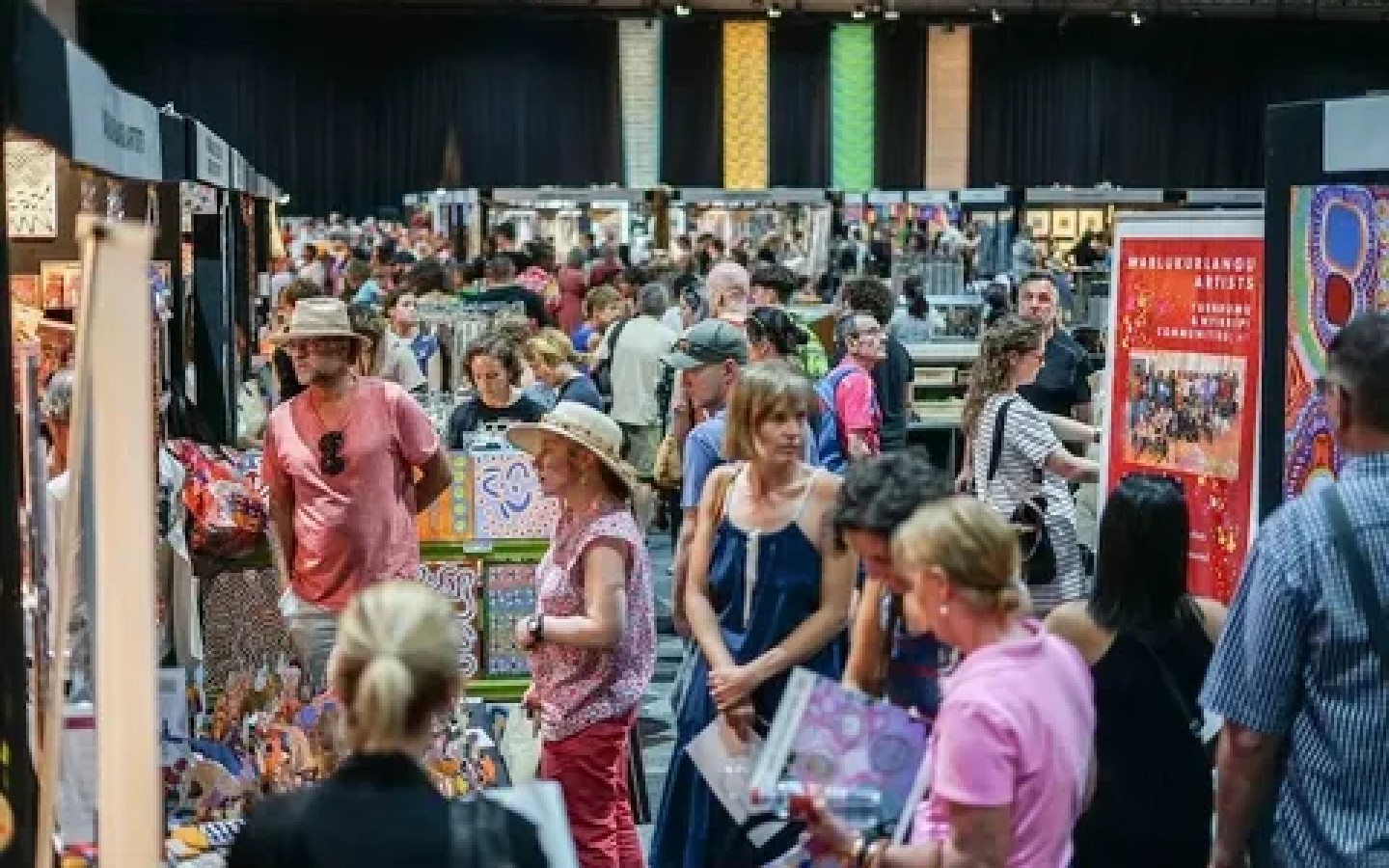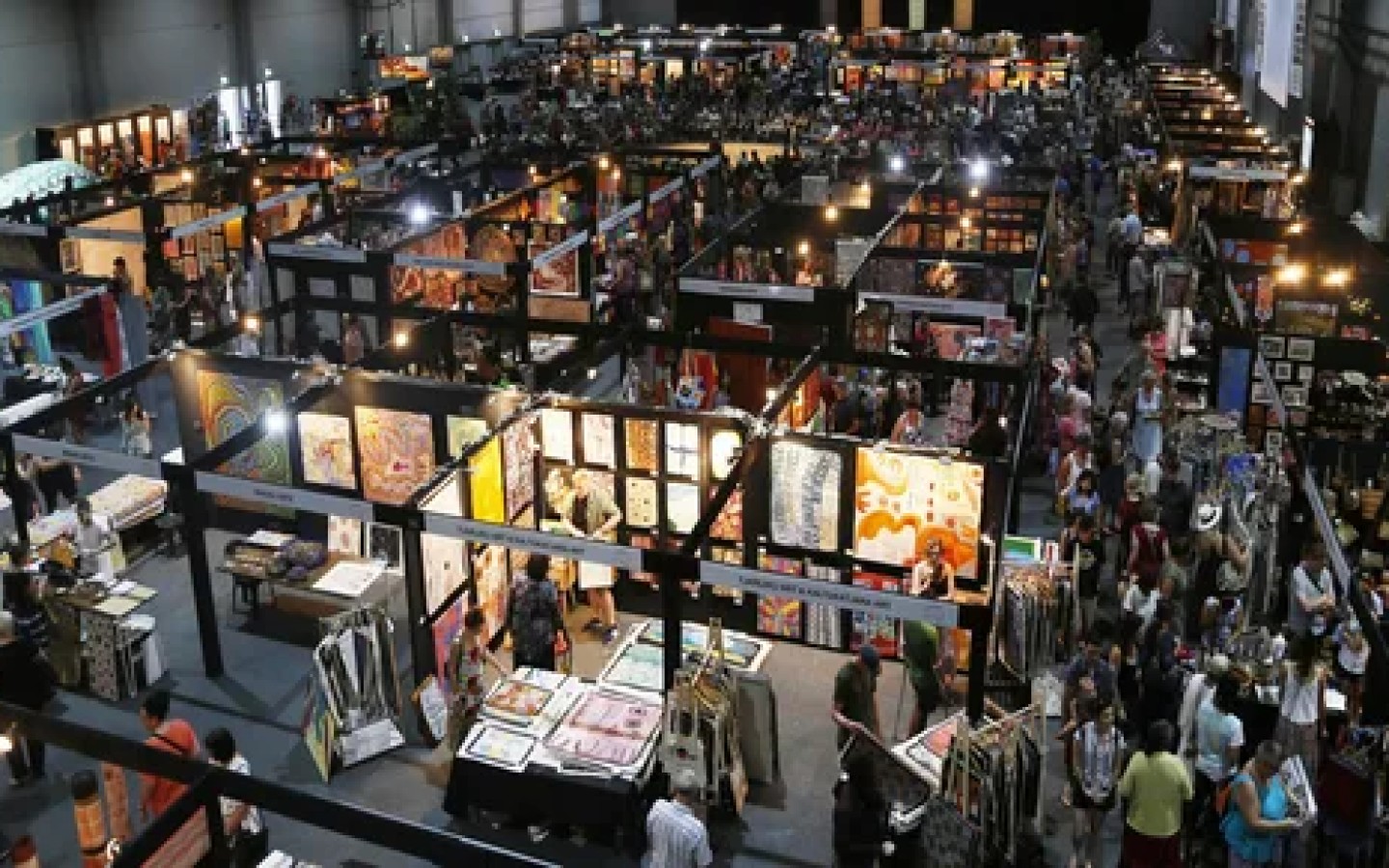


Darwin Aboriginal Art Fair 2026 takes place from 6 to 9 August at the Darwin Convention Centre and online. The event celebrates its 20th edition with one of Australia’s most important presentations of Aboriginal and Torres Strait Islander art, design and culture.

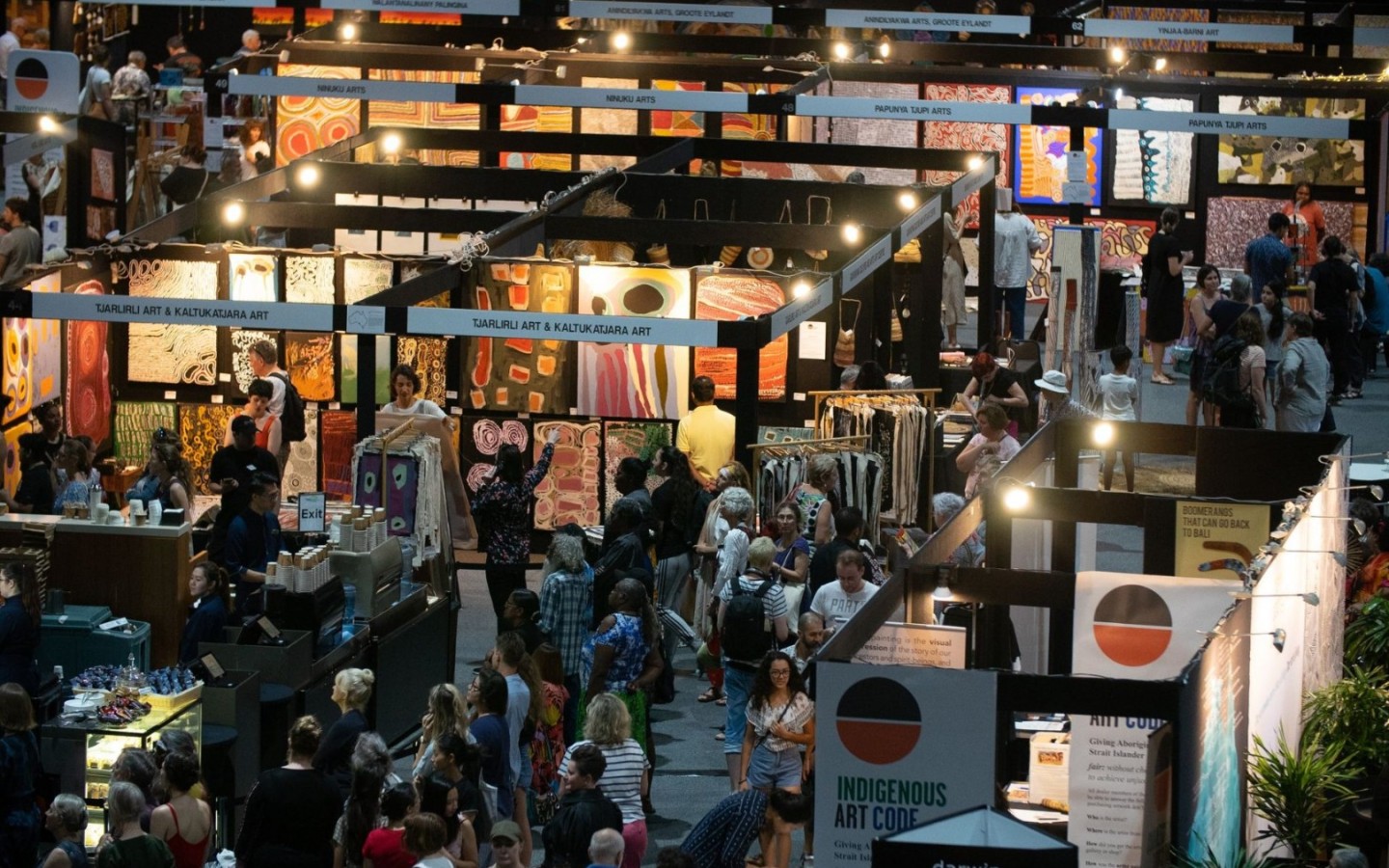
The fair creates a direct connection between visitors and Indigenous-owned Art Centres from across Australia. More than 1,500 emerging and established artists and designers are represented through over 80 participating Art Centres.

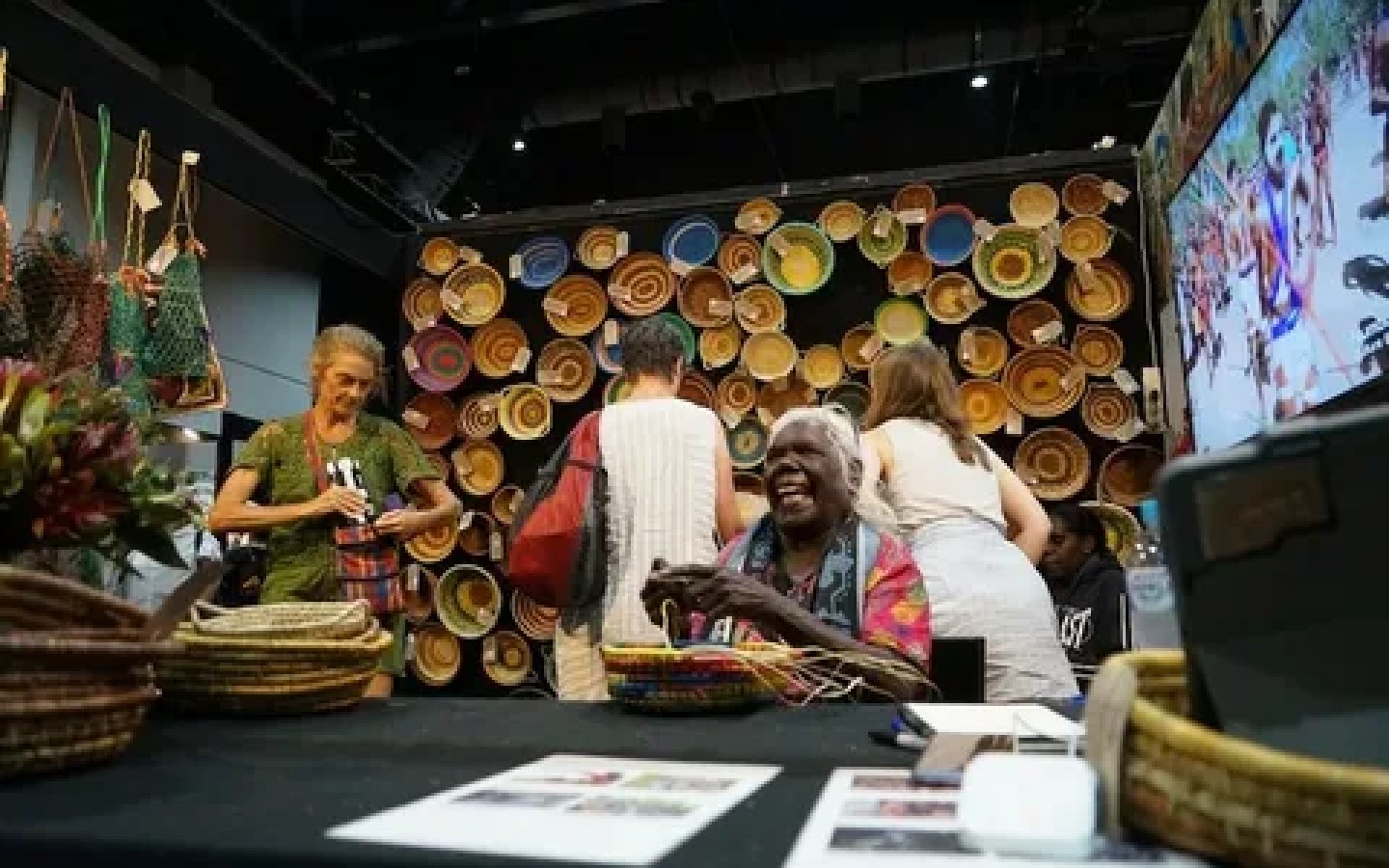
Visitors can discover paintings on canvas and bark, works on paper, limited-edition prints, sculpture, carvings, fibre art, textiles, fashion, cultural objects and other forms of contemporary First Nations artistic expression.

The public fair is free to attend from 7 to 9 August. A ticketed opening ceremony provides early access on 6 August, while an online edition allows international collectors and art lovers to participate remotely.

For ArtExpoWorld readers, Darwin Aboriginal Art Fair 2026 offers a rare opportunity to experience and ethically purchase First Nations art directly through organisations owned and operated by the communities they represent.
The 20th Darwin Aboriginal Art Fair opens with a ticketed ceremony on Thursday, 6 August, from 17:00 to 20:30. The event gives visitors an early opportunity to explore the fair and celebrate with artists, Art Centre representatives and supporters.

Public admission begins on Friday, 7 August. Opening hours are:

Friday, 7 August: 10:00–16:00
Saturday, 8 August: 10:00–17:00
Sunday, 9 August: 10:00–16:00

A daily accessibility hour runs from 09:00 to 10:00 before the general public enters. The reduced-crowd session is designed to provide a lower-sensory visiting experience.

The fair occupies Halls 1–4 of the Darwin Convention Centre in the Darwin Waterfront Precinct on Larrakia Country.

Visitors can also join the online fair from 10:00 on Friday, 7 August until 21:00 on Sunday, 9 August, Australian Central Standard Time.

The public programme includes artist talks, cultural dance performances, material demonstrations, workshops, masterclasses and children’s activities. Some programme events are free, while others may require separate tickets or registration.

The wider DAAF Foundation programme begins before the main fair. Country to Couture takes place on 2 and 3 August, presenting First Nations textiles, fashion and wearable art. The National Indigenous Fashion Awards follow on 5 August.

Darwin Aboriginal Art Fair 2026 Event Overview

Darwin Aboriginal Art Fair 2026 – Indigenous Art and Culture in Australia

DAAF Foundation takes no commission from artwork sales. All sales revenue returns to the participating Indigenous-owned Art Centres, supporting artists, cultural programmes and communities across Australia.

Dates:

6 August 2026 - 9 August 2026

Location:

Darwin Convention Centre, 10 Stokes Hill Road, Darwin, Northern Territory, Australia

Mission:

The mission of Darwin Aboriginal Art Fair 2026 is to celebrate and strengthen Aboriginal and Torres Strait Islander art, culture, and creative enterprise. The fair provides Indigenous-owned Art Centres with a national and international platform through which they can present artists, build relationships with collectors, and generate income for their communities. Ethical purchasing is central to the event. DAAF Foundation does not take commission from artworks sold at the fair, meaning that all sales revenue returns to the participating Art Centres, artists, and communities. The fair also protects artistic agency. Rather than separating Indigenous artworks from the people and cultural contexts that created them, DAAF allows Art Centres to control how artists and their stories are represented. Its mission extends beyond commercial sales. The public programme encourages cultural exchange, education, and direct conversation between visitors, artists, and Art Centre representatives.

Organizer:

Darwin Aboriginal Art Fair 2026 is organised by the Darwin Aboriginal Art Fair Foundation. The Foundation is a not-for-profit Indigenous organisation owned and governed by the Aboriginal and Torres Strait Islander Art Centres and peak bodies it represents. DAAF is the organisation’s signature event. The Foundation also develops public programmes, professional opportunities and Indigenous Fashion Projects, which includes Country to Couture and the National Indigenous Fashion Awards. Its governance model is an important part of the fair’s identity. Participating communities are not simply exhibitors within an externally controlled event; they are represented within the organisation that owns and delivers it.

Why attend to Darwin Aboriginal Art Fair 2026?

Darwin Aboriginal Art Fair 2026 is worth visiting because it presents an extraordinary range of First Nations art within a culturally responsible and community-controlled environment.

For collectors, the fair offers a clear ethical pathway for purchasing artworks. Buyers can speak directly with Art Centre representatives, learn about artists and communities, and understand where the money from each purchase goes.

For museum professionals and curators, DAAF provides access to artists and organisations from across Australia, including many communities located far from the country’s major cultural centres.

For new collectors, the fair offers works across different media, sizes and price points. Prints, works on paper, textiles and smaller objects can provide accessible starting points for a collection.

For cultural travellers, the fair is part of a wider week of events involving visual art, fashion, performance and Indigenous cultural practice.

For families, the public programme creates opportunities to engage with artists, materials, stories and cultural traditions through demonstrations and activities.

Ticket Information

General admission costs

Public admission to Darwin Aboriginal Art Fair is free from 7 to 9 August 2026, although advance registration is recommended.

The opening ceremony on Thursday, 6 August is a separately ticketed event.

The accessibility hour from 09:00 to 10:00 on each public day requires registration.

Some workshops, masterclasses and special public programme events may require separate bookings or paid tickets.

Access to the online fair is available for visitors unable to attend in Darwin. Early registration is recommended for online shopping access.

Visitors should confirm final ticket availability and individual programme conditions before attending.

Getting There:

Darwin Aboriginal Art Fair 2026 takes place at the Darwin Convention Centre, 10 Stokes Hill Road, Darwin, Northern Territory.

The venue is located in the Darwin Waterfront Precinct, close to restaurants, hotels, public spaces, and central Darwin.

Visitors staying in the city centre may be able to reach the convention centre on foot, depending on their hotel and weather conditions.

Taxis, rideshare services, hotel transfers, and local buses are available. Visitors traveling by car should check parking options around the waterfront before arrival.

International and domestic visitors normally arrive through Darwin International Airport. The airport is approximately a 15-minute drive from central Darwin under normal traffic conditions.

Darwin is warm during August, although it is the dry season. Visitors should bring sun protection, comfortable clothing, and water when walking between cultural venues.

Accommodation

The Darwin Waterfront is the most convenient location for visitors who want to stay close to the convention centre. The area includes hotels, apartments, restaurants, and waterfront facilities.

Central Darwin is another practical choice, offering a broader selection of accommodation, restaurants, and access to Darwin Festival venues.

The Esplanade may appeal to visitors who want harbour views and easy access to the city centre.

Parap and Fannie Bay offer a more residential atmosphere and access to markets, museums, and local dining, although transport to the convention centre will be required.

Accommodation should be booked early. DAAF takes place during one of Darwin’s busiest cultural periods, alongside Darwin Festival and several major First Nations art events.

Gallery: Darwin Aboriginal Art Fair 2026

Secure Your Spot at Darwin Aboriginal Art Fair 2026 — Before It's Too Late

Tickets are limited and sell out fast.
Get instant access to the Darwin Aboriginal Art Fair 2026 registration page and be the first to know about exclusive events, VIP passes, and travel perks.

Early access. Limited availability. Global art at your fingertips.

History & Context of a Darwin Aboriginal Art Fair 2026

The first Darwin Aboriginal Art Fair was held in 2007 after discussions about creating a platform for Art Centres visiting Darwin during the annual National Aboriginal and Torres Strait Islander Art Awards.

The inaugural event presented 16 Aboriginal-owned Art Centres from the Northern Territory. Its success demonstrated the need for a permanent national meeting place connecting Art Centres, artists, collectors, and cultural professionals.

The Darwin Aboriginal Art Fair Foundation was formally established as an independent not-for-profit organisation in 2012. It is owned and governed by the Aboriginal and Torres Strait Islander Art Centres and peak organisations it represents.

The 2026 edition celebrates 20 fairs and reflects the extraordinary growth of the event. What began as a small gathering of Northern Territory organisations has become a nationally significant platform involving communities from remote desert and coastal regions, regional towns, and urban areas across Australia.

Darwin provides an especially meaningful setting. The city stands on Larrakia Country and becomes a major centre for First Nations art and culture every August through DAAF, the National Aboriginal and Torres Strait Islander Art Awards, Darwin Festival, and related exhibitions.

Tips for Visitors of Darwin Aboriginal Art Fair 2026

Register in advance even though public entry is free. Registration can make arrival easier and helps the organisers manage visitor numbers.

Attend the opening ceremony if you want early access and a more celebratory introduction to the fair. This event requires a separate ticket.

Allow at least three hours for the public fair. Serious collectors may need most of a day to compare works and speak with different Art Centres.

Do not focus only on artworks that match familiar ideas of Aboriginal art. The fair includes enormous diversity in materials, styles, regional traditions and contemporary approaches.

Ask the Art Centre about the artist, Country, materials, story, provenance, shipping and care requirements before buying.

Avoid bargaining aggressively. Prices help support artists, Art Centre staff, cultural programmes and remote community infrastructure.

Plan time for the public programme, particularly artist talks and material demonstrations. These activities can provide essential context for understanding the works.

Combine the fair with Country to Couture, the National Indigenous Fashion Awards and the Telstra National Aboriginal and Torres Strait Islander Art Awards.

Tips from the ArtExpoWorld

Do not visit DAAF simply looking for a decorative artwork that fits an empty wall. First Nations art carries relationships with Country, family, knowledge and community that deserve attention.

Speak with Art Centre representatives and learn how the organisation supports its artists. Understanding the Art Centre model is one of the most important parts of the fair experience.

Buy because you genuinely connect with the work, but also understand the responsibility involved. Ethical collecting begins with provenance, respect and transparency.

Be the First to Access Official "Darwin Aboriginal Art Fair 2026" Tickets

Don’t miss your chance to attend one of the world’s leading art fairs. Get direct access to the official ticketing page, exclusive updates, and important visitor information.

Early access. Limited availability. Global art at your fingertips.

Editor’s Note

Darwin Aboriginal Art Fair 2026 matters because it gives First Nations artists and communities control over how their work enters the market. It replaces distance and anonymity with direct relationships, cultural context, and ethical responsibility.

For ArtExpoWorld, the fair’s greatest strength is its governance. DAAF is not simply an event presenting Indigenous art; it is owned and guided by the Art Centres it exists to support.

The 20th edition also demonstrates the strength of the Art Centre movement.

Organisations from remote, regional, and urban communities come together without losing their distinct cultural identities.

Darwin Aboriginal Art Fair 2026 is essential for collectors and cultural travellers who want to experience contemporary Australian art through the artists, communities, and organisations shaping its future.

Current and Upcoming Art Expos