









Spring Art Fairs in Europe 2027: Four Different Ways to Look
The March and April 2027 calendar can take a visitor from speculation about the future to objects with centuries of history. Madrid gives its central programme the title ARCO2046. Maastricht moves across periods and collecting fields. Rotterdam makes photography and publishing part of a contemporary encounter, while Brussels follows in April.
These four fairs belong to different kinds of art trip. This selection compares the experience each can offer, with announced dates separated from preview arrangements. It does not suggest that the whole route must be completed to understand the season.
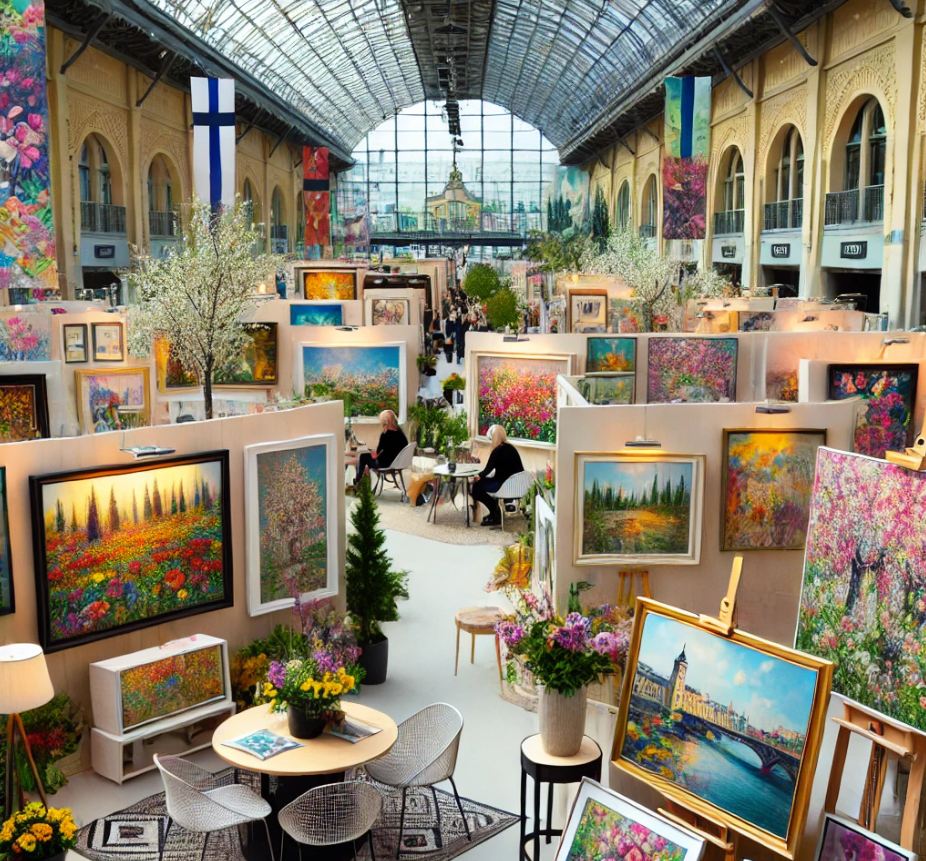
The 2027 calendar at a glance
|
Event |
City and venue |
Announced 2027 dates and access |
|
ARCOmadrid 2027 |
Madrid, IFEMA MADRID |
3–7 March 2027; public access from 15:00 on 5 March 2027 |
|
TEFAF Maastricht 2027 |
Maastricht, MECC |
13–18 March 2027 |
|
Art Rotterdam 2027 |
Rotterdam, Ahoy |
19–21 March 2027 public; private opening 18 March 2027 |
|
Art Brussels 2027 |
Brussels, Brussels Expo |
15–18 April 2027; check detailed public-access arrangements |
1. Madrid: a fair thinking beyond the next edition
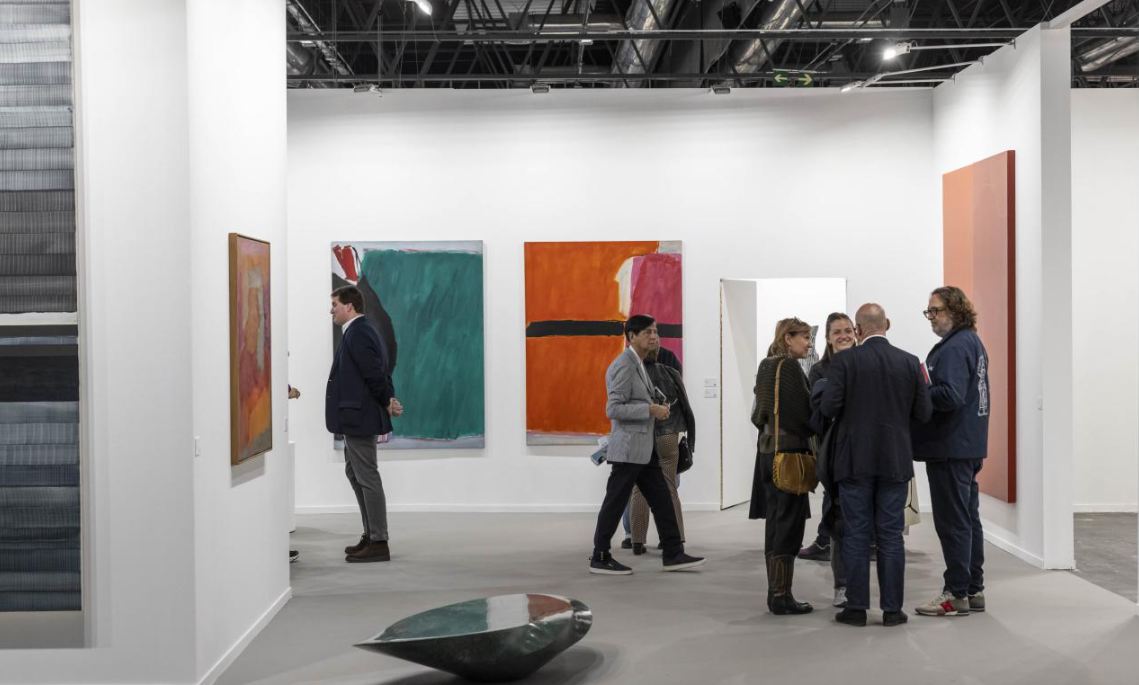
ARCOmadrid 2027 runs from 3 to 7 March, with public entry starting at 15:00 on 5 March. ARCO2046 is developed through two curatorial spaces, while Opening. New Galleries and Profiles | Latin American Art offer distinct points of entry.
Madrid is the choice here for readers who want a curatorial proposition to remain prominent within the market event. A future-facing programme becomes interesting when it changes the relationship between specific works. We would look for disagreement and precision, rather than one smooth prediction of what comes next.
2. Maastricht: the object and the research around it
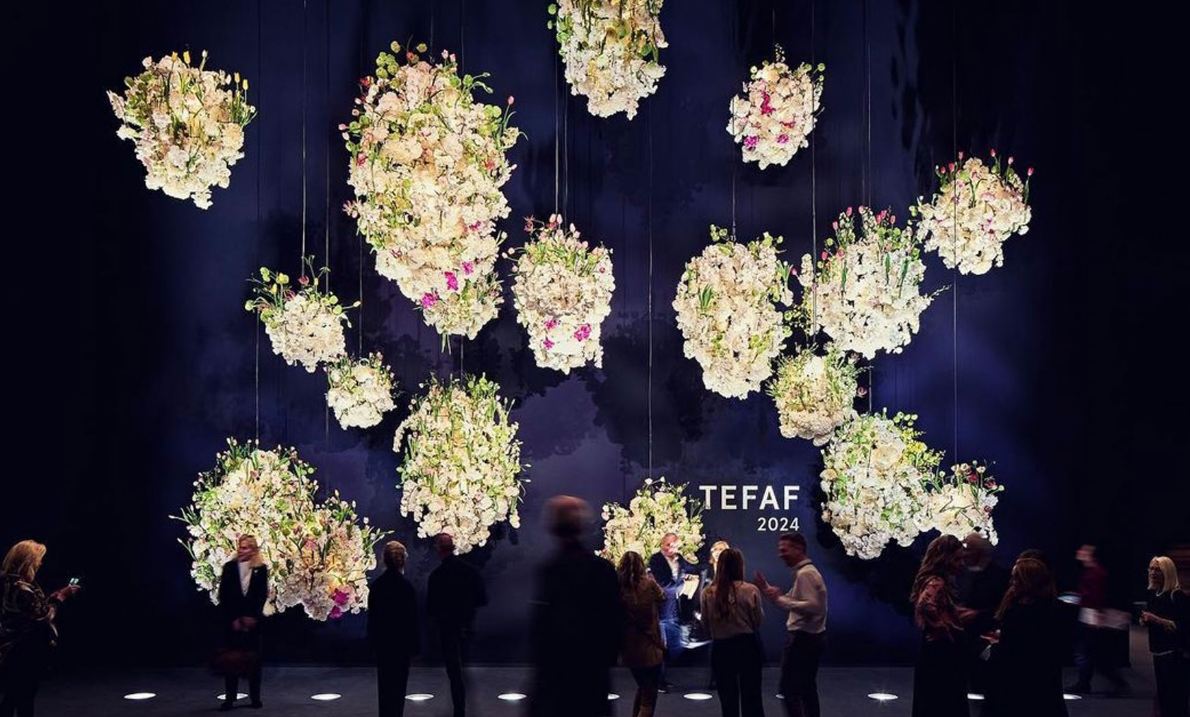
TEFAF Maastricht 2027 takes place from 13 to 18 March at MECC. Fine art, antiques, and design sit within a historical range that extends from ancient objects to more recent work. Specialist examination and explanation are central to its character.
This is the strongest contrast to Madrid's contemporary focus. A visit can reveal how attribution, physical condition, and provenance contribute to the account of an object. Looking becomes more specific once the eye knows what a specialist is distinguishing.
3. Rotterdam: contemporary work at different speeds
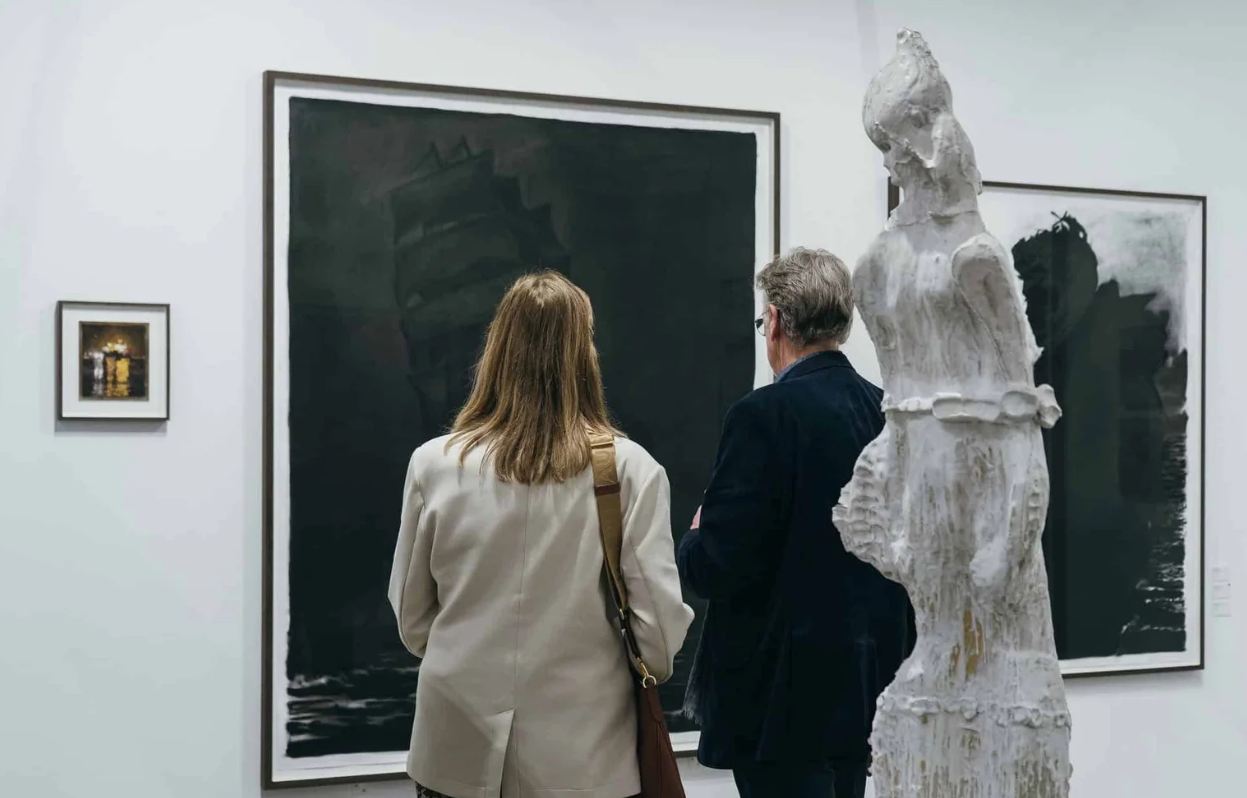
Art Rotterdam 2027 opens publicly from 19 to 21 March at Ahoy, following a private opening on 18 March. The Unseen Book Market is announced as an integral part of the photographic fair floor, alongside other formats for encountering contemporary practice.
The photobook matters because it makes sequence an artistic decision. A work understood across pages can ask something different from a single photograph on a wall. Rotterdam is our choice for visitors who want the forms of presentation to become part of the discussion.
4. Brussels: a separate April contemporary-art visit
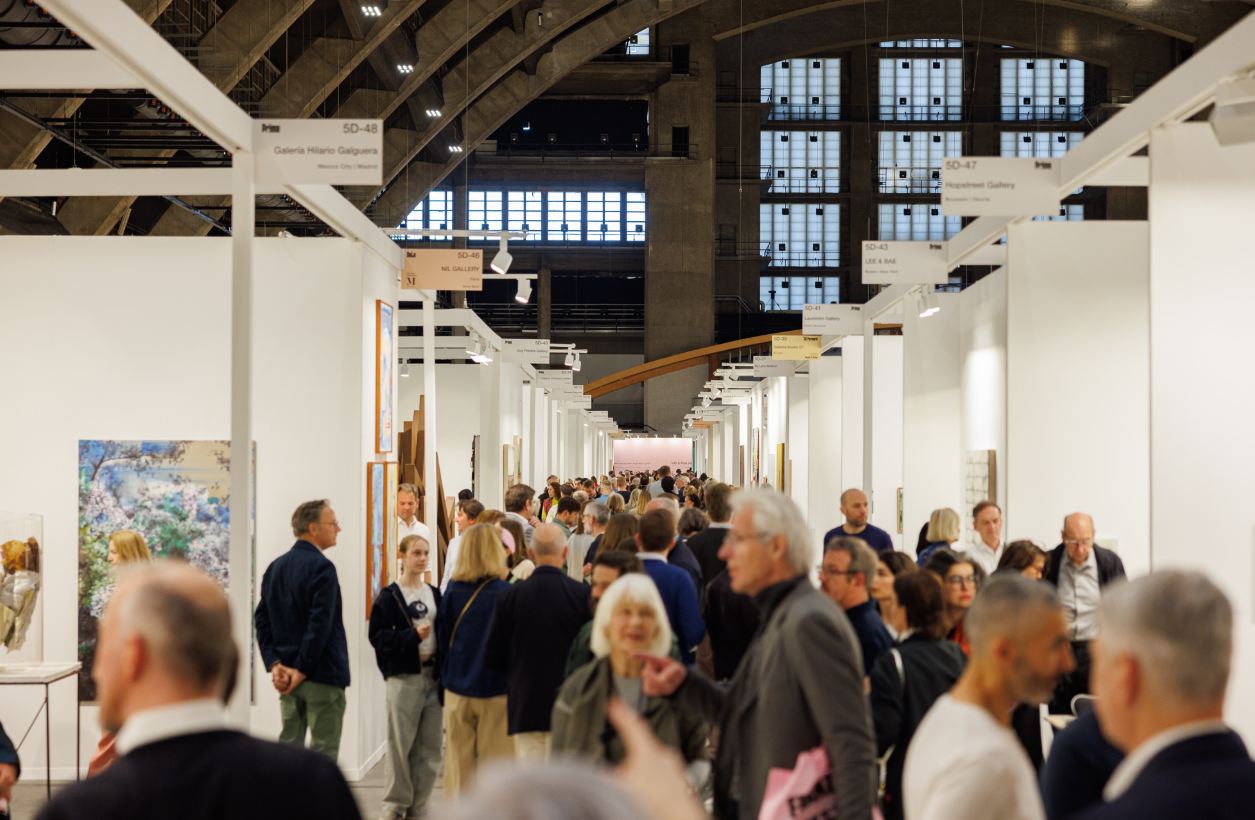
Art Brussels 2027 is announced for 15 to 18 April at Brussels Expo. The fair's contemporary identity makes it a later point of comparison with the March events, while the detailed public and preview arrangements should be checked before booking a session.
We would approach Brussels through its eventual gallery and project selections. Its position in the calendar gives an existing interest time to develop between visits: an artist encountered in March can be researched rather than simply carried forward as a name on a shortlist. That is a reason to leave a gap, not a requirement to attend both.
How to choose your visit
Choose Madrid for a curatorial and Latin American conversation, Maastricht for historical objects and specialist knowledge, Rotterdam for current practices and photographic forms, and Brussels for an April contemporary gallery encounter.
The events also allow a deliberate comparison. Madrid and Rotterdam ask different questions of contemporary presentation; Maastricht can put either visit into a much longer material history. The purpose of combining them should be clear enough to explain before adding the travel.
Planning the dates
Maastricht's announced period ends on 18 March; Rotterdam's public days begin on the 19th. They can form a sequential Netherlands visit, although transport, accommodation, and admission remain separate arrangements.
Madrid's first public session is late on 5 March. Art Brussels' overall dates should not be treated as a complete public timetable. Check the chosen session and allow enough viewing time instead of planning only around the first and last dates on a calendar.
Editor’s Note
We find the differences within this spring calendar more interesting than a hierarchy of prestige. TEFAF can change how a visitor thinks about evidence, while Rotterdam can change how they think about sequence and duration. ARCO asks how a fair might frame a future.
Those are substantial reasons to travel. The season becomes less useful when every event is described through the same promise of discovery, with no explanation of what distinguishes the encounter.
Our recommendation is to choose one primary argument, then add a second fair only if it complicates that argument. A coherent pair can produce a richer visit than a crowded circuit.