







How Collectors Across Greater China Are Building Cultural Infrastructure
Collectors in Greater China are doing much more than buying art.
They are building museums.
They are funding artist residencies.
They are creating archives.
They are donating collections.
They are commissioning new work.
They are supporting exhibitions and research.
In regions where contemporary art institutions remain relatively young, private collectors can influence cultural infrastructure on an extraordinary scale.
The stories of Uli Sigg, Leo Shih, Evan Chow, Lu Xun and the founders of M Art Foundation demonstrate several different models.
Some collectors become archivists.
Some become museum founders.
Some become patrons.
Others decide that collecting physical objects is not even necessary.
Together, they reveal a rapidly evolving culture of private support across Mainland China, Hong Kong and Taiwan.
Uli Sigg Builds an Encyclopedic Collection
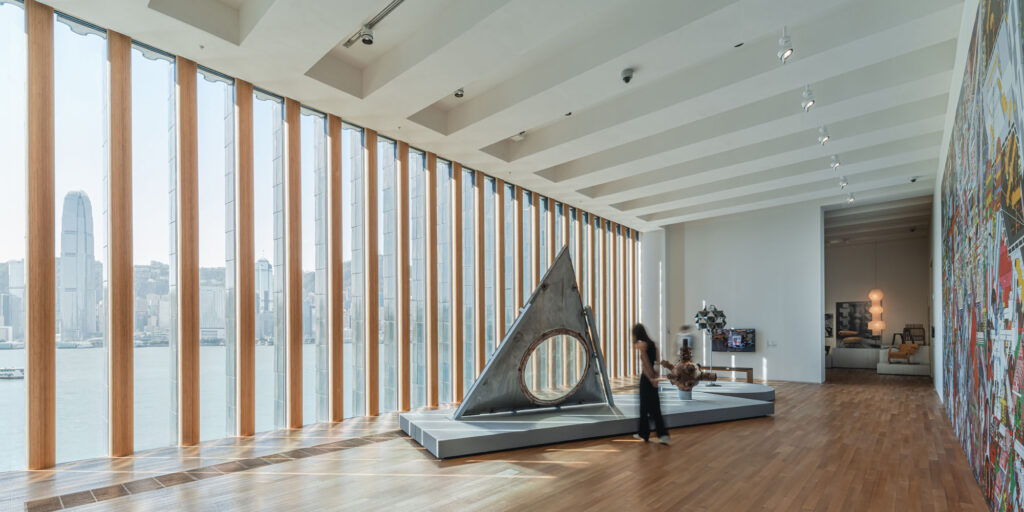
Swiss businessman and diplomat Uli Sigg developed what became one of the world’s most important collections of Chinese contemporary art.
His holdings covered the period from approximately 1972 to 2012.
Sigg did not approach Chinese art as a search for personal favorites alone.
He collected systematically.
The goal was almost encyclopedic.
He wanted to capture the development of Chinese contemporary art across several decades.
This meant acquiring not only the most beautiful or commercially attractive works.
It meant preserving key moments, movements and artists necessary to understand the history.
Why Sigg Started Collecting Systematically
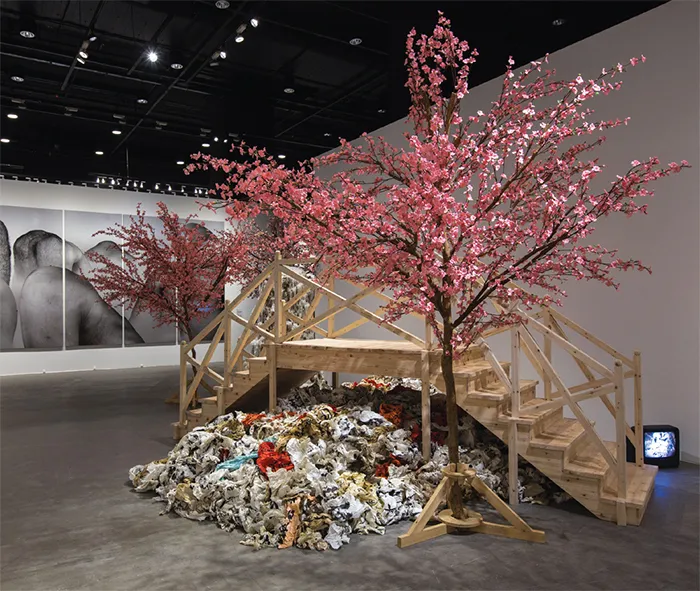
Sigg originally approached Chinese art through intellectual curiosity.
He wanted to understand China.
Over time, he realized something important.
No major institution was building a sufficiently comprehensive contemporary Chinese collection.
Someone needed to preserve the history while it was still unfolding.
A private collector had the freedom to move faster than public institutions.
Sigg began filling gaps deliberately.
The collection became a historical project.
The M+ Donation Changes Hong Kong
In 2012, Sigg donated 1,463 works to M+ in Hong Kong.
At that stage, M+ was still developing its identity.
The donation became one of the foundations of the museum’s collection.
M+ curator Isabella Tam has described the unusual scope of Sigg’s holdings.
Because the collection was systematic rather than driven only by personal taste, it captured developments across Chinese contemporary art history.
This gave M+ something extremely difficult to build retrospectively.
A coherent historical archive.
Sigg Prize and Cultural Recognition
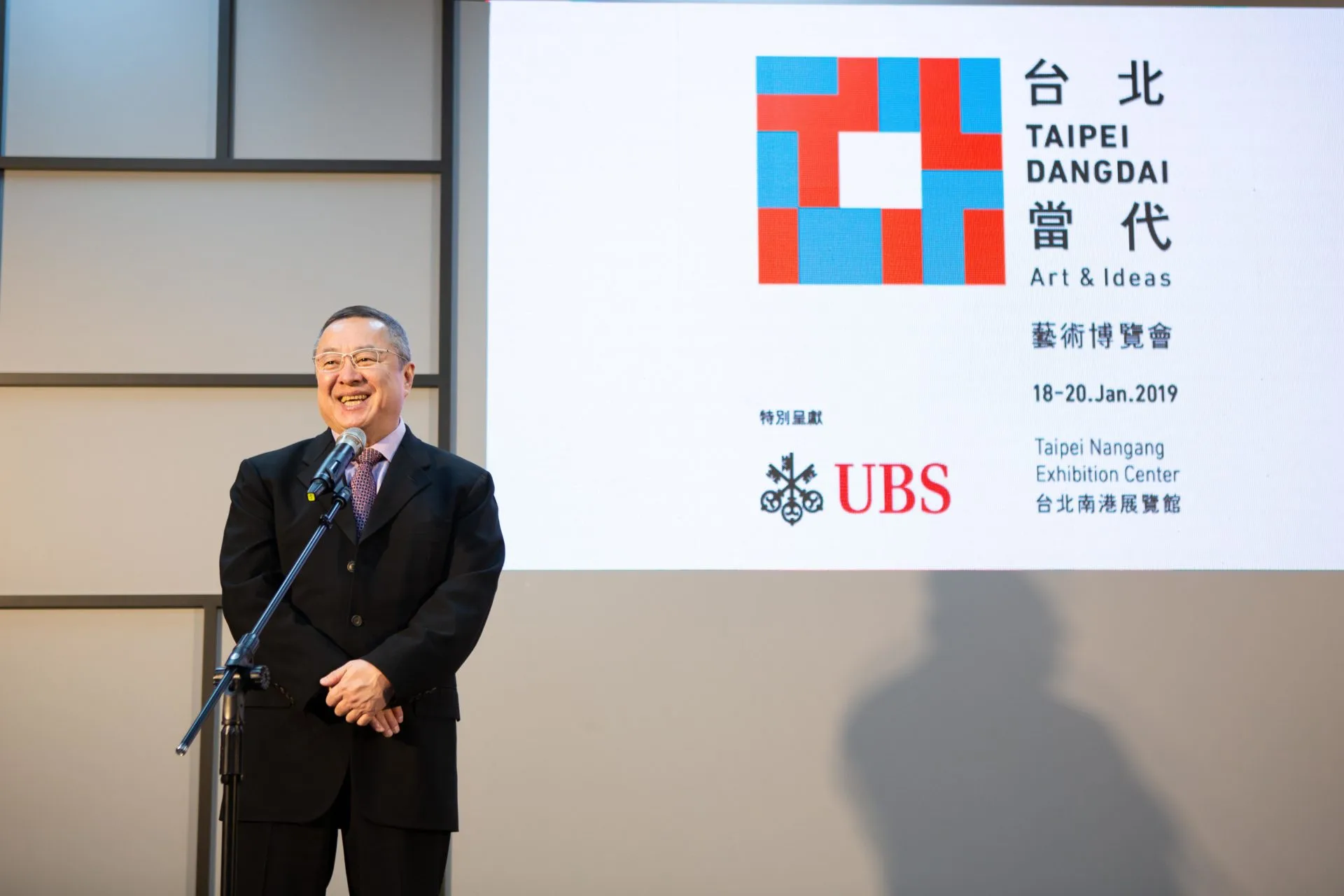
Sigg also created the Chinese Contemporary Art Award in 1998.
It later became the Sigg Prize.
Awards influence artistic ecosystems differently from purchases.
They create visibility.
They encourage critical attention.
They bring artists into institutional discussion.
For Sigg, collecting and cultural infrastructure became interconnected.
Leo Shih: The Collector as Custodian
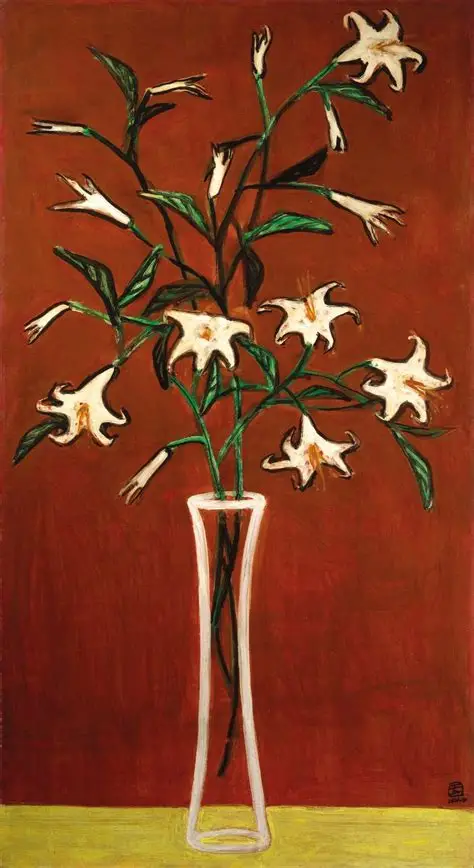
In Taichung, Taiwan, businessman and hardware inventor Leo Shih developed another model.
His collection numbers more than 2,000 works.
A major focus is the first generation of Chinese oil painters who travelled to Europe for education during the 1920s.
Artists include Sanyu, Xu Beihong, Lin Fengmian and Yan Wenliang.
This period is historically crucial.
Chinese artists were encountering European Modernism while developing new relationships between Western oil painting and Chinese cultural traditions.
Preserving Works Lost Through History
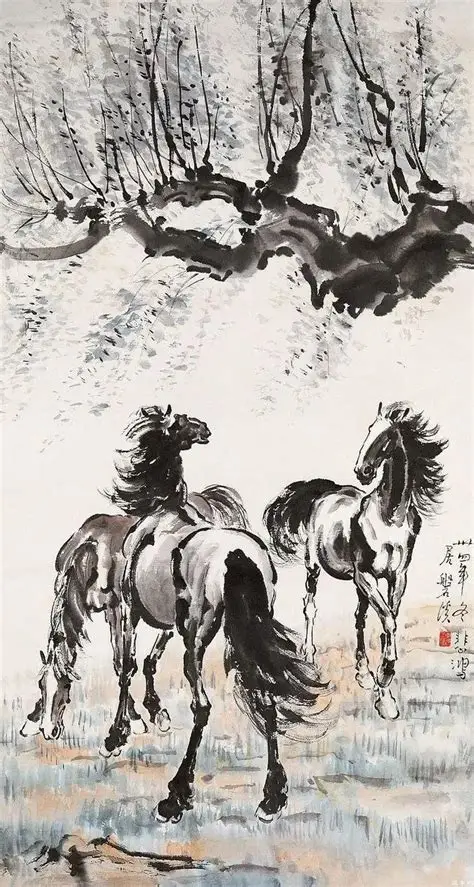
Many works from this generation were lost or destroyed, particularly during periods of political upheaval including the Cultural Revolution.
Shih’s collection therefore performs a preservation function.
He does not describe collectors simply as owners.
He sees them as custodians.
The collector protects an artwork temporarily before passing it onward.
This idea challenges the emotional language of possession.
No collector lives forever.
The work has a longer timeline.
Research Before Advisors
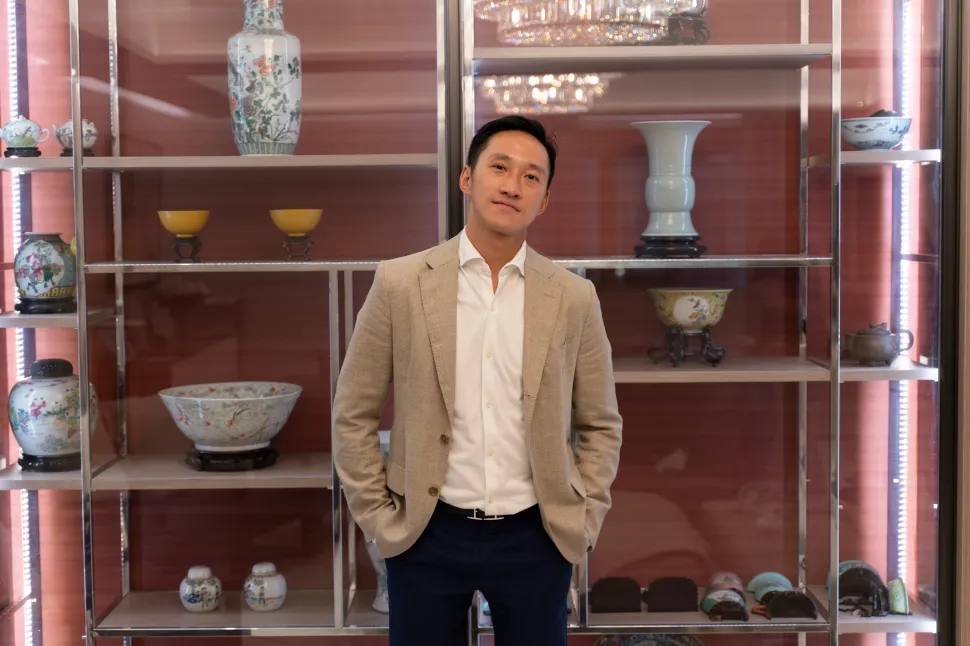
When Shih began collecting seriously in the early 2000s, specialist art advisors with deep knowledge of first-generation Chinese oil painters were rare.
He relied heavily on his own research.
He also learned from other collectors.
This created a scholarly approach.
Rather than acquiring based only on reputation, Shih studied biographies, exhibitions and historical context.
His collection became almost an archive of a specific chapter in Chinese modern art.
Lending More Than Owning
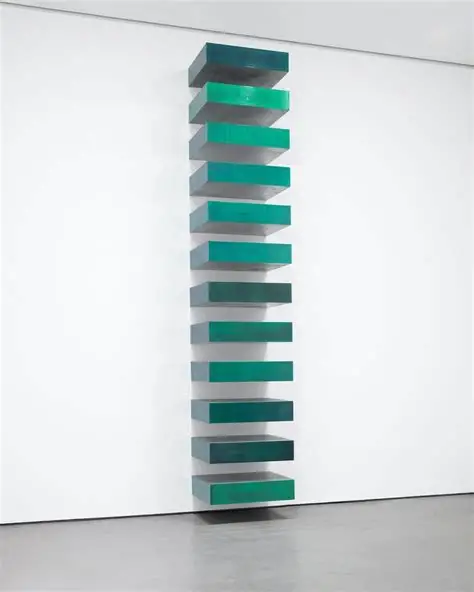
Shih regularly lends works to institutions internationally.
This gives privately owned objects public life.
Loans also create scholarship.
Curators examine the work.
Catalogues document it.
Conservators study it.
A private collection can therefore contribute to historical knowledge without becoming a museum itself.
Evan Chow and Contemporary Patronage in Hong Kong
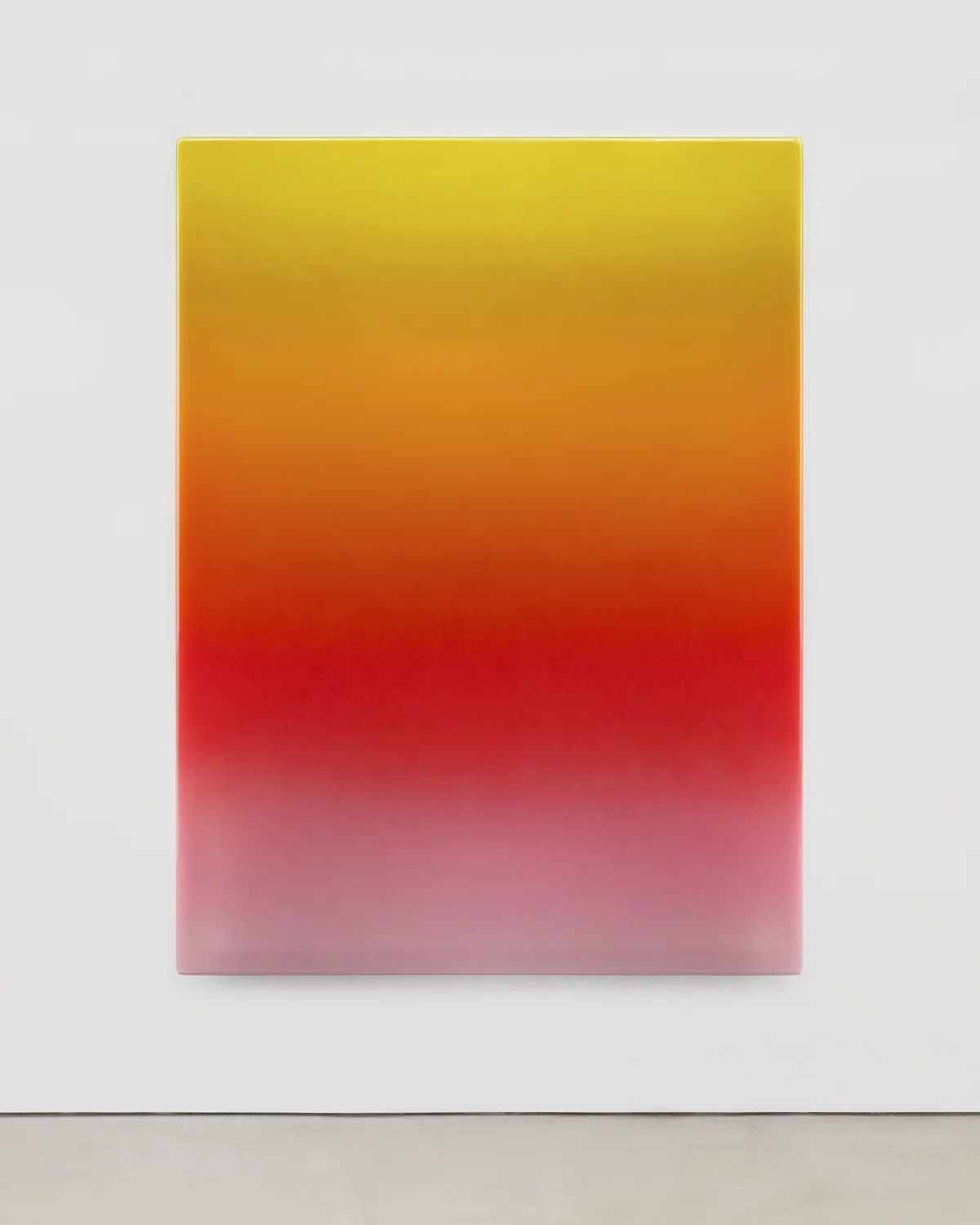
Hong Kong financier Evan Chow represents another model.
His collection includes artists such as Donald Judd, Mika Tajima and Chris Huen Sin Kan.
Chow initially found the process of working with art advisors difficult.
Collecting is personal.
External advice can become overwhelming when the collector has not yet developed confidence.
Over time, Chow built an in-house team.
The team helps plan acquisitions, conduct research and refine the collection’s direction.
This is a professionalized collecting structure more commonly associated with major family offices.
The In-House Collection Team
An in-house art team can handle:
research,
provenance,
condition,
museum loans,
insurance,
shipping,
and collection strategy.
This allows the collector to maintain long-term consistency.
It also reduces dependence on sellers whose financial incentives may not always align with the buyer.
Professionalization becomes increasingly necessary as collections grow in scale and complexity.
Patronage Beyond Acquisition
Chow believes collectors should give back to the cultural community.
He supports artist residencies and exhibitions.
He serves on the board of governors of the Hong Kong Arts Centre.
He is part of the founding patrons group at M+.
He also became the first Hong Kong-based trustee appointed to the board of the New Museum of Contemporary Art in New York.
Through the New Museum, he has supported exhibitions involving Asian artists including Wong Ping and Mire Lee.
Telling the Story of an Era
Chow wants his collection to reflect the zeitgeist.
This is an ambitious goal.
A collection created in real time can become historical evidence later.
The challenge is avoiding the temptation to collect only what already appears fashionable.
Capturing an era requires recognizing practices that may seem marginal at the time.
This is why patronage and research matter alongside purchasing.
Lu Xun and Sifang Art Museum
Chinese collector Lu Xun founded the Sifang Art Museum with his father, real estate developer Lu Jun.
The museum opened in 2013.
Its mission focuses on important contemporary practices from China and around the world.
Lu argues that private museums play a particularly important role in Mainland China because many state institutions have limited flexibility around contemporary art.
Private institutions can therefore fill gaps.
Steven Holl Designs the Museum
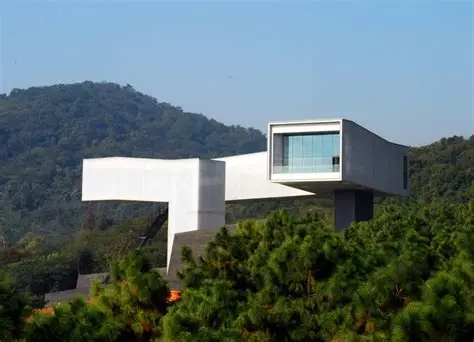
Sifang Art Museum occupies a striking building designed by architect Steven Holl.
The museum sits within Sifang Parkland outside Nanjing.
The wider project covers approximately 115 acres.
Originally, Lu Jun had the opportunity to develop luxury residential property on the site.
He chose another direction.
He wanted to contribute to China’s architectural culture.
Wang Shu, David Adjaye and an Architecture Park
Lu Jun invited leading architects to design buildings throughout the site.
Participants included Chinese architect Wang Shu, winner of the Pritzker Prize, and international architect David Adjaye.
Around 20 buildings were created.
The complex includes a hotel, sculpture park, villas and spaces for artist residencies.
This transforms collecting into something much larger.
Architecture itself becomes part of the cultural project.
Buildings as Long-Term Cultural Works
Lu believes good architecture differs from temporary exhibitions because buildings remain.
An exhibition is installed and dismantled.
A significant building continues being reinterpreted as its cultural context changes.
This philosophy gives Sifang Parkland an unusual identity.
It is simultaneously a museum, architecture project, landscape and residency environment.
Supporting Emerging and Mid-Career Artists
Sifang Art Museum does not exist only to display Lu’s collection.
The museum commissions site-specific works.
It supports artist residencies.
It organizes exhibitions by Chinese and international artists.
This production-focused mission is important.
The institution does not merely preserve what already exists.
It helps new work happen.
The Shanghai Satellite Space
Around five years before the Art Basel article, Lu opened an experimental satellite space in Shanghai.
The space occupies a Modernist apartment building dating from 1929.
Some of Sifang’s strongest exhibitions have taken place there.
Solo exhibitions included artists such as Xie Fan, Du Jingze and Zhang Ruyi.
Smaller satellite spaces can often take greater curatorial risks than large museums.
They require less infrastructure.
They can react quickly.
M Art Foundation: A Foundation Without a Collection
M Art Foundation offers perhaps the most radical model.
Founded in Shanghai in 2021 by two collectors who prefer to remain anonymous, the foundation deliberately does not focus on accumulating physical objects.
Director Zong Han describes it as a non-collecting entity.
This immediately challenges the traditional idea of a collector foundation.
Instead of building a museum around possessions, the foundation supports artistic production.
Supporting Projects Rather Than Objects
M Art Foundation provides funding for artists developing experimental projects.
Its Annual Artist Project may cover approximately 50% to 60% of the budget required to realize particular works.
Recipients have included He Xiangyu and Zhou Tao.
This can be more valuable to artists than purchasing one finished object.
Complex installations, films and research projects can be expensive to produce.
They may also be difficult to sell.
Funding allows artists to create work that market demand alone might not support.
Yu Ji Residency in Cambodia
The foundation has also funded a six-month residency in Cambodia for Chinese artist Yu Ji.
Residencies provide time and context.
The result does not necessarily need to be a collectible object.
The artist can research, experiment and build relationships.
This represents patronage in its older and broader sense.
Support comes before product.
Funding Knowledge Production
M Art Foundation also finances research essays.
This is another crucial form of infrastructure.
Art does not become history through objects alone.
Writers, scholars and curators need resources to document and interpret artistic practice.
Without texts, archives and exhibitions, important work can disappear from cultural memory.
Funding scholarship therefore has long-term value.
Expanding to Singapore
The foundation is also developing a base in Singapore.
This reflects a broader shift toward Southeast Asia.
Its mission is expanding from Chinese and Chinese-diaspora artists toward a wider regional context.
One supported artist is Singaporean Heman Chong.
The foundation funded production of new work planned for presentation at UCCA Dune in Qinhuangdao before travelling internationally.
This model builds networks across countries rather than concentrating activity in one city.
Why Collectors Matter So Much in Greater China
Greater China has extraordinary wealth and artistic production.
But contemporary cultural infrastructure has developed unevenly.
Private collectors can move quickly.
They can fund spaces and programs before public institutions are prepared to do so.
This creates opportunity.
It also creates risk.
When cultural infrastructure depends heavily on individual wealth, institutions may become vulnerable to changes in the founder’s priorities.
Professional governance and long-term funding therefore matter.
Four Different Models of Collecting
The stories reveal four distinct models.
Uli Sigg collects encyclopedically and donates historically.
Leo Shih preserves a specific historical period.
Evan Chow builds patronage networks and institutional boards.
Lu Xun creates museums, architecture and residencies.
M Art Foundation goes even further and questions whether a foundation needs to own artworks at all.
There is no single correct model.
The important question is what problem the collector is trying to solve.
Editorial Note
ArtExpoWorld believes Greater China provides some of the clearest evidence that collectors can become cultural infrastructure.
The most impressive projects are not necessarily the ones with the most expensive artworks.
Uli Sigg’s donation matters because it preserved a history.
Leo Shih’s collection matters because works from an endangered period survived.
Sifang matters because it combines art production with architecture.
M Art Foundation may be the most forward-looking of all because it is willing to support artists without demanding ownership.
That final point is especially important.
Patronage becomes most culturally useful when the collector is willing to fund things that cannot easily become assets.