









Art Fairs in the Netherlands in March 2027: Maastricht Then Rotterdam
Two Dutch fairs in March 2027 offer an unusually clear comparison. TEFAF Maastricht runs from 13 to 18 March; Art Rotterdam’s public days follow from 19 to 21 March. One places contemporary work within a vast historical context. The other focuses on current gallery practice, with photography and publishing contributing their own modes of attention.
The sequence can support a longer trip, but the difference in emphasis is the real reason to compare them. A visitor interested in material history may start from one question; a reader following an artist’s book or a moving-image work may start from another.
The 2027 calendar at a glance
|
Event |
City and venue |
Announced 2027 dates and access |
|
TEFAF Maastricht 2027 |
Maastricht, MECC |
13–18 March 2027 |
|
Art Rotterdam 2027 |
Rotterdam, Ahoy |
19–21 March 2027 public; private opening 18 March 2027 |
1. Maastricht: learning what an object can establish
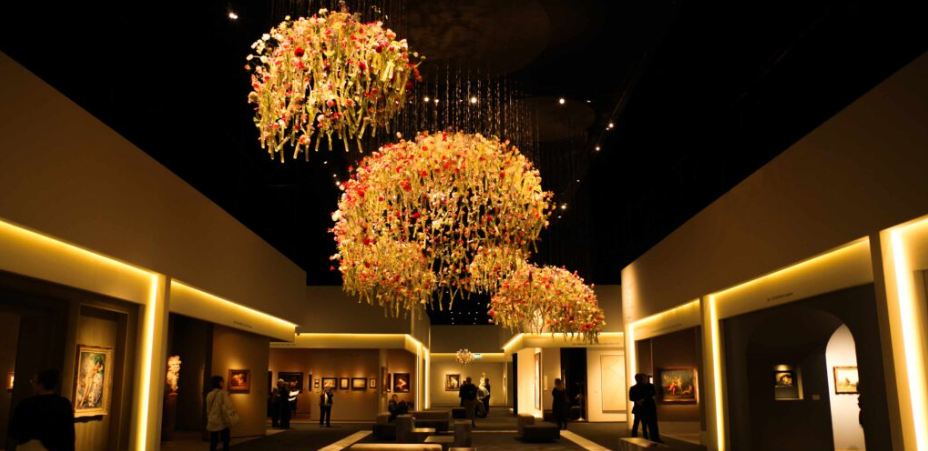
TEFAF Maastricht 2027 at MECC spans fine art, antiques, and design across periods. Historical paintings and ancient objects sit within a programme that also includes later art and other collecting fields. The specialist context surrounding each object is a defining part of the experience.
A visit can make evidence visible. An attribution, a conservation history, or a detail of production can change the way an object is understood. Ask a presenter to explain the particular feature supporting an account, then look for it rather than treating the explanation as something separate from the work.
We would recommend Maastricht for readers who enjoy the encounter between visual response and knowledge. A quiet object can become compelling through a precise distinction, even when it was not the piece that first caught the eye.
2. Rotterdam: how contemporary work changes across formats
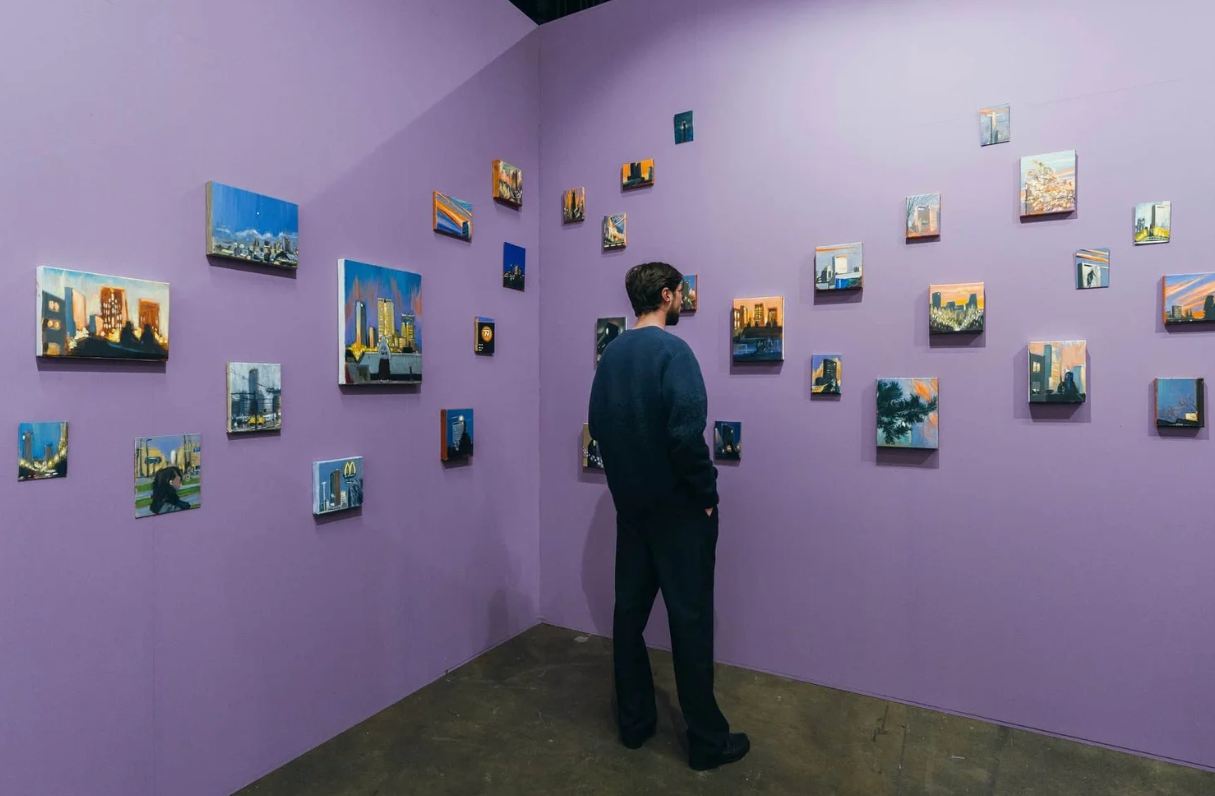
Art Rotterdam 2027 takes place publicly from 19 to 21 March at Ahoy. Its photographic context and the return of the Unseen Book Market to the fair floor make publishing a particular reason to follow this edition. The opening on 18 March is by invitation only.
A sequence of images in a book can make an argument that a single framed print cannot. Moving-image and sculptural presentations introduce further differences in duration and positioning. The visit becomes more engaging when those forms retain their own pace.
Rotterdam is the stronger choice here for readers following the conditions of current artistic presentation. The question can be how a practice reaches its audience, rather than simply which individual work is available to acquire.
How to choose your visit
For historical objects, specialist research, and comparisons across centuries, begin with Maastricht. For contemporary galleries, photographic forms, and publishing, begin with Rotterdam. The distinction is one of emphasis: it does not imply that either fair contains only one period or medium.
If attending both, choose a thread to carry between them. It might be the role of the surface, the relationship between a unique object and an edition, or the way a presenter explains uncertainty. That thread can make the change of city intellectually useful.
Planning the dates
The announced Maastricht period ends on Thursday 18 March; Rotterdam’s first ordinary public day is Friday 19 March. A visitor can plan around that sequence without needing invitation access to Rotterdam’s opening.
The fairs have separate tickets, venues, and travel arrangements. Leave a realistic interval for the change of city and enough time to recover attention. Historical detail and a full film sequence both become difficult to appreciate when the visit is organized entirely around departure times.
Editor’s Note
This is one of the more convincing two-city comparisons in the spring calendar because the contrast has substance. Maastricht can sharpen a visitor’s sense of evidence. Rotterdam can sharpen a visitor’s sense of how an artwork’s form structures attention.
We would carry the same question to both, then allow the answers to diverge. The point is not to decide which fair represents art more completely. It is to discover what each makes easier to notice.
For readers with time for only one, the choice is still clear. Select the kind of encounter that most challenges an existing habit of looking, and give that encounter the time it needs.