









Art Fairs in Asia in Early 2027: Three Cities, Three Different Perspectives
Singapore in January, New Delhi in February, and Tokyo in March offer three distinct approaches to Asia's early 2027 gallery calendar. The sequence is clear enough to plan ahead, but geography alone does not explain what a visitor will experience. Each fair highlights different histories and forms of art.
This selection compares three announced events. It is an invitation to choose a perspective rather than a claim that three fairs can represent an entire continent. For most readers, they are alternative trips or separate visits throughout the season.
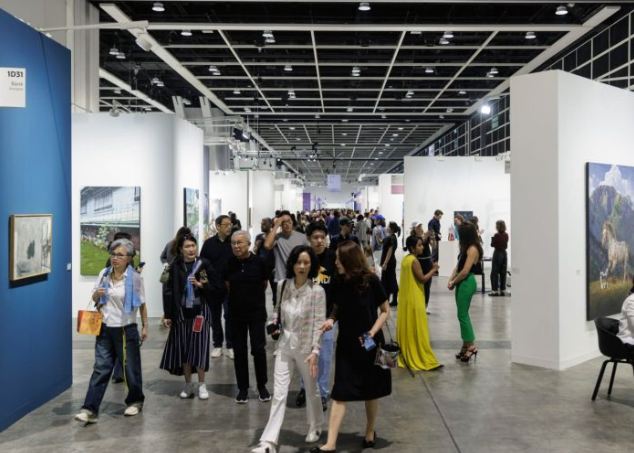
The 2027 calendar at a glance
|
Event |
City and venue |
Announced 2027 dates and access |
|
ART SG 2027 |
Singapore, Marina Bay Sands |
22–24 January 2027 public; preview and vernissage 21 January 2027 |
|
India Art Fair 2027 |
New Delhi, NSIC Exhibition Grounds |
4–7 February 2027; detailed access timetable to follow |
|
Art Fair Tokyo 2027 |
Tokyo, Tokyo International Forum |
12–14 March 2027 public; private preview 11 March 2027 |
1. Singapore: an international programme seen from Southeast Asia
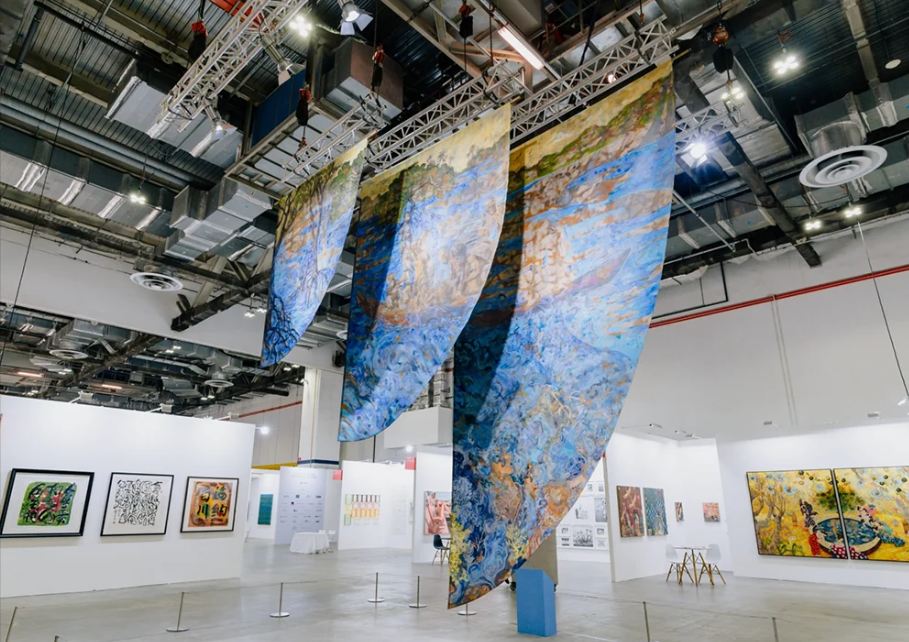
ART SG 2027 opens publicly on 22–24 January at Marina Bay Sands, following a preview and vernissage on the 21st. S.E.A. Focus returns alongside it with Better Worlds, curated by John Tung. This combination gives a specific regional conversation a place within a broader gallery setting.
We would recommend Singapore for visitors who want Southeast Asian practices to shape their interpretation of the international programme. A geographical focus becomes interesting through distinctions between artists, not by searching for a single regional style. The fair's strongest presentations should make those differences tangible.
2. New Delhi: modern and contemporary South Asia in one encounter
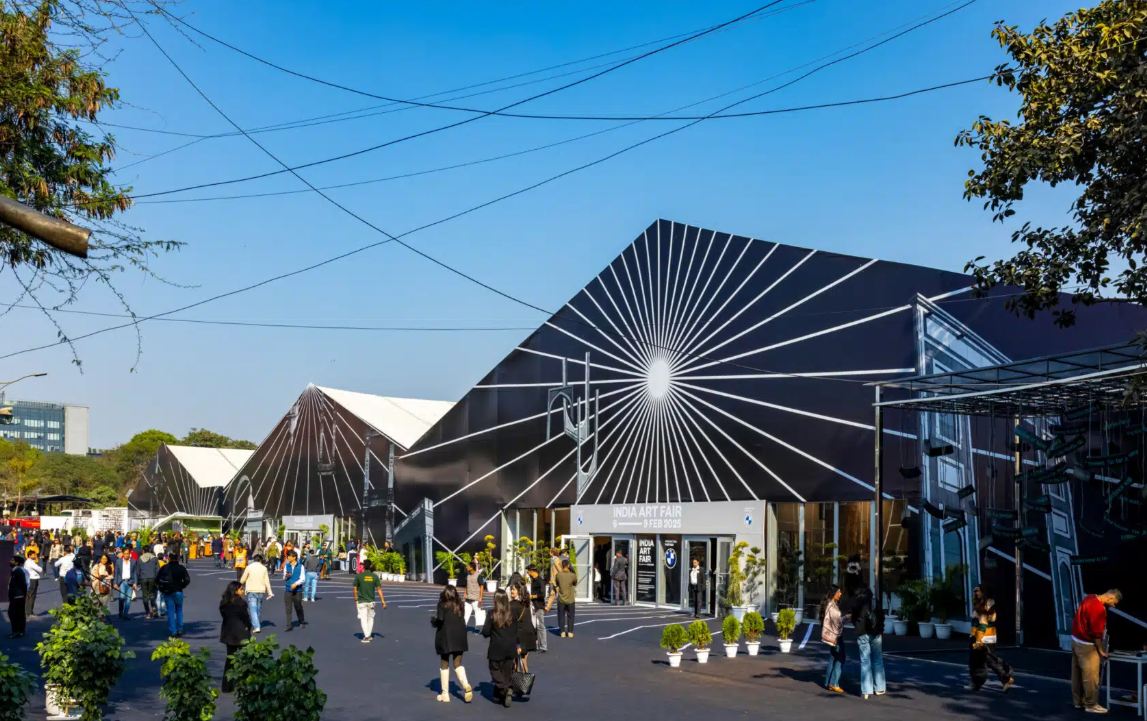
India Art Fair 2027 is scheduled for 4–7 February. The established venue is NSIC Exhibition Grounds in Okhla; the detailed 2027 public and preview timetable should be checked as it becomes available. The platform’s modern and contemporary range connects a current gallery encounter with longer artistic histories.
Delhi is the choice for those who want to understand relationships within South Asia before evaluating the work’s visibility elsewhere. An older artistic language and a newer practice may share a material or reference while using it for different purposes. The gallery’s explanation can help bring that difference into view.
3. Tokyo: contemporary art with a longer material history beside it
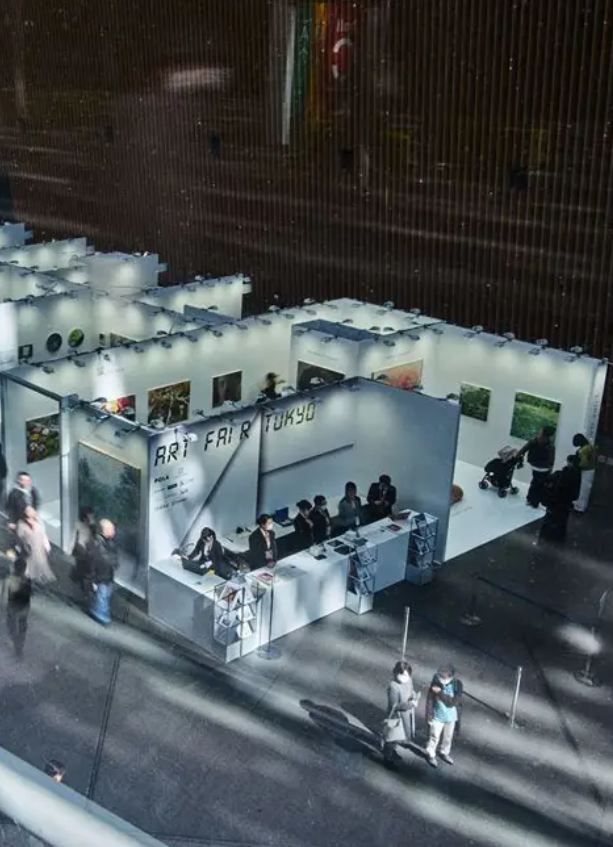
Art Fair Tokyo 2027 opens to the public on 12–14 March, after an invitation-only day on 11 March. Galleries and Crossing occupy Tokyo International Forum, while Projects is announced for Tokyo Midtown Hibiya’s B1 concourse.
The inclusion of antiques, crafts, modern art, and contemporary work gives Tokyo a different point of departure. A maker’s technical choices and an object’s relation to use can remain central even when the discussion moves toward current artistic practice. We would select this visit for readers who like their categories of art to be tested by the objects themselves.
How to choose your visit
Choose Singapore for a Southeast Asian conversation within an international gallery fair, Delhi for South Asian modern and contemporary relationships, and Tokyo for a cross-period material range. The three choices concern the perspective from which art is seen, not a hierarchy of cultural importance.
A visitor considering more than one can carry a question between them: how does a gallery explain inherited forms, how is a younger practice given context, or what changes when a work appears in a different kind of venue? The question should leave room for genuinely different answers.
Planning the dates
The public Singapore window is 22–24 January. Delhi’s announced edition period is 4–7 February, with the detailed access schedule still to be confirmed. Tokyo’s public dates are 12–14 March. These are not three consecutive weekends in one compact route.
Allow separate planning for each city, and do not carry preview conditions or ticket assumptions from one fair to another. Tokyo’s Projects address is also separate from its main venue. A clear itinerary begins by identifying which event and which session the visit actually covers.
Editor’s Note
Our interest in these fairs is that none needs to be described as a regional version of a Western event. Singapore, Delhi, and Tokyo can each change the relationships a visiting audience is able to see. That is a substantial reason to travel.
We would be wary of a programme that promises a whole region while making its artists interchangeable. The better encounter is often narrower: one precise explanation, a material history, or a connection between two practices that was not visible before.
For an early 2027 trip, choose the city most likely to challenge the frame of reference you already bring. The fair becomes worthwhile when that frame changes, even if the visit ends with fewer names on a shortlist.