









Art and Antiques Fairs 2027: Three Events Where Periods Meet
An antiques fair and a contemporary art fair are not always separate worlds. BRAFA, Art Fair Tokyo and TEFAF Maastricht each allow works from different periods to be examined within the same event. Their histories and collecting fields differ, but all three give a visitor a reason to look beyond the newest production.
This selection is for readers drawn to the relationship between an object's appearance, its making and its earlier life. The fairs offer different settings in which that relationship can become visible. They are art events to visit, rather than a universal method for judging every kind of object.
The 2027 calendar at a glance
|
Event |
City and venue |
Announced 2027 dates and access |
|
BRAFA 2027 |
Brussels, Brussels Expo |
24 and 26–31 January 2027 public; 25 January 2027 invitation only |
|
Art Fair Tokyo 2027 |
Tokyo, Tokyo International Forum |
12–14 March 2027 public; private preview 11 March 2027 |
|
TEFAF Maastricht 2027 |
Maastricht, MECC |
13–18 March 2027 |
1. BRAFA: historical objects in an active Brussels conversation
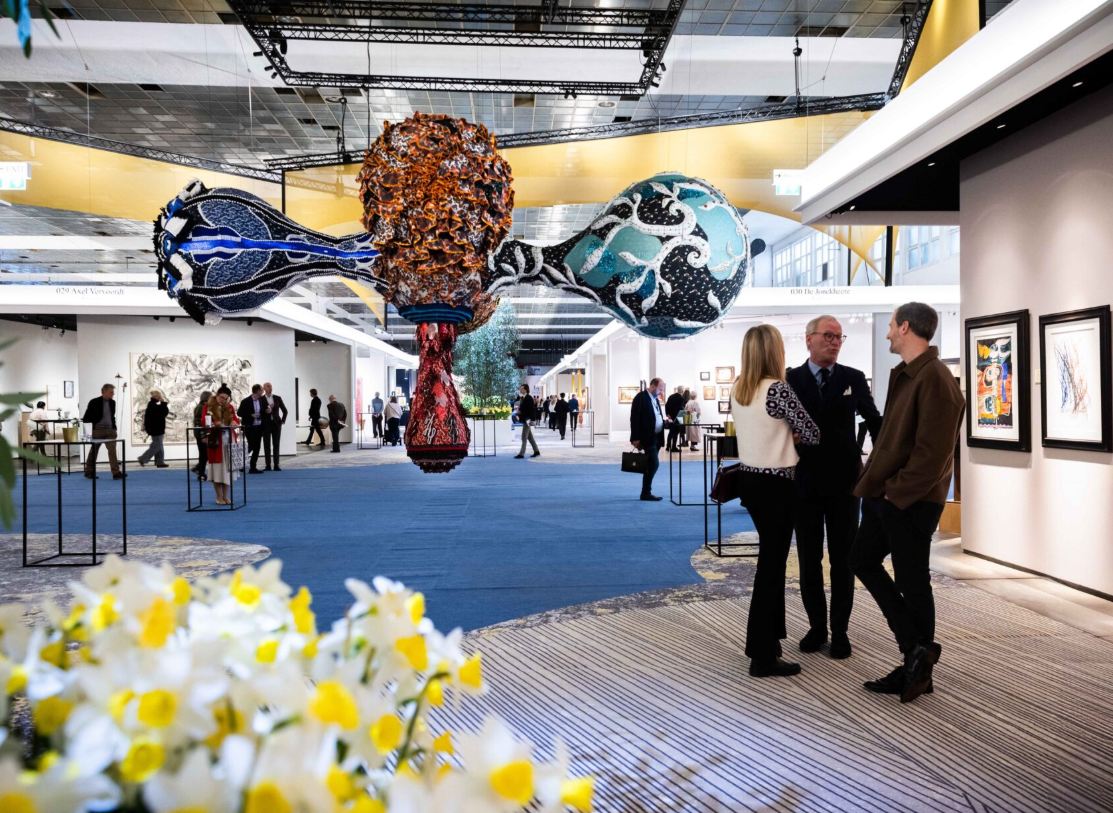
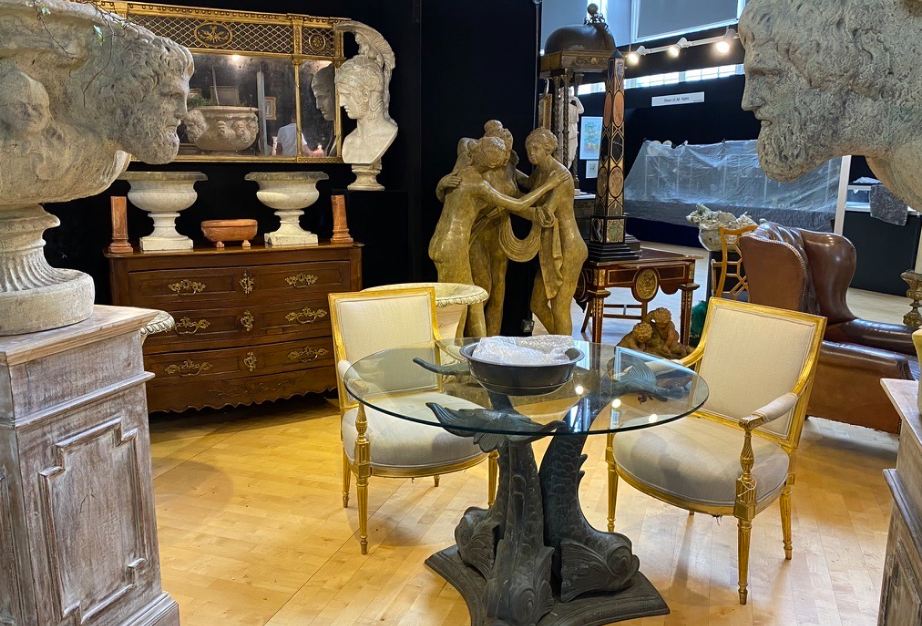
BRAFA 2027 opens to the public on 24 and 26–31 January at Brussels Expo. Art, antiques and design form its broad field, with the Ixelles Museum as 2027 guest of honour. The institutional presence adds another perspective on what makes an object worth preserving and presenting.
We would recommend BRAFA for readers who enjoy moving between specialists without needing a single chronology to organize the entire visit. A material, a gesture or a form can establish a connection between objects; a dealer's explanation should then reveal where the resemblance becomes insufficient.
2. Tokyo: the border between craft, function and artistic form
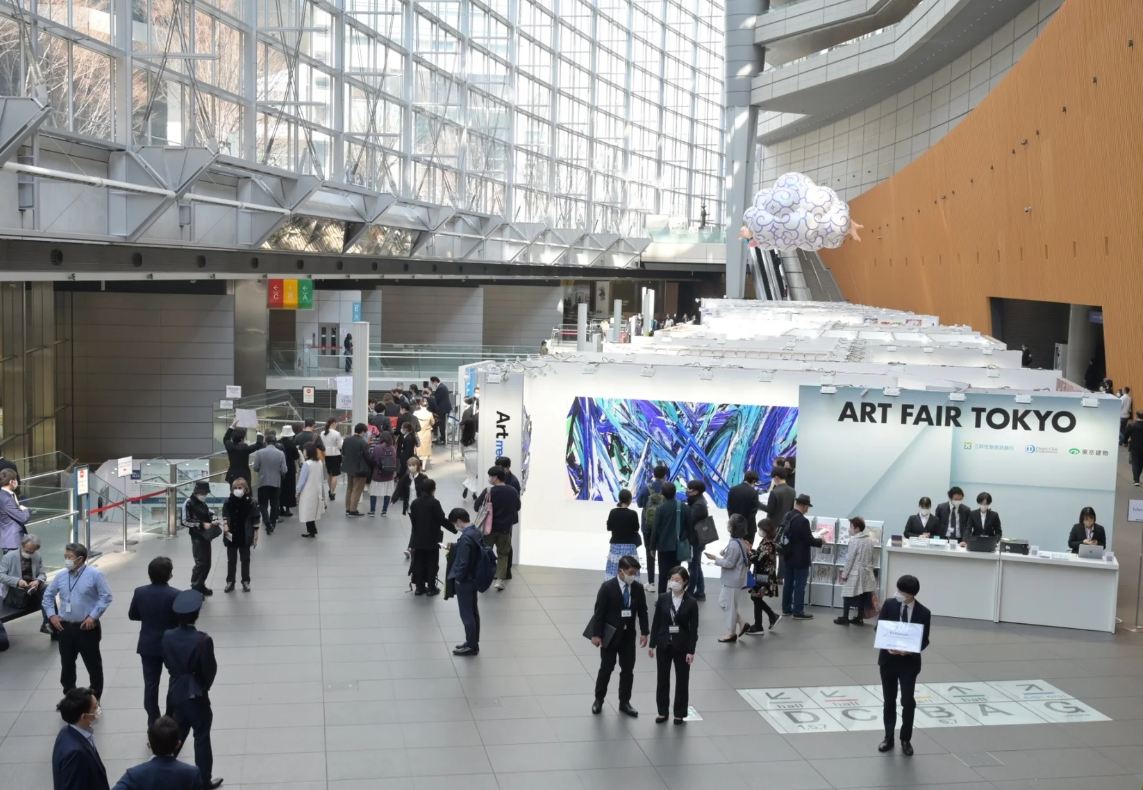
Art Fair Tokyo 2027 has public days on 12–14 March. Its main Tokyo International Forum programme brings antiques and crafts into proximity with modern and contemporary art. The separate Projects section extends the upcoming edition into another setting at Tokyo Midtown Hibiya.
Tokyo is particularly interesting where a familiar category becomes uncertain. A functional object can carry a complex sculptural decision; a current work can draw upon a long material practice while changing its purpose. The fair's breadth allows those distinctions to be discussed through particular examples.
3. TEFAF Maastricht: a long history brought close enough to examine
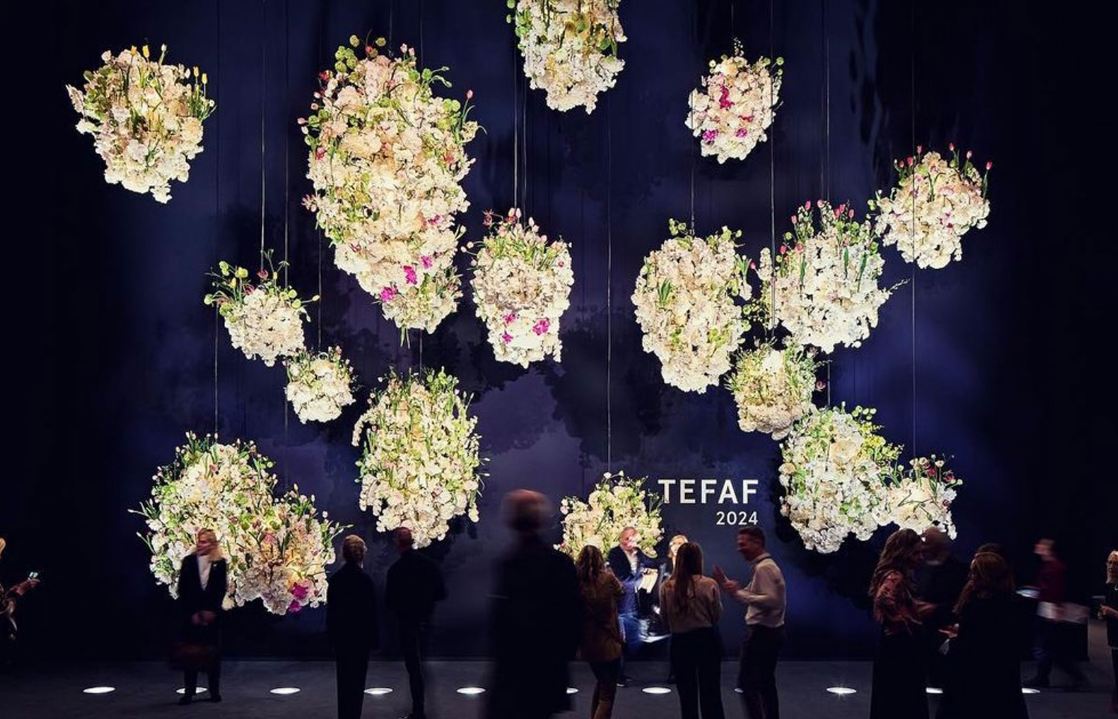
TEFAF Maastricht 2027 runs on 13–18 March at MECC. The combination of fine art, antiques and design covers an extensive historical field, including later art. Specialist vetting and research form an important part of the event's identity.
The reason to attend is not merely the age of the objects. It is the chance to understand what can be known about a particular example and how that knowledge affects looking. A documented history, a technical feature or an explained uncertainty can make a quiet object more absorbing than an immediately spectacular one.
How to choose your visit
Choose BRAFA for an exploratory cross-period visit with a museum contribution, Tokyo for the proximity of craft, function and later art, and Maastricht for a broad specialist encounter across art history. None of these descriptions removes the need to examine the final participants and works.
A focused visitor can follow one material or type of object through a fair. The value of the route lies partly in its failures: where similar-looking objects require different explanations, an assumption about the category has become visible.
Planning the dates
BRAFA's regular public days exclude Monday 25 January, which is invitation only. Tokyo's preview on 11 March is also private. Maastricht's announced period is 13–18 March, overlapping Tokyo's public weekend.
For most travellers, the March events are alternatives rather than an effortless pair. Choose according to the programme and the time available for sustained looking. A fair devoted to detailed objects should not be approached as an exercise in reaching the greatest number of stands before departure.
Editor’s Note
We like these fairs because an object with a long history can still be an unsettled encounter. Age does not make interpretation complete. A mark, a restoration or a later use can change what a visitor thinks they are seeing.
Contemporary work benefits from that company. It has to establish its interest beside objects that have already survived changing tastes and purposes. The comparison can make the present feel more specific rather than less important.
Our preference is for an event where expertise opens the work, allowing the visitor to see more. The strongest specialist explanation brings attention back to the object instead of asking reputation to take its place.