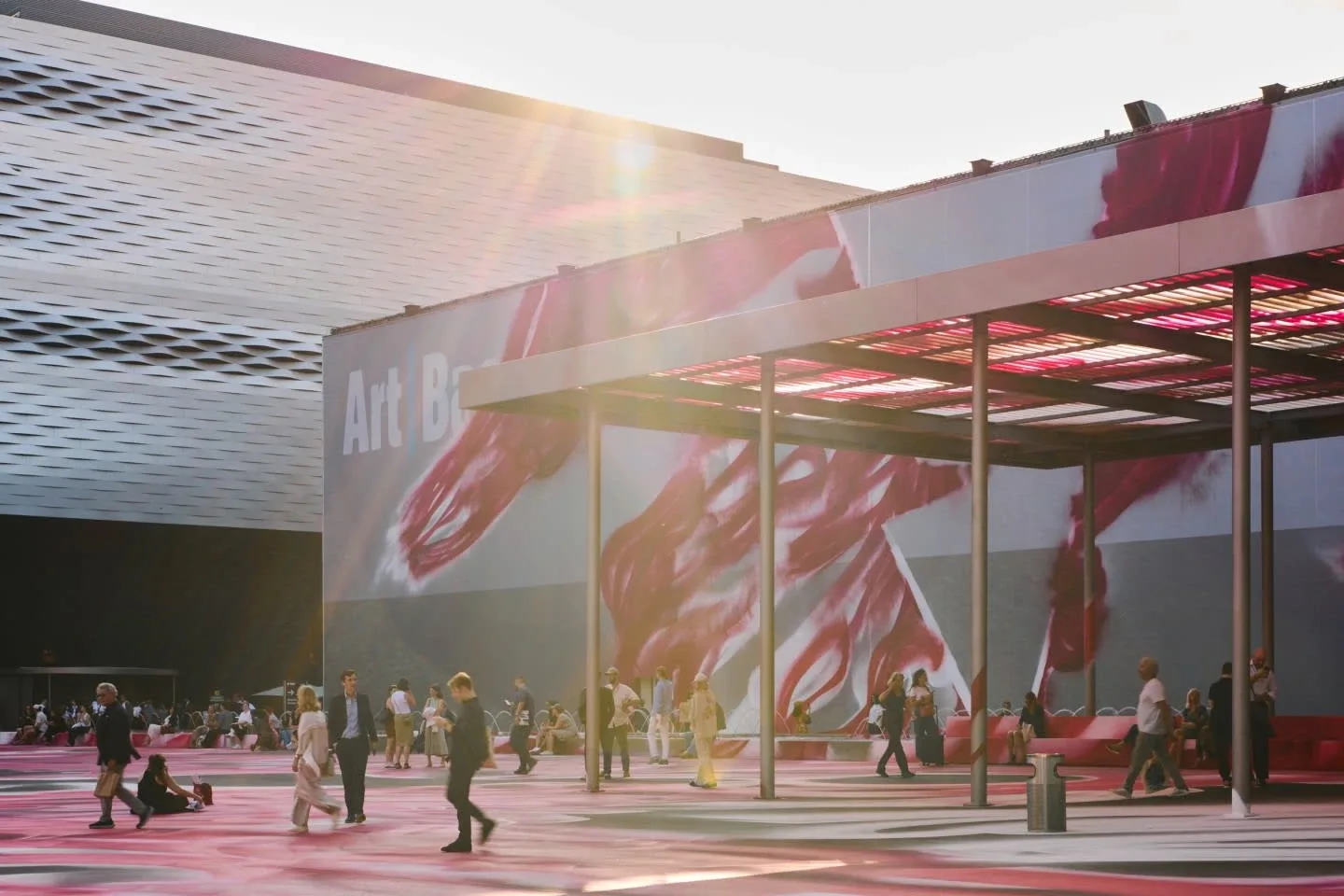
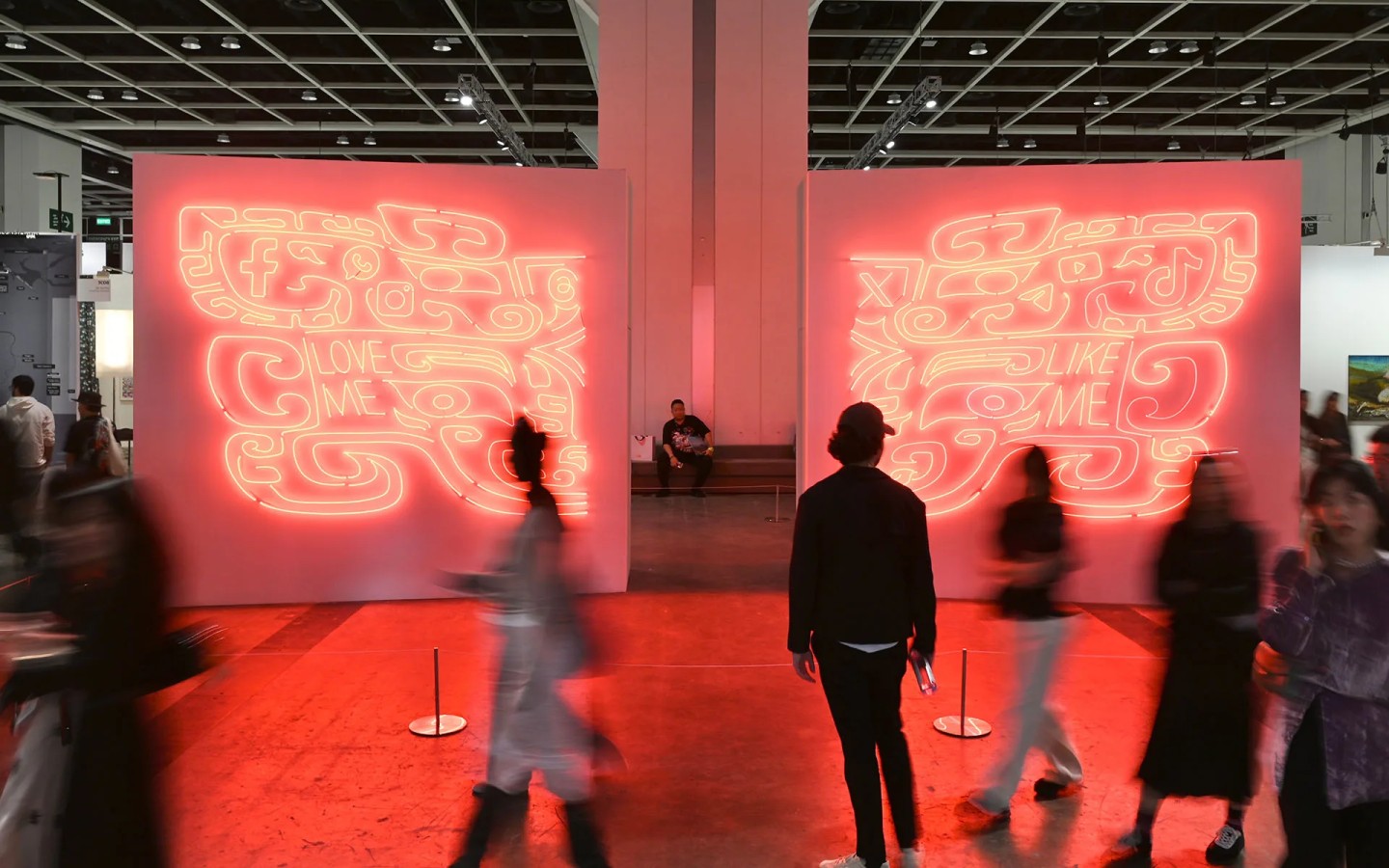
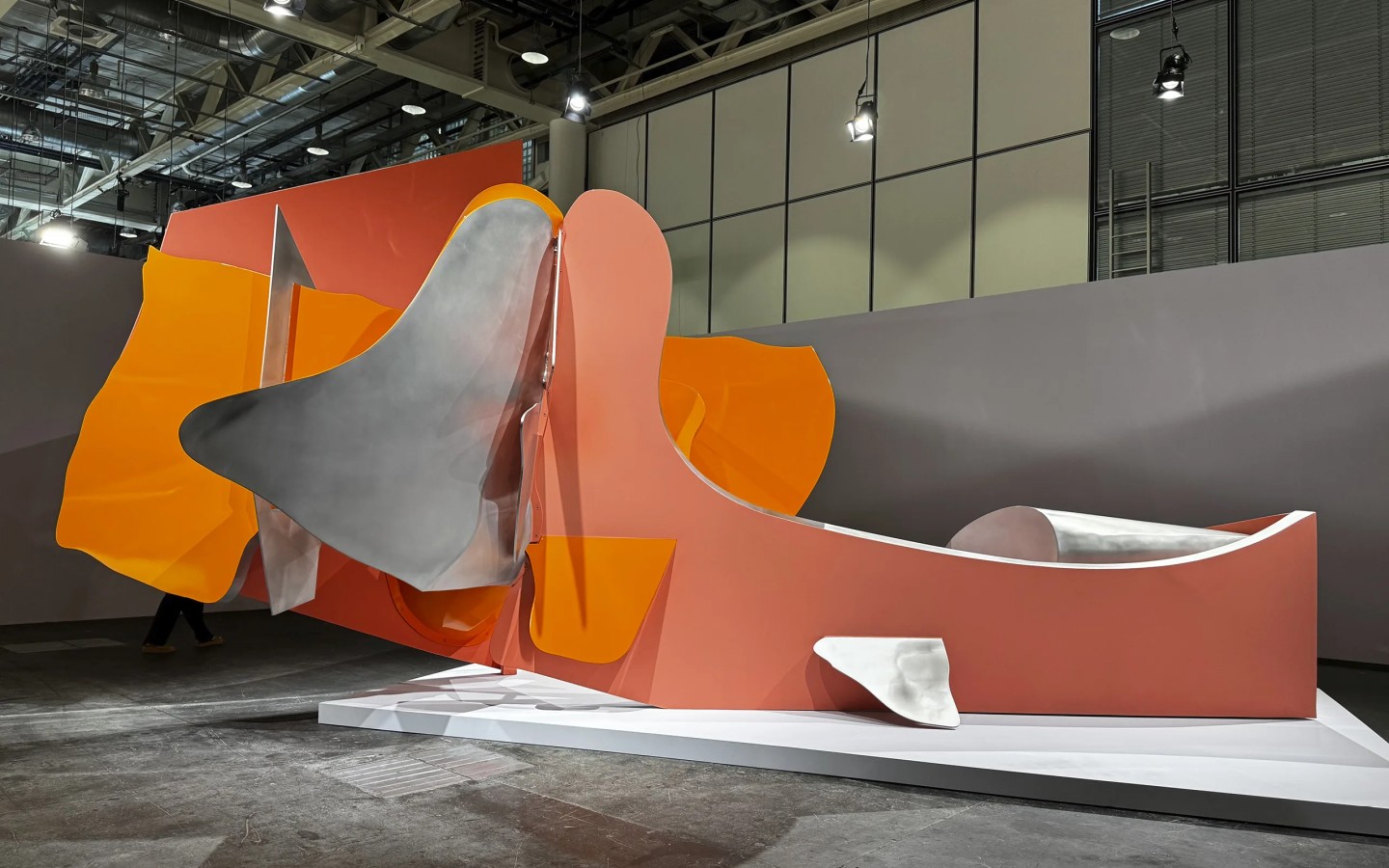
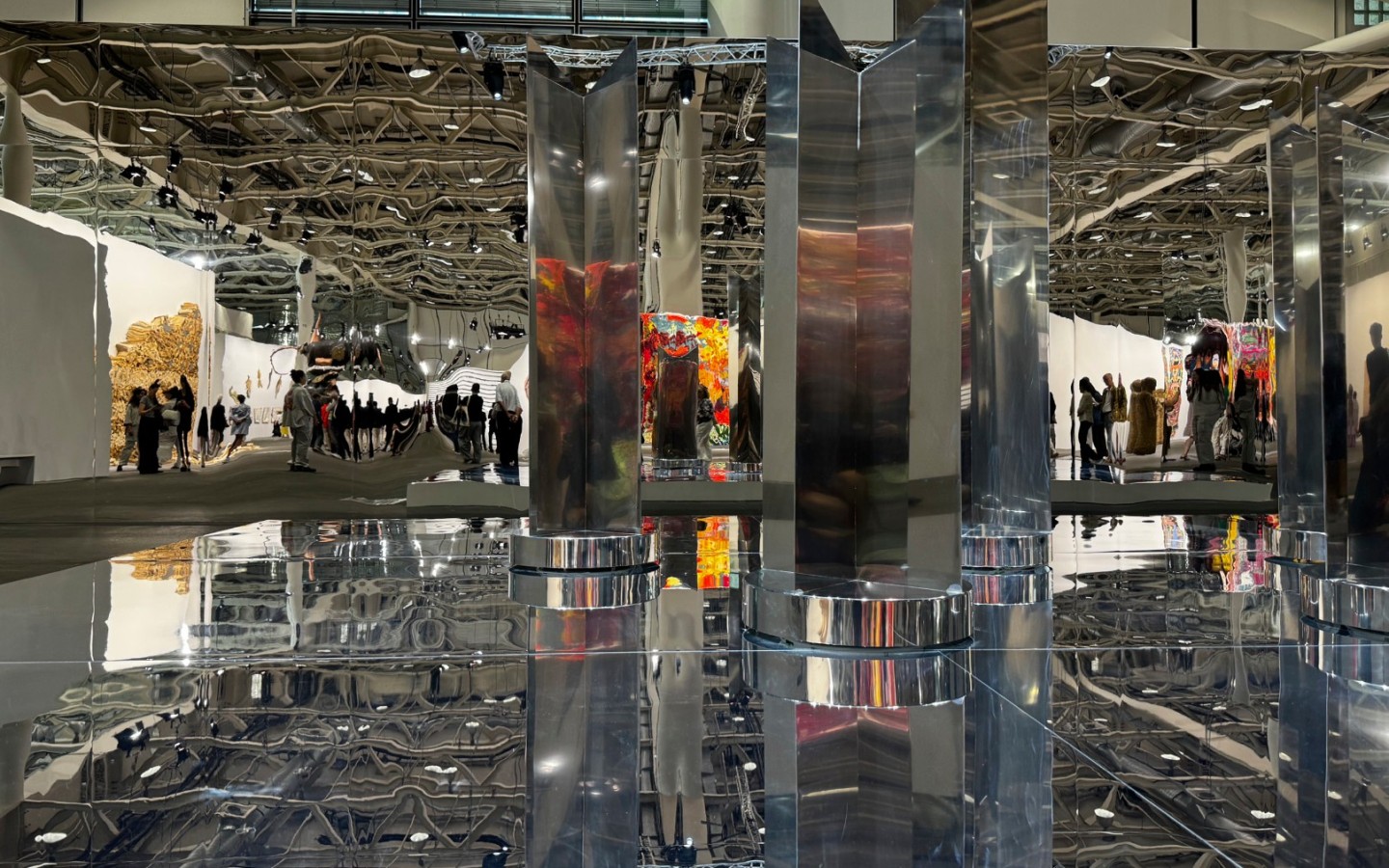
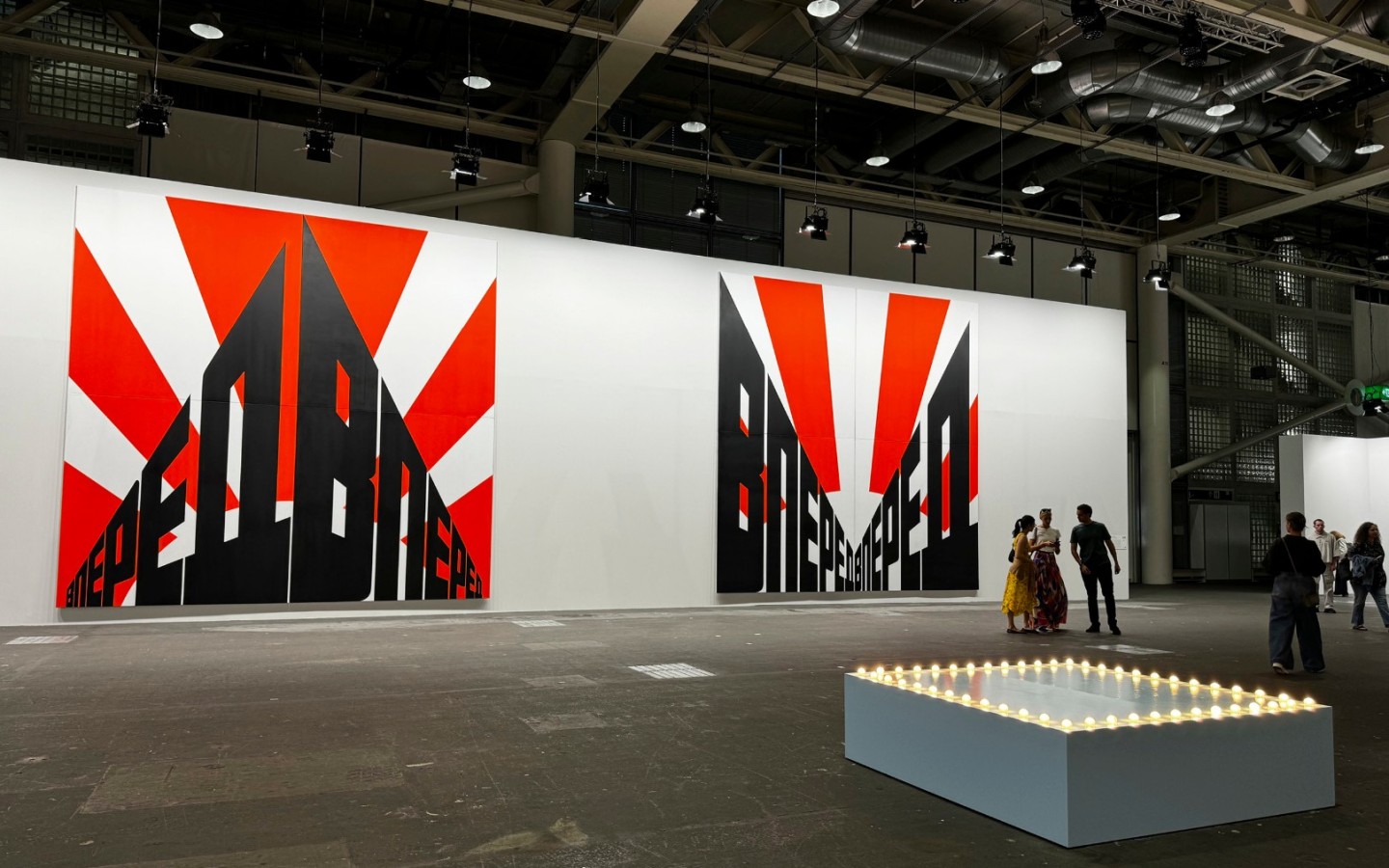
Art Basel 2026 brought 290 galleries from 43 countries and territories to Switzerland, welcomed approximately 90,000 visitors and demonstrated why Basel remains one of the most influential meeting places in the international art market.

Held from June 18 to 21 at Messe Basel, the fair combined historical masterpieces, contemporary painting, monumental installations, emerging artists and an increasingly visible digital-art sector. Representatives of more than 270 museums and foundations attended, alongside collectors and art professionals from 103 countries.

The 2026 edition was particularly notable for its expansion beyond the traditional gallery booth. Two major public commissions transformed prominent city squares, the Unlimited sector presented 59 ambitious projects, and Zero 10 introduced a dedicated platform for digital-era art to the Basel flagship fair.

For collectors, the event provided a concentrated overview of the international market. For other visitors, it offered something equally compelling: an opportunity to see how artistic ideas, institutional influence and commercial decisions intersect within one city.

Art Basel 2026

Art Basel 2026 presented works spanning modern, postwar, and contemporary art, with galleries ranging from internationally established names to newer participants entering the Basel fair for the first time.

Among the 290 participating galleries were 21 newcomers. Their inclusion reflected the organizer's effort to maintain a balance between established market leaders and galleries representing less familiar artistic perspectives.

The main Galleries sector remained the commercial center of the event, bringing together paintings, sculpture, photography, and other media.

However, the fair's specialized sections provided much of its curatorial character.

Feature focused on historical presentations, while Statements highlighted emerging artists through solo projects. Premiere expanded to 17 presentations, emphasizing ambitious recent artistic production created within the previous five years.

Kabinett offered curated presentations within gallery booths, and Edition concentrated on prints and other editioned works.

Beyond the exhibition halls, public artworks, performances, discussions, and museum exhibitions turned Art Basel into a citywide cultural program.

Unlimited 2026: Art Beyond the Gallery Booth

Unlimited remained one of the defining experiences of Art Basel 2026.

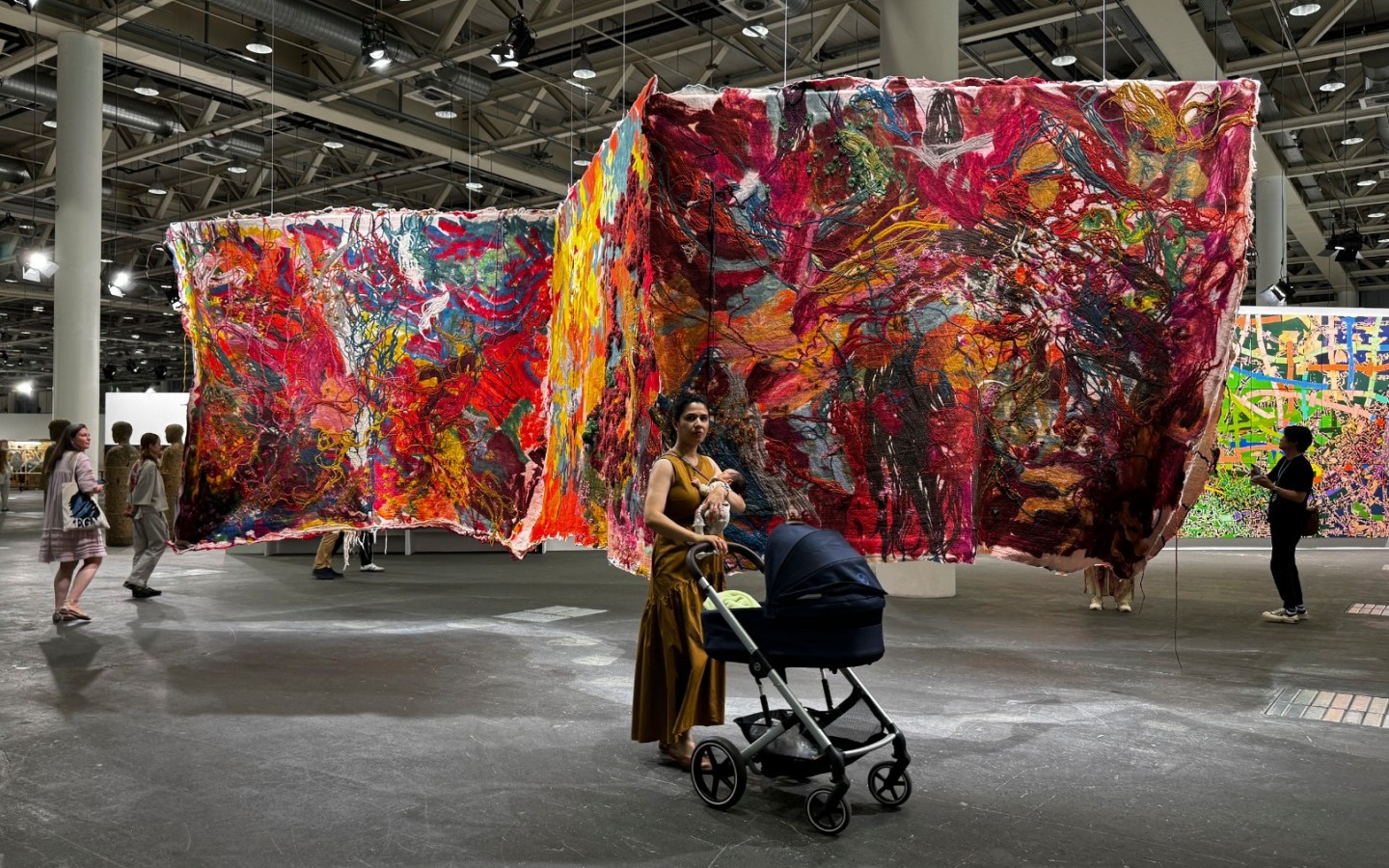
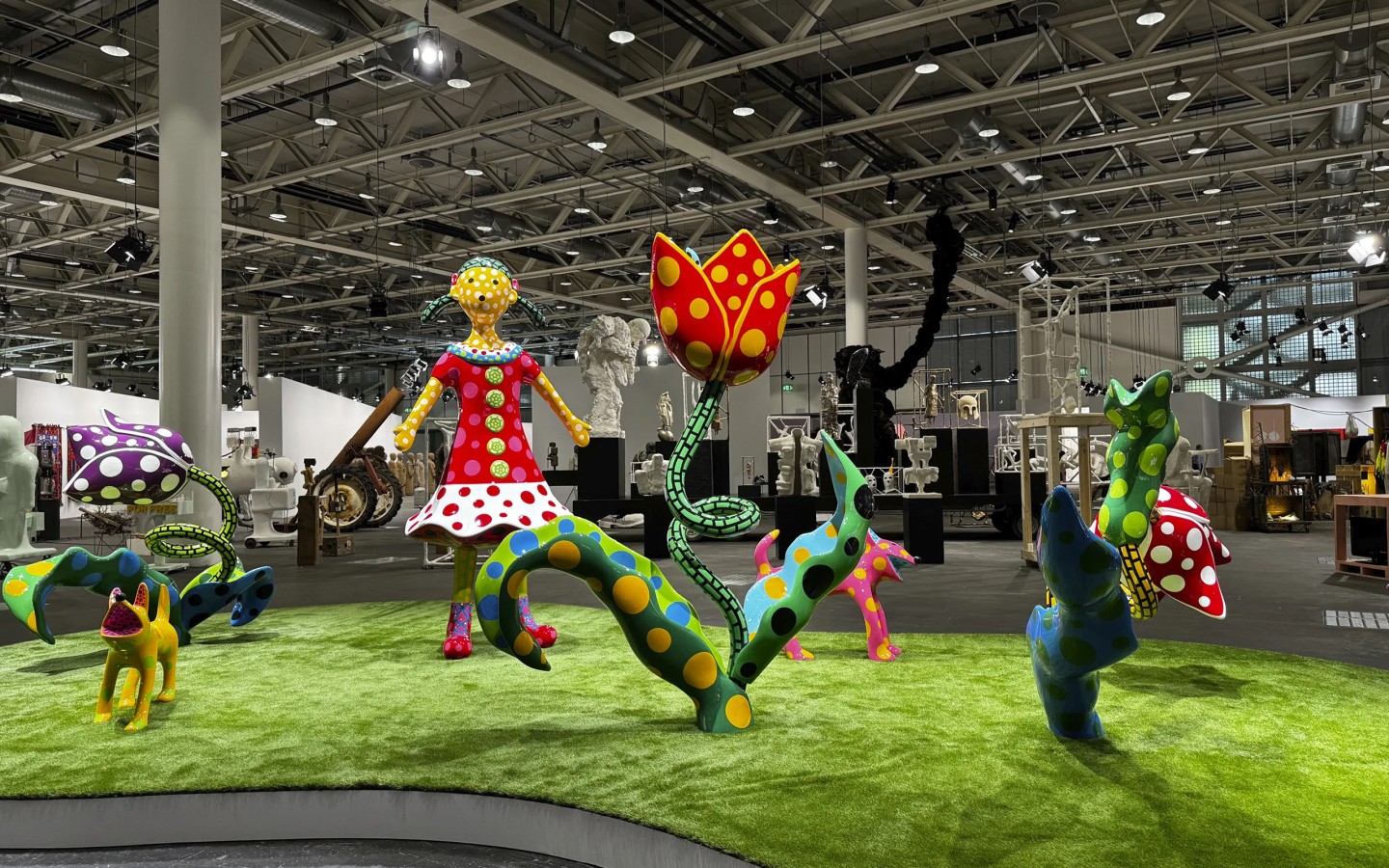
Curated for the first time by Ruba Katrib, Chief Curator and Director of Curatorial Affairs at MoMA PS1 in New York, the sector brought together 59 large-scale projects presented by 66 international galleries.

Occupying approximately 16,000 square meters, Unlimited provided space for monumental sculpture, installations, moving images, performance, and immersive environments.

The format allowed works to be experienced on a scale rarely possible inside conventional commercial gallery booths.

Participating artists included Yayoi Kusama, Theaster Gates, Tracey Emin, Isa Genzken, Chris Burden, Ed Ruscha, Vanessa Beecroft, and Goshka Macuga.

The range of projects connected historical artistic experimentation with contemporary questions concerning politics, identity, social structures, and the relationship between bodies and space.

Unlimited Night, held on June 18, extended the experience into the evening with special programming and performances.

For visitors interested in the exhibition side of Art Basel rather than exclusively in collecting, Unlimited offered some of the fair's most memorable encounters.

Zero 10: Digital Art Enters the Basel Spotlight

One of the most significant developments of Art Basel 2026 was the European debut of Zero 10.

The platform, dedicated to artistic practices emerging from digital technologies, made its first appearance at the Basel flagship fair with an expanded presentation inside the Event Hall at Messe Basel.

Curated by artist Trevor Paglen and digital-art strategist Eli Scheinman, the exhibition was organized around the theme The Condition.

Twenty exhibitors participated, presenting work connected with the rapidly changing relationship between art and digital culture.

Zero 10 represented an important development in how a major international art fair approaches digital production.

Rather than treating technology-based art as a peripheral experiment, Art Basel created a dedicated environment in which digital practices could be presented within the broader international art market.

The initiative also reflected the growing importance of technological questions in contemporary artistic production, including digital ownership, networked culture, computational systems, and the changing nature of the art object.

For audiences following the development of digital art, Zero 10 was among the most interesting additions to the 2026 edition.

Public Art Across Basel

Art Basel 2026 extended beyond Messe Basel through major public commissions and site-specific projects.

Two prominent works were commissioned from Art Basel Awards Gold Award recipients Nairy Baghramian and Ibrahim Mahama.

Baghramian's project occupied Messeplatz, the public square directly associated with the fairgrounds.

Mahama's commission was presented at Münsterplatz, one of Basel's most historically significant urban spaces.

These projects brought contemporary art into direct contact with the city's architecture and everyday public life.

The Parcours sector offered another opportunity to experience art outside the conventional exhibition hall.

Curated by Stefanie Hessler, Director of Swiss Institute in New York, Parcours 2026 included 21 projects presented by 31 galleries.

Its installations, sculptures, performances, and interventions appeared around Clarastrasse and the surrounding Kleinbasel area, connecting the fairgrounds with the Rhine.

This approach encouraged visitors to discover art through walking, observation, and unexpected encounters with familiar urban spaces.

Major Sales and Art Market Results

Art Basel 2026 closed with strong reported sales across several market segments.

Among the most prominent transactions announced by participating galleries was the sale of Pablo Picasso's Le peintre et son modèle dans un paysage (1963), offered by Hauser & Wirth at an asking price of $35 million.

The same gallery reported the sale of Gerhard Richter's Abstraktes Bild (940-7) (2015) for $20 million and Louise Bourgeois' Les Fleurs (2009) for $2.5 million.

Gagosian reported selling Willem de Kooning's No title (1984) for a high seven-figure sum to a private collection in Asia.

GRAY reported sales of two works by David Hockney, including Studio Interior #2 (2014) for $8.5 million.

These transactions illustrated the continuing importance of historically established artists at the highest levels of the international market.

However, the fair was not limited to multimillion-dollar transactions.

The participation of younger galleries and emerging artists also created opportunities for collecting at different price levels.

As with most major art fairs, reported sales figures came from participating galleries rather than a comprehensive independently audited transaction database.


Art Basel 2026 in Basel Event Overview

Art Basel 2026 in Basel: Your Complete Visitor Guide

Dates:

18 June 2026 - 21 June 2026

Location:

Messeplatz 10, 4058 Basel

Mission:

Art Basel's central mission is to connect galleries, artists, collectors and institutions while providing an international platform for modern and contemporary art. The 2026 edition demonstrated how that mission has evolved. Commercial exchange remained fundamental, but the fair increasingly emphasized artistic production that could not be confined to conventional sales presentations. Monumental installations, digital practices, public commissions and live events expanded the ways visitors could encounter art. At the same time, the participation of museums, foundations and curators reinforced Art Basel's role as a meeting point between private collecting and public cultural institutions. The result was a fair that operated simultaneously as a marketplace, an exhibition platform and a gathering for international artistic debate.

Organizer:

Art Basel is an international art-fair organization founded in Basel in 1970. The 2026 Basel edition was directed by Maike Cruse, with UBS serving as Global Lead Partner. The fair's specialized sectors were developed through a combination of gallery-selection procedures and curatorial programs. Ruba Katrib curated Unlimited, Stefanie Hessler curated Parcours, and Trevor Paglen and Eli Scheinman co-curated Zero 10.

Why attend to Art Basel 2026 in Basel?

Art Basel 2026 demonstrated that the international art fair continues to evolve beyond its original commercial model.

The participation of 290 galleries confirmed Basel's importance as a meeting place for the global market.

Unlimited showed how large-scale artistic production can operate within a fair environment without losing its experimental character.

Zero 10 reflected growing institutional and commercial attention to digital practices.

Public commissions and Parcours extended artistic activity into the surrounding city.

Together, these developments created an event that was simultaneously commercial, cultural, and experimental.

The presence of representatives from more than 270 museums and foundations also demonstrated how closely the international art market remains connected with institutional exhibition programs.

Getting There:

Art Basel 2026 took place at Messe Basel, Messeplatz 10, in central Basel.

Public opening hours were from 11:00 AM to 7:00 PM from June 18 through June 21, with invitation-only preview days on June 16 and 17.

Unlimited Night extended the program on June 18 until 10:00 PM.

Messe Basel is accessible by tram and public transport from Basel SBB railway station and other parts of the city.

Visitors arriving internationally could travel through EuroAirport Basel Mulhouse Freiburg or use rail connections from major European cities.

Accommodation around Messeplatz, Clara, Wettstein, and central Basel provided convenient access to the fair and surrounding cultural institutions.

For visitors planning future editions, allowing at least two days remains advisable: one for the main exhibition halls and Unlimited, and another for museums, public installations, and independent exhibitions across the city.

Don't Miss an Exhibition

Follow us on X to get the latest art events from around the world first

Follow

Gallery: Art Basel 2026 in Basel

Secure Your Spot at Art Basel 2026 in Basel — Before It's Too Late

Tickets are limited and sell out fast.
Get instant access to the Art Basel 2026 in Basel registration page and be the first to know about exclusive events, VIP passes, and travel perks.

Early access. Limited availability. Global art at your fingertips.

History & Context of a Art Basel 2026 in Basel

Art Basel was founded in 1970 by Basel gallerists Trudl Bruckner, Balz Hilt and Ernst Beyeler.

The first edition welcomed 90 galleries and approximately 16,000 visitors. Over the following decades, the event developed into one of the most prominent international fairs for modern and contemporary art.

Its influence eventually extended beyond Switzerland, with editions established in Miami Beach, Hong Kong and Paris, followed by further international expansion.

Despite this global network, Basel retained its position as the original and flagship event.

The city's relationship with art extends far beyond the fair itself. Institutions such as Kunstmuseum Basel, Fondation Beyeler and Museum Tinguely contribute to an unusually concentrated cultural environment.

During Art Basel week, these institutions traditionally coordinate major exhibitions with the arrival of international visitors.

The 2026 edition continued this tradition while introducing new approaches to public and digital art.

Be the First to Access Official "Art Basel 2026 in Basel" Tickets

Don’t miss your chance to attend one of the world’s leading art fairs. Get direct access to the official ticketing page, exclusive updates, and important visitor information.

Early access. Limited availability. Global art at your fingertips.

Editor’s Note

Art Basel 2026 gave us a particularly revealing picture of the contemporary art world. On one side were Picasso, Richter, and de Kooning, commanding prices that would make even seasoned collectors look twice. On the other were digital experiments, ambitious public commissions, and installations that barely seemed interested in behaving like conventional objects for sale.

That contrast is exactly what makes Basel worth watching. The fair is an expensive, highly competitive marketplace, and pretending otherwise would be absurd. But reducing it to auction-style headlines would miss the more interesting story. The real question is which artistic ideas gain visibility here, which galleries are willing to take risks, and which experiments eventually find their way into museums.

Zero 10 was particularly interesting to us. Digital art has spent years negotiating its position within the traditional market, and its dedicated presence at the flagship Basel fair was a development worth paying attention to. Unlimited and Parcours, meanwhile, demonstrated that some of the most compelling work of the week existed beyond the familiar gallery booth.

The next chapter continues with Art Basel 2027, scheduled for June 17–20 in Basel. It will be worth comparing whether the digital initiatives, large-scale commissions, and emerging artistic practices that distinguished 2026 continue to gain influence. For ArtExpoWorld, that is the story worth following from one edition to the next.

Current and Upcoming Art Expos