








Jenny Kim: Living With Art, Design and Architecture
For Jenny Kim, collecting begins with how objects inhabit space.
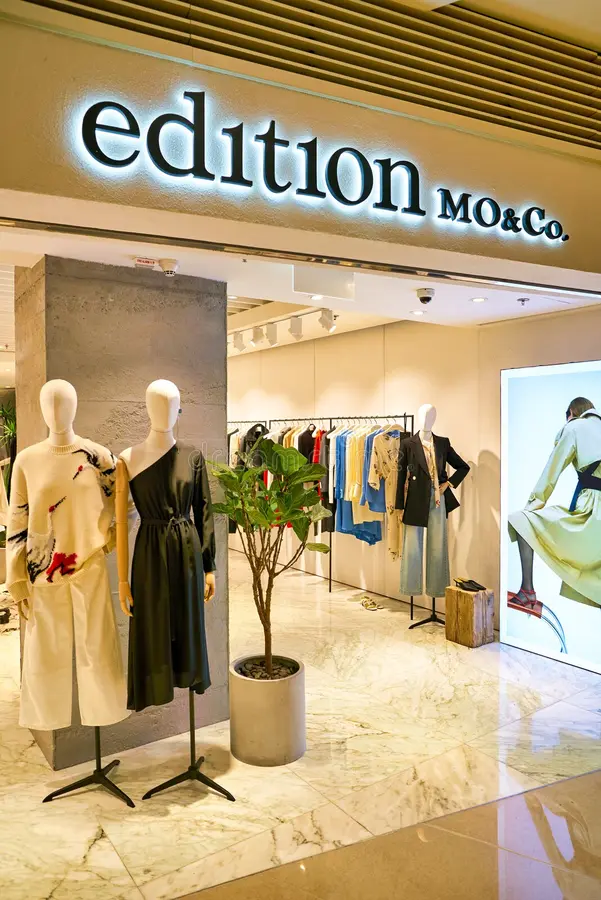
The Shanghai-based founder of Chinese fashion brands MO&Co. and edition did not build her collection around auction rankings, investment forecasts, or the idea of owning the most recognizable names.
Her starting point was design.
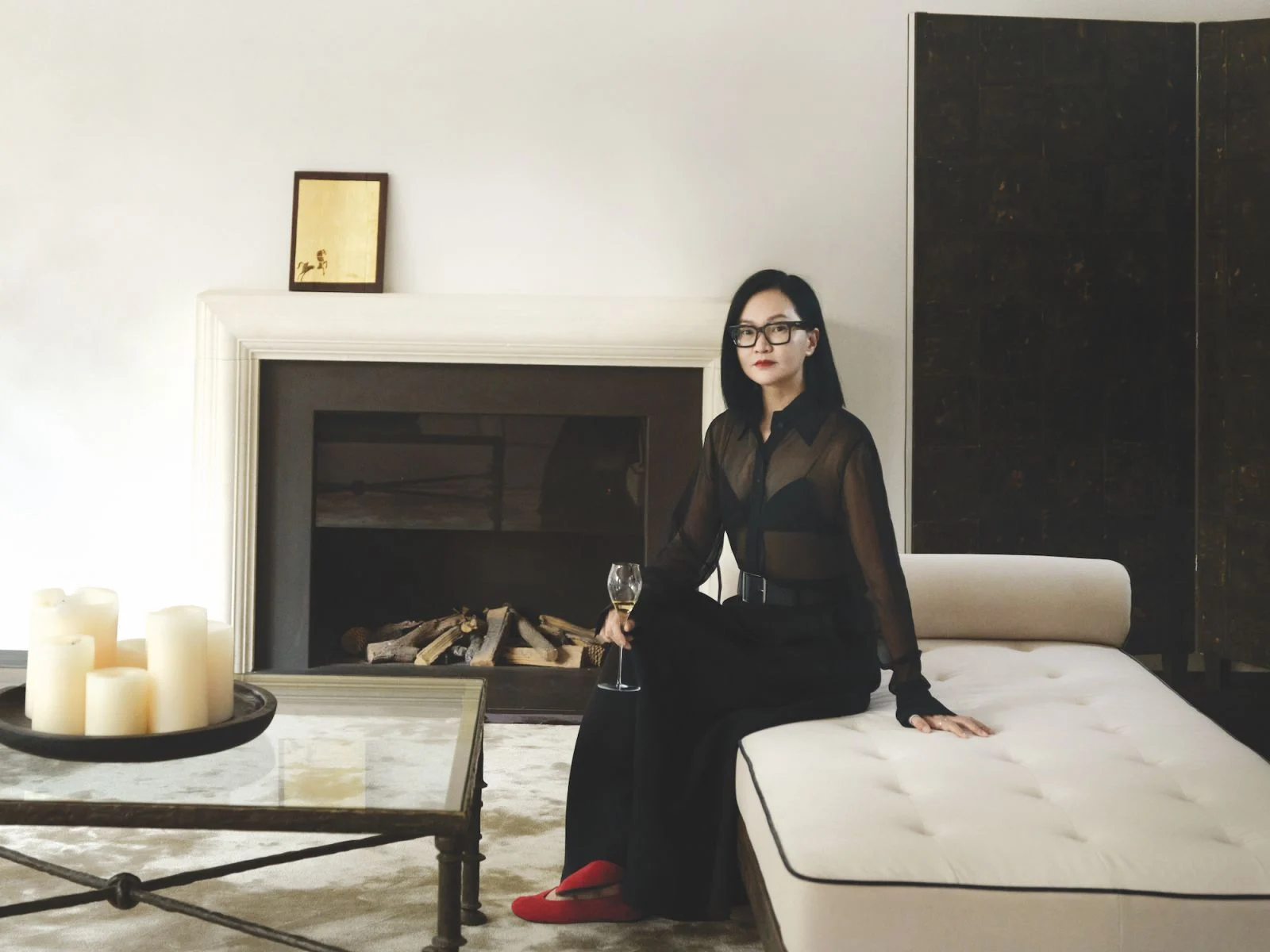
She became fascinated by interiors, architecture, materials, and the way objects communicate with each other within a room.
That interest eventually expanded into art.
Today, Kim lives with a collection that can range from Ming dynasty huanghuali furniture to the dark monochromatic paintings of Pierre Soulages, minimalist sculpture associated with Constantin Brâncuși, and Buddhist statuary.
The collection is eclectic on paper.
Inside her home, however, the objects are connected through atmosphere, proportion, and personal intuition.
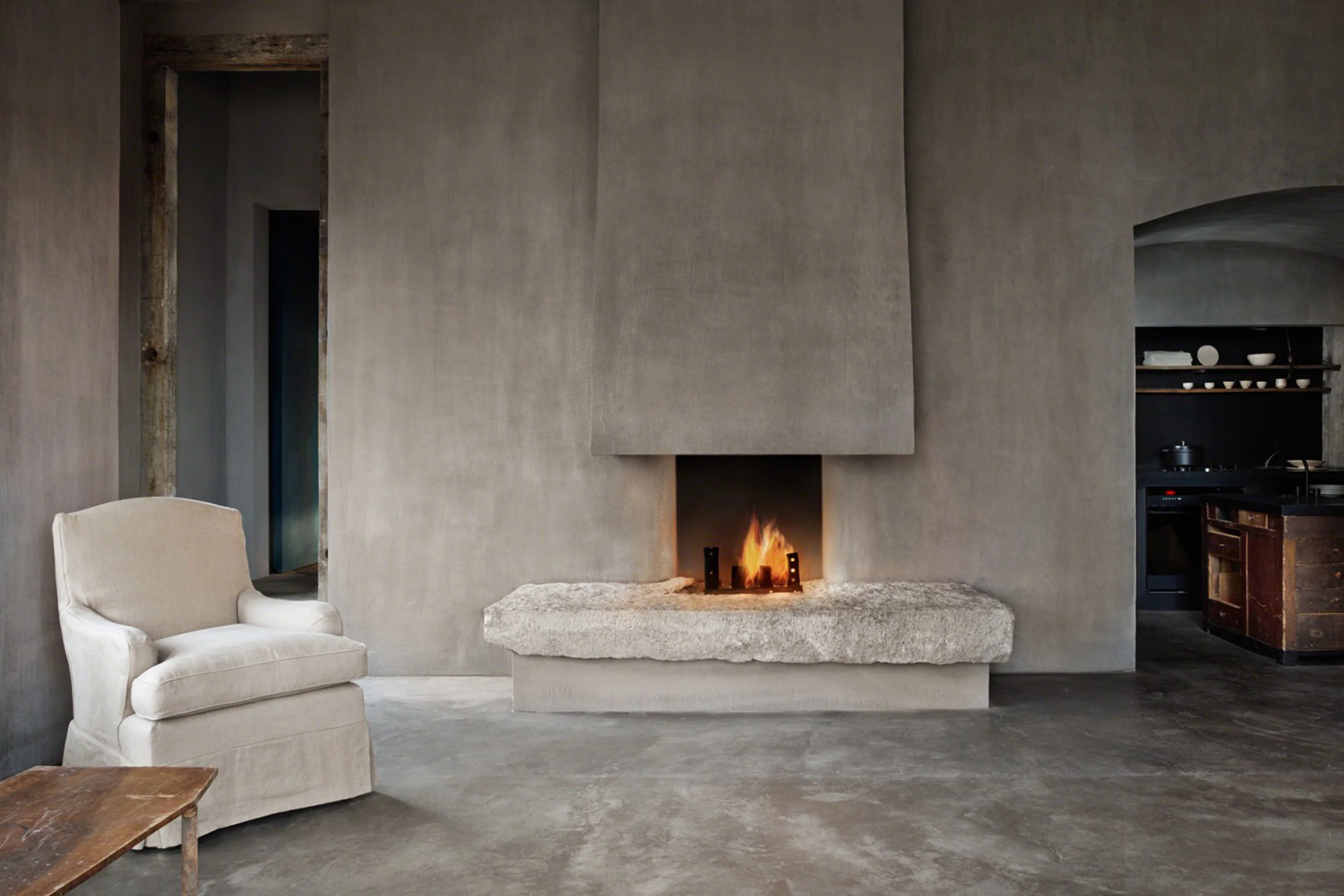
Axel Vervoordt and the Influence of Wabi-Sabi
One of Kim’s strongest influences is Belgian collector, dealer, and designer Axel Vervoordt.
Vervoordt became internationally known for interiors that combine contemporary art with historic furniture, ancient objects, and architectural restraint.
His approach is closely associated with the Japanese philosophy of wabi-sabi.
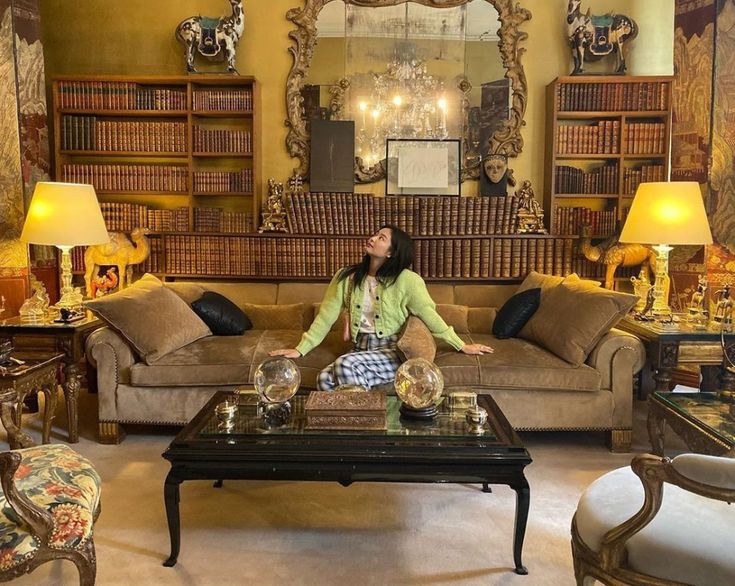
The idea values imperfection, age, natural materials, and the beauty of objects that reveal the passage of time.
For Kim, this philosophy offered an alternative to interiors built around perfect new surfaces.
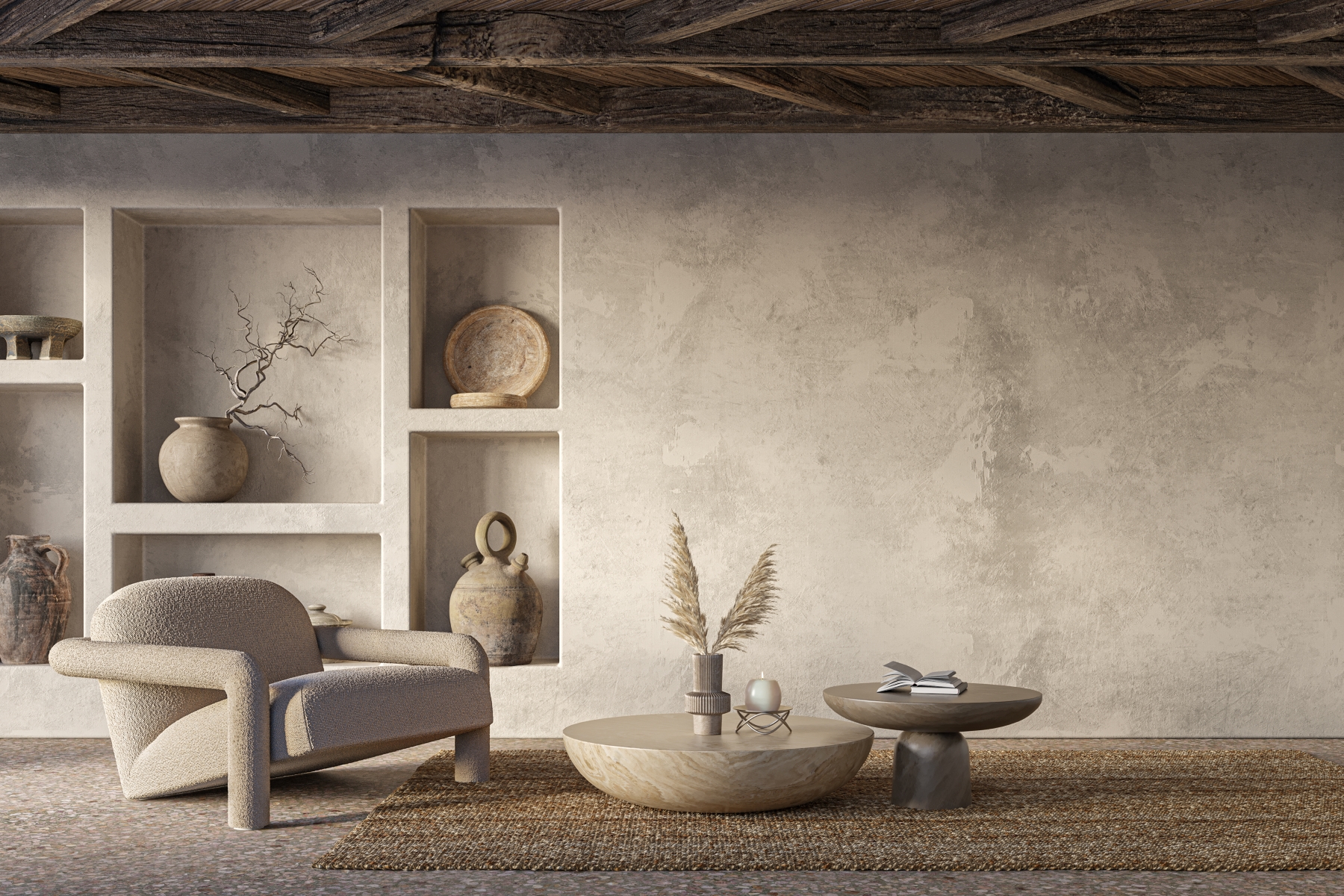
A room does not need to contain objects from the same century.
A contemporary painting can exist beside ancient furniture.
A rough stone surface can make a polished sculpture appear more intense.
The relationship matters more than category.
The Collection Began With Design
Kim’s collecting developed through furniture and objects.
This is significant because many art collectors move in the opposite direction.
They begin with painting and eventually expand toward design.
Kim already understood how scale, texture, and material influence a space.
This made it natural to evaluate artworks not only as isolated objects but as parts of a larger environment.
A painting changes when placed above a Ming table.
A Buddhist figure feels different beside minimalist furniture.
The collection becomes a form of spatial composition.
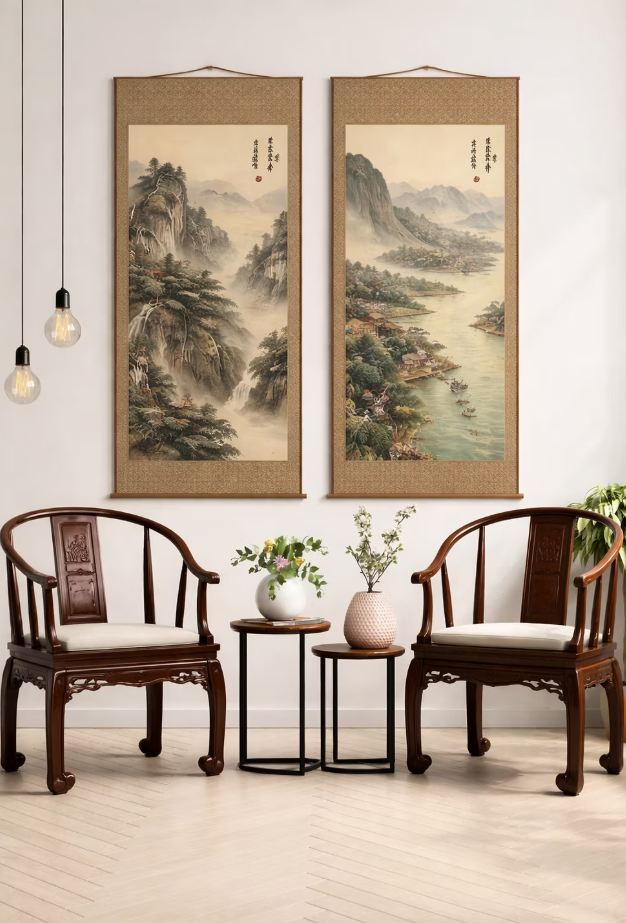
Ming Dynasty Huanghuali Furniture
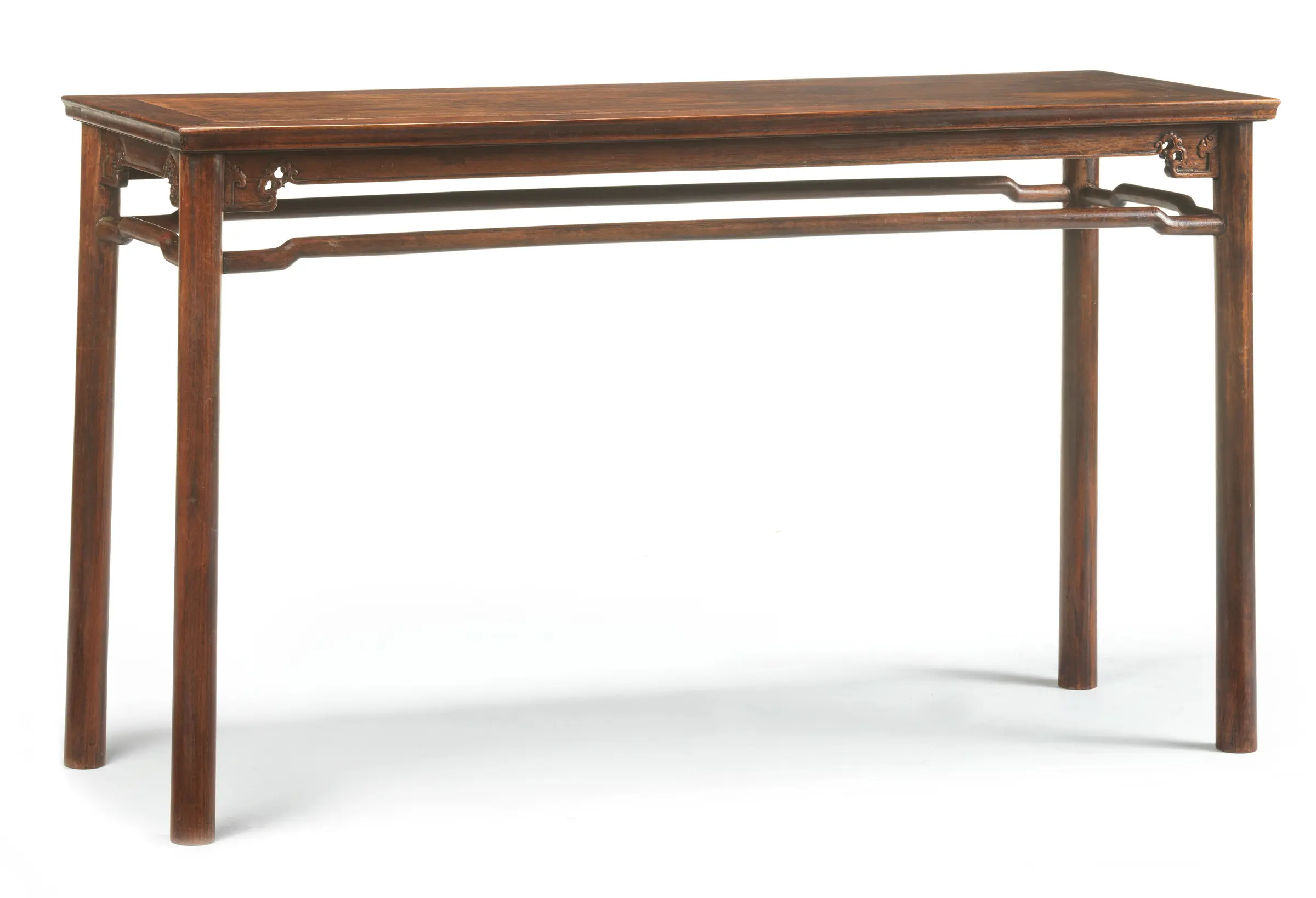
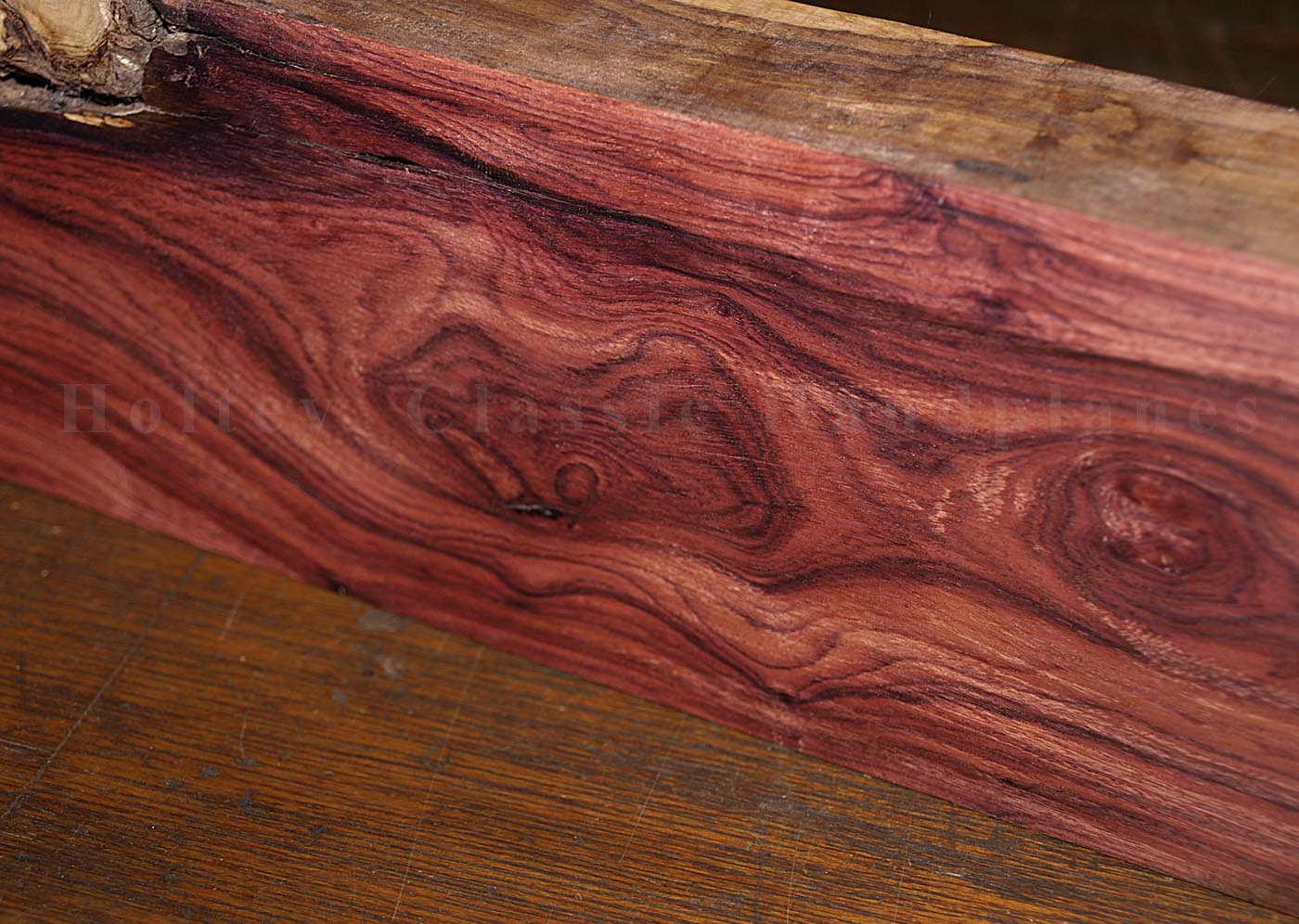
Kim’s home includes Ming dynasty huanghuali furniture.
Huanghuali is a highly prized Chinese hardwood associated with refined furniture produced particularly during the Ming and early Qing periods.
The best examples are admired for elegant proportions, restrained construction, and beautiful grain.
Unlike heavily decorated furniture, Ming pieces often achieve their impact through structure.
This connects directly with Kim’s interest in minimalism.
A centuries-old Chinese table can share visual principles with modern architecture.
Both may depend on proportion rather than ornament.
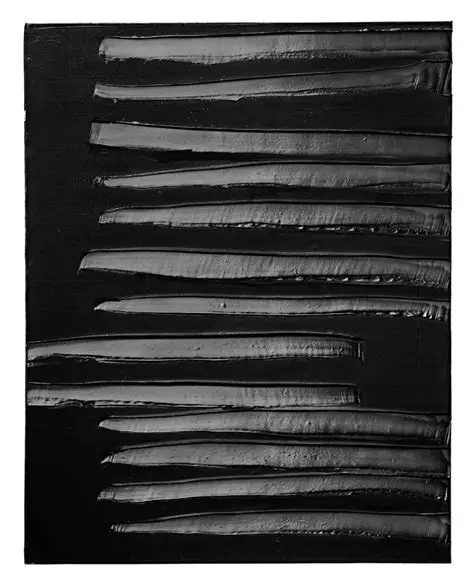
Pierre Soulages and the Power of Black
French painter Pierre Soulages occupies another part of Kim’s visual world.
Soulages became famous for his lifelong exploration of black.
His later works were associated with the term Outrenoir, or beyond black.
Rather than treating black as emptiness, Soulages used thick surfaces, scraping, and directional texture to make light interact with paint.
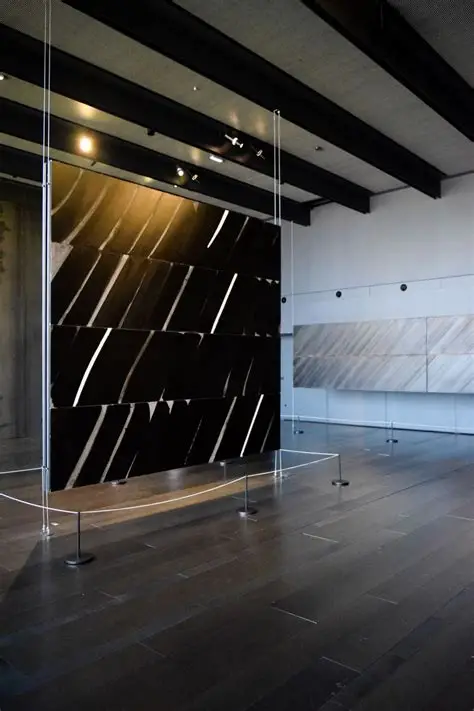
The result changes as the viewer moves.
For a collector interested in interior space, this makes Soulages particularly compelling.
The painting does not simply hang on the wall.
Light activates it throughout the day.
Constantin Brâncuși and Radical Simplicity
Kim is also drawn to the sculptural language of Constantin Brâncuși.
Brâncuși reduced subjects to essential forms.
Birds, heads, and bodies became polished volumes that seem simultaneously ancient and modern.
His work had enormous influence on 20th-century sculpture and design.
The relationship with Kim’s broader collection is understandable.
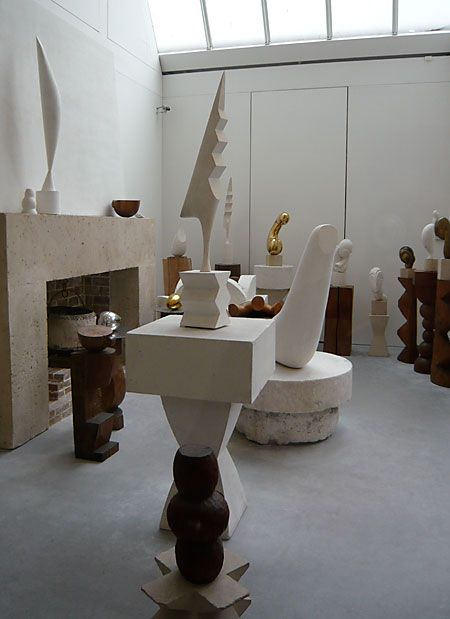
Brâncuși’s forms require space.
Their apparent simplicity makes every surrounding object more important.
A cluttered environment can weaken them.
A restrained interior can make the sculptures feel almost architectural.
Buddhist Sculpture and Meditative Presence
Buddhist statues introduce another time scale.
They are not simply decorative antiques.
Their historical purpose was spiritual.
This creates a different kind of presence within a private collection.
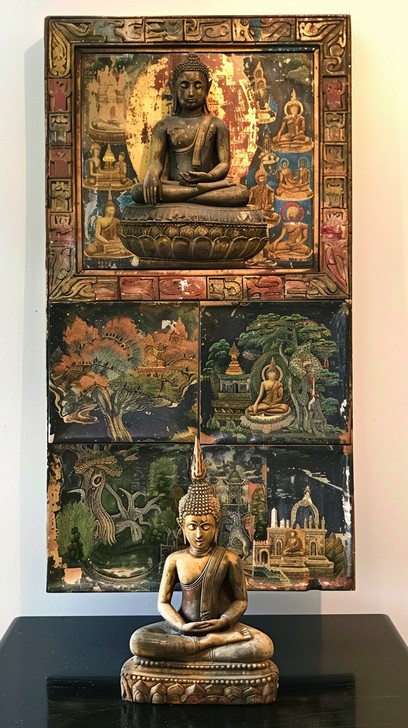
Kim is interested in their meditative quality.
Placed beside modern and contemporary art, the sculptures reveal how different cultures and periods have searched for stillness, transcendence, and simplified form.
A Buddhist figure and a Brâncuși sculpture may come from completely different worlds.
Yet both can produce an experience of concentration.
This is how Kim’s collection works: through resonance rather than chronology.
Intuition Comes Before Market Trends
Kim does not believe in collecting according to trends.
She buys work because it speaks to her.
This may sound like the familiar advice to «buy what you love,» but her approach is more disciplined.
Intuition is supported by years of looking at architecture, furniture, art, and interiors.
The response becomes informed even when it remains emotional.
An experienced collector may recognize quality before being able to explain it completely.
That instinct develops through exposure.
Art Is Not Primarily an Investment
Kim is equally clear that collecting should not begin with financial expectation.
Art can appreciate in value.
That does not make future price growth the reason to own it.
A work bought primarily as an investment can become psychologically difficult to live with.
The owner starts watching auction results instead of looking at the object.
Kim’s collection is designed around everyday experience.
The works need to withstand repeated contact.
The Home Is the Real Exhibition Space
Some collectors build storage-heavy collections that are seen only occasionally.
Kim prefers art to remain part of everyday life.
This gives the home an important curatorial role.
The arrangement is not fixed.
Furniture, artworks, and decorative objects can move.
Natural light changes the relationships.
A room evolves with the collector.
This is very different from a museum gallery.
The home does not need neutral walls or a historical sequence.
The collection can remain intimate.
Fashion, Art and Design Overlap
Kim’s professional world is fashion.
That background inevitably influences how she sees things.
Fashion involves silhouette, texture, proportion, rhythm, and cultural references.
The same concepts appear in art and design.
Running MO&Co. and edition also means Kim lives within a creative business where visual decisions occur constantly.
Collecting does not exist separately from work.
It belongs to the same broader curiosity about how people construct identity through objects and spaces.
Her Mother Was a Painter
The family connection to art began before Kim became a collector.
Her mother loved painting.
She never became a famous artist, but the practice had a deep influence on Kim.
This is an important reminder that artistic legacy does not depend on public recognition.
A parent who paints privately can shape a child’s understanding of creativity as strongly as a famous collection.
The influence may remain invisible for years.
Later, it becomes part of the next generation’s choices.
Passing Art to Her Daughter
Kim’s daughter is still young but already responds to artworks.
She tells her mother which pieces she finds pretty or cute.
She also likes drawing.
Kim has noticed a surprisingly mature and slightly dark quality in some of her daughter’s images.
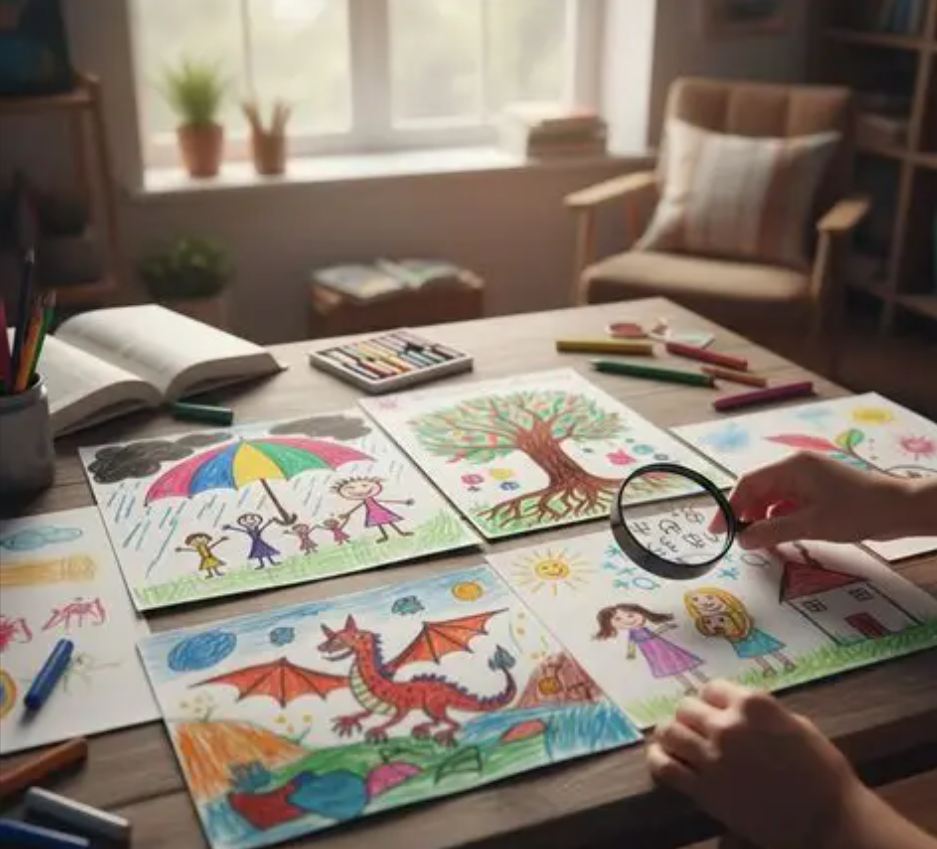
The mother does not want to force collecting or art upon her.
Instead, she allows curiosity to develop naturally.
This may be the strongest form of cultural inheritance.
Exposure without obligation.
The House Will Eventually Become Part of the Legacy
Kim does not have a rigid succession plan dictating where every artwork must go.
Her daughter will one day inherit the house.
The collection will be part of it.
This means inheritance will happen through lived space rather than through a list of assets.
A chair may recall childhood meals.
A painting may be connected with a particular wall.
A sculpture may carry memories of family conversations.
The objects become part of biography.
Art Should Become Family History
Kim’s definition of legacy is therefore relatively simple.
Art should pass naturally through the family.
The next generation may rearrange it.
Some works may become more important.
Others may eventually leave.
What matters is that art has already become part of the family’s visual language.
A collection survives best when heirs have lived with it before they own it.
Editorial Note
ArtExpoWorld believes Jenny Kim’s collection demonstrates that coherence does not require collecting one period, medium, or geography.
Ming furniture, Pierre Soulages, Constantin Brâncuși, and Buddhist sculpture could easily become a chaotic list.
They do not when the collector has a consistent visual philosophy.
Kim’s real collecting theme is space, material, and quiet intensity.
That is what connects the objects.
Her approach also provides a useful lesson for family legacy.
Children do not need lectures about the financial value of art.
Living with important objects, seeing parents care for them, and being allowed to develop an independent opinion can create a much deeper connection.
A collection becomes a legacy long before inheritance papers are signed.