









Hui Li: Collecting Art Through the Eyes of an Architect
Every collector views art through the experience they already possess.
For Hui Li, that experience is architecture.
His wife helped introduce him more deeply to collecting.
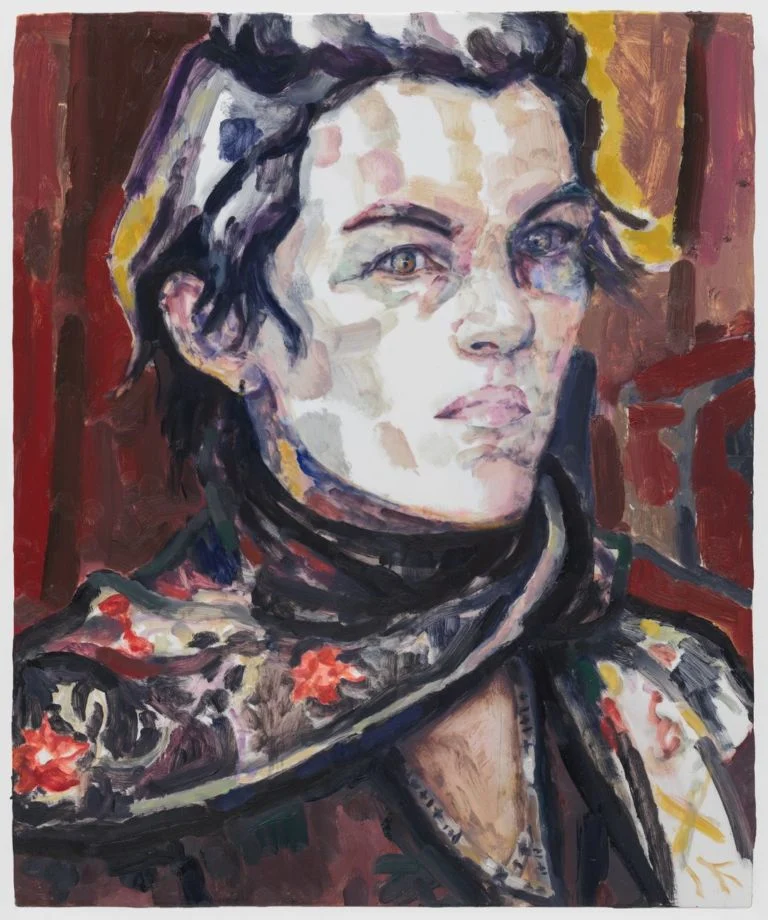
One of her early acquisitions from Art Basel Hong Kong was a portrait by Elizabeth Peyton.
Hui’s own eye moved in a different direction.
He became interested in artworks that behave architecturally.

They may use space, structure, scale, geometry, or materials in ways that feel closer to buildings than conventional images.
This perspective became the foundation of his collection.
Hui does not want art to remain separate from ordinary life.
Through both his collection and professional architectural work, he tries to integrate artists into buildings, offices, and public environments.
The result is a collection shaped by one central question:
How can art and architecture change the way people experience space together?
His Wife Influenced the Beginning
Hui does not claim that his collecting began entirely because of his wife.
Her influence was nevertheless important.
Her purchase of an Elizabeth Peyton portrait demonstrated one approach to contemporary art.
Peyton is known for intimate portraits of artists, musicians, friends, and cultural figures.
Her works frequently transform familiar faces into psychologically delicate painted images.
Hui’s interests developed differently.
He was drawn toward works containing architectural qualities.
Instead of creating conflict, the difference became useful.
The couple shares discoveries with one another.
When one encounters an artwork that fits the other’s taste, they send it immediately.
A shared life does not require identical collecting preferences.
Architecture and Art Meet in His Professional Work
Hui’s company operates where architecture and art intersect.
The team actively encourages collaboration between architects and artists.
This affects how projects are designed.
Art is not simply purchased after construction and placed on an empty wall.
Ideally, artists participate in thinking about the environment.
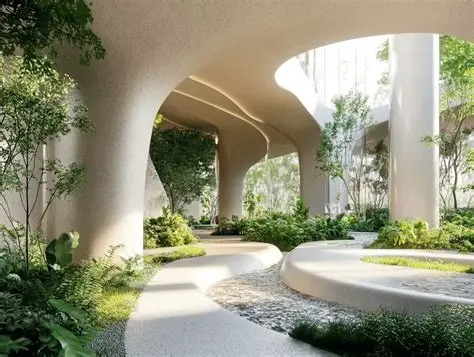
This can change:
circulation;
scale;
materials;
light;
public interaction;
emotional atmosphere.
For Hui, art becomes most powerful when it feels integrated rather than attached.
Public Space Is Central
Many private collectors focus on domestic display.
Hui thinks heavily about public space.
Architecture already determines how people move through cities, offices, hotels, and commercial buildings.
Art can add another layer.
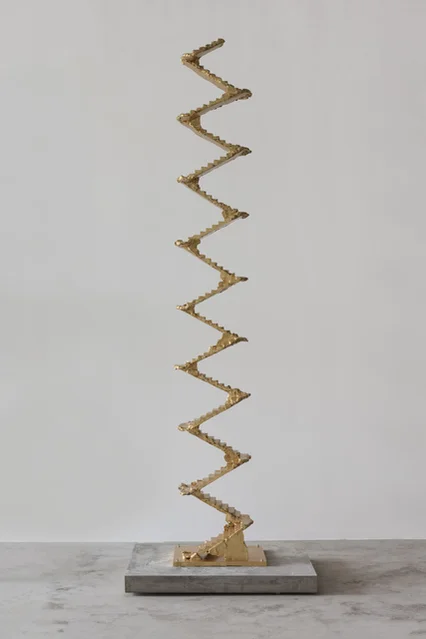
A sculpture may interrupt a corridor.
An installation can turn a lobby into a place people remember.
A work can create identity inside a corporate project without becoming conventional branding.
This is where his professional and collecting lives overlap most strongly.
Cai Lei’s Block Six
Cai Lei is a good example of an artist who fits Hui’s perspective.
The sculpture Block Six uses architectural forms and visual language.
The work does not imitate a specific building.
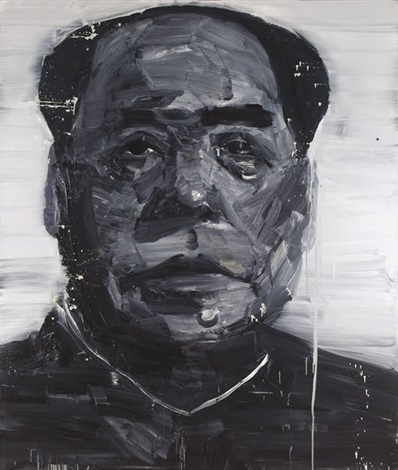
Instead, it draws from the systems through which architecture communicates structure.
Planes, blocks, and spatial relationships become sculptural.
For Hui, such work feels immediately connected with his own discipline.
The sculpture tells a story through architectural vocabulary.
This demonstrates how collectors often respond most deeply to art that intersects with their existing knowledge.
Mao Yan and Technical Mastery
One of the artists Hui admires most is Mao Yan.
Mao is known for psychologically complex portraits and highly controlled painting.
His palette often relies on black, white, and gray.
These restrained colors appeal strongly to Hui’s architectural sensibility.
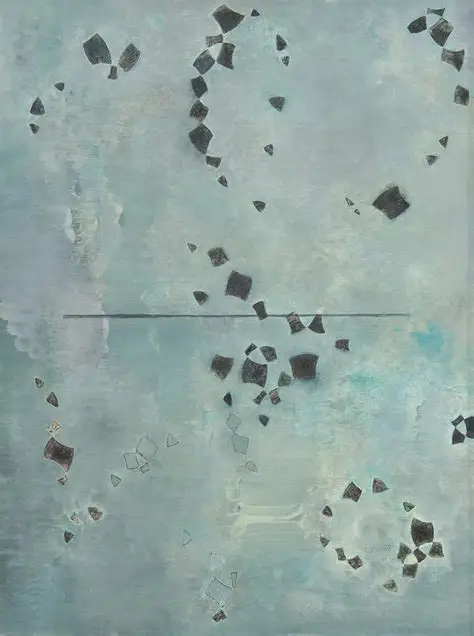
Architects frequently work with material, proportion, shadow, and restricted palettes rather than decorative color.
Mao’s paintings create intensity without needing visual excess.
Hui also admires his technical ability.
The slow, meticulous construction of the images rewards prolonged viewing.
Collecting Artists Who Treat Time as an Ally
Hui is particularly interested in artists who work slowly.
He remembers a description of Mao Yan as both genius and slow.
For Hui, slowness can become an artistic strength.
Contemporary culture often rewards constant production.
Artists are expected to create exhibitions, fair inventory, and new content continuously.
A slower artist resists this pressure.
Each phase of the practice may require years.
Collectors who follow such artists need patience as well.
There may be fewer works available.
The market may develop more gradually.
However, the relationship between time and quality can become part of the attraction.
Chen Yujun’s Wedding Banquet No.3
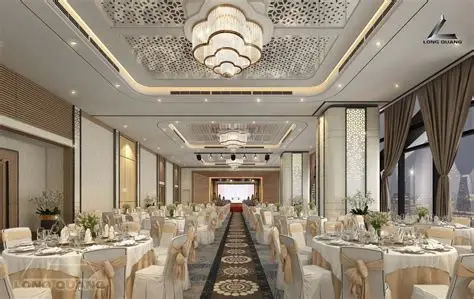
In 2018, Hui acquired Chen Yujun’s Wedding Banquet No.3.
The painting became one of the works that remained particularly meaningful to him.
Hui interprets the piece through the mixture of happiness and sadness contained within life.
A wedding traditionally represents celebration.
Yet every major life event carries complexity.
The painting reminds him that joy and sorrow can exist together while hope remains possible.
The work now hangs in the main conference room of Hui’s company.
This placement demonstrates his belief that art belongs inside working life.
Lending the Work to Long Museum
Wedding Banquet No.3 later left the conference room temporarily.
Hui lent it to Chen Yujun’s solo exhibition at Long Museum in 2022.
For collectors, museum loans can become important milestones.
The artwork enters a broader scholarly and curatorial context.
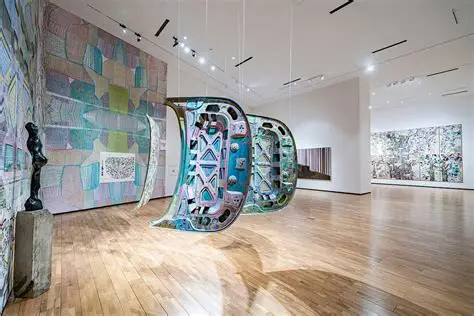
Visitors gain access.
The collector also learns whether the work occupies an important place within the artist’s career.
Hui deliberately looks for works that artists or curators may want to borrow in the future.
This has become one of his collecting principles.
Buying Representative Works
Hui wants acquisitions that represent meaningful stages in an artist’s development.
This is different from simply buying an artist’s name.
A famous artist may have produced thousands of works.
Some are central to the career.
Others are secondary.
Collectors who want museum-quality holdings need to understand these distinctions.
Hui asks whether the work captures a defining moment.
Would a curator include it when explaining the artist?
Could it help tell the story of a particular phase?
When the answer is yes, he feels he is acquiring not merely an object but a piece of the artist’s career.
Ni Youyu’s ART023
Another acquisition demonstrates Hui’s interest in works that challenge conventional categories.
Ni Youyu’s ART023, created in 2023, takes the form of a miniature art-fair booth.
Small paintings appear inside a carefully constructed gallery environment.
The object functions simultaneously as sculpture, model, curatorial project, and performance.
It turns the commercial architecture of the art fair into the artwork itself.
For an architect collector, this is especially compelling.
The gallery booth is a temporary architectural system designed for looking and selling.
Ni transforms that system into something that can itself be collected.
Architecture as the First Collecting Principle
Hui has developed two major principles.
The first is maintaining an architectural perspective.
This does not mean every artwork needs to resemble a building.

Rather, Hui asks how the work uses space, structure, material, and scale.
The architectural lens gives the collection consistency even when artists use different mediums.
A sculpture, painting, and installation can belong together because they share spatial intelligence.
The Second Principle: Artists With Long Development
His second principle involves collecting artists whose careers evolve deeply over time.
Mao Yan represents the model.
Hui wants artists capable of moving through meaningful phases rather than repeating one marketable formula.
This makes long-term collecting more rewarding.
A collector can acquire different periods and understand the development.
The collection begins to document time.
The Chen Ke Work He Missed
Like every serious collector, Hui has regrets.
One involves Chen Ke.
He had an opportunity to acquire one of her works but decided not to.
Later, he regretted passing.
Hui does not describe this as a mistake exactly.
He prefers the word experience.
Taste changes.
Emotional responses change.
Artists themselves change.
A decision that seemed reasonable at one moment can look different several years later.
This uncertainty is unavoidable.
Buying Fewer Works
Over time, Hui has become more focused.
He no longer wants to buy impulsively.
His future strategy is to collect fewer works with greater concentration.
This progression appears in many mature collectors.
Early collecting often emphasizes discovery and quantity.
Later collecting emphasizes quality and depth.
The collection becomes large enough that every new acquisition needs to justify its presence.
Fewer works can actually make the collection stronger.
Emotion and Reason Must Work Together
Hui rejects the idea that collecting should be purely emotional or purely rational.
Both approaches create problems.
Without emotional connection, collecting becomes sterile.
Without rational analysis, it can become gambling.
The collector needs a foundation.
Price, quality, provenance, the artist’s development, and the specific importance of the work all matter.
Then emotion determines whether the work belongs.
This balance is particularly appropriate for an architect.
Architecture itself combines technical rationality with human experience.
Art Inside Company Meetings
Hui’s architectural company regularly discusses art internally.
Employees visit exhibitions.
Art appears in meeting spaces and becomes part of professional conversation.
This has a subtle effect.
A designer seeing challenging artworks regularly may develop new ways of thinking about materials or proportion.
An architect may discover an artist who eventually collaborates on a project.
The collection becomes part of workplace education.
The Legacy of Mutual Influence
Hui defines legacy differently from many collectors.
He does not focus primarily on what will happen to the objects after his death.
For him, legacy is about influence.
His wife influences him.
He influences colleagues.
Artists influence architecture.
Architecture provides new contexts for artists.
The collection becomes part of a network of relationships.
This definition is more immediate than conventional estate planning.
Legacy is already happening while the collector is alive.
Weekend Exhibition Visits With His Wife
Art has given Hui and his wife a shared language.
Whenever they have time on weekends, they visit exhibitions together.
Their preferences differ, which makes these visits more interesting.
One may notice something the other ignores.
They exchange recommendations and discuss what they see.
This is an important part of developing taste.
A collector should not surround themselves only with people who agree.
Difference sharpens judgment.
Sharing Beauty With a Wider Audience
Hui’s ultimate goal is not private ownership alone.
He wants people to encounter art through architectural projects and public environments.
This returns the collection to the principle with which his professional work began.
Architecture and art should not be isolated disciplines.
Both shape how people experience the world.
When they are integrated carefully, even people who never visit a museum can encounter serious contemporary practice.
Editorial Note
ArtExpoWorld believes Hui Li’s approach demonstrates why professional background can become a powerful collecting advantage.
He does not attempt to suppress the fact that he is an architect when looking at art.
He uses it.
Space, structure, and material become a clear curatorial lens.
This gives the collection an identity much stronger than simply acquiring famous contemporary Chinese names.
His principle of buying works that curators may later request for exhibitions is also useful.
It forces the collector to ask whether a work is genuinely representative rather than merely attractive.
However, the strongest idea may be his decision to buy fewer works.
As collections mature, quantity becomes less important.
A focused collection of defining works will usually have greater cultural strength than a warehouse full of secondary acquisitions.