







Cheng Shoutai: From Lawyer to Major Chinese Art Collector
For Cheng Shoutai, art collecting began almost by accident.
Twenty years ago, while studying at Cheung Kong Graduate School of Business, he visited the homes of classmates who had built private art collections.
One home in particular stayed in his memory.
The collection included works by Leng Jun, Yang Fudong, and Cao Fei.
What struck Cheng was not just their financial value.
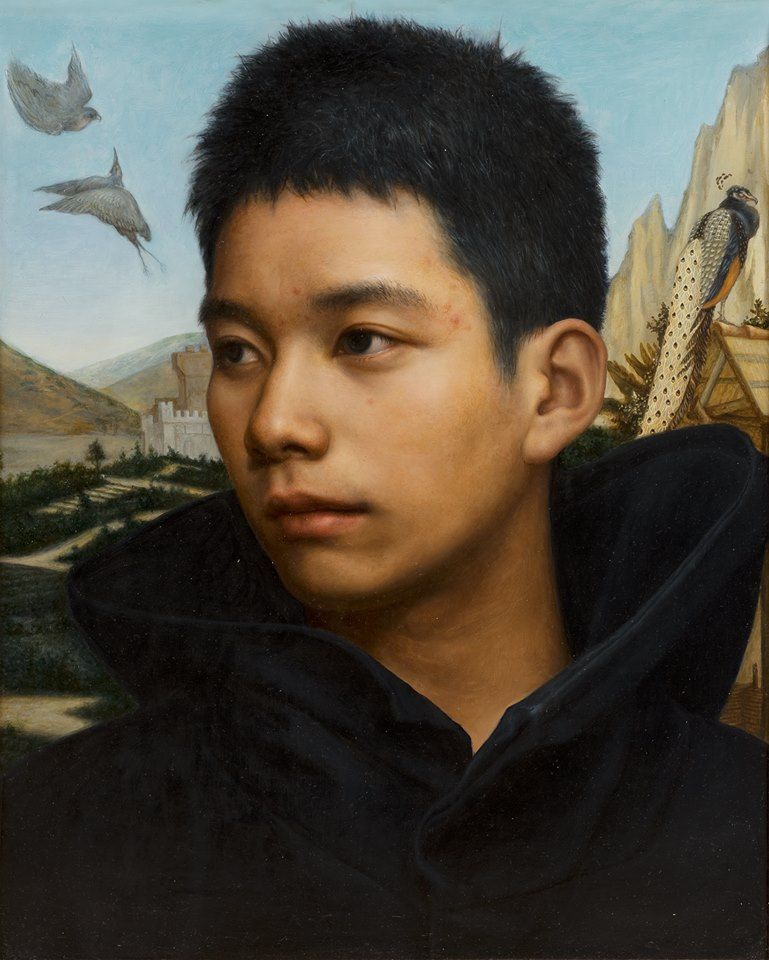
The works captured the transformation of Chinese society, the emotional atmosphere of the country, and the experiences of people who had lived through the same period as he had.
Real estate and stocks could rise and fall.
Art could preserve the character of an era.
That realization changed his life.
Cheng, a successful lawyer born in the late 1960s, gradually transformed from an occasional buyer into a collector with more than 1,000 works.
Today, his collection spans several generations of Chinese contemporary art and extends into offices, corporate buildings, and the ti Art Foundation, which he created with his eldest son.
Growing Up During China’s Economic Transformation
Cheng belongs to a generation that witnessed enormous social change.
Born in the late 1960s, he experienced China’s transition from a planned economy toward a market-oriented system.
These changes affected cities, businesses, education, and personal ambition.
They also transformed Chinese art.
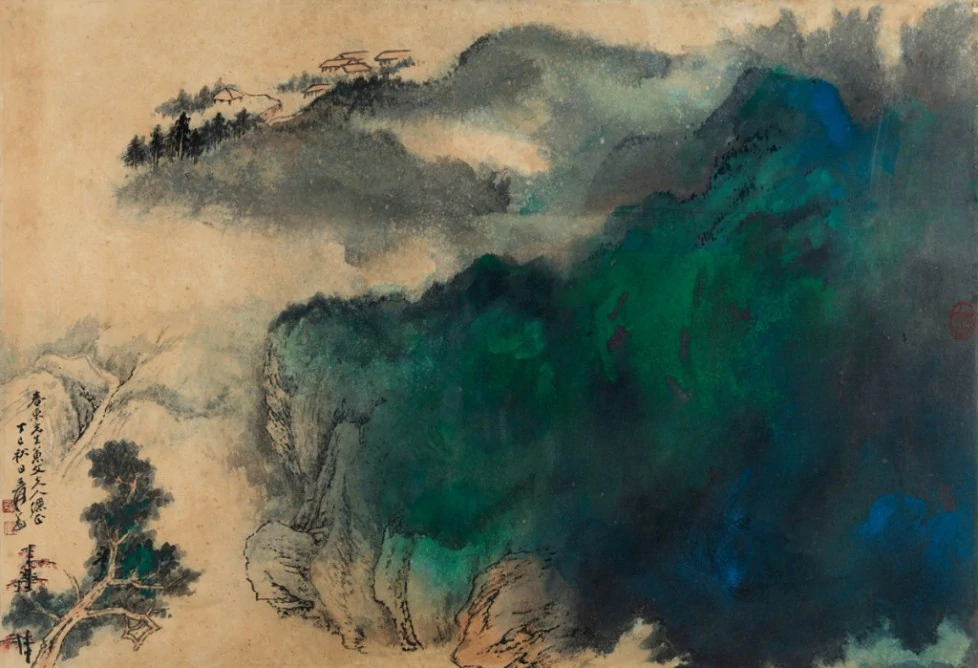
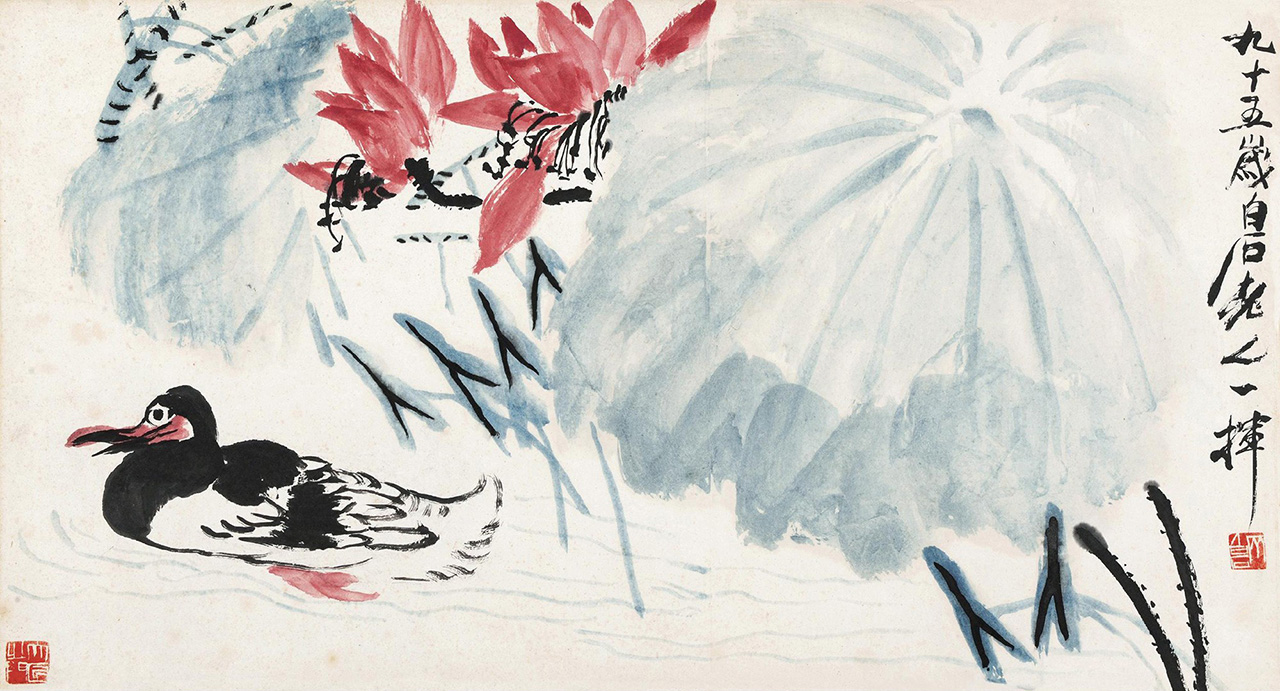
Cheng initially collected traditional ink painting and calligraphy.
His holdings included works by Zhang Daqian, Qi Baishi, and Cheng Shifa.
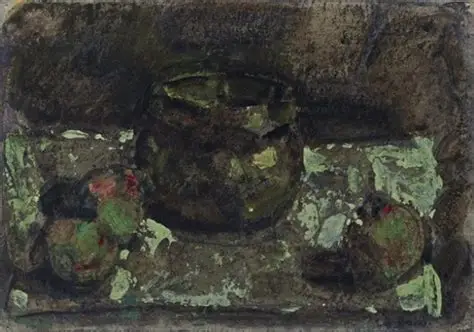
These artists are enormously important to Chinese art history.
However, Cheng increasingly felt a distance from the worlds they represented.
Their historical experiences were not his own.
He wanted artists who had lived through the same modern transformation he had witnessed.
This desire eventually pulled him toward contemporary art.
Cheng Conglin’s Still Life Changed Everything
Cheng identifies one rainy weekend in 2003 as the beginning of his serious contemporary collection.
He wandered into a gallery almost without planning to.
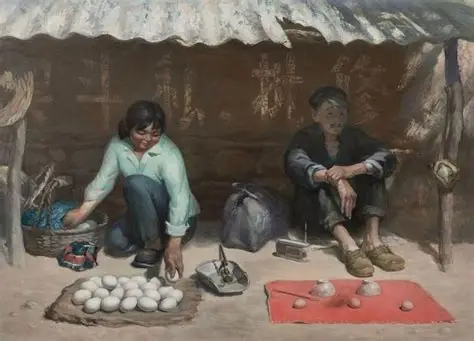
There he encountered Cheng Conglin’s Still Life.
The painting had an unexpected emotional effect.
Cheng had been feeling unsettled that day.
The quiet gallery, the sound of rain outside, and the painting itself created a feeling of relief.
His wife called and asked where he was.
When Cheng said he was looking at paintings, she asked whether he even understood them.
At that point, perhaps he did not understand them in a scholarly sense.
But he understood the emotional effect.
That was enough to begin.
His Home Filled With Art Books Instead of Law Books
Law remained Cheng’s profession, but art gradually occupied more of his intellectual life.
He jokes that visitors to his home will find almost no legal books.
Instead, the shelves contain art catalogues, artist biographies, and publications.
This difference reveals how seriously collecting developed.
A collection does not become stronger simply because the owner buys more.
Knowledge must grow alongside the number of works.
Cheng reads extensively, visits exhibitions, and speaks with artists and collectors.
The process became a second education running parallel to his legal career.
More Than 1,000 Artworks Over Two Decades
During roughly 20 years, Cheng acquired more than 1,000 works.
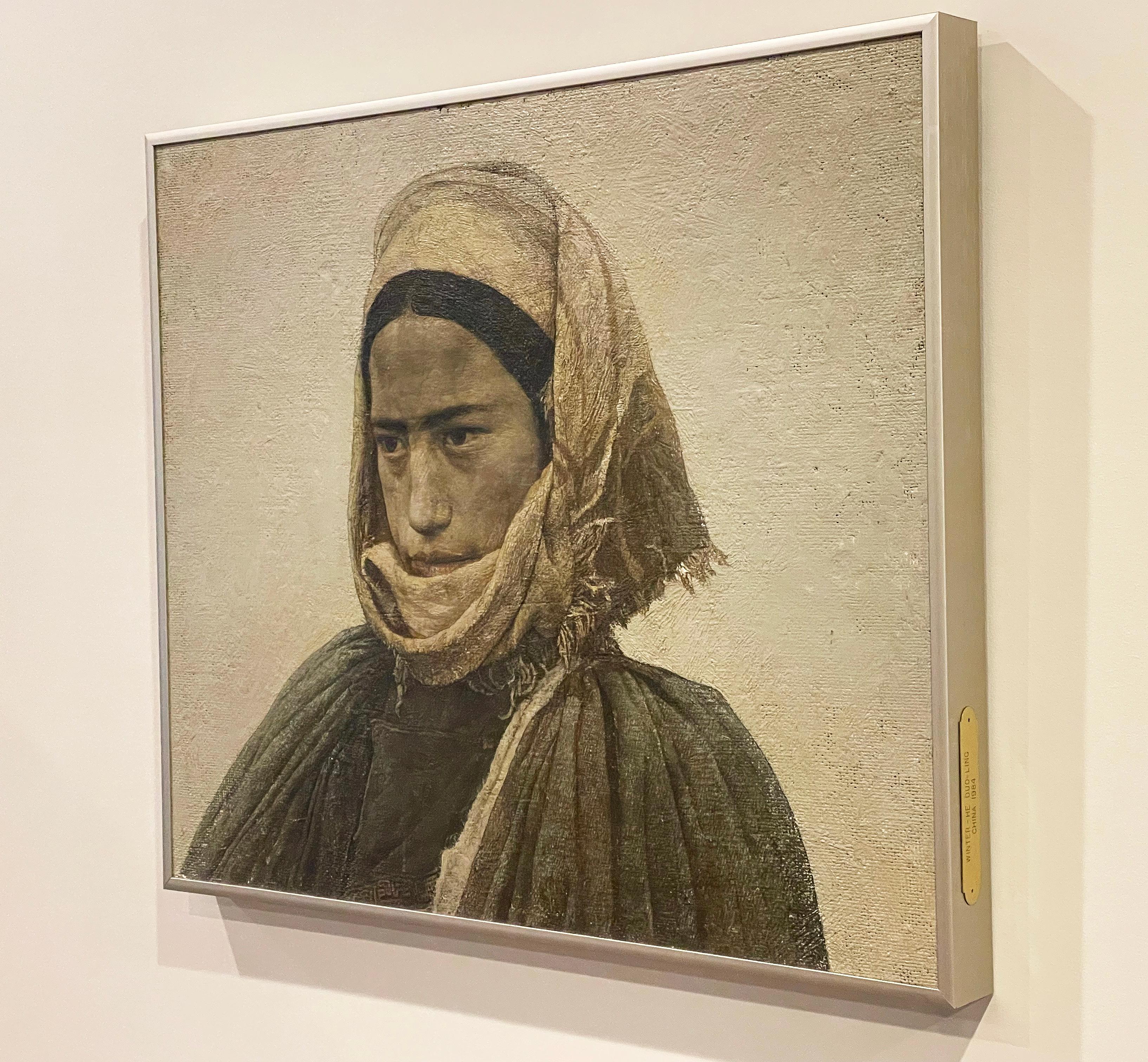
His earliest contemporary focus was closely connected with the Sichuan Fine Arts Institute.
The generation that emerged after the reinstatement of China’s national college entrance examinations in 1978 had a particularly strong influence on his collection.
Artists including Zhou Chunya and He Duoling became important.
These painters developed during a period when China was rapidly reopening to international cultural influences.
Their work reflected changing relationships between realism, personal expression, and Western Modernism.
Over time, Cheng expanded far beyond Sichuan.
Chinese Artists Born in the 1970s and 1980s
A large section of Cheng’s collection focuses on Chinese artists born during the 1970s and 1980s.
Names include Liu Wei, Jia Aili, Huang Yuxing, Ouyang Chun, Yin Zhaoyang, and Wang Xingwei.
This generational focus is significant.
These artists came of age during rapid economic expansion, globalization, and enormous changes to Chinese urban life.
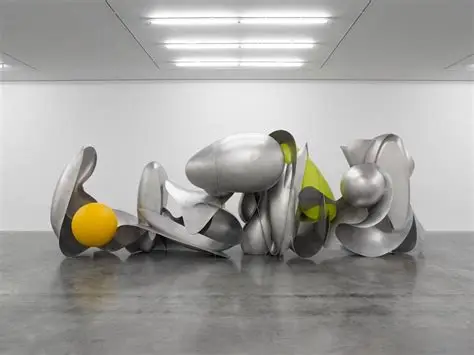
Liu Wei works across painting, sculpture, and installation, often responding to architecture, cities, and systems of power.
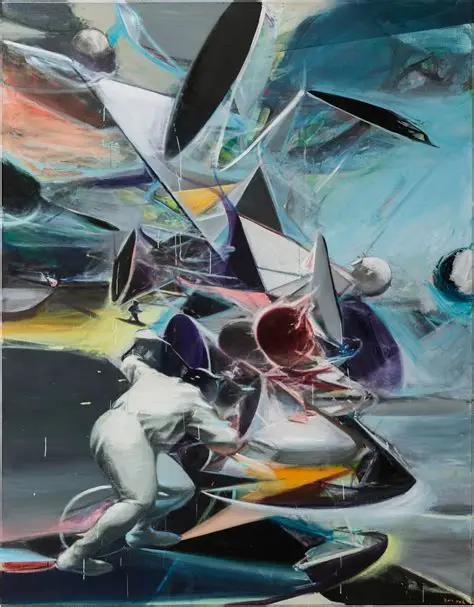
Jia Aili has developed monumental paintings exploring technology, isolation, and contemporary existence.
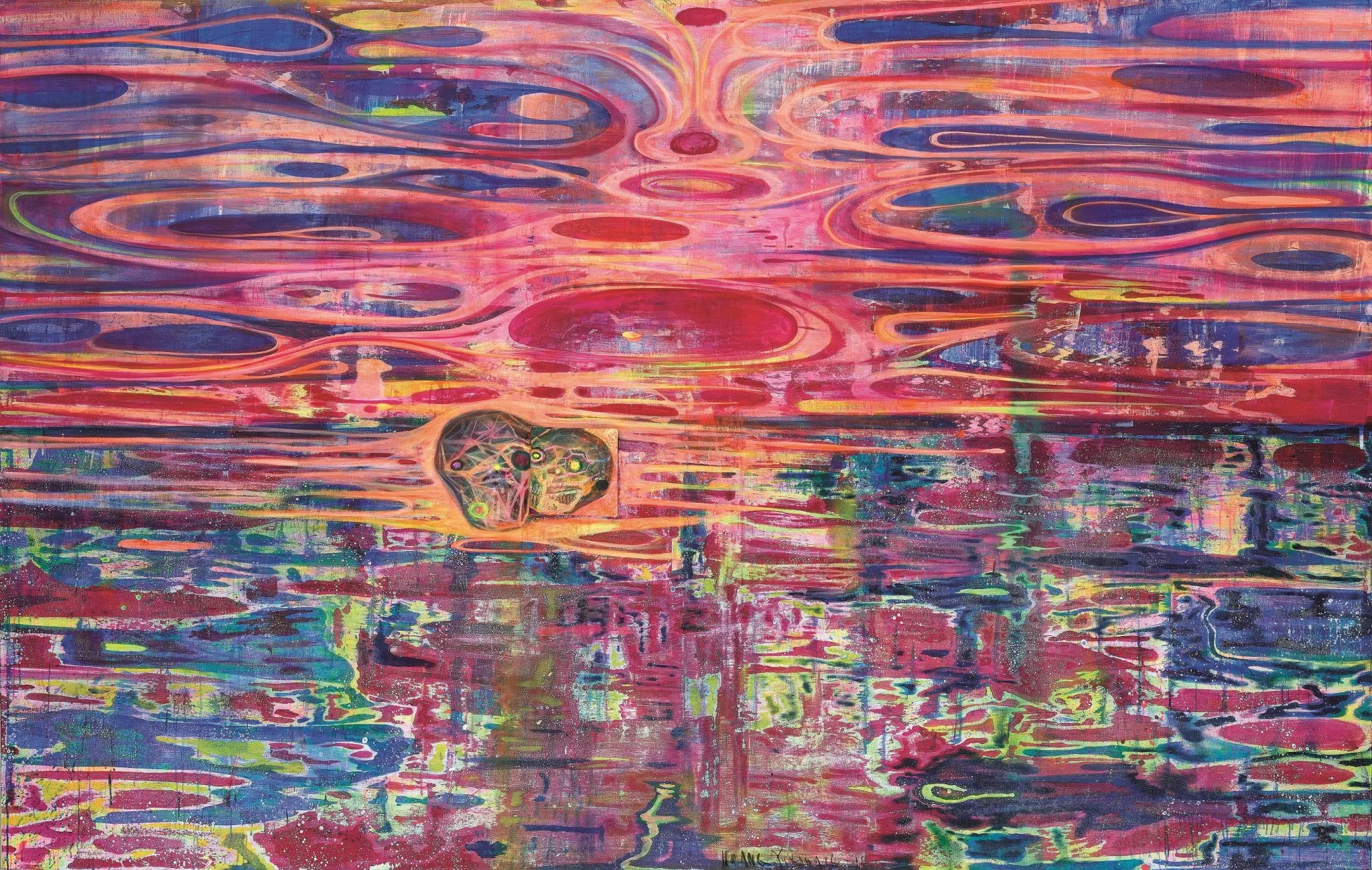
Huang Yuxing is recognized for highly saturated landscapes, rivers, and imagined environments.
Ouyang Chun developed a distinctive figurative language combining personal memory and expressive painting.
Wang Xingwei frequently uses irony, art-historical references, and unexpected shifts of style.
Together, these artists provide Cheng with something traditional ink painting could not: a visual history of his own lifetime.
Younger Artists Enter the Collection
Cheng has not allowed the collection to stop with his own generation.
He also acquires younger artists including Hao Liang, Gao Ludi, and Yan Bing.
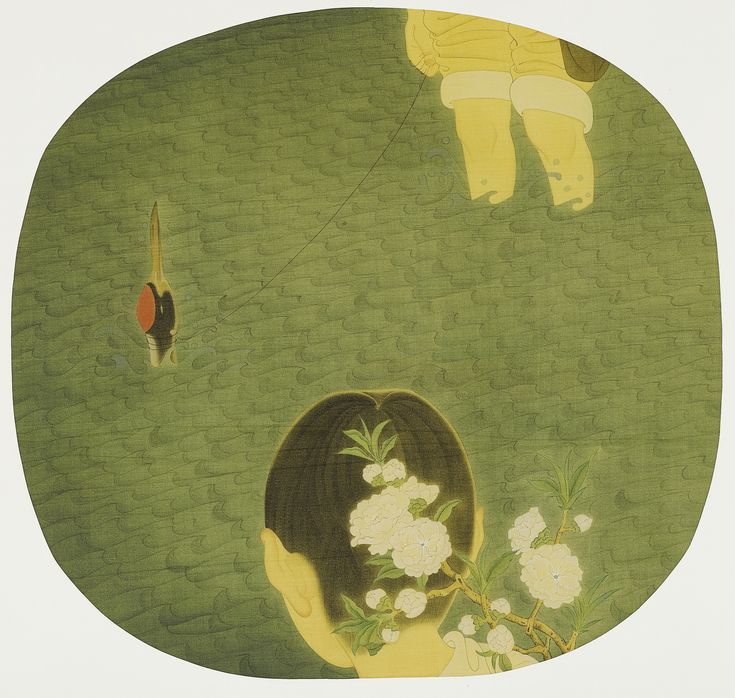
Hao Liang uses traditional Chinese painting methods while creating psychologically complex contemporary images.
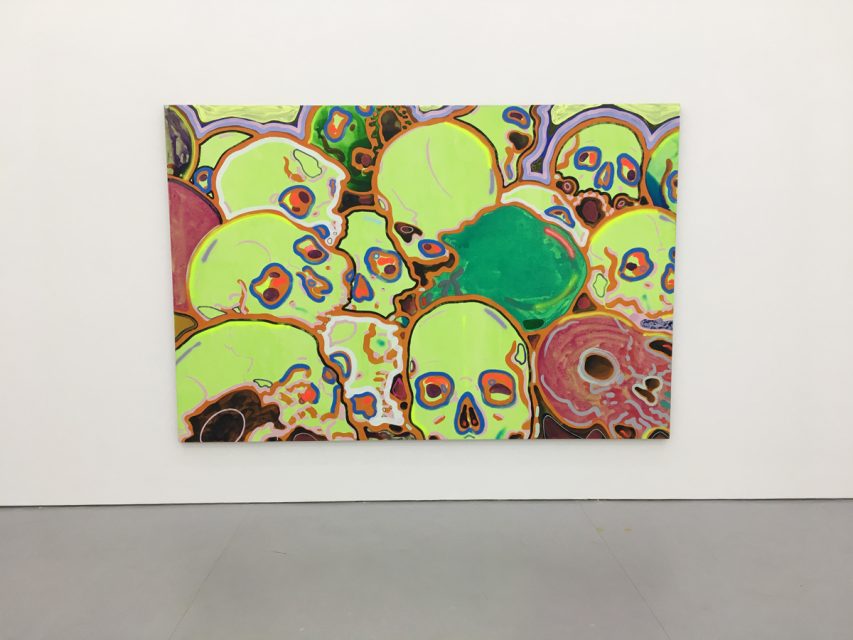
Gao Ludi works with bright synthetic color and visual languages shaped by digital imagery.
Yan Bing often focuses on ordinary rural objects, food, and agricultural life.
Their practices show how Chinese contemporary art continues evolving.
For Cheng, one rule remains constant.
The collector must first like the work.
Market potential matters, but it cannot be the starting point.
If the work creates no personal response, its financial value remains only a number.
His Criteria for Choosing Artists
After decades of collecting, Cheng developed clearer criteria.
He looks for artists with a recognizable and distinctive personal language.
The work needs to stand apart from broader trends.
He also considers whether the practice can continue developing.
Finally, he pays attention to future market potential.
This last point does not mean he treats the collection as a trading portfolio.
Rather, he wants to understand whether the artist is capable of sustaining a long career.
A collector purchasing repeatedly over decades needs to distinguish between temporary attention and durable artistic identity.
The Art World Became His Social World
Most of Cheng’s friendships are now connected with art.
As a board member of the UCCA Foundation, he has met collectors, artists, and cultural patrons across China.
His circle includes figures such as Liu Gang, Tang Ju, and Wang Zhongjun.
He participates in art trips and gatherings involving entrepreneurs and collectors.
These relationships provide more than access to artworks.
They create a continuous exchange of ideas.
Collectors discuss exhibitions, artists, museum projects, and changes in the market.
Learning becomes social.
Tu Hongtao: Following One Artist Through Time
One particularly important friendship is with artist Tu Hongtao.
Cheng began collecting Tu’s work in 2009.
Rather than purchasing one representative piece, he acquired works from several major phases of the artist’s career.
This allows the collection to document artistic evolution.
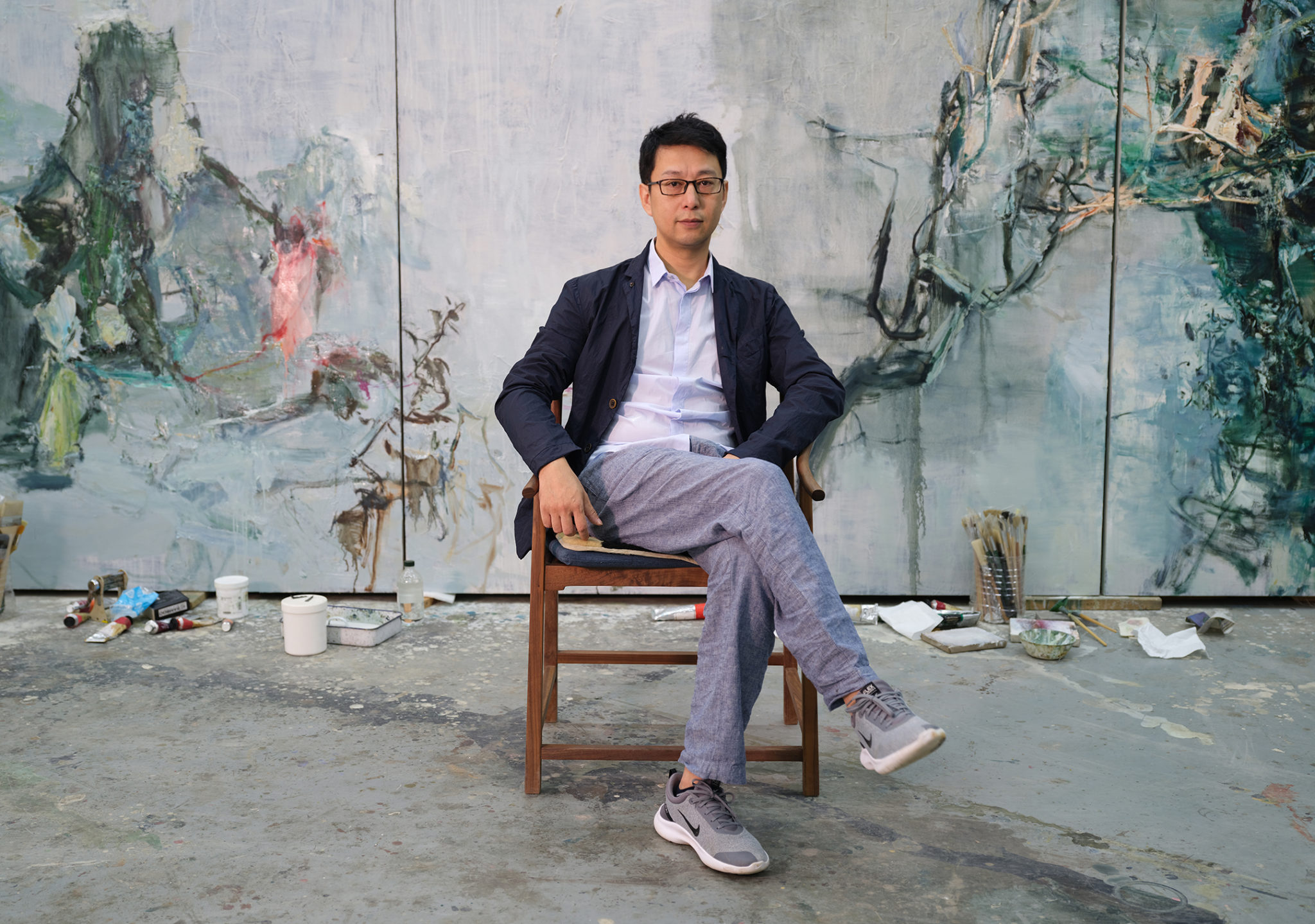
Tu Hongtao’s painting has moved through several visual languages, including distorted urban imagery and increasingly abstract landscape-like compositions.
For Cheng, the relationship goes beyond acquisition.
When he wants to relax, hear stories about artists, or discuss the market, he turns to Tu.
This illustrates one of the greatest advantages of collecting living artists.
The collector can interact directly with the people shaping contemporary culture.
Qiao Zhibing and the Value of Continuous Learning
Another influential figure is Qiao Zhibing, founder of TANK Shanghai.
Qiao has become one of China’s best-known collectors and cultural patrons.
One of his statements had a particularly strong effect on Cheng.
When Qiao encounters something he does not understand, he looks for people who do understand it and learns from them.
For Cheng, this attitude represents the ideal collector.
Expertise should never produce arrogance.
The art world is too large.
No collector can understand every movement, medium, country, or generation.
A strong collection grows when curiosity survives success.
The Taihe Tai Center Becomes an Exhibition Space
At a certain point, Cheng began feeling that private ownership was not enough.
The collection needed to be seen.
His Taihe Tai Center in Shenzhen became one of the main spaces for displaying it.
The building rises 33 stories.
Art appears in the lobby, reception areas, conference rooms, and private club spaces.
Installations, sculpture, painting, and video are integrated into the architecture.
Cheng also displays works across dozens of offices throughout China.
This model avoids the expense and administrative complexity of creating a conventional private museum.
Art enters places where people already work and meet.
Corporate Space Can Become Cultural Space
Office collections are often treated as decoration.
Cheng wants something more.
The presence of contemporary art inside a law firm or corporate building creates opportunities for people who may rarely visit galleries.
An employee may walk past the same work every day.
A client may ask about a sculpture during a meeting.
Over time, artworks become part of the identity of the space.
This gives private collections a semi-public function.
The collection remains privately owned but creates daily cultural exposure.
The Next Generation: Cheng’s Eldest Son
Cheng’s legacy is already developing through his family.
His eldest son spent six years studying in the United Kingdom.
He completed degrees related to museum management and arts administration and later moved toward doctoral study in art history.
Instead of following Cheng into law, he entered the art world professionally.
Father and son eventually established the ti Art Foundation together.
Their interests overlap, but they are not identical.
Cheng prefers painting and sculpture.
His son shows greater interest in video art and artists born during the 1990s and 2000s.
For Cheng, these differences are positive.
They keep the family collection from becoming frozen.
The ti Art Foundation Connects Two Generations
The foundation allows father and son to develop separate perspectives within one wider cultural project.
Cheng has confidence in his son’s judgment.
Instead of demanding that the next generation continue purchasing the same artists, he encourages new discoveries.
This is a particularly strong model for inherited collecting.
A collection survives not when every generation copies the previous one.
It survives when knowledge and curiosity are transferred while taste remains free to evolve.
The son introduces younger artists and new media.
The father provides decades of market knowledge and relationships.
Together, the collection becomes broader.
Law and Art Require Different Minds
Cheng sees an interesting tension between his two professions.
Law is based on evidence, structure, and rational argument.
Art depends more heavily on emotion.
Collecting exists somewhere between them.
A purely emotional collector may make impulsive and financially irresponsible decisions.
A completely rational collector may build a collection with no soul.
Cheng uses both sides.
Research helps him judge artists and markets.
Emotion determines whether the artwork deserves a place in his life.
Art Became His Second Profession
What began as a weekend escape gradually became something much larger.
Cheng no longer sees collecting as simply a hobby.
It became a second profession.
His law career provided the financial foundation.
Art provided another form of meaning.
The collection brought friendships, travel, knowledge, joy, and occasionally disappointment.
This complexity is part of serious collecting.
No long-term collection consists entirely of successful acquisitions.
There are missed opportunities, changing tastes, and works that become more or less important with time.
The process itself becomes valuable.
Editorial Note
ArtExpoWorld believes Cheng Shoutai’s collection is especially interesting because it mirrors the transformation of contemporary China.
He began with the great names of traditional Chinese painting but eventually realized that he wanted artists who had experienced the same social changes he had.
That is a powerful reason to collect.
The best collections often become indirect autobiographies. lfto0ov059 0trkh0okg95ikft045gk9it9uy8ij
The works may be created by other people, but together they record the collector’s generation, places, and changing worldview.
His decision to involve his son is equally important.
Instead of treating legacy as the preservation of fixed taste, Cheng allows the next generation to collect video and younger artists.
That keeps the family project alive.
A collection capable of changing across generations has a much greater chance of surviving than one protected so rigidly that heirs are afraid to make it their own.